Filters

11 filtered results

Clear all filters
Favorites
With answer key
Interactive

11 filtered results

Difficulty Level

Grade


Discover our engaging Fine Motor Skills Building Vocabulary Worksheets designed specifically for 4-year-olds! These interactive worksheets combine fun activities that enhance fine motor skills with vocabulary development to foster a love for learning. Each worksheet encourages children to practice essential skills such as cutting, tracing, and coloring while introducing new words in an enjoyable way. Perfect for parents and educators, our resources promote cognitive development and hand-eye coordination, setting a strong foundation for reading readiness. Explore a variety of themes and keep your little ones excited about learning as they strengthen their vocabulary and fine motor abilities simultaneously!

Check out this FREE Trial Lesson on Building Vocabulary for age 4!

X

Favorites
With answer key
Interactive
  • 4
  • Fine Motor Skills
  • Building Vocabulary
Red and Blue Coloring Fun Worksheet

Red and Blue Coloring Fun Worksheet

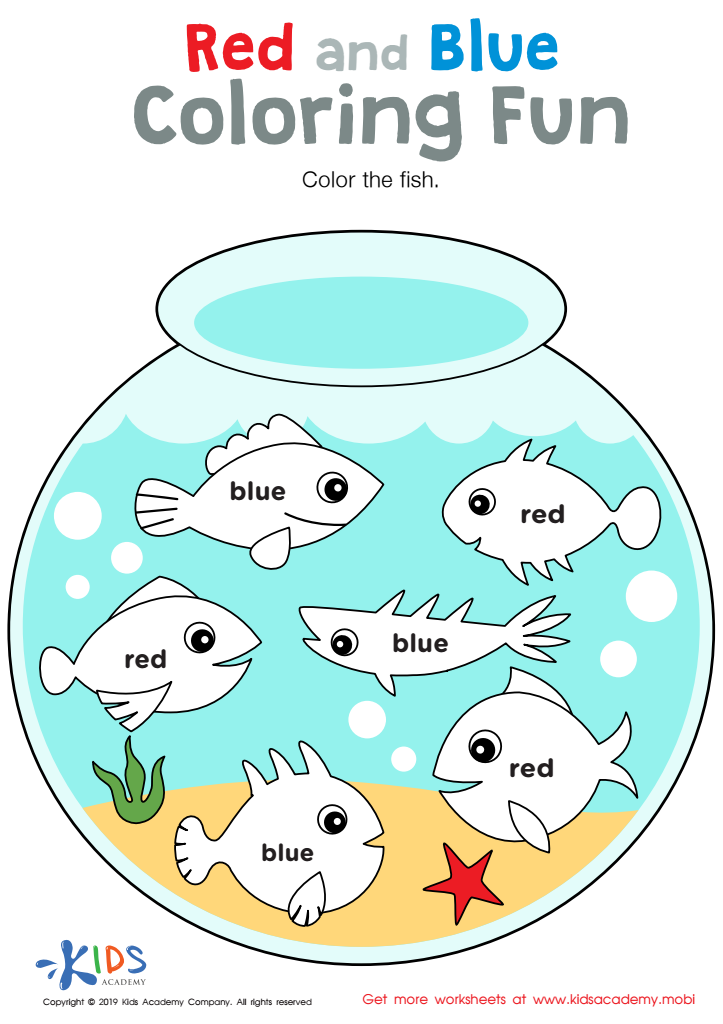
Kids know colors like red and blue. But can they read these words? Give them practice with this fun fish bowl coloring sheet. They'll look at the fish, then color them the corresponding hue. Home or classroom, they'll be sure to get a kick out of learning colors in this creative way!
Download (PDF)
Assign to My Students
Red and Blue Coloring Fun Worksheet
Worksheet
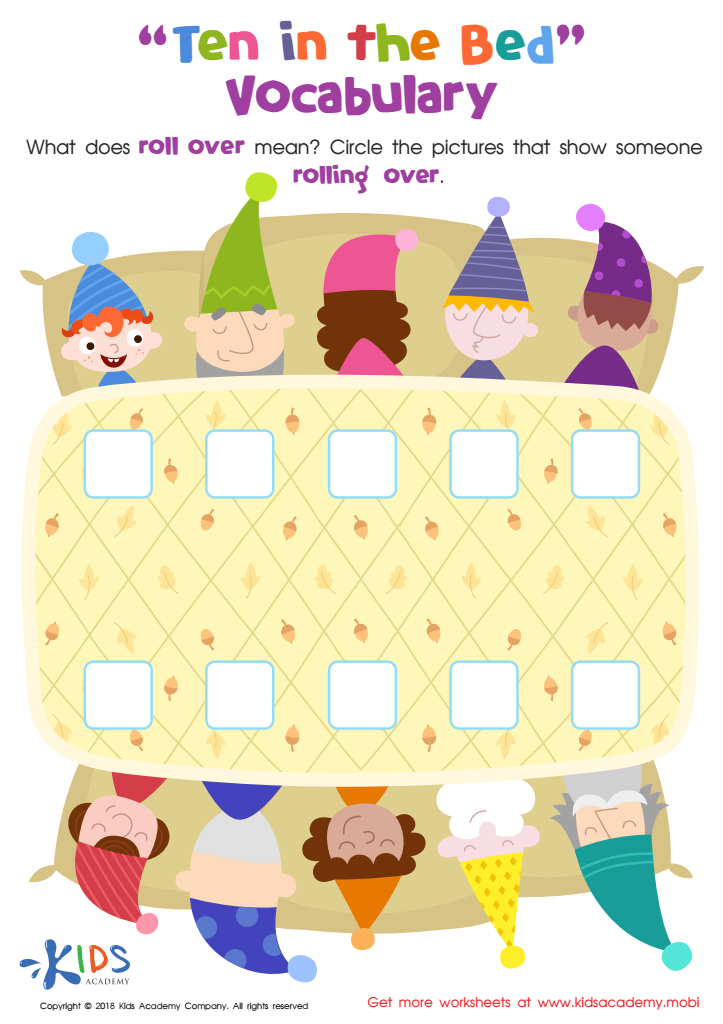
Ten in the Bed: Vocabulary Worksheet

Ten in the Bed: Vocabulary Worksheet

It's essential for emerging readers to be proficient in positional and directional words. This worksheet uses cheerful faces to help students identify who has "rolled over". Knowing these words is an essential part of reading and writing for pre-K and Kindergarteners. It also helps them to follow directions and use precise language.
Ten in the Bed: Vocabulary Worksheet
Worksheet
Black and Brown Coloring Fun Worksheet

Black and Brown Coloring Fun Worksheet

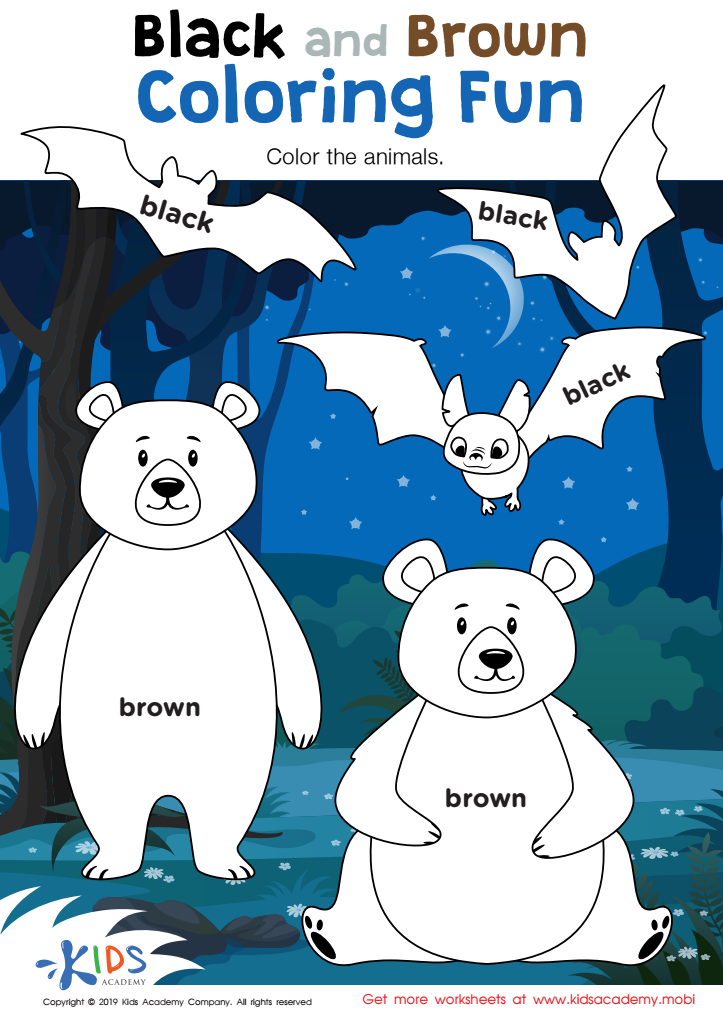
Young readers can learn the difference between black and brown with this free, downloadable worksheet. The page features coloring activities: students color bears brown and bats black. This helps children learn to read color words by sight, as they are among the first reading experiences for young ones. But black and brown can be tricky as they start with the same consonant sound. This worksheet will help clear up any confusion.
Download (PDF)
Assign to My Students
Black and Brown Coloring Fun Worksheet
Worksheet
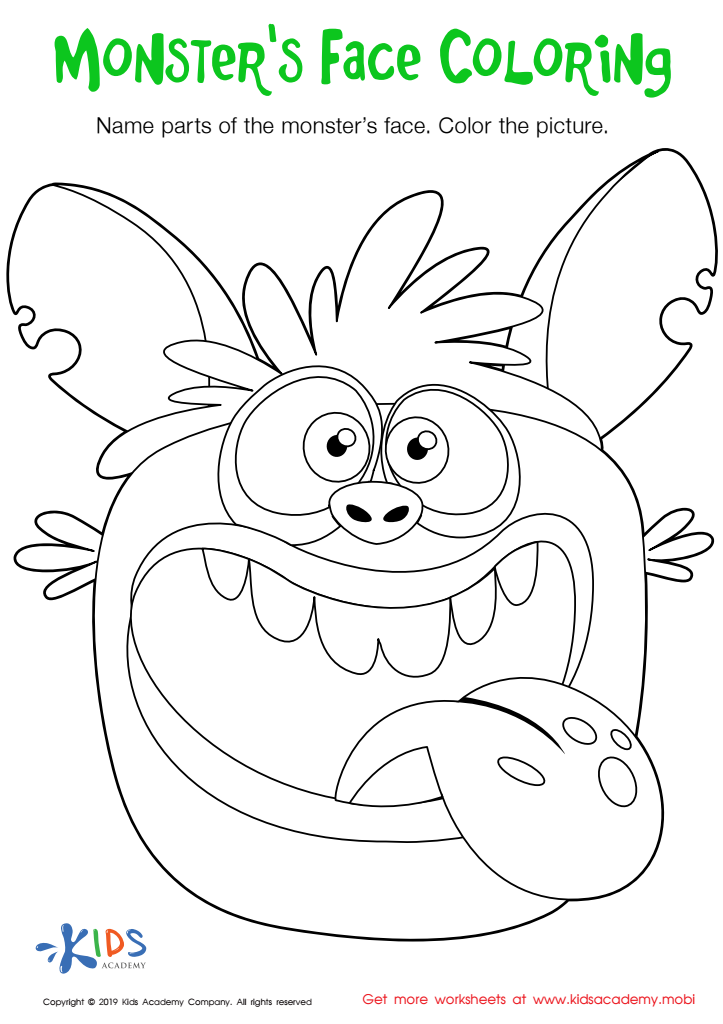
Monster's Face Coloring Worksheet

Monster's Face Coloring Worksheet

Have your students practice identifying face parts with this fun worksheet. Teach them how to say eyes, nose, mouth, and ears. Help them master these words so they can express themselves better. And have some fun with the monster coloring page too!
Download (PDF)
Assign to My Students
Monster's Face Coloring Worksheet
Worksheet
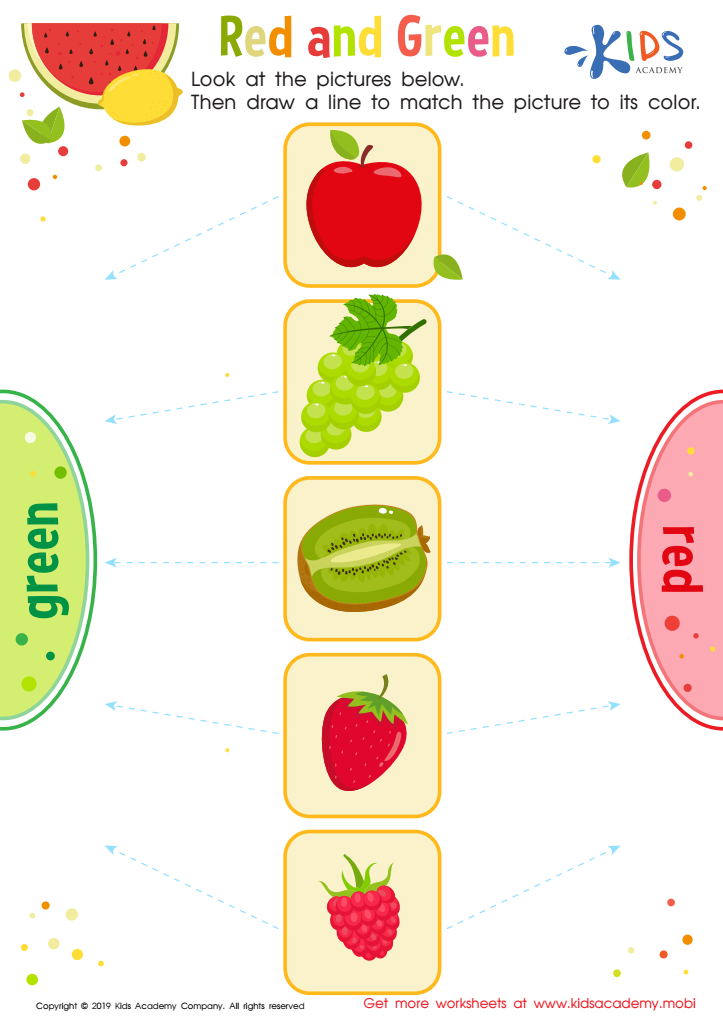
Red and Green Worksheet

Red and Green Worksheet

Engage your kids in fun exercises and colorful pictures to help build their vocabulary. Start with a colorful worksheet - can they identify the colors? Guide them to draw a line from each picture in the middle to the correct color. It's a great way to boost their vocabulary and have fun at the same time!
Red and Green Worksheet
Worksheet
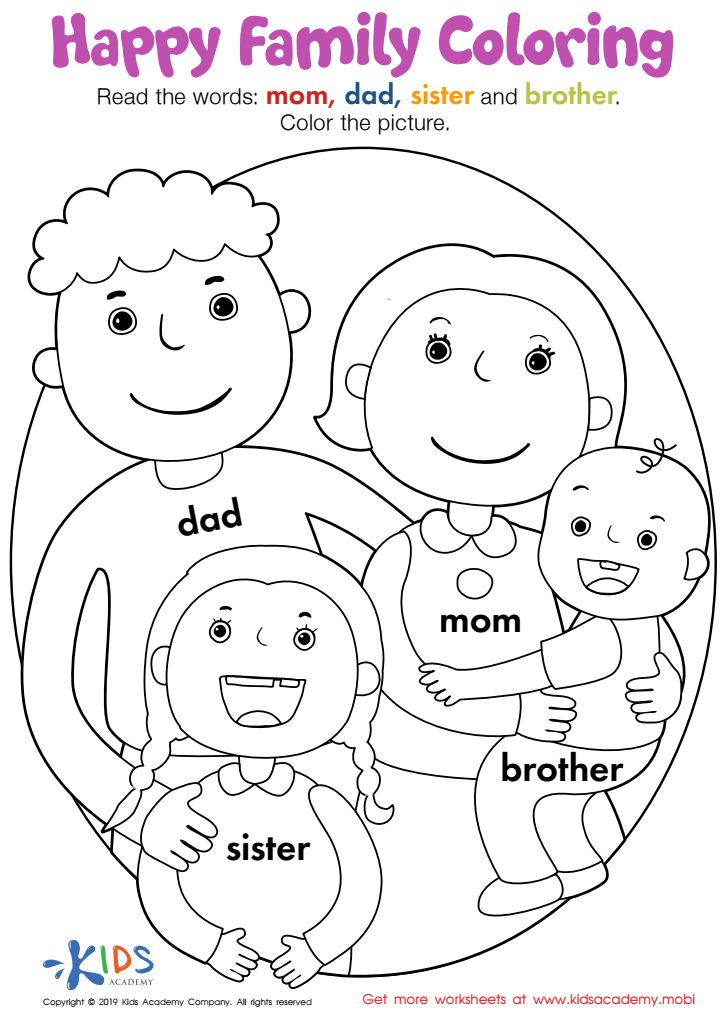
Happy Family Coloring Worksheet

Happy Family Coloring Worksheet

Help your students gain confidence in family vocabulary with this worksheet. Labelled images of a family (dad, mom, sister, brother) are featured, along with an accompanying activity to colour in the picture. Your students will feel a sense of accomplishment after reading and completing the printable.
Download (PDF)
Assign to My Students
Happy Family Coloring Worksheet
Worksheet
Pair Pears Worksheet

Pair Pears Worksheet

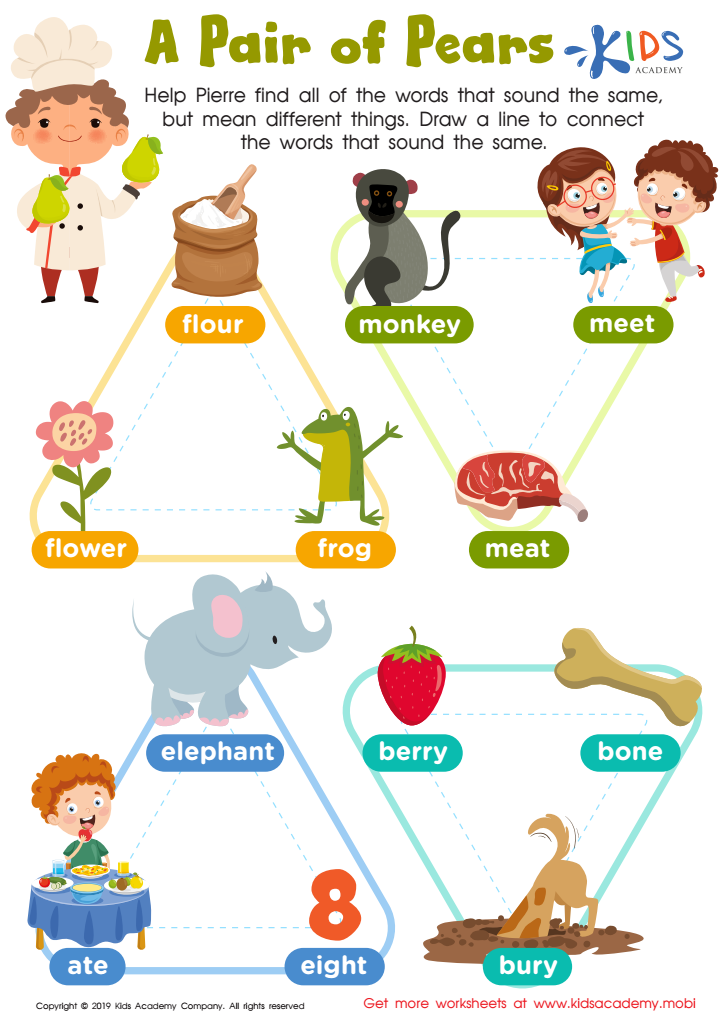
Young readers can have difficulty knowing when to use the right homophone. This free worksheet helps them use familiar imagery to understand better by connecting words that sound similar but are spelled and mean different things. Students will trace the lines to form a picture and have a reference image to differentiate between the different homophones.
Pair Pears Worksheet
Worksheet
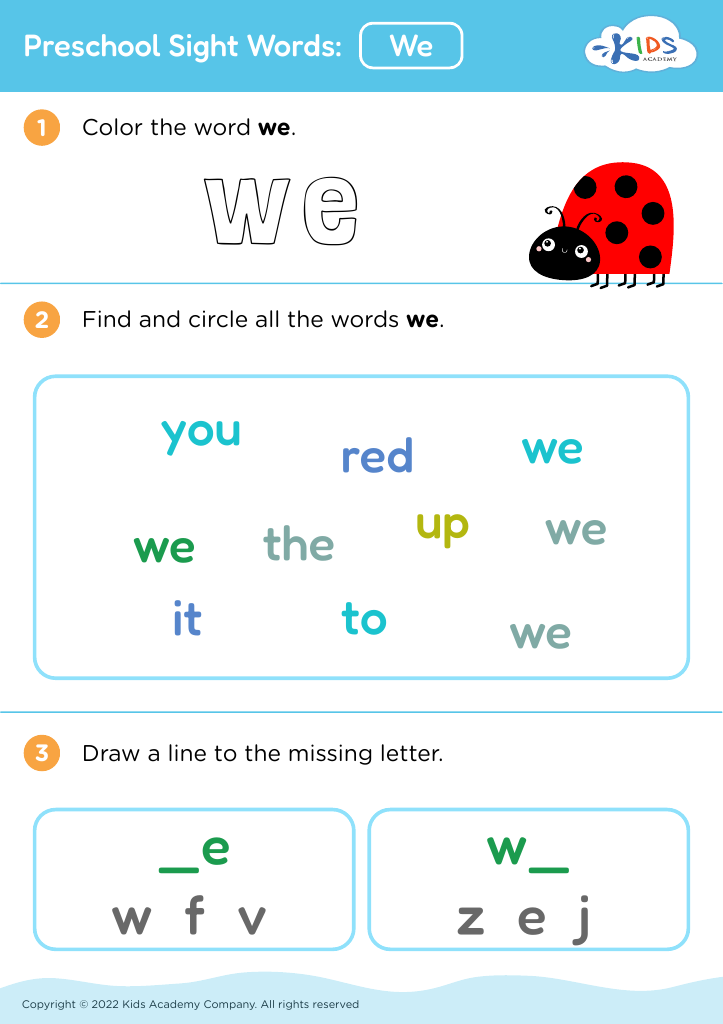
Preschool Sight Words: We

Preschool Sight Words: We

Preschool Sight Words: We
Worksheet
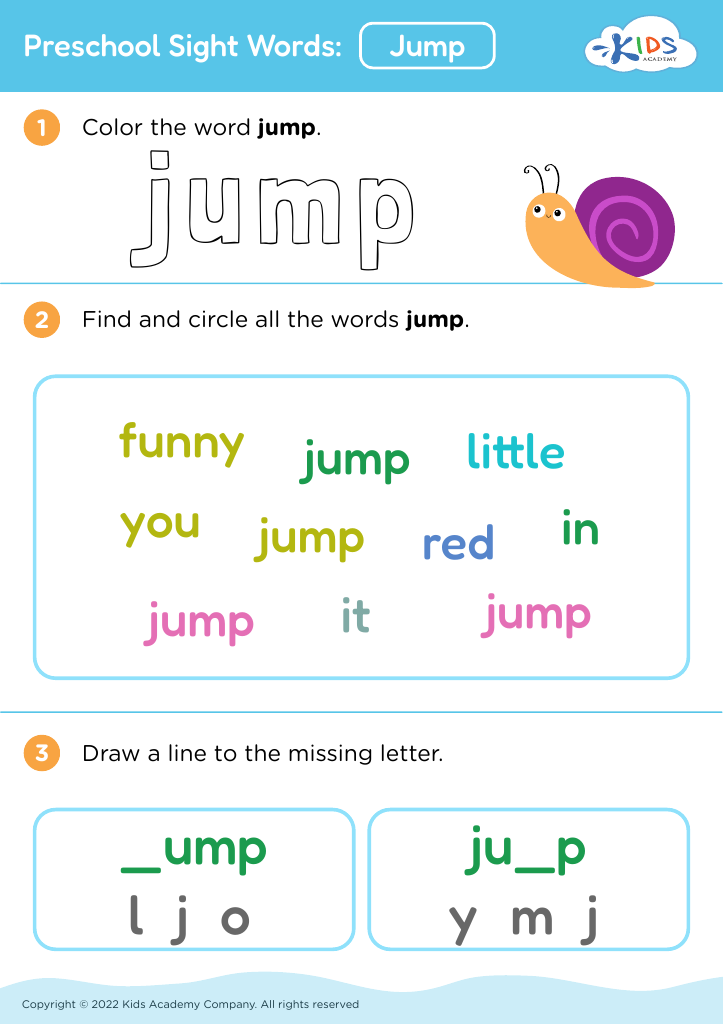
Preschool Sight Words: Jump

Preschool Sight Words: Jump

Preschool Sight Words: Jump
Worksheet
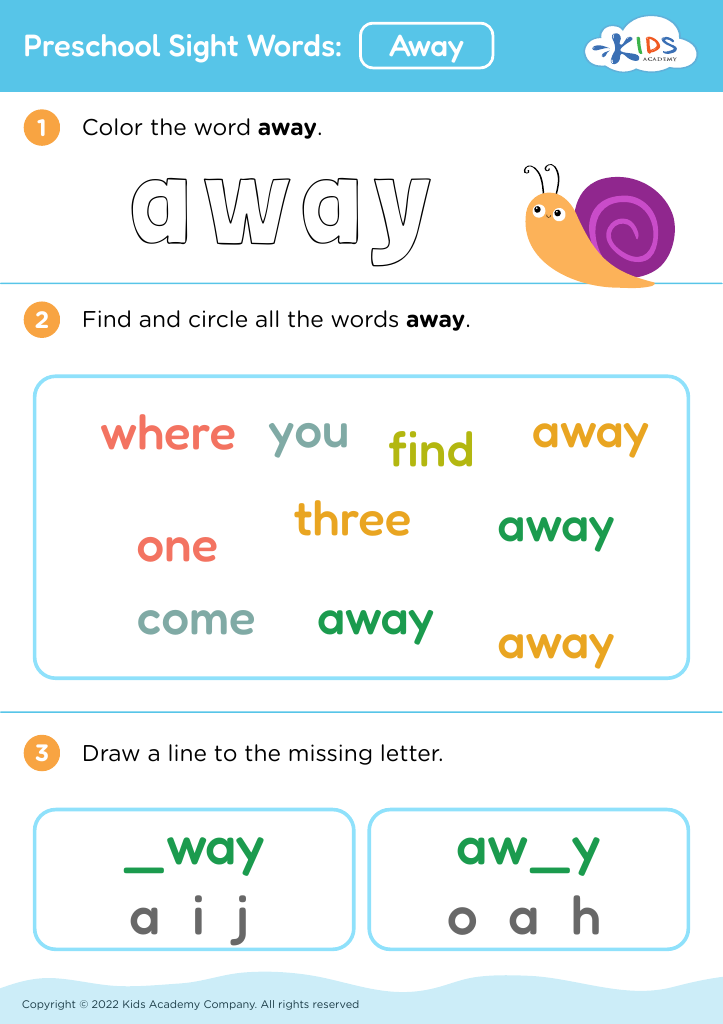
Preschool Sight Words: Away

Preschool Sight Words: Away

Preschool Sight Words: Away
Worksheet
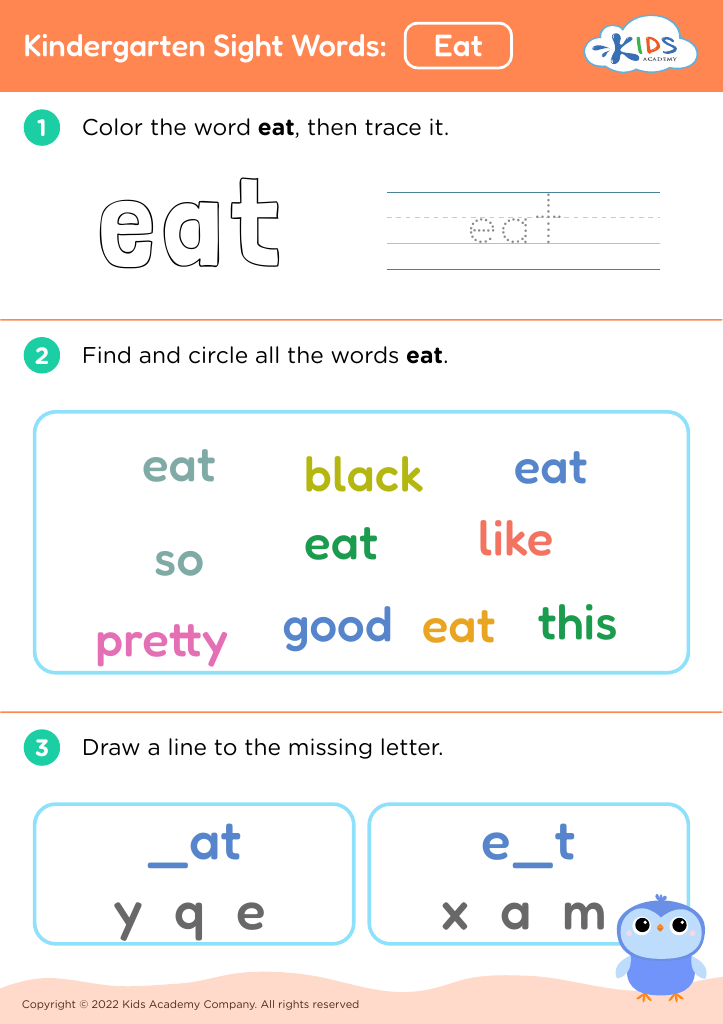
Kindergarten Sight Words: Eat

Kindergarten Sight Words: Eat

Kindergarten Sight Words: Eat
Worksheet


Fine motor skills and vocabulary building are crucial for 4-year-olds as they lay the foundation for future learning and daily activities. Fine motor skills involve the coordination of small muscles in the hands and fingers, which are essential for tasks like writing, buttoning shirts, or using scissors. Developing these skills promotes hand-eye coordination, dexterity, and independence, enabling children to navigate their environment successfully.

Parallel to this, building vocabulary at this age is equally important. A rich vocabulary enhances communication skills, enhances problems-solving abilities, and fosters social interactions. Children who can express themselves clearly with a strong vocabulary are more likely to participate in discussions, ask questions, and engage meaningfully with their peers and adults.

Parents and teachers should prioritize these areas because they significantly influence children’s readiness for school and lifelong learning. Integrating fine motor activities like playdough, coloring, or finger painting with vocabulary-building exercises like storytelling, singing, or interactive reading can create a holistic learning environment. This combination encourages cognitive development and prepares children for more complex tasks ahead. Ultimately, fostering fine motor skills and vocabulary development sets the stage for academic success, improved self-esteem, and better communication skills as they grow.