
Multiplication practice Building Vocabulary Worksheets for 4-Year-Olds
3 filtered results
Difficulty Level
Grade
Age
-
From - To
Subject
Activity
Standards
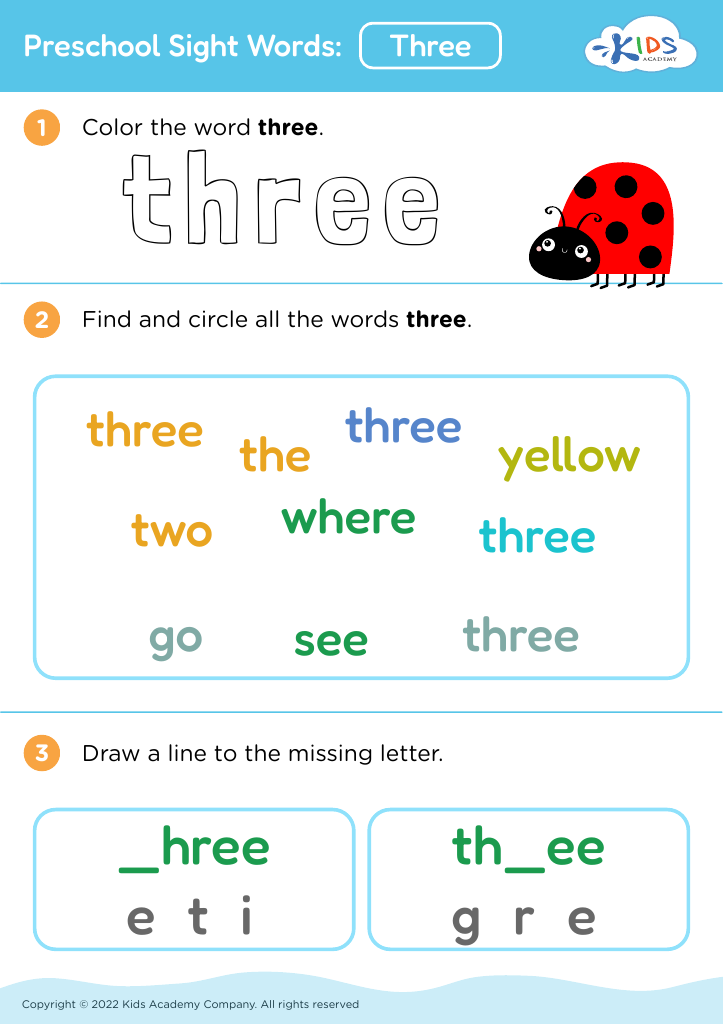
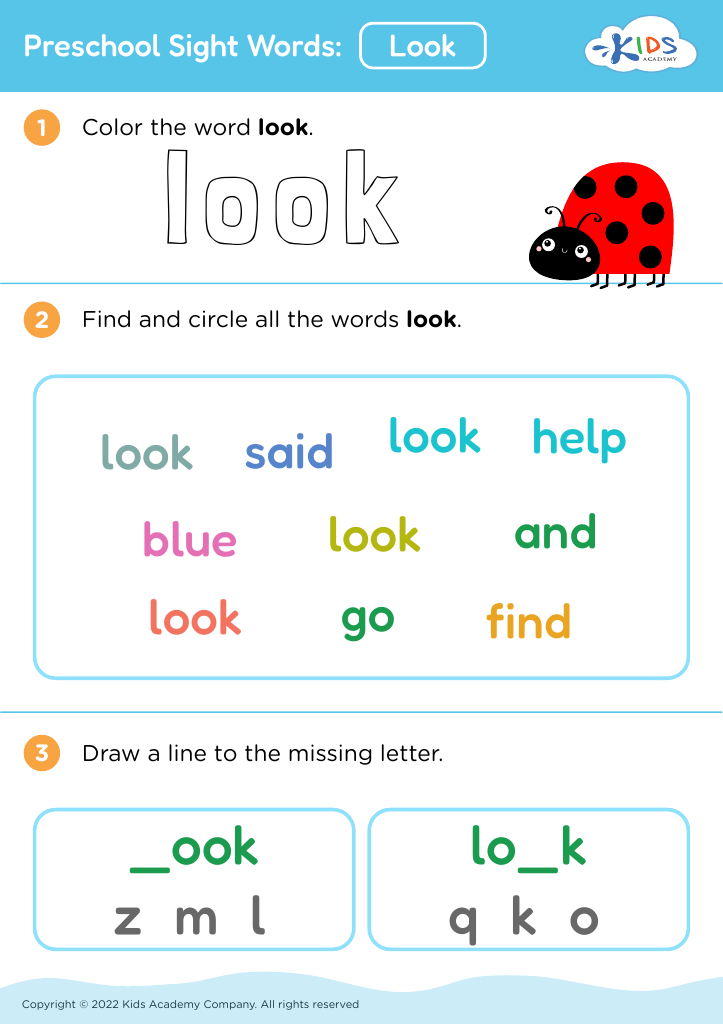
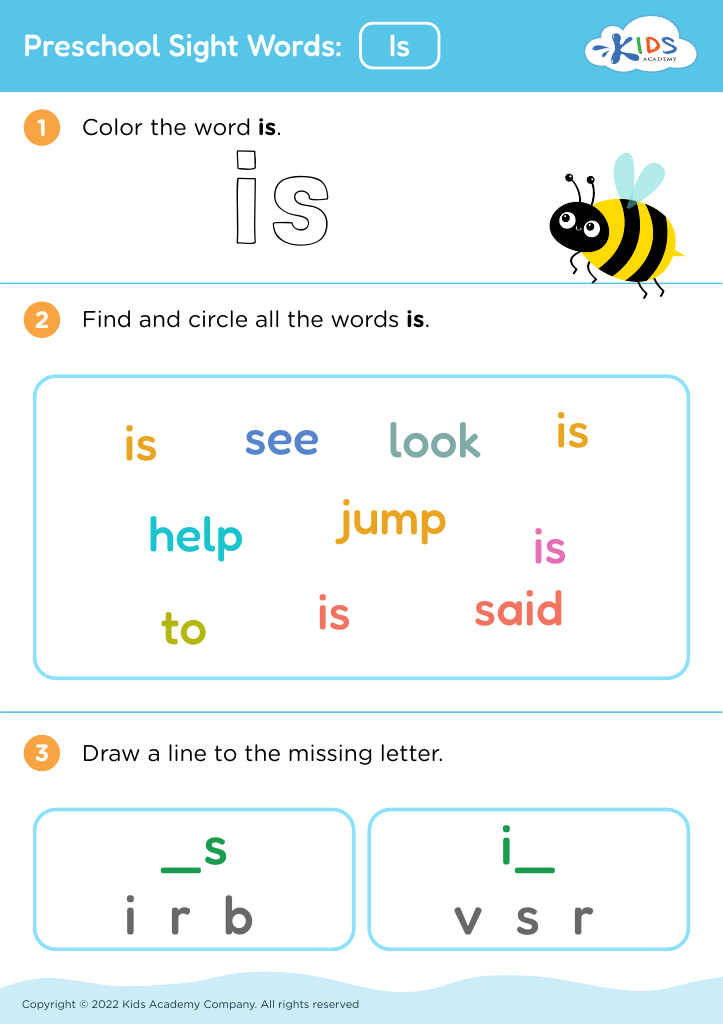
Explore our "Multiplication Practice Building Vocabulary Worksheets" designed specifically for 4-year-olds! These engaging worksheets combine fundamental multiplication practice with vocabulary-building activities, making learning fun and interactive. Each worksheet features colorful illustrations and easy-to-understand exercises that help young learners grasp basic multiplication concepts while enhancing their language skills. Perfect for parents and educators, these resources encourage cognitive development and foster a love for learning in early education. Strengthen your child's foundational math skills and vocabulary simultaneously with our thoughtful and playful worksheets. Start your child on the path to success and watch their confidence grow as they master multiplication!
Favorites
With answer key
Interactive











Join Kids Academy for Free
Who is primarily going to use this learning content?








Parents and teachers should prioritize multiplication practice and vocabulary building for 4-year-olds as these foundational skills promote cognitive development and prepare children for future academic success. Engaging in multiplication, even at a basic level, fosters critical thinking and problem-solving abilities. Early exposure to mathematical concepts lays the groundwork for number sense and more advanced math skills later on.
Moreover, building vocabulary at this age is crucial for language development, which significantly affects overall learning. A robust vocabulary enhances reading comprehension, communication skills, and the ability to express thoughts clearly. Combining math and vocabulary activities creates a rich, integrated learning experience. For instance, using numbers in simple storytelling or rhymes helps children connect language with mathematical concepts, making learning more engaging.
Additionally, multiplication practice can be presented in playful ways through games, songs, and everyday activities, making it enjoyable rather than tedious. This early hands-on approach fosters a positive attitude towards learning math, reducing future math anxiety. Ultimately, enhancing multiplication and vocabulary skills in young children supports their holistic development, sets the stage for lifelong learning, and builds a strong toolbox for their future educational experiences.








