Simplifying Fractions Building Vocabulary Worksheets for 4-Year-Olds
3 filtered results
-
From - To
Introduce young learners to the concept of simplifying fractions with our engaging worksheets designed for 4-year-olds. These fun and colorful activities aim to build vocabulary and mathematical skills simultaneously. Each worksheet offers interactive exercises that help children understand fractions in an accessible way, using visuals and easy-to-follow instructions. As kids practice simplifying fractions, they enhance their language development while enjoying an educational experience. Perfect for both classroom and home use, these worksheets encourage children to explore basic math concepts in a playful environment, laying a strong foundation for future learning. Start your child's math journey today with our Simplifying Fractions Building Vocabulary Worksheets!
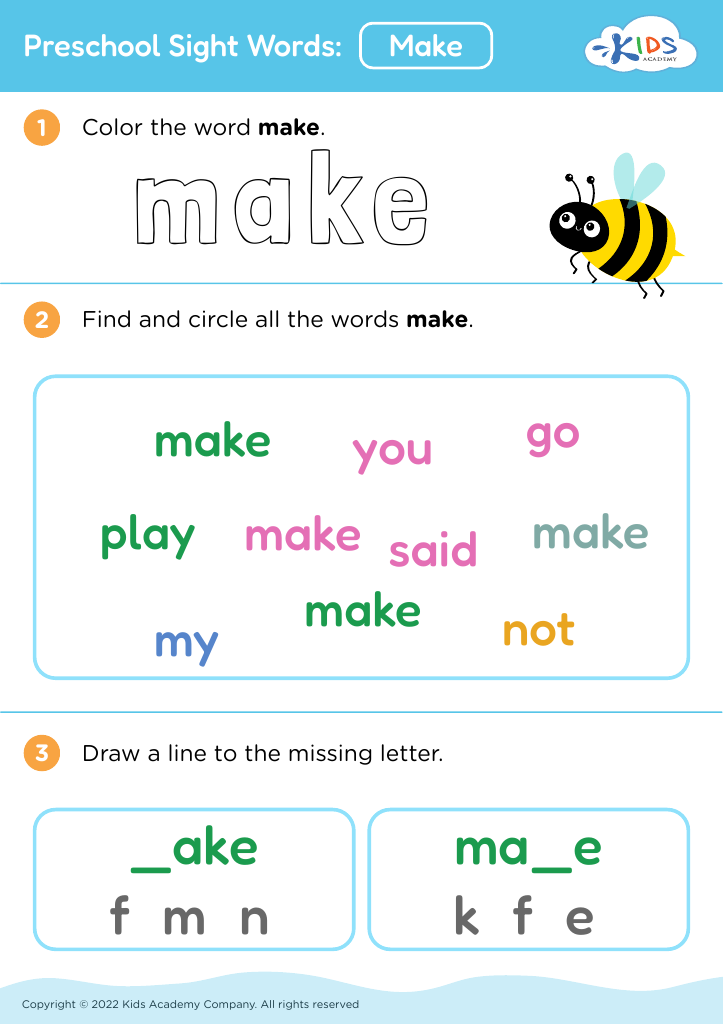











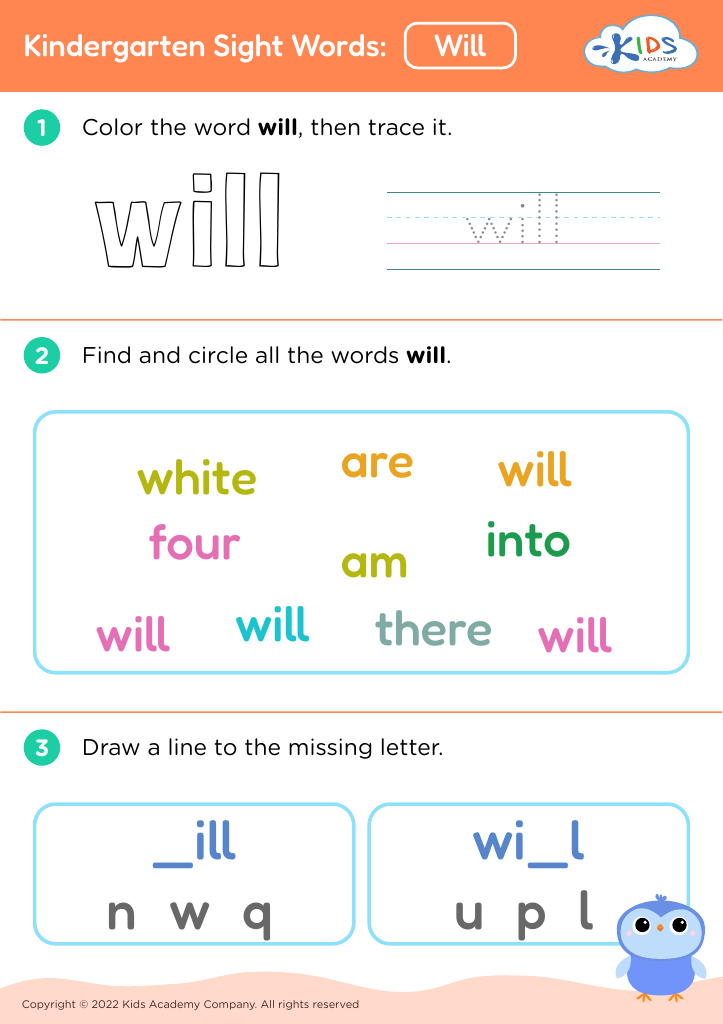
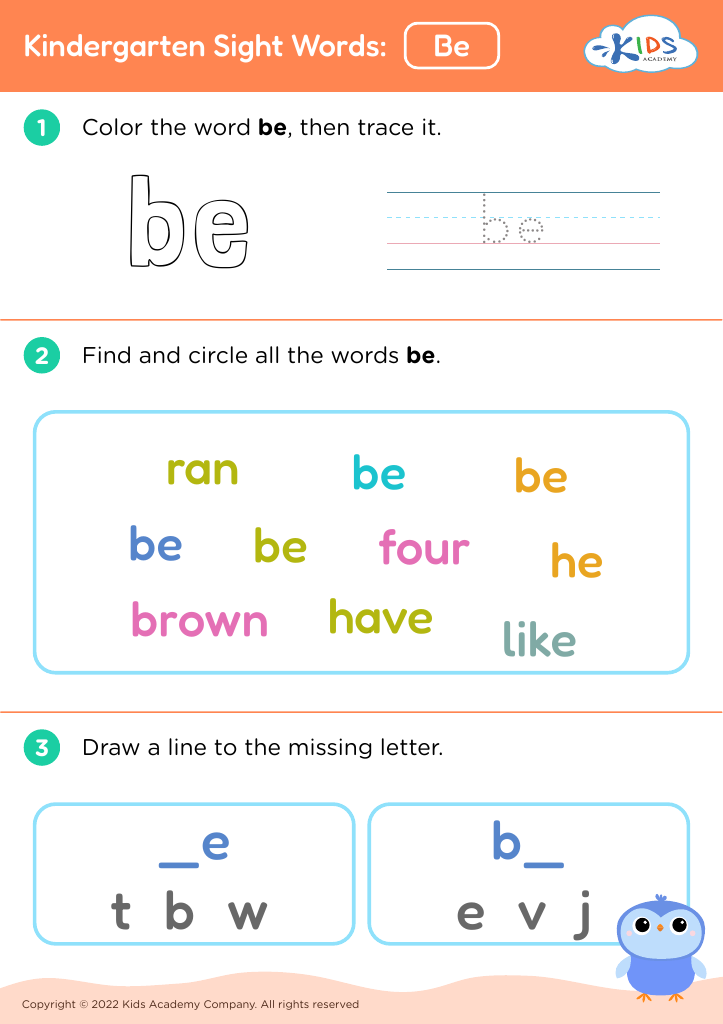








Parents and teachers should care about simplifying fractions and building vocabulary for 4-year-olds because foundational skills in math and language significantly influence a child's overall development and future learning. At this age, children are naturally curious and eager to explore new concepts. Introducing the basics of fractions, such as recognizing halves or quarters, not only familiarizes them with mathematical ideas but also encourages critical thinking and problem-solving skills.
Building vocabulary around fractions promotes language development, helping children articulate their understanding and express their thoughts effectively. Words such as "half," "whole," and "part" become part of their everyday language, allowing them to communicate ideas clearly.
Moreover, engaging in activities that involve fractions can enhance their cognitive abilities as they begin to recognize patterns and make connections to the world around them. Integrating simple fraction concepts into play, like sharing snacks or dividing toys, makes learning enjoyable and tangible.
Ultimately, laying this groundwork early fosters a positive attitude toward math and enriches children's communication skills. By nurturing these abilities, parents and teachers set the stage for a smooth transition to more complex mathematical concepts and effective verbal skills in later years.








