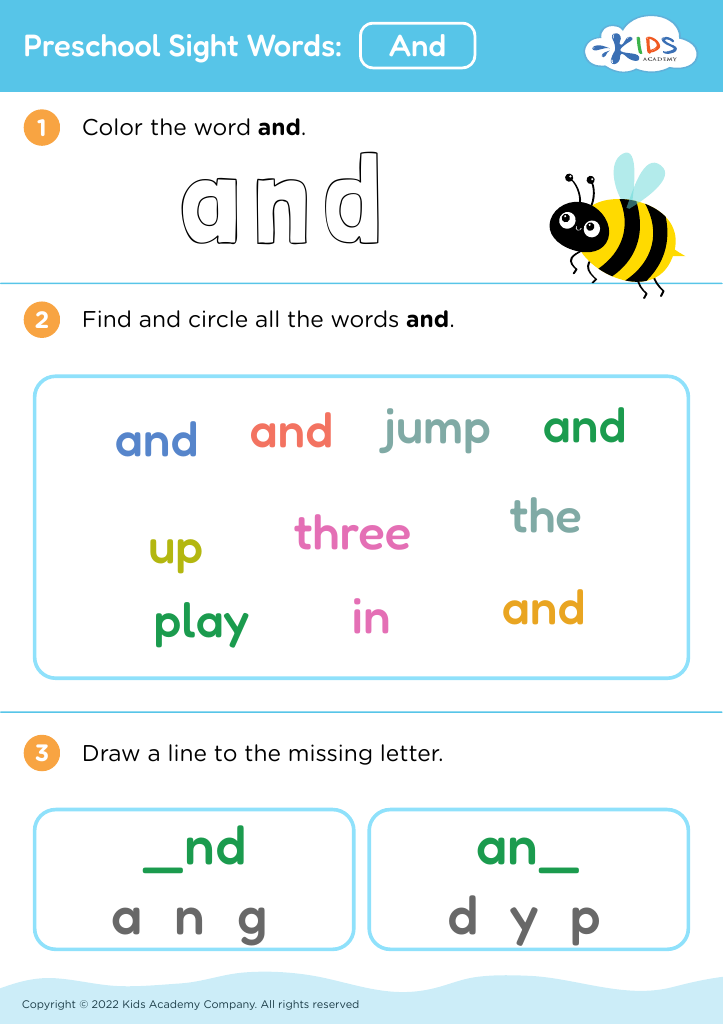
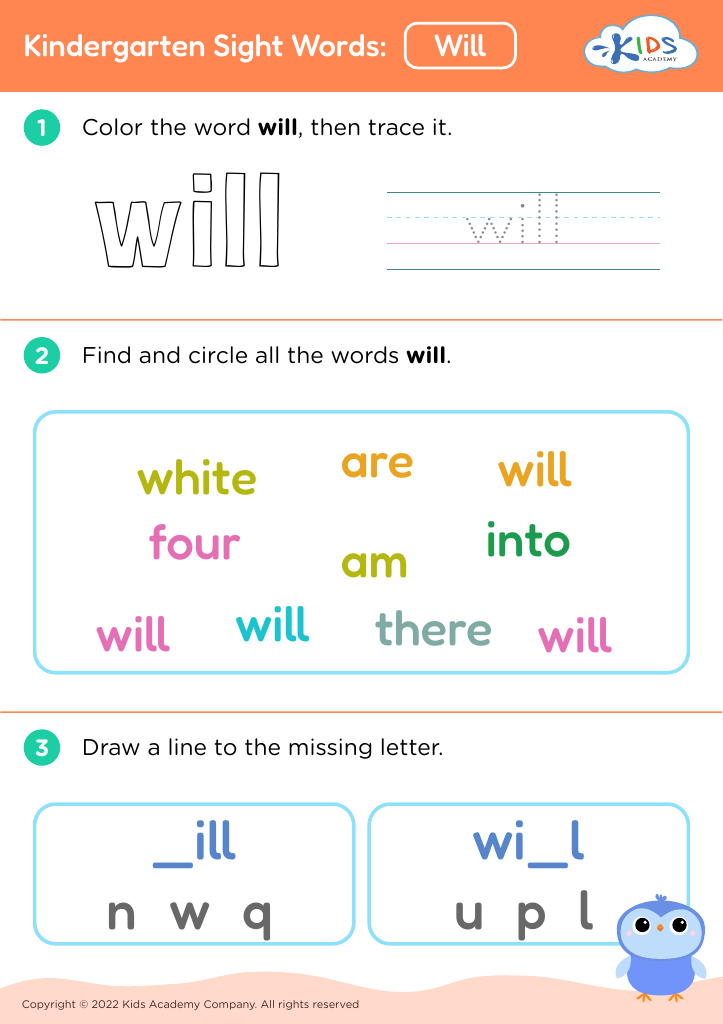
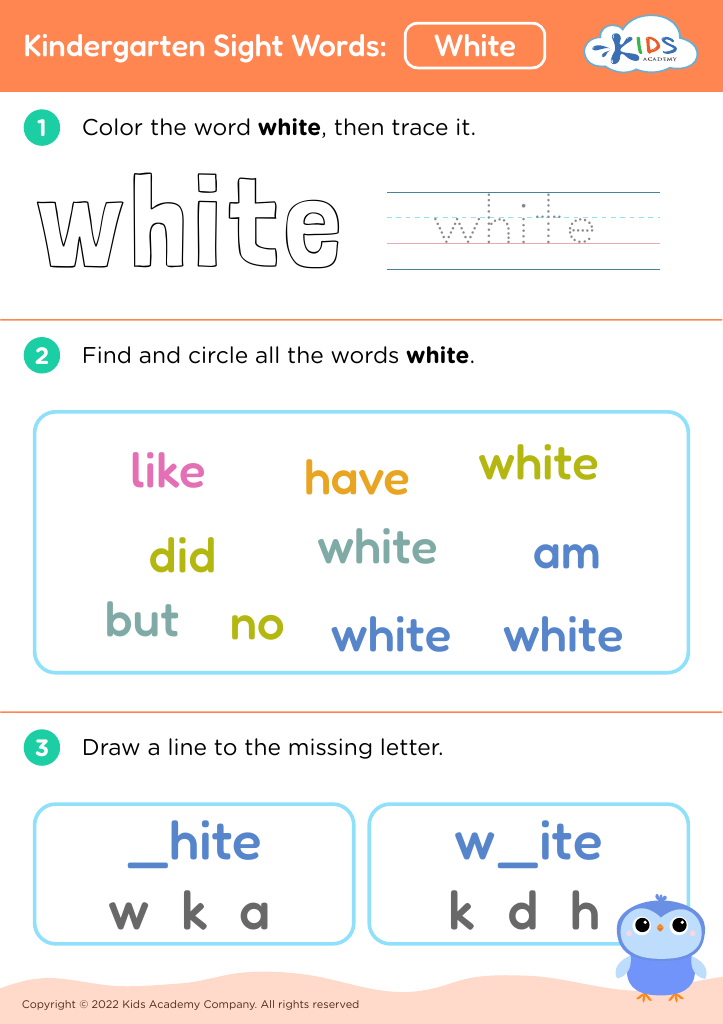
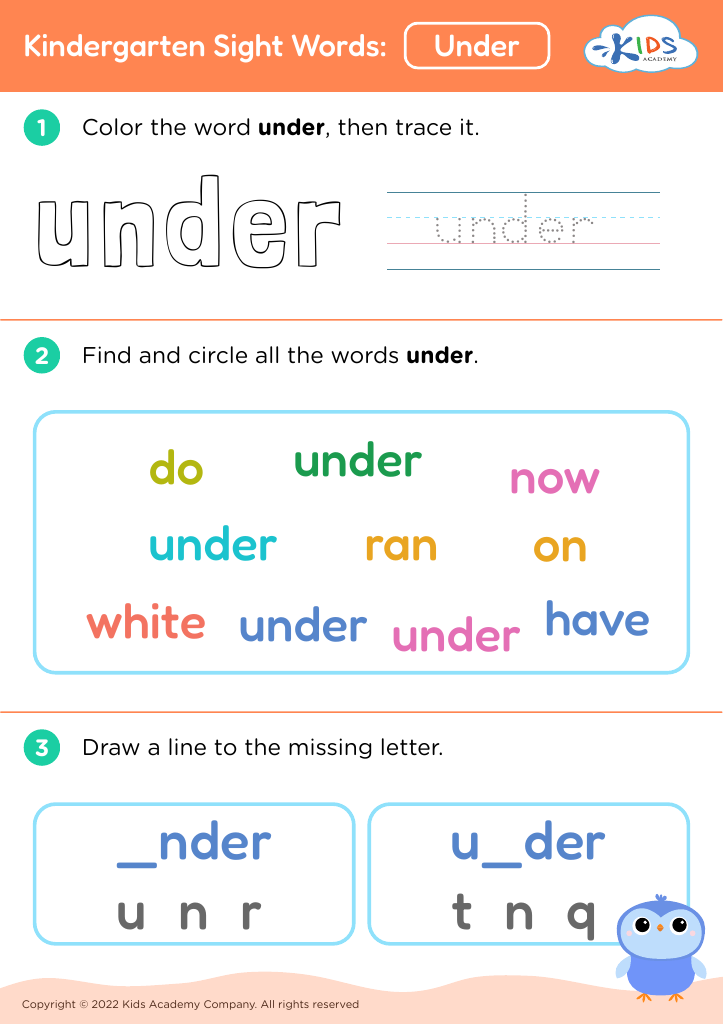
Explore our "Understanding Fractions Building Vocabulary Worksheets" designed specifically for 4-year-olds! These engaging worksheets help young learners grasp the concept of fractions while expanding their vocabulary. Using fun visuals and interactive activities, children will discover how to identify fractions as parts of a whole. Our curriculum supports early mathematical understanding and language development, making abstract concepts more concrete. Parents and teachers can use these resources to enhance learning through play and creativity. Download now to empower your child's educational journey and foster a love for math from a young age! Perfect for home and classroom settings!

Check out this FREE Trial Lesson on Building Vocabulary for age 4!

P

Favorites
With answer key
Interactive
  • 4
  • Understanding fractions
  • Building Vocabulary
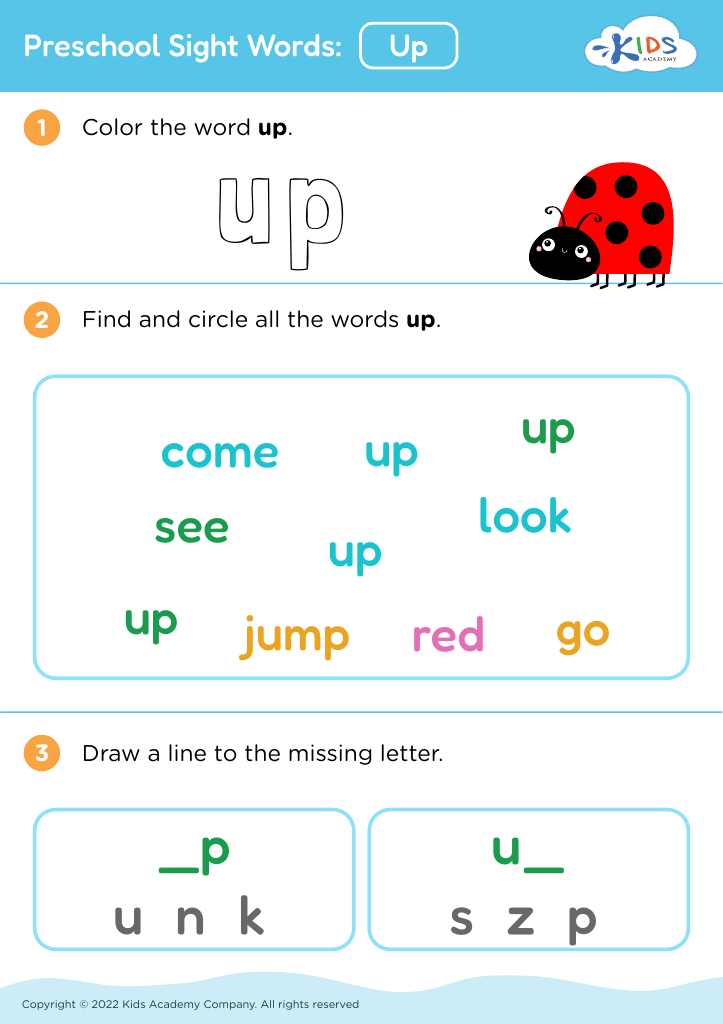
Preschool Sight Words: Up

Preschool Sight Words: Up

Preschool Sight Words: Up
Worksheet
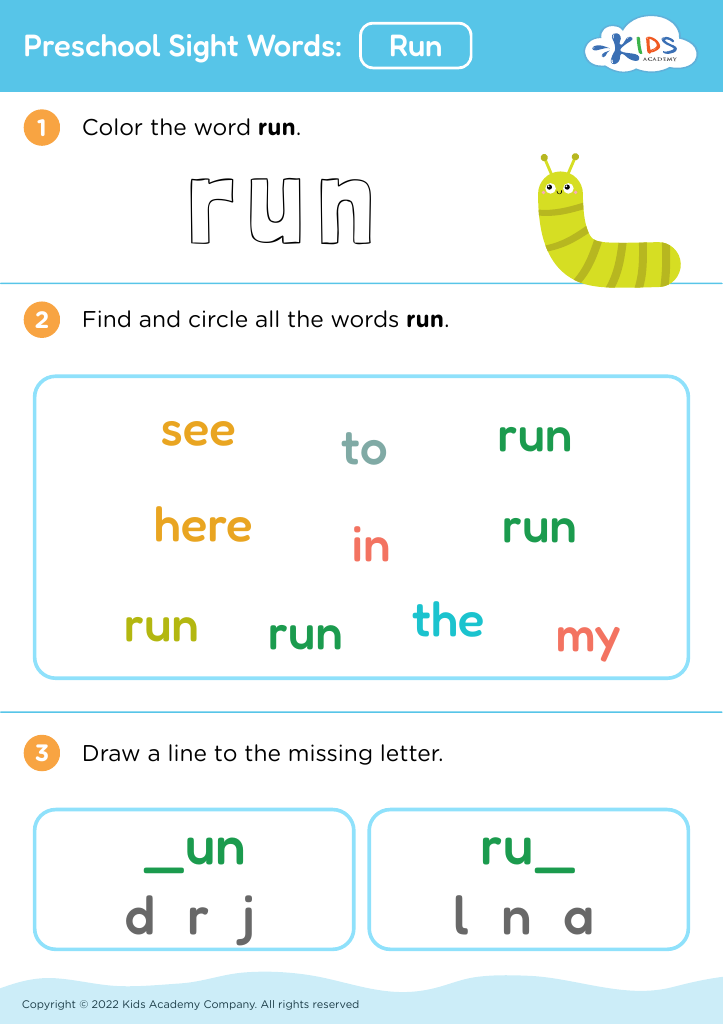
Preschool Sight Words: Run

Preschool Sight Words: Run

Preschool Sight Words: Run
Worksheet
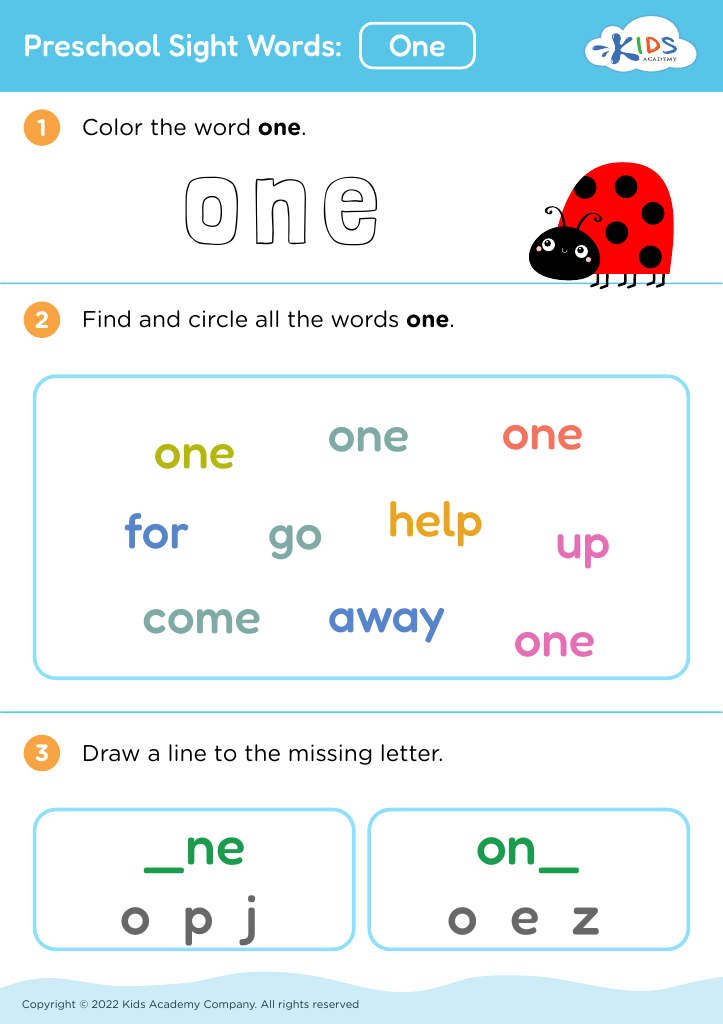
Preschool Sight Words: One

Preschool Sight Words: One

Preschool Sight Words: One
Worksheet
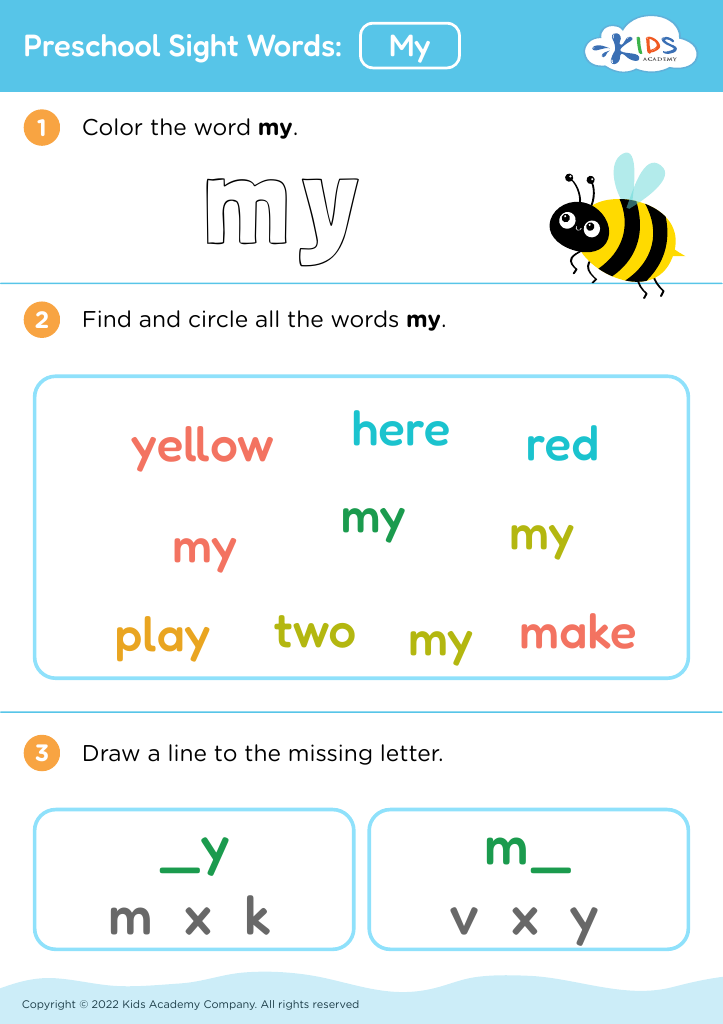
Preschool Sight Words: My

Preschool Sight Words: My

Preschool Sight Words: My
Worksheet
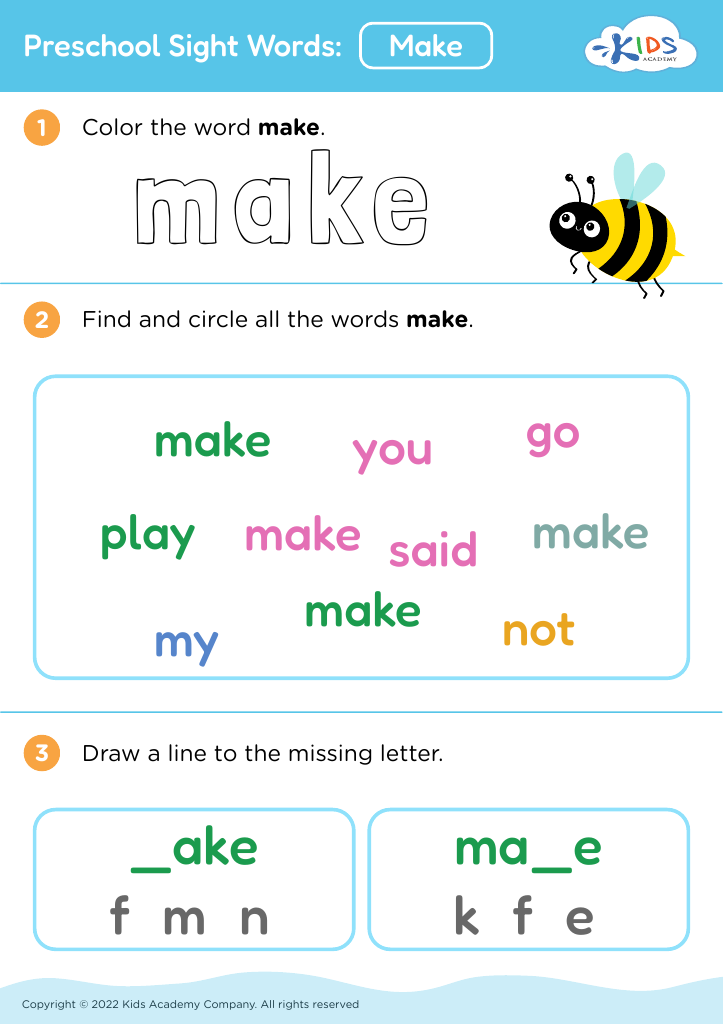
Preschool Sight Words: Make

Preschool Sight Words: Make

Preschool Sight Words: Make
Worksheet
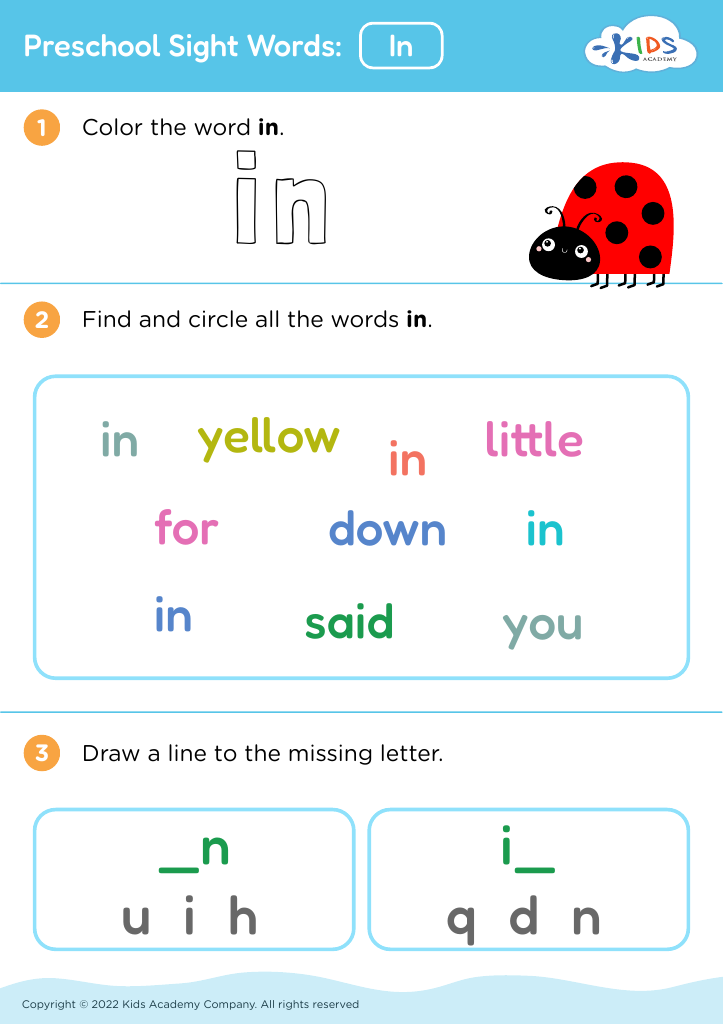
Preschool Sight Words: In

Preschool Sight Words: In

Preschool Sight Words: In
Worksheet
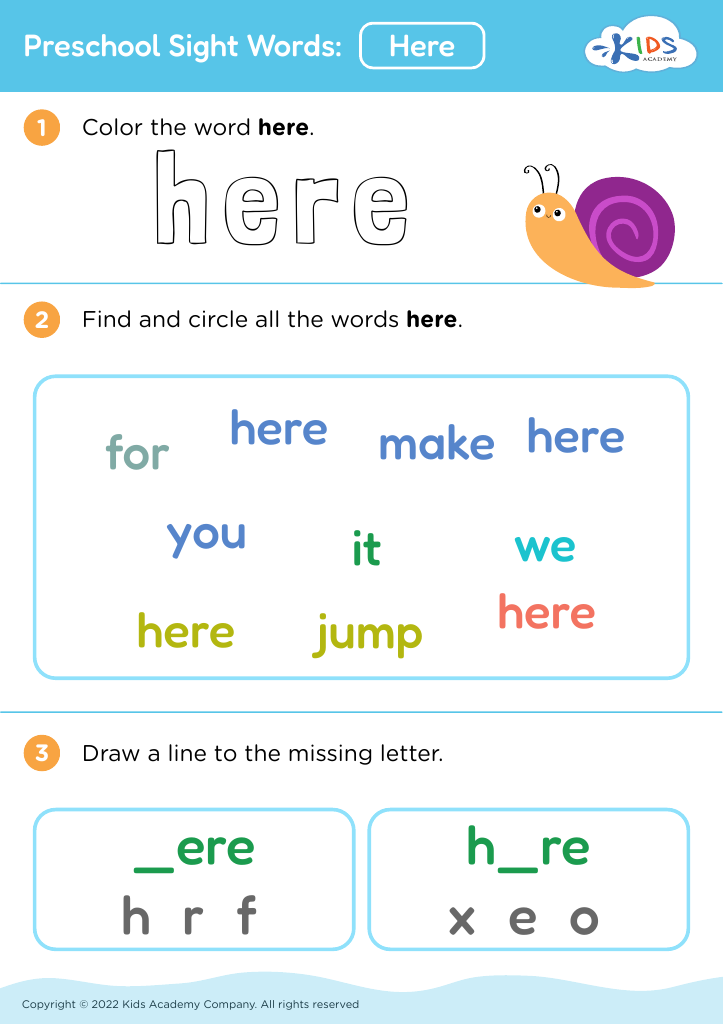
Preschool Sight Words: Here

Preschool Sight Words: Here

Preschool Sight Words: Here
Worksheet
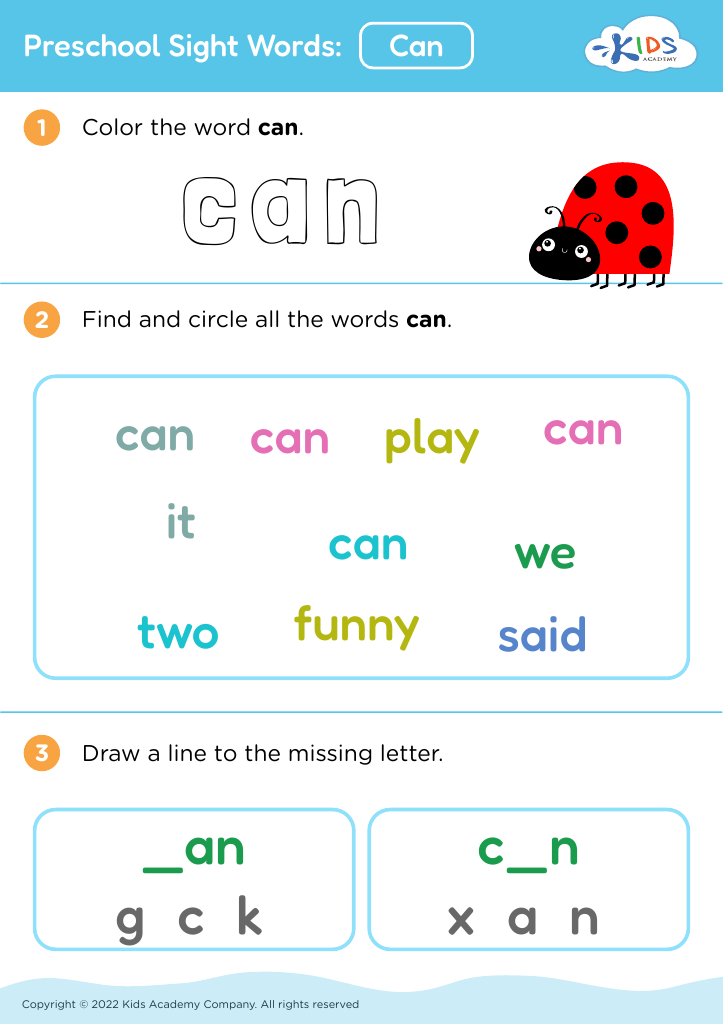
Preschool Sight Words: Can

Preschool Sight Words: Can

Preschool Sight Words: Can
Worksheet
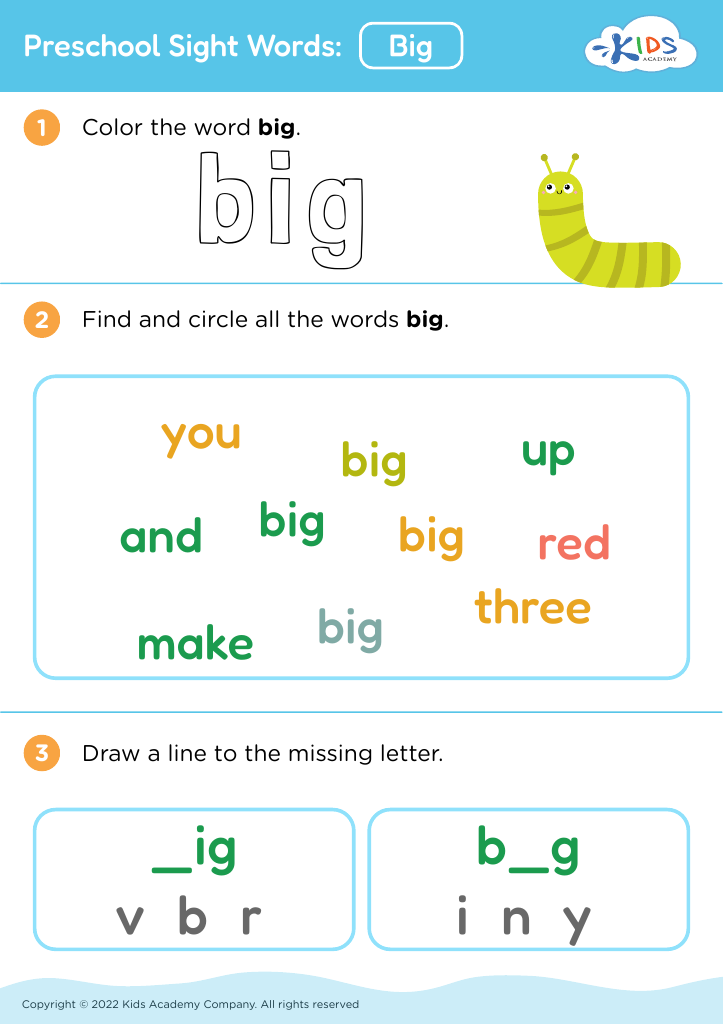
Preschool Sight Words: Big

Preschool Sight Words: Big

Preschool Sight Words: Big
Worksheet
Preschool Sight Words: And

Preschool Sight Words: And

Preschool Sight Words: And
Worksheet
Kindergarten Sight Words: Will

Kindergarten Sight Words: Will

Kindergarten Sight Words: Will
Worksheet
Kindergarten Sight Words: White

Kindergarten Sight Words: White

Kindergarten Sight Words: White
Worksheet
Kindergarten Sight Words: Under

Kindergarten Sight Words: Under

Kindergarten Sight Words: Under
Worksheet
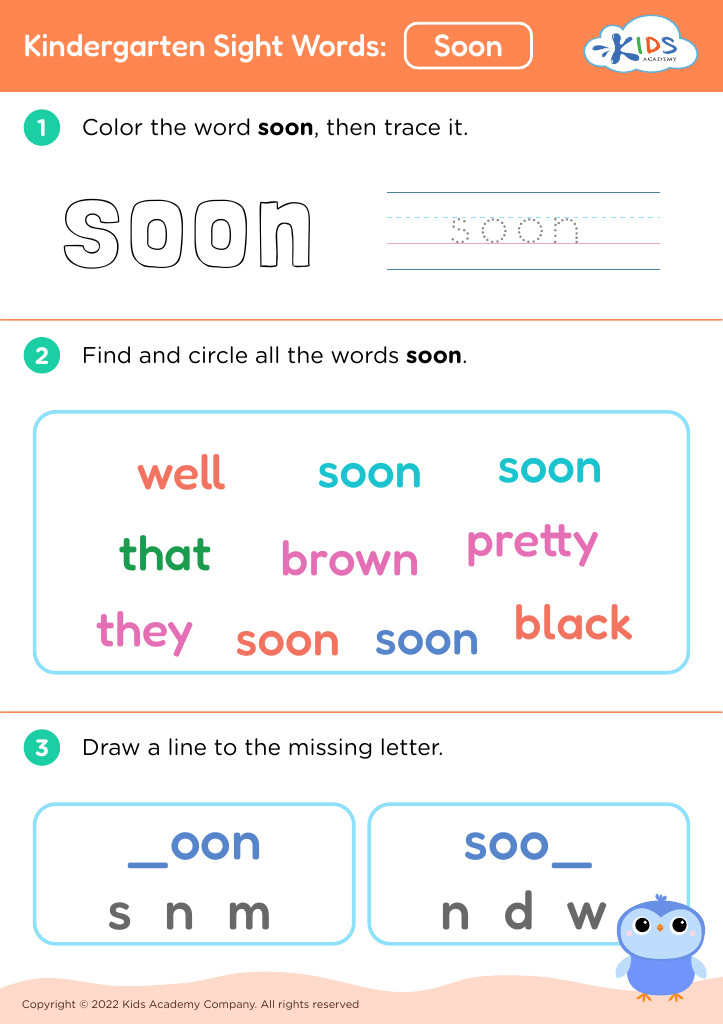
Kindergarten Sight Words: Soon

Kindergarten Sight Words: Soon

Kindergarten Sight Words: Soon
Worksheet
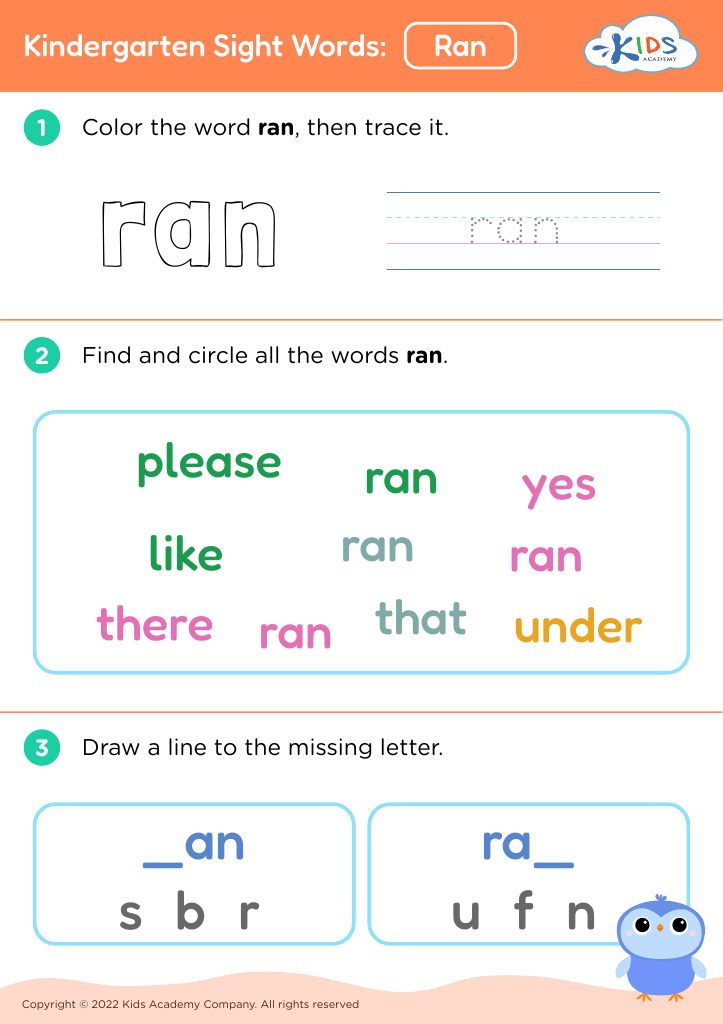
Kindergarten Sight Words: Ran

Kindergarten Sight Words: Ran

Kindergarten Sight Words: Ran
Worksheet
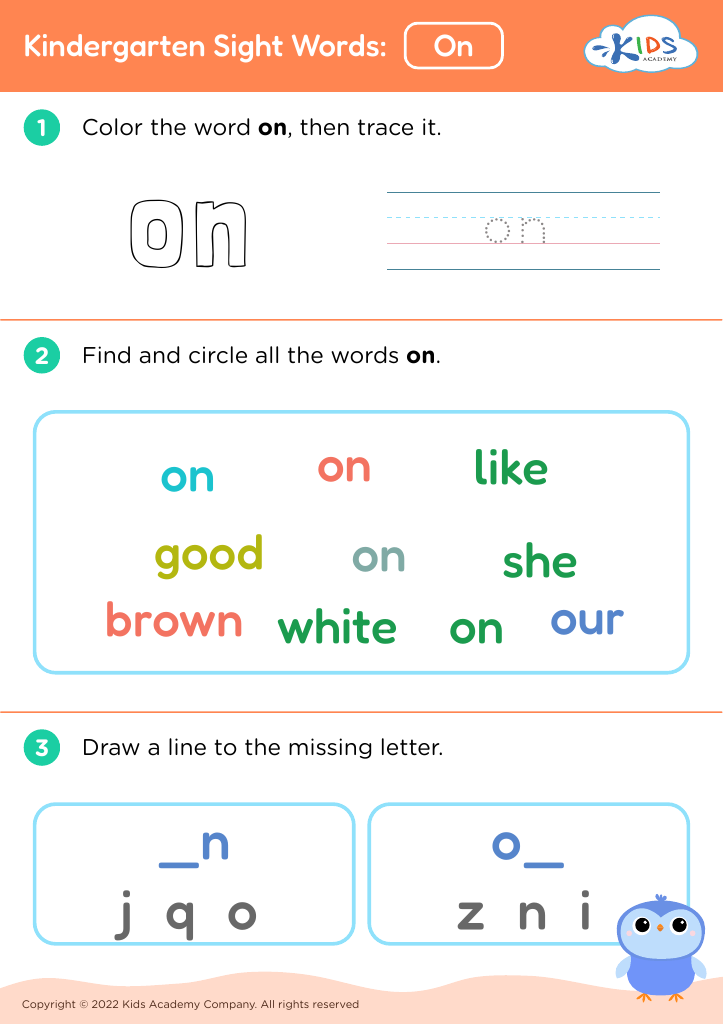
Kindergarten Sight Words: On

Kindergarten Sight Words: On

Kindergarten Sight Words: On
Worksheet
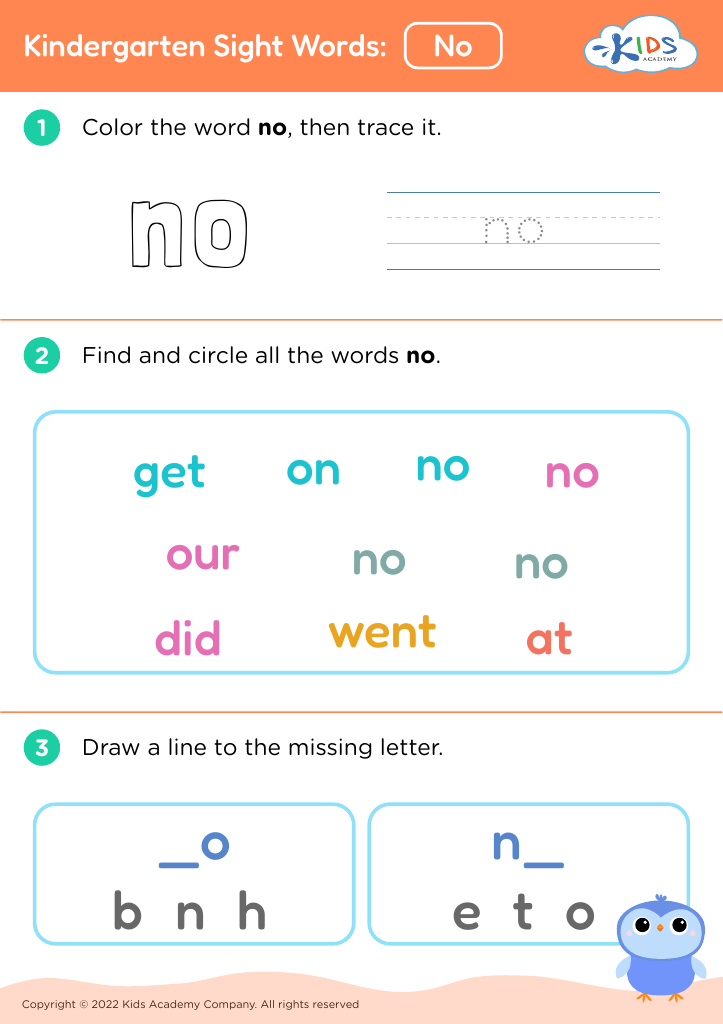
Kindergarten Sight Words: No

Kindergarten Sight Words: No

Kindergarten Sight Words: No
Worksheet
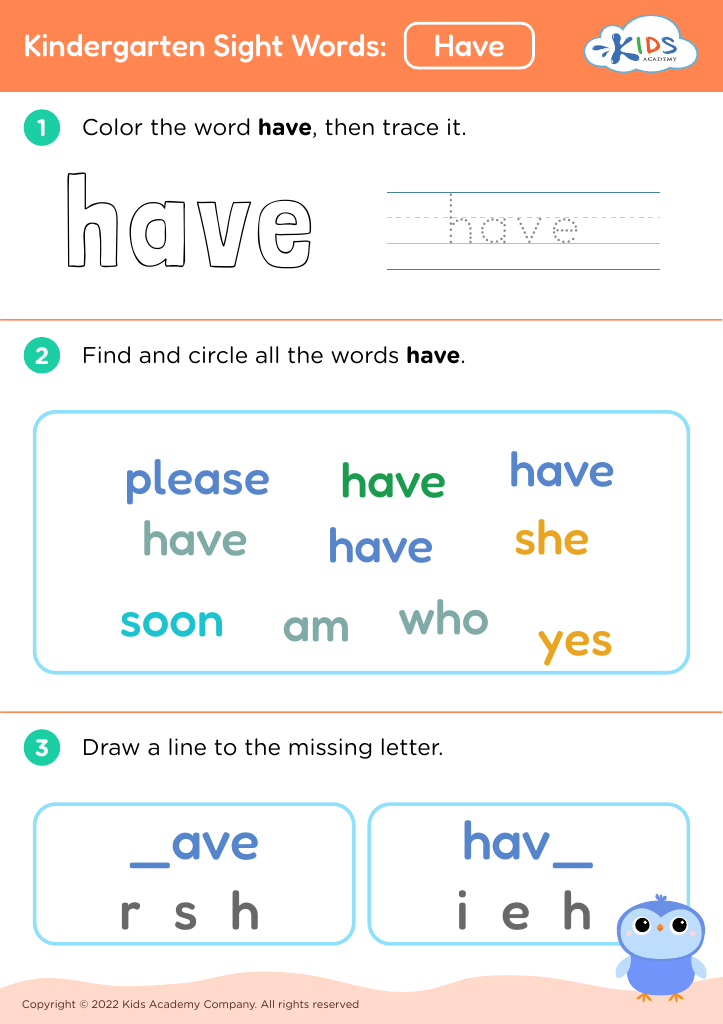
Kindergarten Sight Words: Have

Kindergarten Sight Words: Have

Kindergarten Sight Words: Have
Worksheet
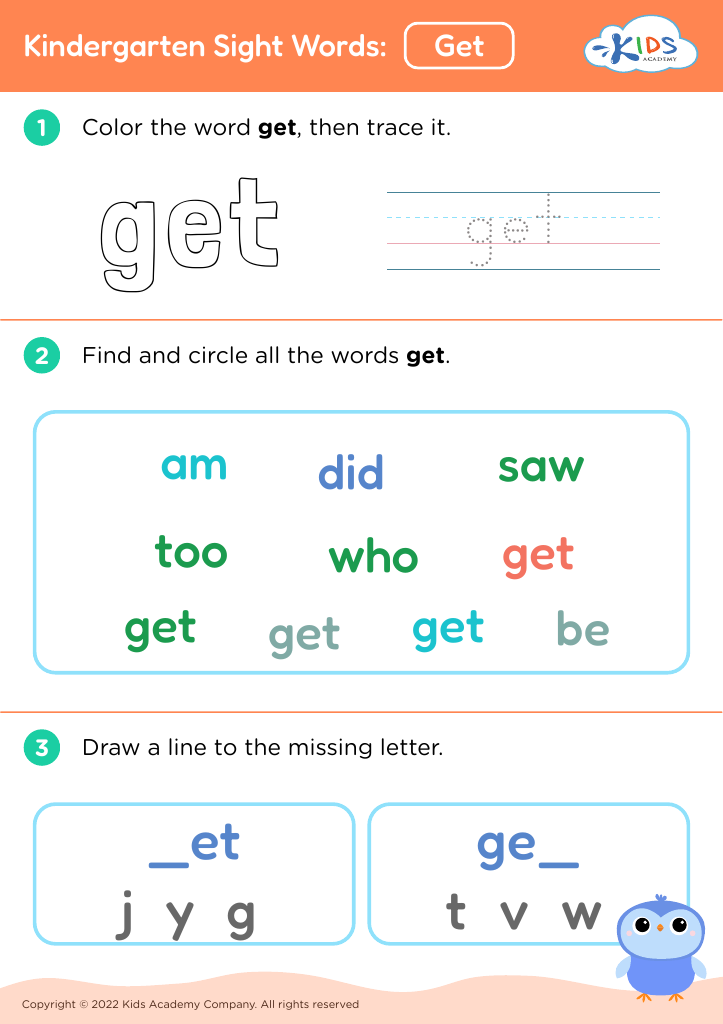
Kindergarten Sight Words: Get

Kindergarten Sight Words: Get

Kindergarten Sight Words: Get
Worksheet
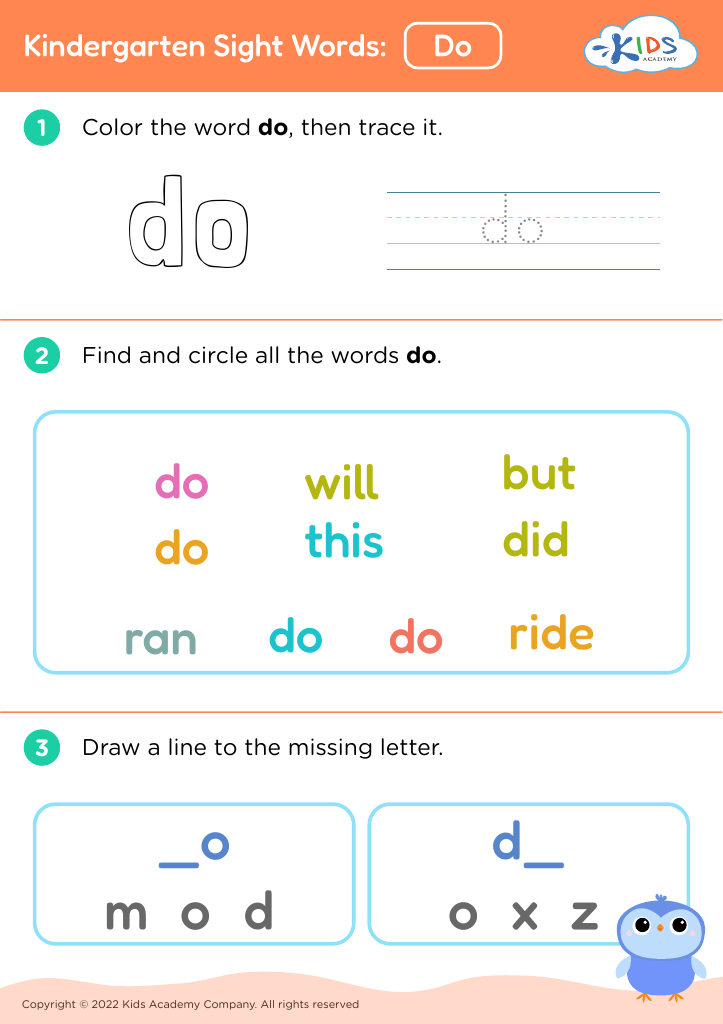
Kindergarten Sight Words: Do

Kindergarten Sight Words: Do

Kindergarten Sight Words: Do
Worksheet
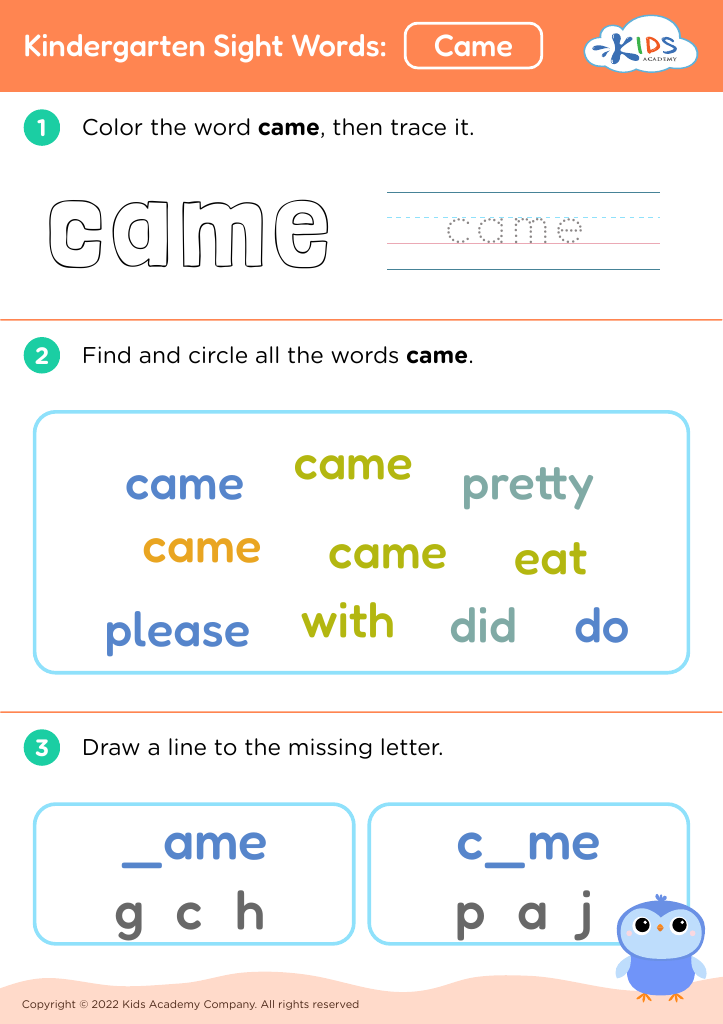
Kindergarten Sight Words: Came

Kindergarten Sight Words: Came

Kindergarten Sight Words: Came
Worksheet
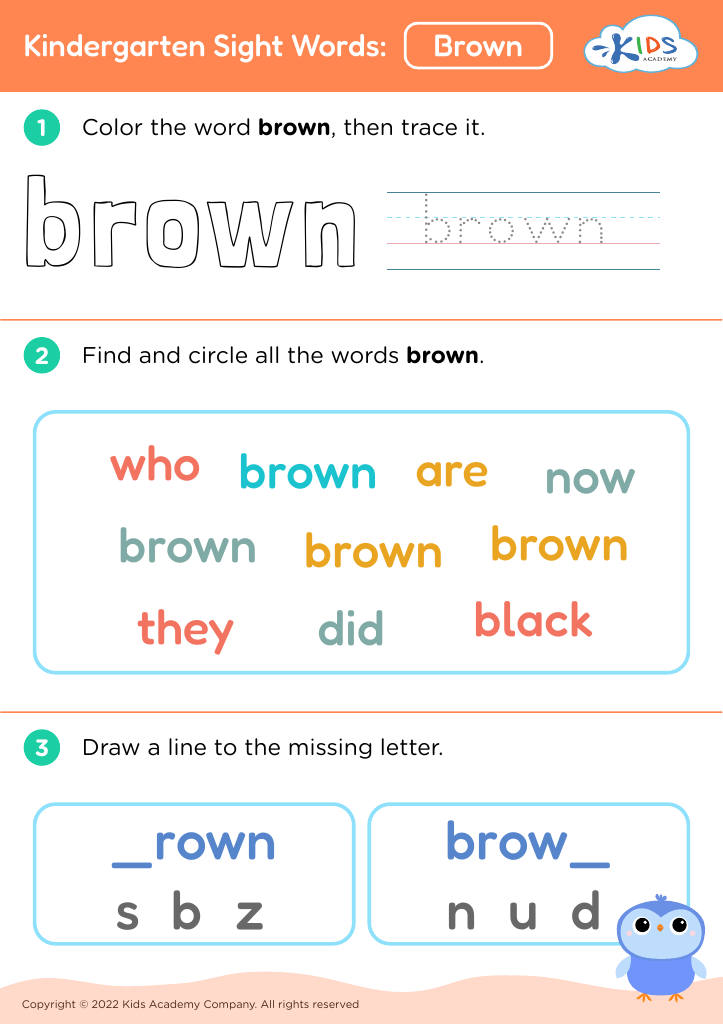
Kindergarten Sight Words: Brown

Kindergarten Sight Words: Brown

Kindergarten Sight Words: Brown
Worksheet
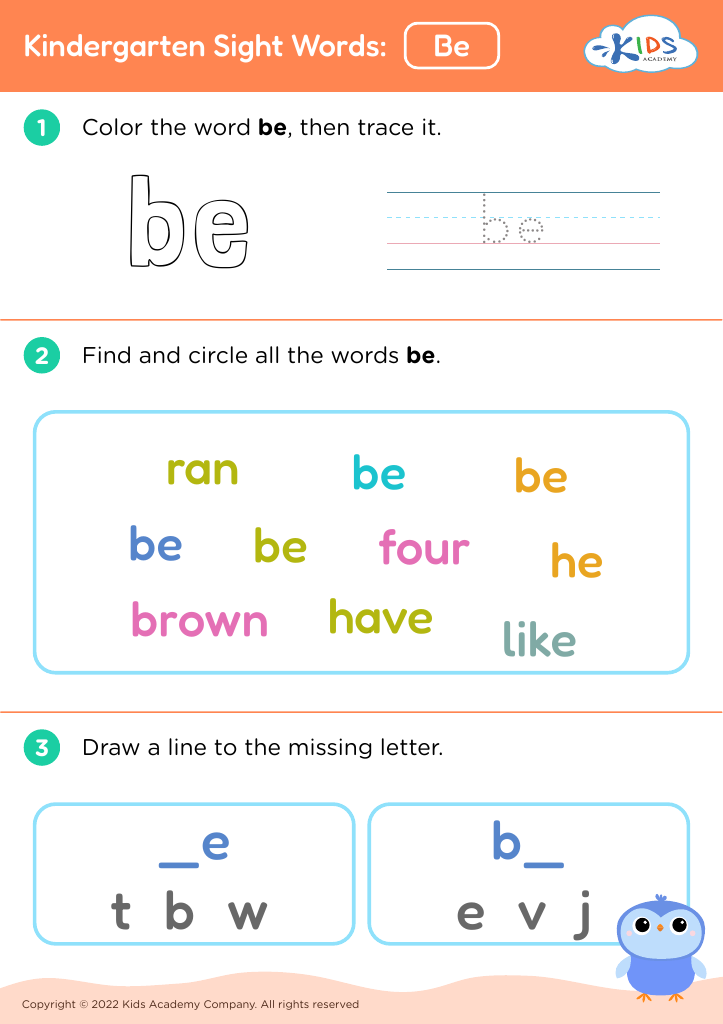
Kindergarten Sight Words: Be

Kindergarten Sight Words: Be

Kindergarten Sight Words: Be
Worksheet
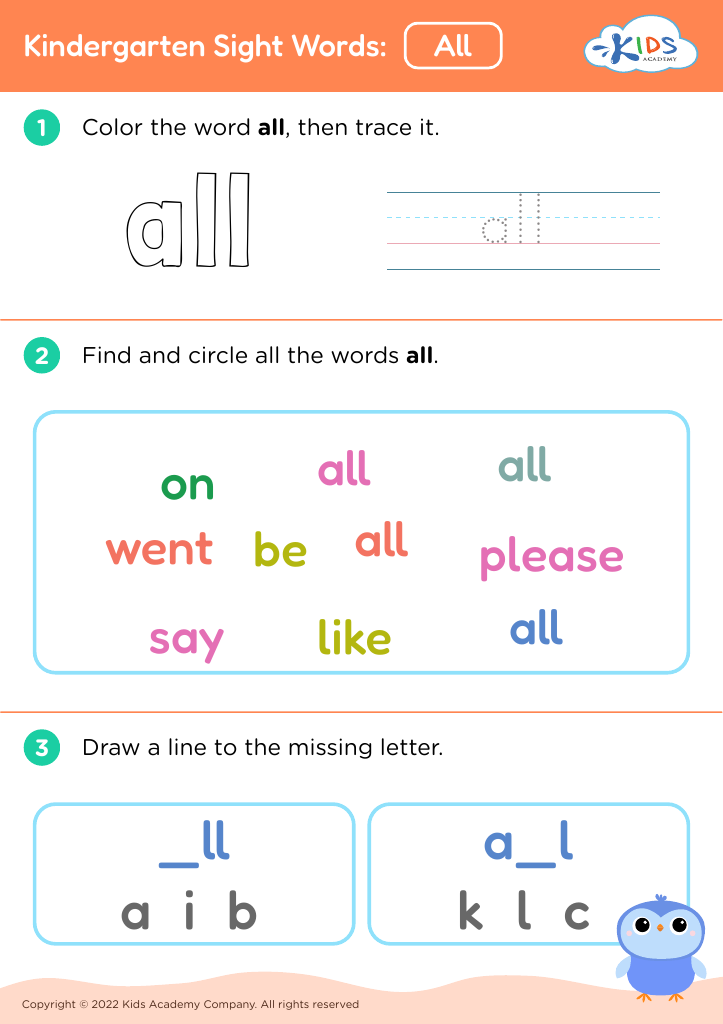
Kindergarten Sight Words: All

Kindergarten Sight Words: All

Kindergarten Sight Words: All
Worksheet


Understanding fractions and building vocabulary in 4-year-olds is crucial for several reasons. First, early exposure to mathematical concepts like fractions sets a strong foundation for future learning. When children grasp the idea of parts of a whole, they develop critical thinking skills and begin to understand relationships between numbers—insights necessary for more complex math in later years.

Moreover, vocabulary development is equally important during early childhood. At age four, children are rapidly expanding their language skills, and a rich vocabulary enhances their ability to communicate and express ideas. Introducing terms related to fractions, such as "half," "quarter," and "whole," alongside everyday activities—like sharing snacks or dividing toys—makes learning enjoyable and relatable.

When parents and teachers collaborate to integrate these concepts into play and everyday situations, they foster a stimulating environment. This holistic approach not only nurtures mathematical understanding but also enhances literacy skills, encouraging a love for both subjects. Ultimately, by prioritizing fractions and vocabulary, adults can equip children with essential tools for academic success, paving the way for confident learners who can tackle more advanced concepts in the future.