
Understanding patterns Building Vocabulary Worksheets for 4-Year-Olds
4 filtered results
Difficulty Level
Grade
Age
-
From - To
Subject
Activity
Standards
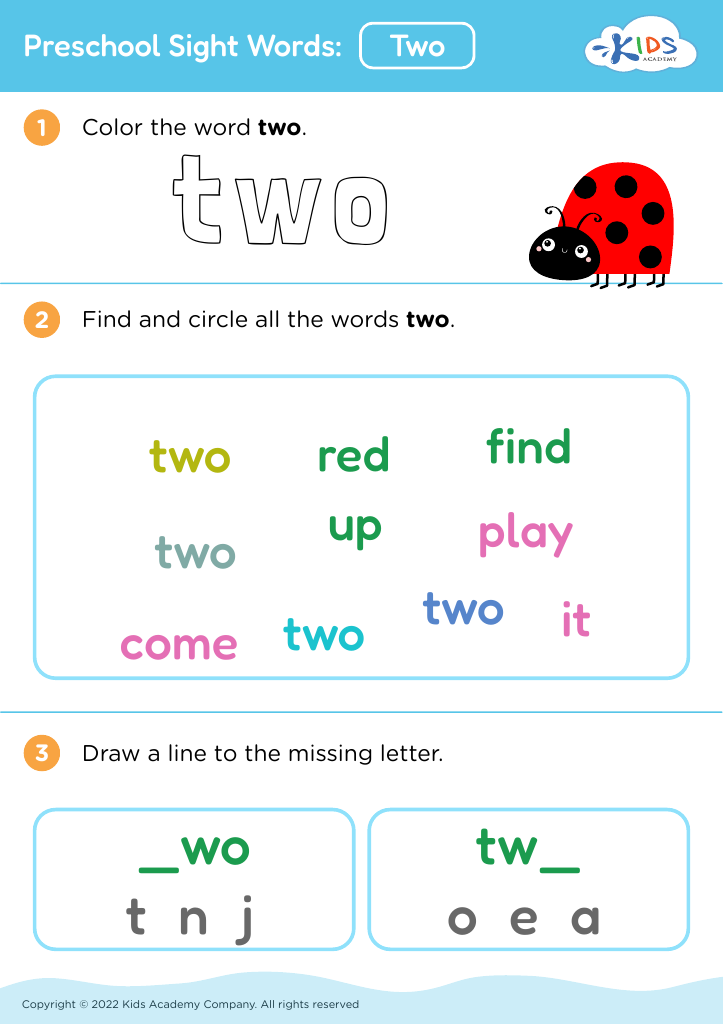
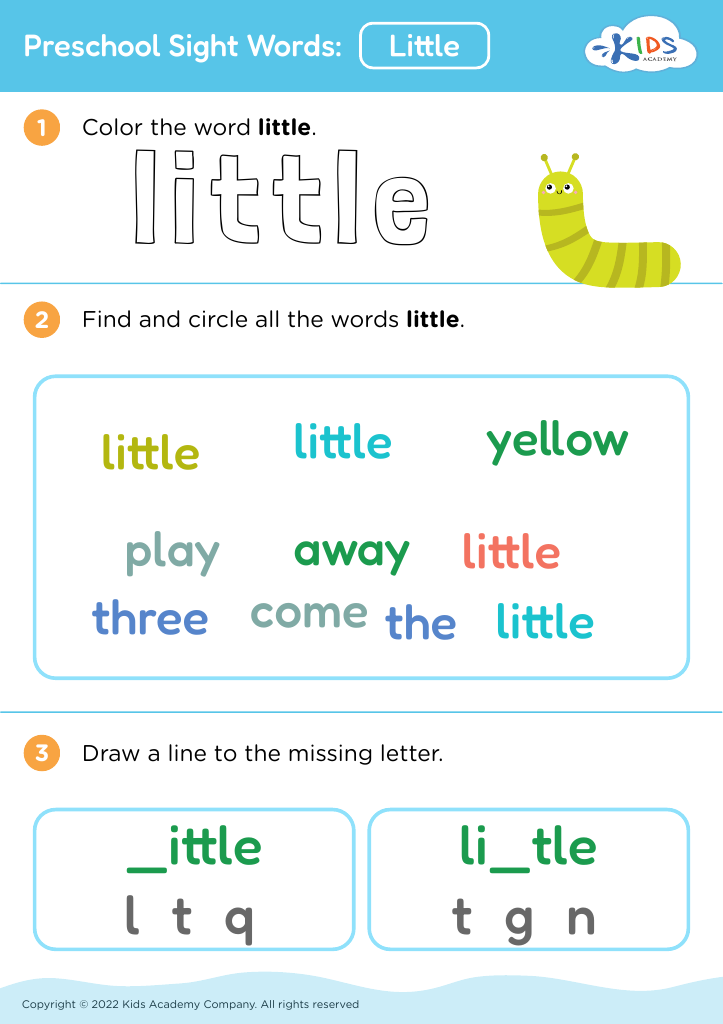
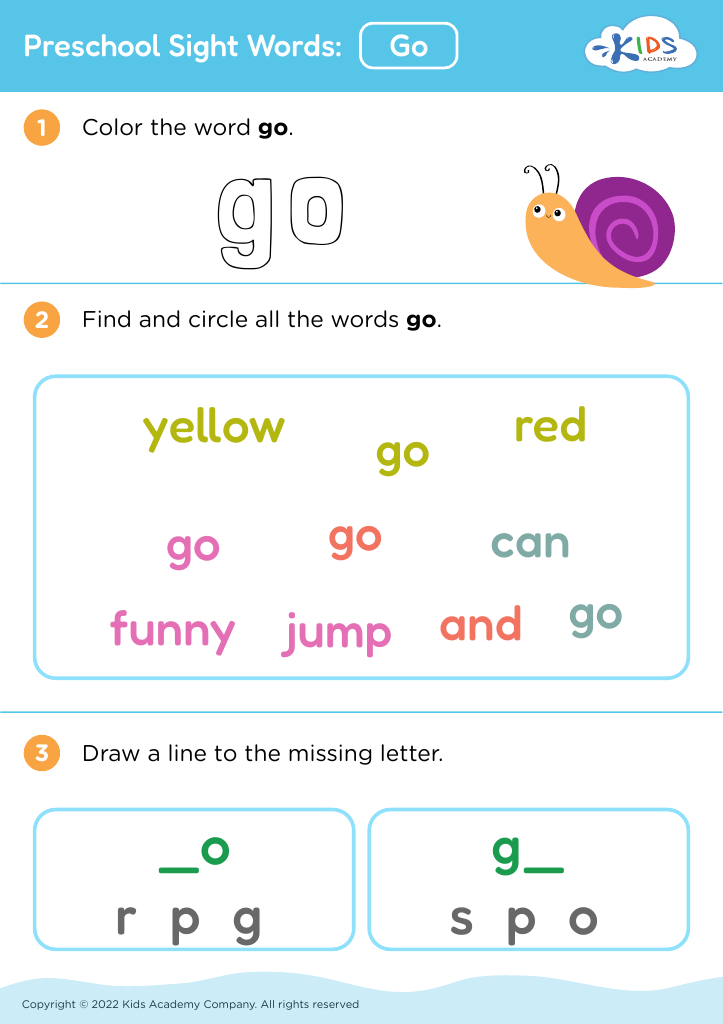
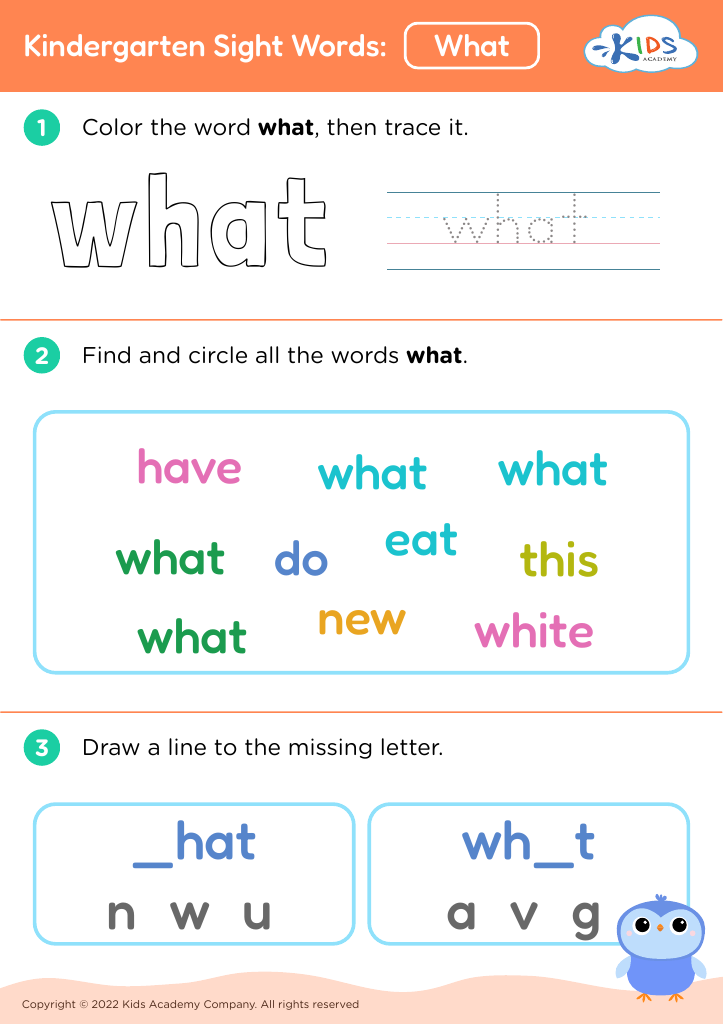
Introducing our "Understanding Patterns: Building Vocabulary Worksheets for 4-Year-Olds" designed to ignite young learners' literacy journey! Our engaging worksheets focus on developing essential reading skills through the exploration of patterns. Kids will enjoy interactive activities that enhance their vocabulary while nurturing their ability to recognize and predict patterns in language and imagery. Tailored for preschoolers, these fun exercises promote critical thinking and reinforce foundational skills necessary for future learning. Help your child build confidence and enthusiasm for reading with our thoughtfully crafted materials, making learning an enjoyable experience. Explore our resources and watch your child's vocabulary flourish!
Favorites
With answer key
Interactive











Join Kids Academy for Free
Who is primarily going to use this learning content?








Understanding patterns and building vocabulary are essential components of early childhood education, and they play a crucial role in a child's cognitive and language development. For four-year-olds, recognizing patterns helps children make sense of the world around them by identifying similarities and differences. This skill lays the foundation for problem-solving and critical thinking as they begin to categorize their experiences, leading to better reasoning abilities in later years.
Building vocabulary is equally significant, as it enhances a child's communication skills and comprehension. A rich vocabulary is not only vital for expressing feelings and ideas but also for understanding instructions, stories, and conversations. The more words children learn, the more they can engage with their environment, fostering their intellectual growth.
As educators and parents engage children in activities that focus on patterns and vocabulary—such as storytelling, singing, or simple games—they create opportunities for rich language experiences and stimulate curiosity. This targeted developmental approach helps prepare children for future academic success and instills a joy for learning. By prioritizing these areas, parents and teachers can nurture confident, articulate, and thoughtful individuals, equipping them with vital tools for lifelong learning.








