Addition Practice Reading Worksheets for 4-Year-Olds
3 filtered results
-
From - To
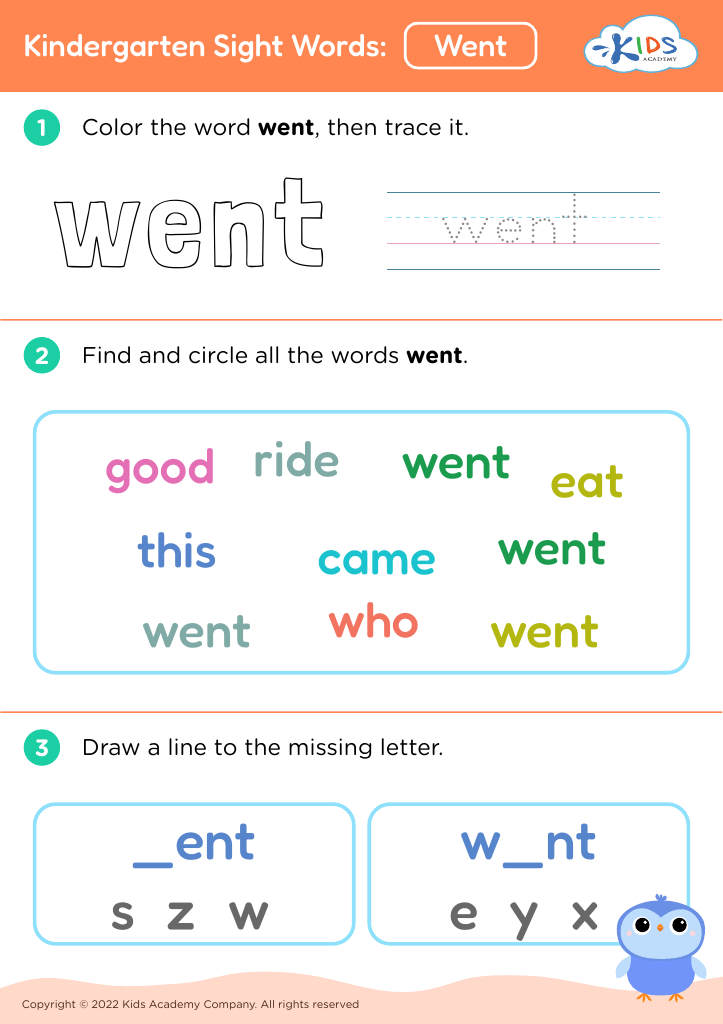
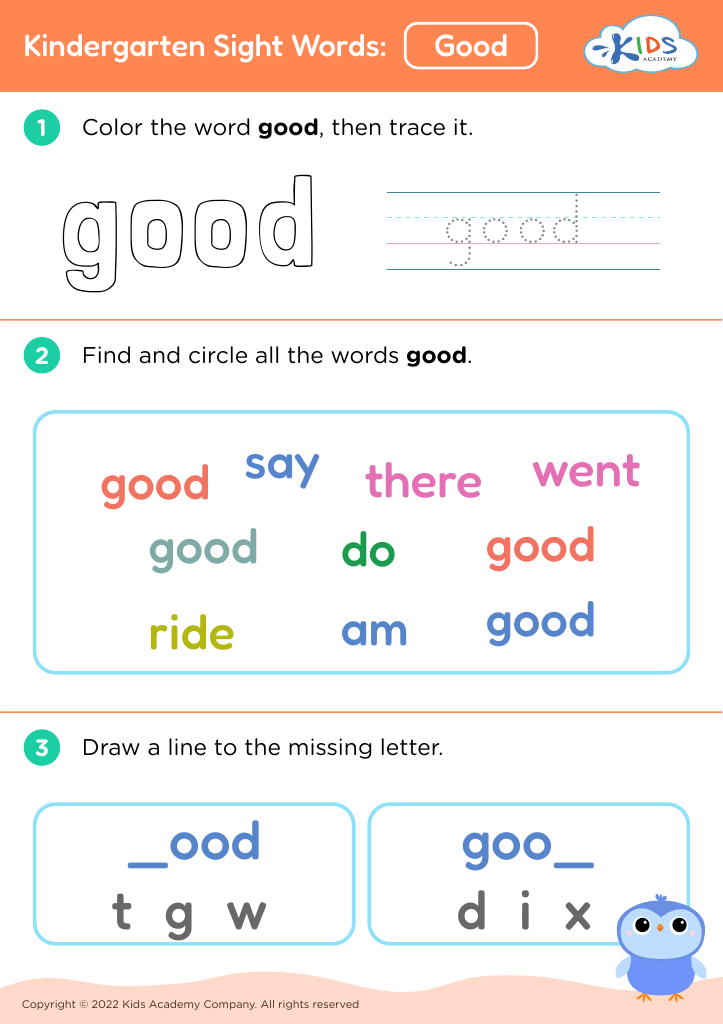
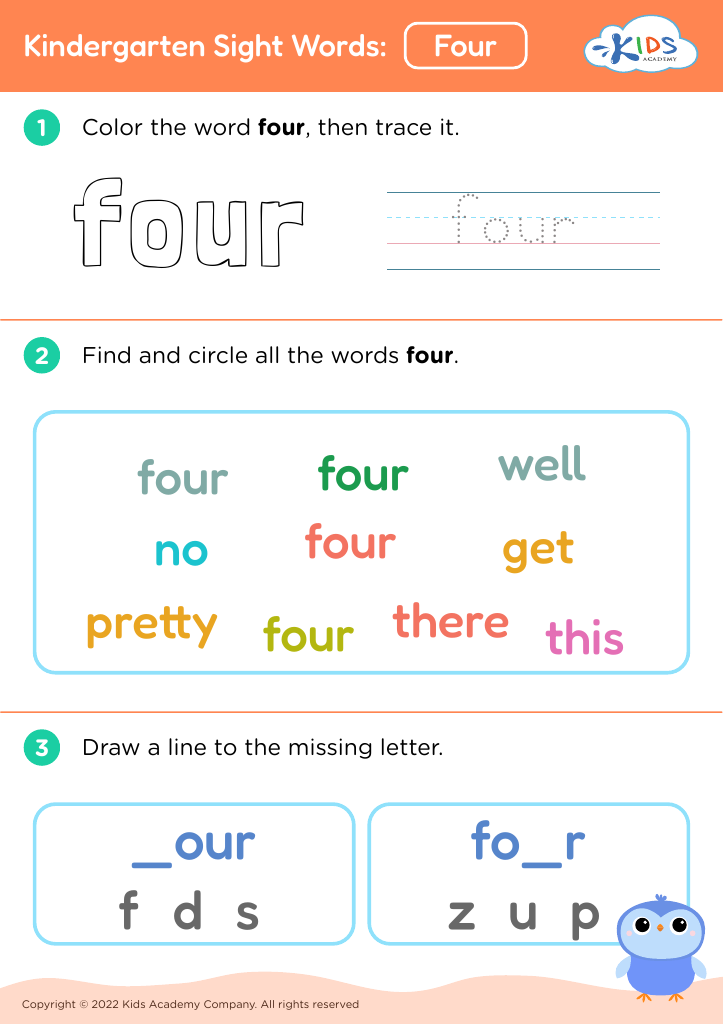
Our Addition Practice Reading Worksheets for 4-Year-Olds are carefully designed to reinforce foundational math skills while nurturing a love for reading. These engaging, age-appropriate worksheets combine fun illustrations with simple addition exercises to help preschoolers build confidence in their mathematical abilities. By integrating reading elements, kids enhance their literacy skills while solving basic problems. Suitable for both classroom and at-home learning, our worksheets provide a delightful and educational experience that promotes critical thinking and early math proficiency. Set your child on a path of numeracy success with our expertly crafted addition practice resources!






.jpg)

Addition practice reading for 4-year-olds is essential as it lays the foundational stones for mathematical understanding and literacy skills. At this developmental stage, children's brains are highly receptive to new information, making it a prime time for introducing basic mathematical concepts in engaging and enjoyable ways. Introducing addition through practice reading can help cultivate a strong number sense, which is crucial for further math readiness and cognitive development.
Moreover, intertwining reading and math practice enhances overall language skills and comprehension. Story problems involving addition weave mathematical learning into narratives, making it easier for children to relate the concepts to real-life scenarios. This multimodal learning approach not only fosters an early interest in math and reading but also aids in better retention and understanding of both subjects.
Parental and teacher involvement in this learning process also provides an invaluable opportunity for building a positive attitude toward learning. Encouragement and positive reinforcement from adults can provoke excitement and curiosity in children, turning learning into a fun and rewarding activity rather than an obligatory task. Ultimately, systematic and playful addition practice reading prepares children for more complex academic challenges, ensuring they have the necessary skills and confidence to succeed in school and beyond.








