Critical Thinking Reading Worksheets for 4-Year-Olds - Page 2
28 filtered results
-
From - To
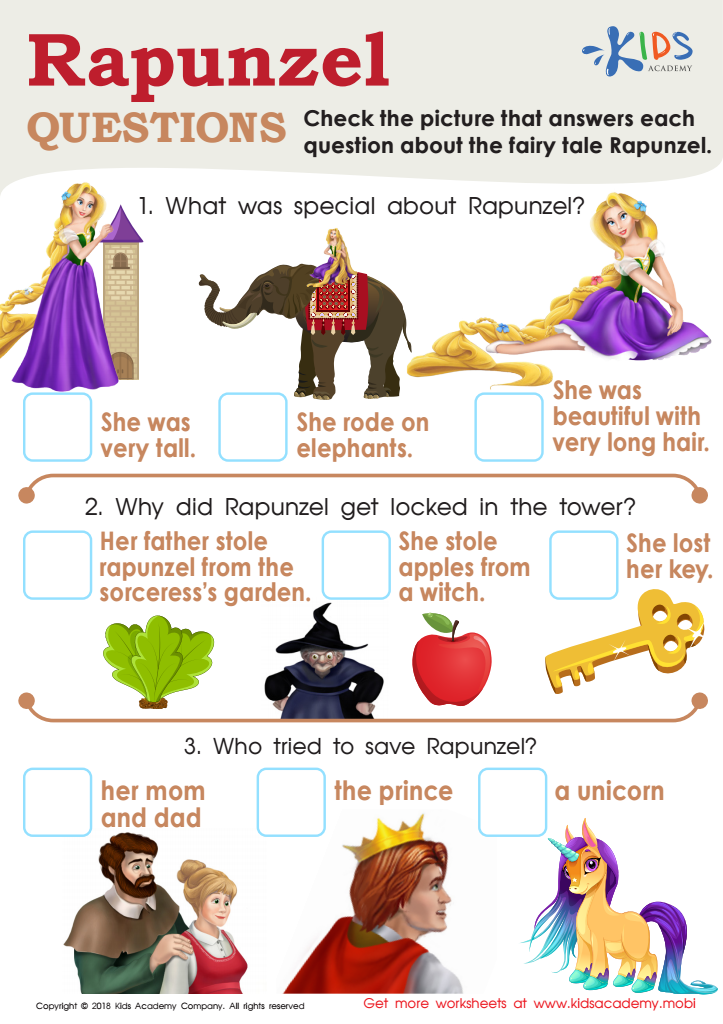
Rapunzel Questions Worksheet
 Assign to My Students
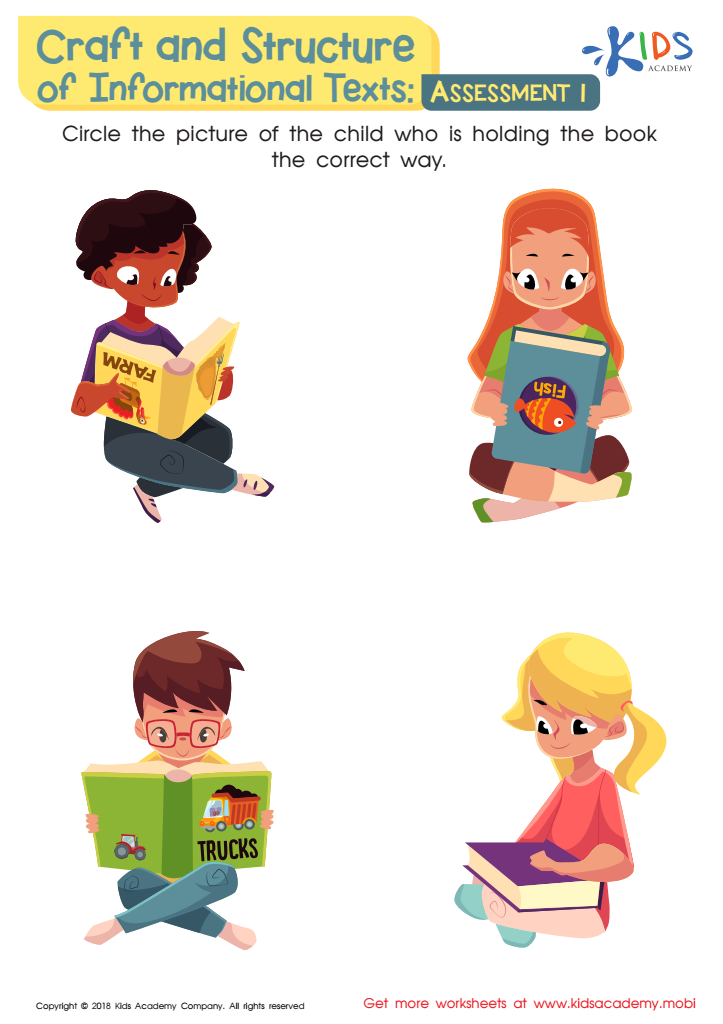
Craft and Structure of Informational Texts: Assessment 1 Worksheet
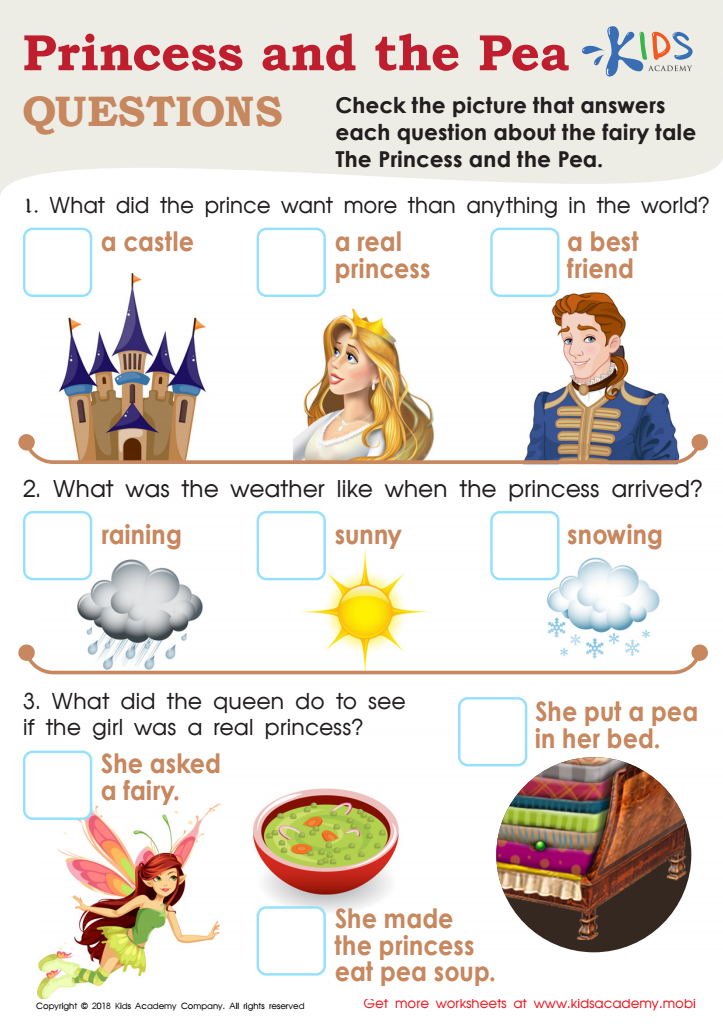
Princess and the Pea Questions Worksheet
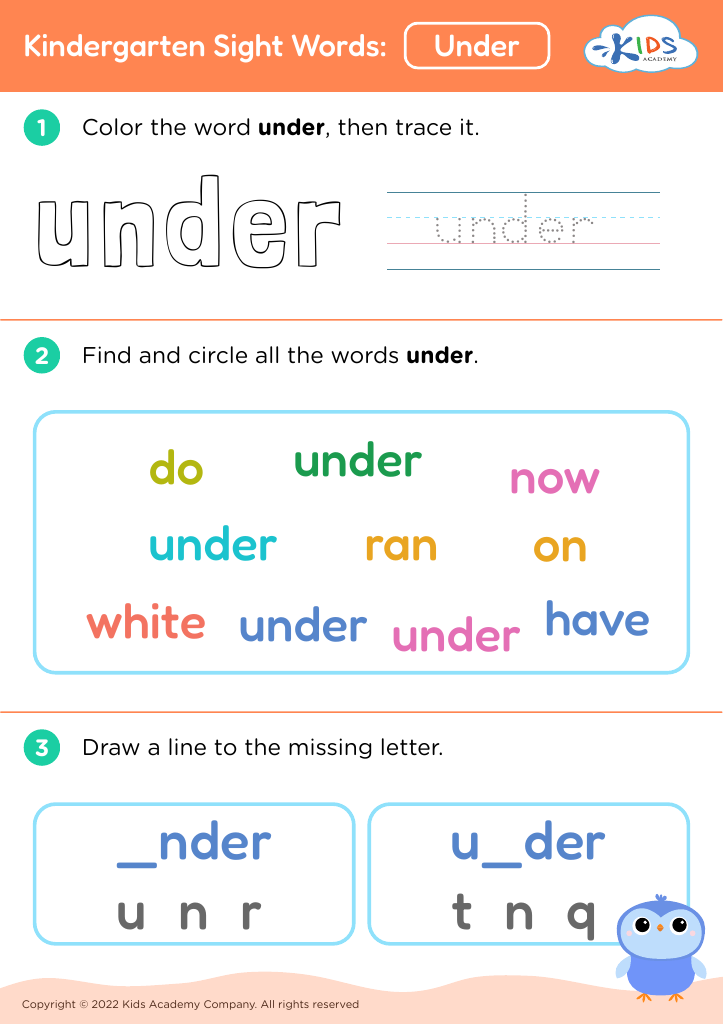



.jpg)




Critical Thinking Reading is vital for 4-year-olds as it lays the foundation for cognitive development and lifelong learning. At this age, children are naturally curious and eager to understand the world around them. Encouraging critical thinking through reading helps them develop key skills such as analysis, evaluation, and comprehension.
When parents and teachers focus on critical thinking reading, they are teaching children to ask questions, make connections, and draw conclusions from the stories and information presented to them. This engagement fosters a deeper understanding of texts, enhancing their ability to grasp complex concepts later in life. Moreover, critical thinking in reading aids language development, as children learn to express their thoughts and ideas more coherently.
Furthermore, critical thinking reading promotes emotional intelligence. By discussing the motivations and feelings of characters in stories, children learn empathy, enhancing their social skills and relationships with peers.
In an ever-complex world, these foundational skills are essential. By prioritizing critical thinking reading, parents and teachers equip children with the tools necessary for academic success and personal growth, making it an essential component of early childhood education. Ultimately, fostering critical thinking at a young age cultivates inquisitive and confident learners.








