Recognizing shapes Reading Worksheets for 4-Year-Olds
5 filtered results
-
From - To
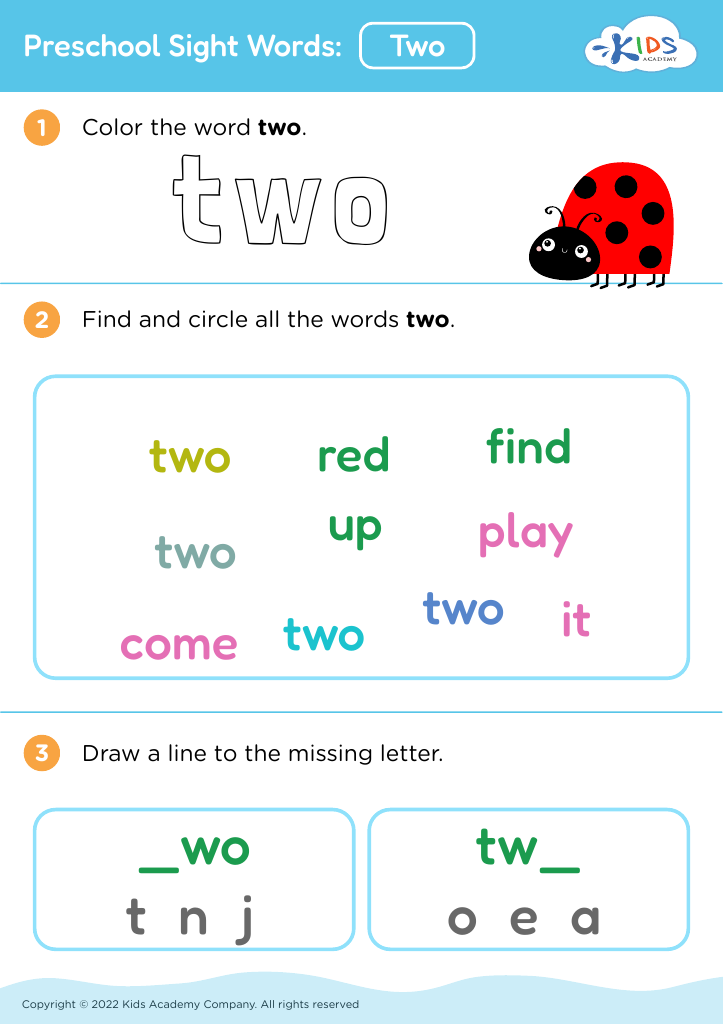
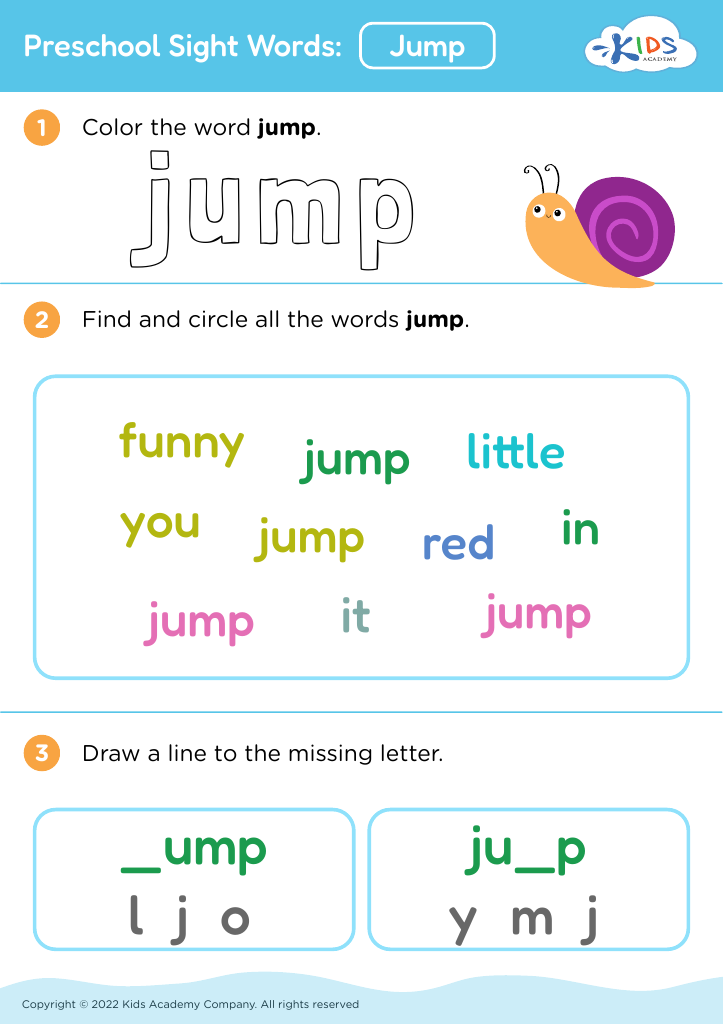
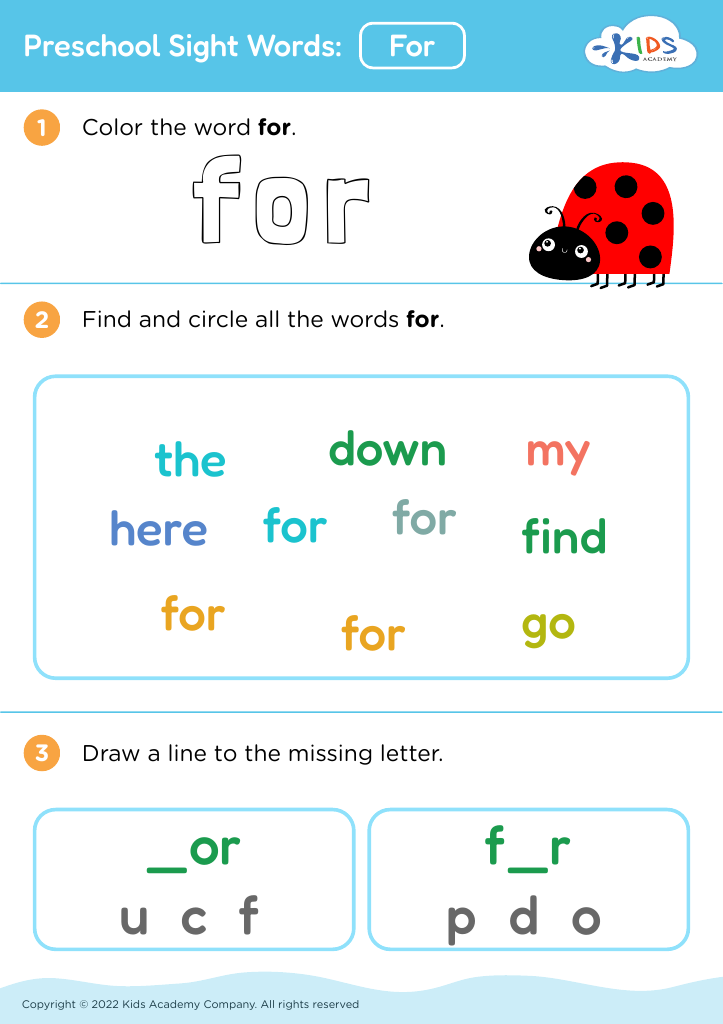
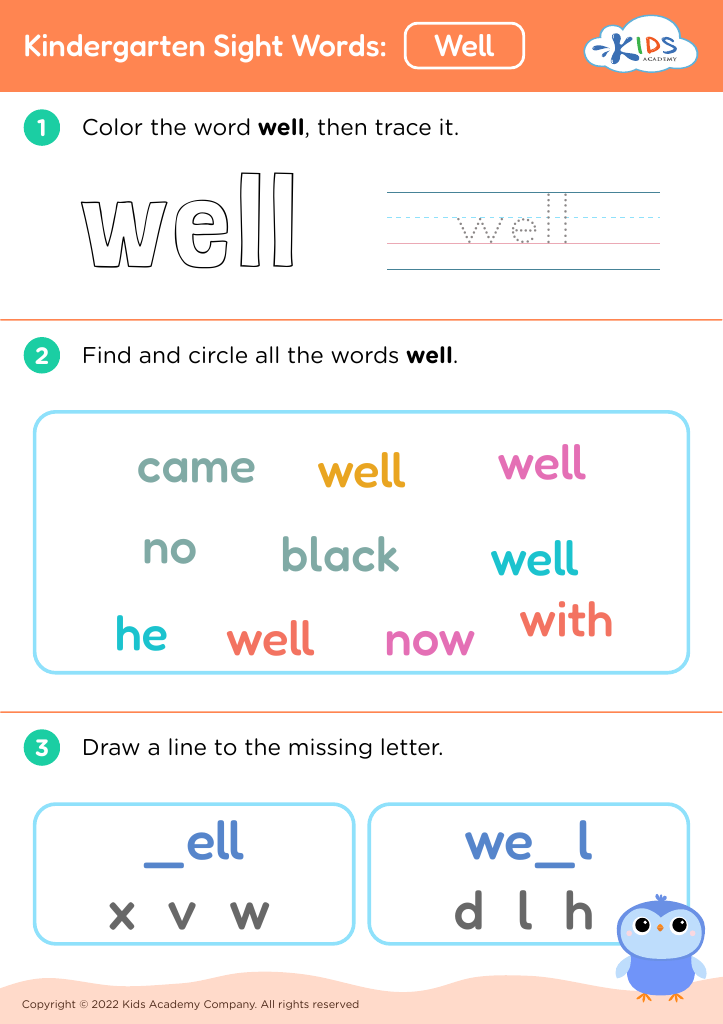
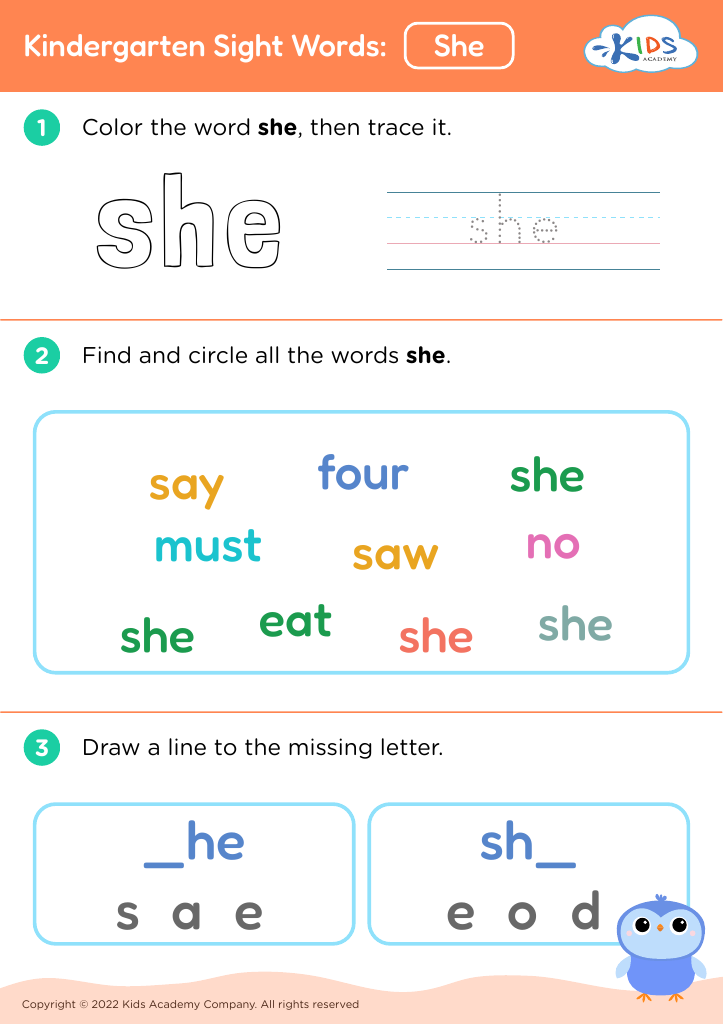
Discover fun and engaging worksheets designed to help 4-year-olds recognize shapes with our "Recognizing Shapes Reading Worksheets." These printable resources are perfect for young learners, fostering essential visual perception and shape identification skills while making learning enjoyable. Each worksheet features colorful images and interactive activities that encourage kids to recognize, name, and classify different shapes. Promote early literacy and cognitive development as children enhance their vocabulary through shape recognition. Ideal for parents and teachers seeking to reinforce learning at home or in the classroom, these worksheets are a fantastic tool to cultivate creativity and critical thinking in preschool-aged children.







Recognizing shapes is a foundational skill that significantly contributes to a child's cognitive and academic development, making it essential for parents and teachers to prioritize this activity for 4-year-olds. At this critical age, children are naturally curious and eager to explore their environment. By engaging them in recognizing shapes, adults help promote essential skills like spatial awareness, which is crucial for later mathematical understanding.
Shapes are everywhere in our daily lives, and identifying them allows children to make connections between geometric concepts and real-world objects. For instance, when a child identifies a circle in a wheel, they begin to understand that shapes are not just abstract ideas; they represent elements of the world around them.
Moreover, recognizing shapes supports language development, as children learn to describe attributes and communicate their observations. These discussions enhance vocabulary and critical thinking skills.
Incorporating shape recognition into reading activities further enriches the learning experience. Books featuring shapes can capture attention and offer interactive opportunities, ensuring children remain engaged while learning. Overall, fostering shape recognition lays a strong educational foundation that will benefit children as they progress in early mathematics and literacy skills, setting the stage for lifelong learning.








