Basic Addition Reading Fiction Worksheets for 4-Year-Olds
3 filtered results
-
From - To
Discover our engaging Basic Addition Reading Fiction Worksheets designed specifically for 4-year-olds! These fun and interactive worksheets blend the excitement of storytelling with essential math skills. Children will explore captivating stories that incorporate basic addition concepts, helping them to develop their counting abilities and comprehension skills simultaneously. Our carefully crafted activities encourage creativity while reinforcing fundamental math understanding. Ideal for preschool classrooms or at-home learning, these worksheets make math enjoyable and accessible for young learners. Foster your child's love for reading and math today with our delightful basic addition resources that support early education and development!
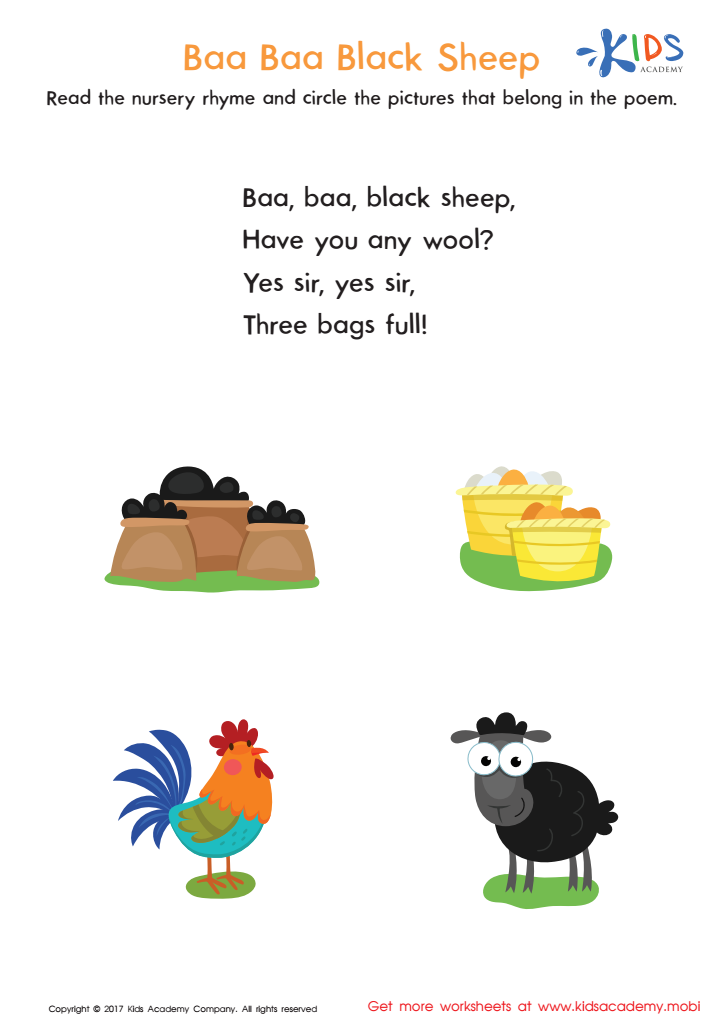
Baa Baa Black Sheep Printable
 Assign to My Students
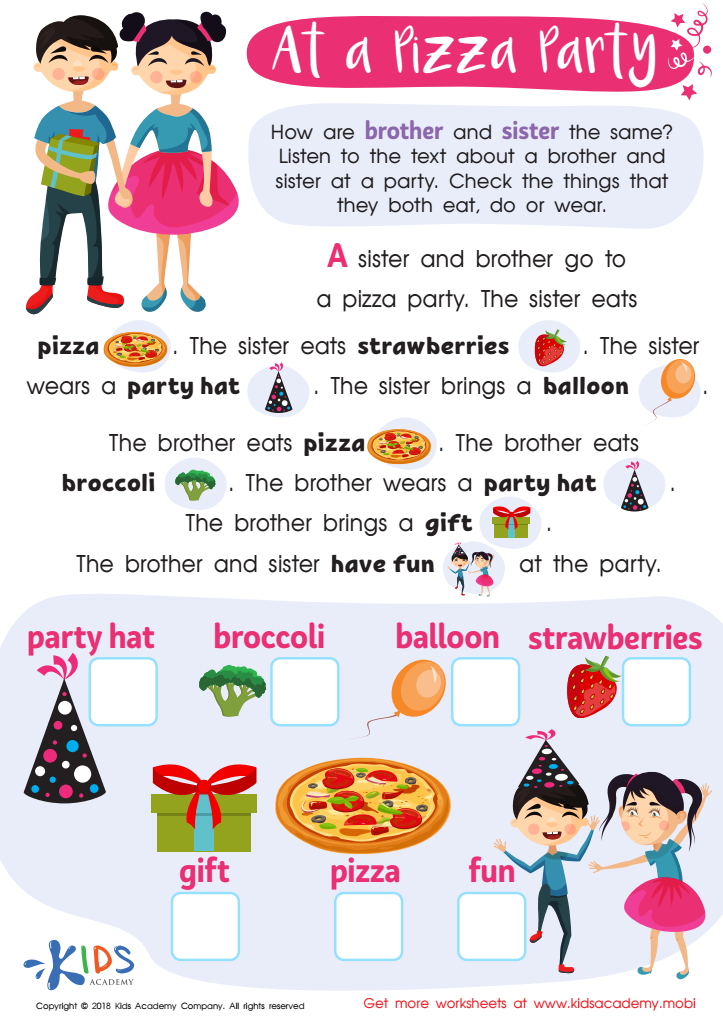
At a Pizza Party Worksheet
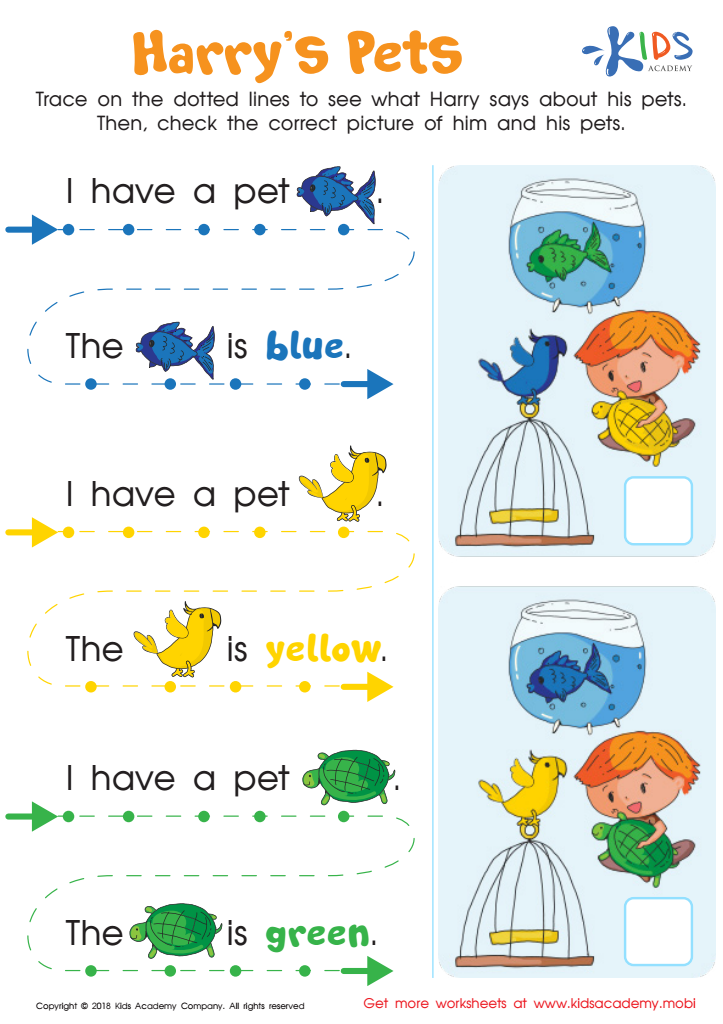
Read from Left to Right: Harry's Pets Worksheet







.jpg)
Basic addition reading fiction for 4-year-olds plays a crucial role in early childhood development. At this age, children are incredibly receptive to learning, and incorporating math concepts like addition through engaging stories fosters a positive attitude towards numbers. When parents and teachers introduce addition through fictional narratives, it transforms abstract numerical concepts into relatable and enjoyable experiences.
Fiction often features characters and scenarios that children can easily connect with, making learning more relevant. For instance, a story about animals sharing fruit can teach not only the mechanics of addition but also social skills like sharing and cooperation. Furthermore, these narratives can prompt discussions, allowing adults to reinforce math vocabulary and problem-solving skills.
Reading and engaging in addition practice simultaneously enhances literacy and numeracy skills, ensuring that children develop a well-rounded skill set. This early exposure to math via stories also builds a strong foundation for future learning, helping prevent math anxiety as they grow older.
Ultimately, integrating basic addition through fiction creates a balanced learning environment where math becomes a fun and natural part of daily life, encouraging curiosity and critical thinking in young learners. Thus, both parents and teachers should prioritize this approach in early education.








