Sequencing Skills Reading Fiction Worksheets for 4-Year-Olds
5 filtered results
-
From - To
Boost your 4-year-old's reading abilities with our Sequencing Skills Reading Fiction Worksheets! Specially designed for young learners, these worksheets help children understand the order of events in a story, enhancing both their comprehension and critical thinking skills. By arranging pictures, identifying sequences, and connecting story elements, kids practice essential pre-reading skills in an engaging format. Perfect for preschoolers, our worksheets combine fun illustrations with educational content, offering a delightful learning experience. Foster your child's early literacy and narrative skills today with our interactive and enjoyable sequencing exercises! Ideal for both home and classroom use.
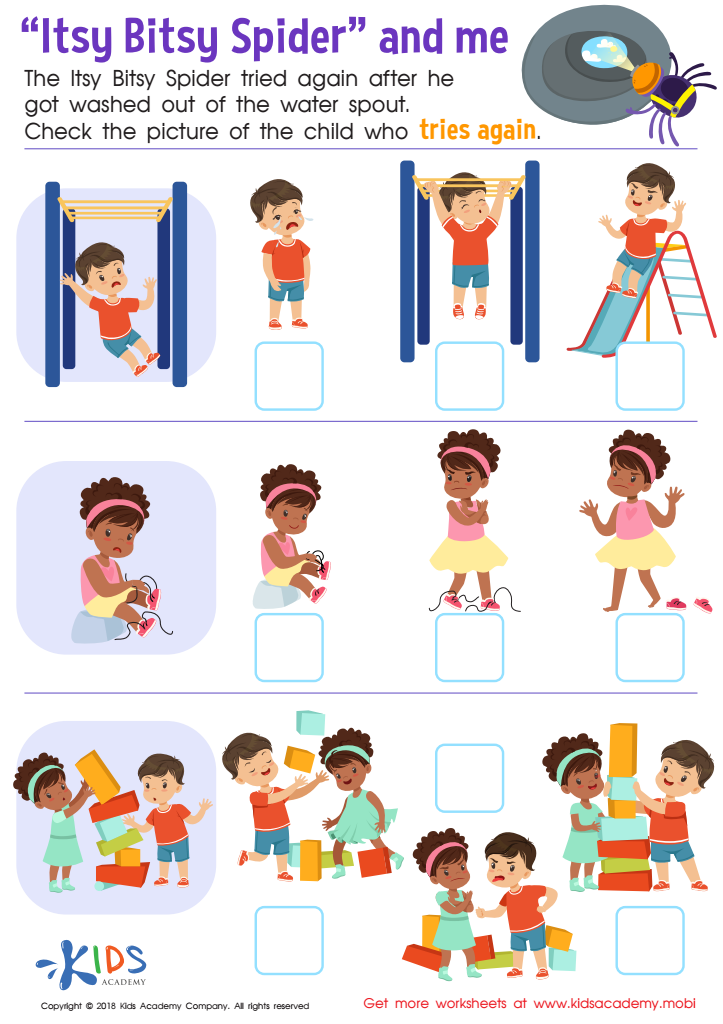
Itsy Bitsy Spider and Me Worksheet
 Assign to My Students
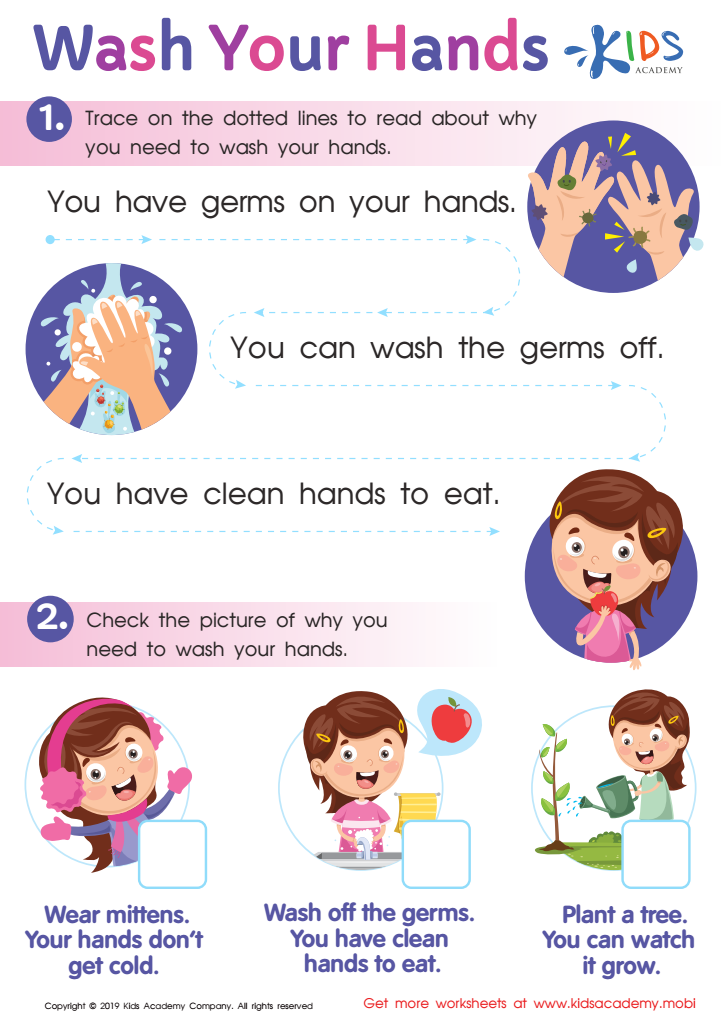
Wash Your Hands Worksheet
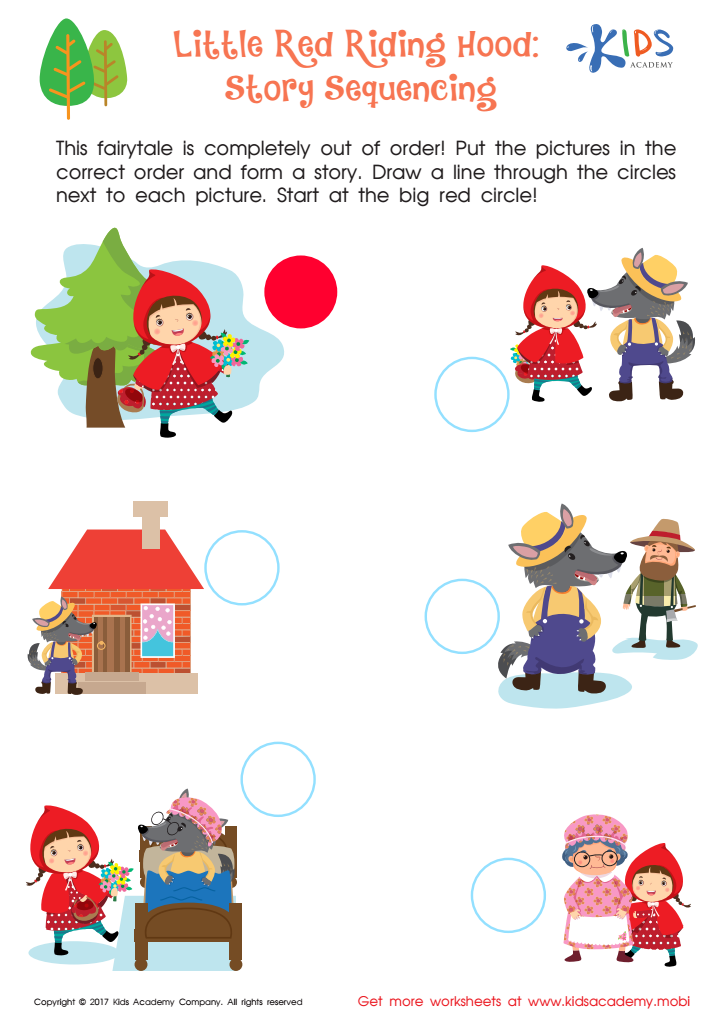
Story Sequencing Printable
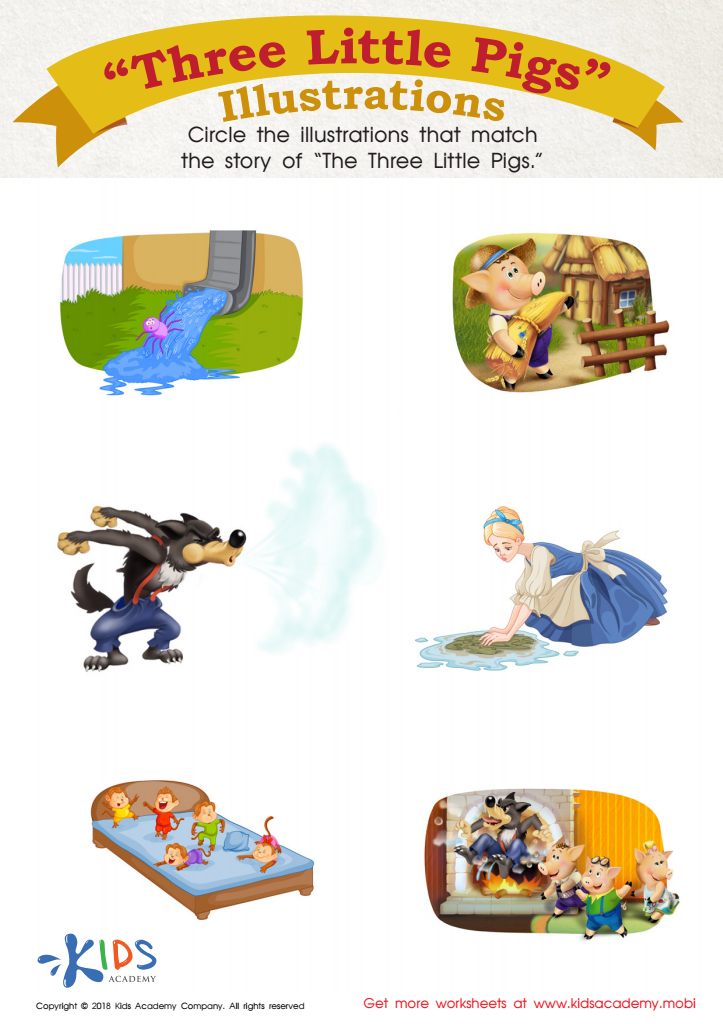
Three Little Pigs: Illustrations Worksheet
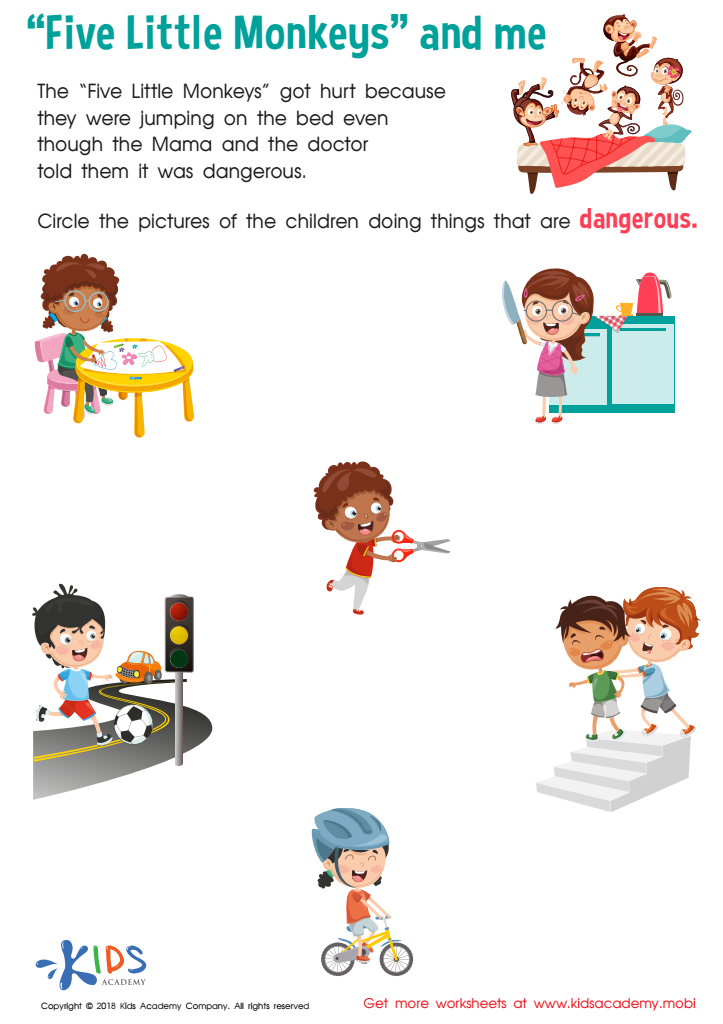
Five Little Monkeys and Me Worksheet





.jpg)


Sequencing skills are crucial for 4-year-olds as they form the foundation for reading comprehension and critical thinking. When parents and teachers focus on sequencing skills in reading fiction, they help children understand the logical order of events in a story. This ability to predict what might happen next and recall what happened before enhances comprehension and memory, invaluable for academic success and everyday problem-solving.
For young children, fiction serves as an engaging vehicle for learning because stories captivate their imagination. By sequencing events, children learn about cause-and-effect relationships, enhancing their cognitive development. These skills extend beyond reading, aiding in math (understanding steps in a sequence) and daily routines (following instructions).
Moreover, sequencing nurtures language development. As children retell stories in the correct order, they practice using transitional words like first, then, and finally. This boosts their vocabulary and verbal communication skills, pivotal during formative years.
Finally, mastering sequencing fosters self-esteem. When children successfully follow the sequence of a story, they feel a sense of accomplishment, encouraging a positive attitude towards learning. Overall, parents and teachers prioritizing sequencing skills in reading fiction provide children with essential cognitive tools, setting them up for future academic and life success.








