Vocabulary enhancement Animals Worksheets for 4-Year-Olds
3 filtered results
-
From - To
Discover our engaging Vocabulary Enhancement Animals Worksheets, specifically designed for 4-year-olds! These colorful and interactive worksheets introduce young learners to exciting concepts related to animals, helping them expand their vocabulary in a fun and creative way. Activities include matching words to pictures, filling in blanks, and learning animal names and traits. Perfect for preschool or homeschool settings, our worksheets make learning about the animal kingdom an adventure! Engage your child's curiosity and language skills while fostering a love for learning. Explore our diverse collection and watch your child's vocabulary grow while they connect with the wonderful world of animals!
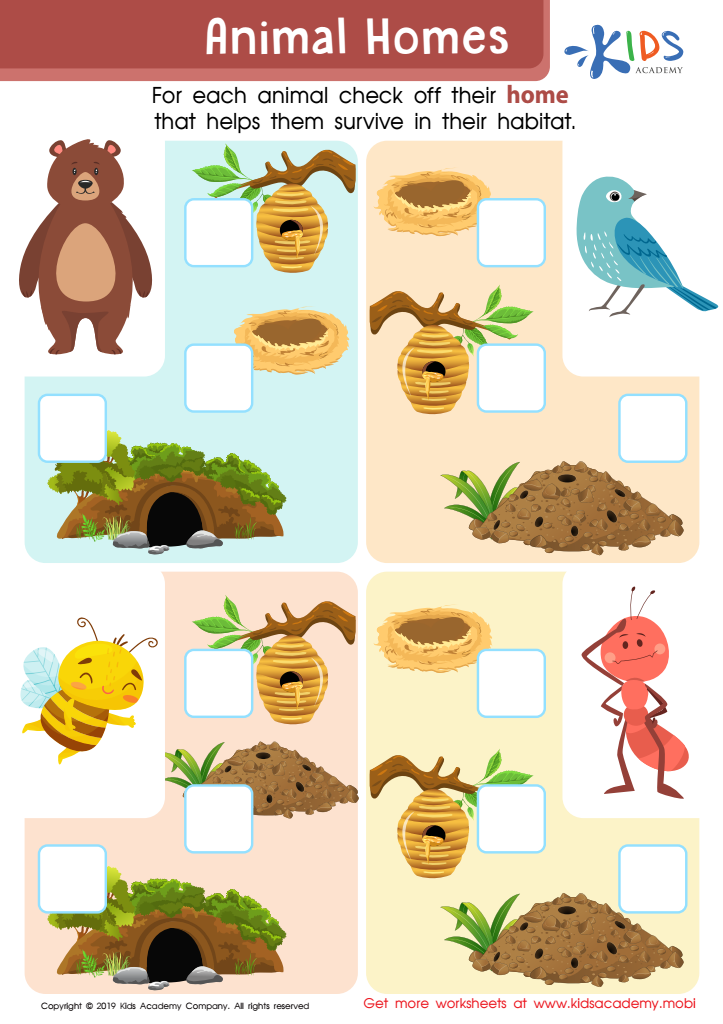
Animal Homes Worksheet
 Assign to My Students
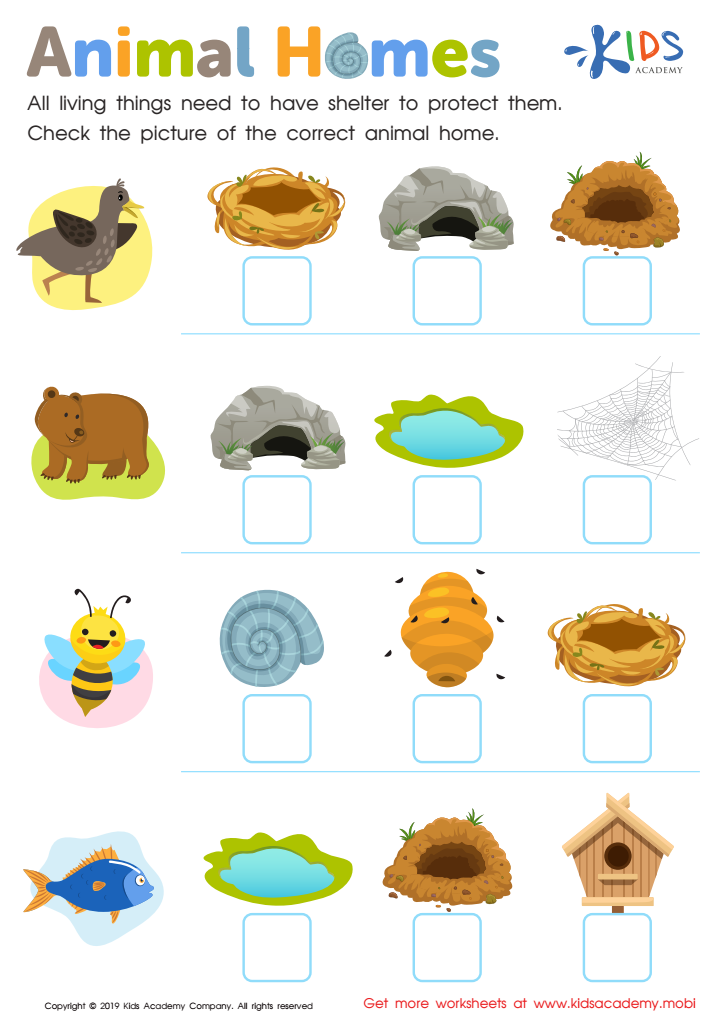
Animal Homes Worksheet
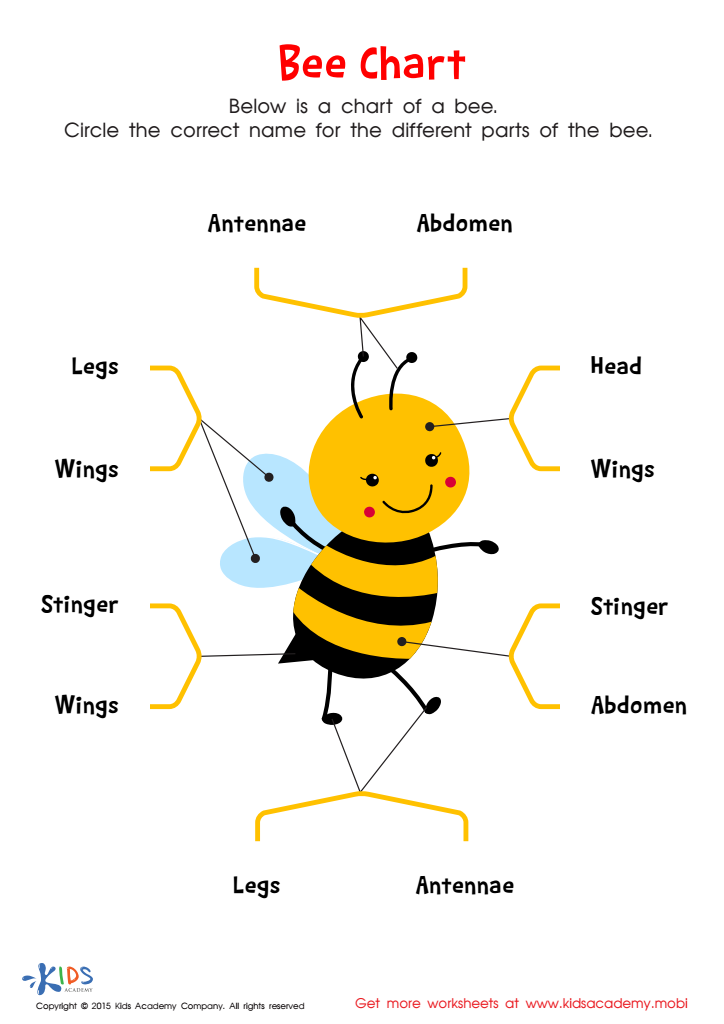








Vocabulary enhancement for 4-year-olds is crucial for their overall development, especially when discussing animals. At this age, children are naturally curious and eager to learn. Introducing rich vocabulary related to animals nurtures this curiosity and builds essential language skills. Knowing words like “habitat,” “endangered,” or “mammal” helps children articulate their thoughts and feelings more effectively.
Moreover, an expanded vocabulary contributes to enhanced comprehension skills, allowing children to understand stories, instructions, and educational content better. It fosters confident communication, enabling young learners to express themselves in social settings and academic contexts. As children acquire new words, they also improve their cognitive skills—making connections, categorizing information, and engaging in critical thinking.
Understanding animal-related vocabulary can have emotional benefits. It promotes empathy, as children learn about different species, their environments, and conservation efforts, cultivating a sense of responsibility towards the natural world. Teachers and parents should actively incorporate discussions about animals into everyday conversations, reading materials, and playful activities. Engaging vocabulary-rich dialogues not only stimulate a child’s language development but also ignite a lifelong love for learning and a deeper appreciation for the world around them. This foundational knowledge is essential for their future academic success and personal growth.








