Sentence structure Capitalization Worksheets for 4-Year-Olds
3 filtered results
-
From - To
Introduce your 4-year-old to the basics of sentence structure with our engaging and fun Capitalization Worksheets. Designed specifically for young learners, these printable worksheets from Kids Academy focus on teaching proper capitalization at the beginning of sentences and the correct use of punctuation marks. Our activities are perfect for developing early writing skills while keeping your child entertained. With colorful images and easy-to-understand instructions, these worksheets provide a solid foundation for excellent grammar and writing habits. Download now to give your child a head start on language arts! Ideal for parents and early education instructors.
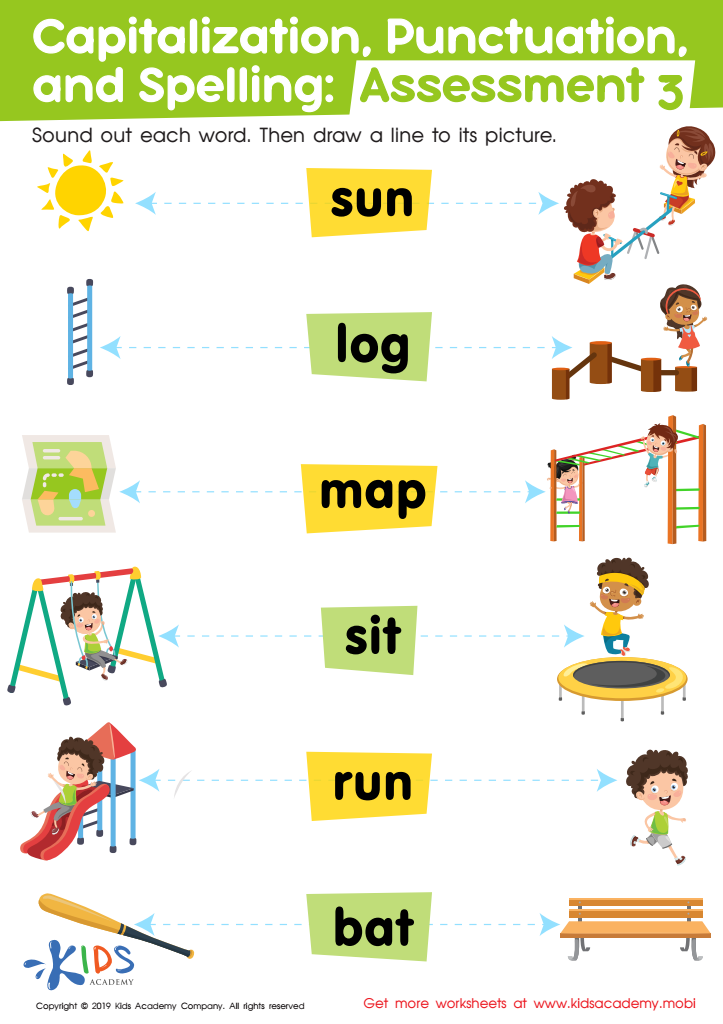
Capitalization. Punctuation. Spelling. Assessment 3 Worksheet
 Assign to My Students
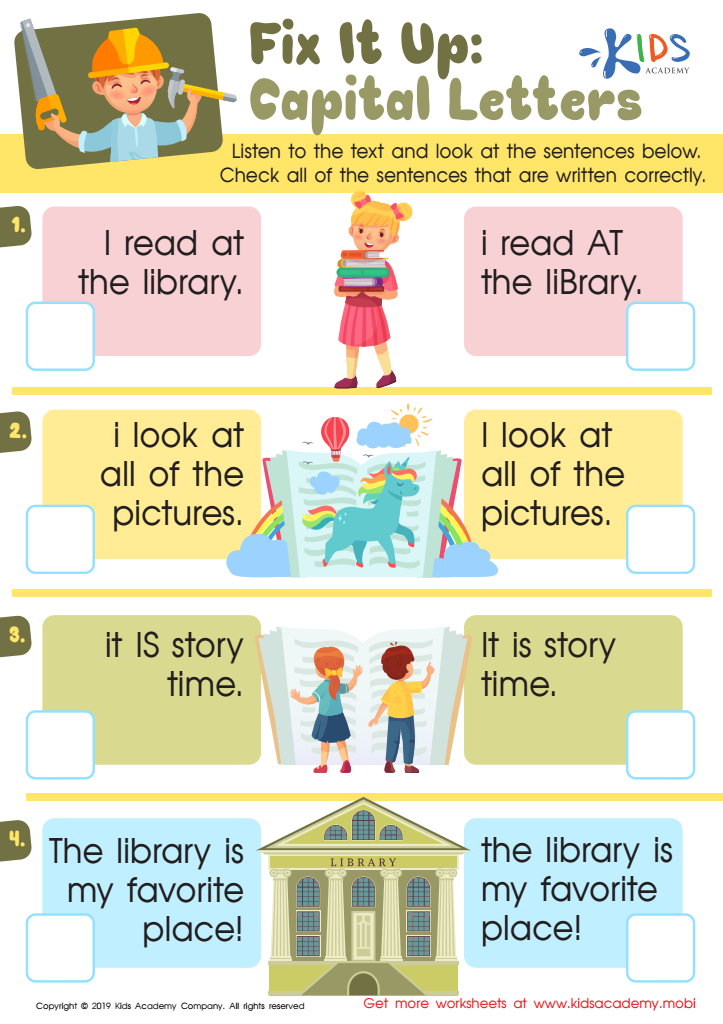
Fix Capital Letters Worksheet

How to Capitalize Worksheet



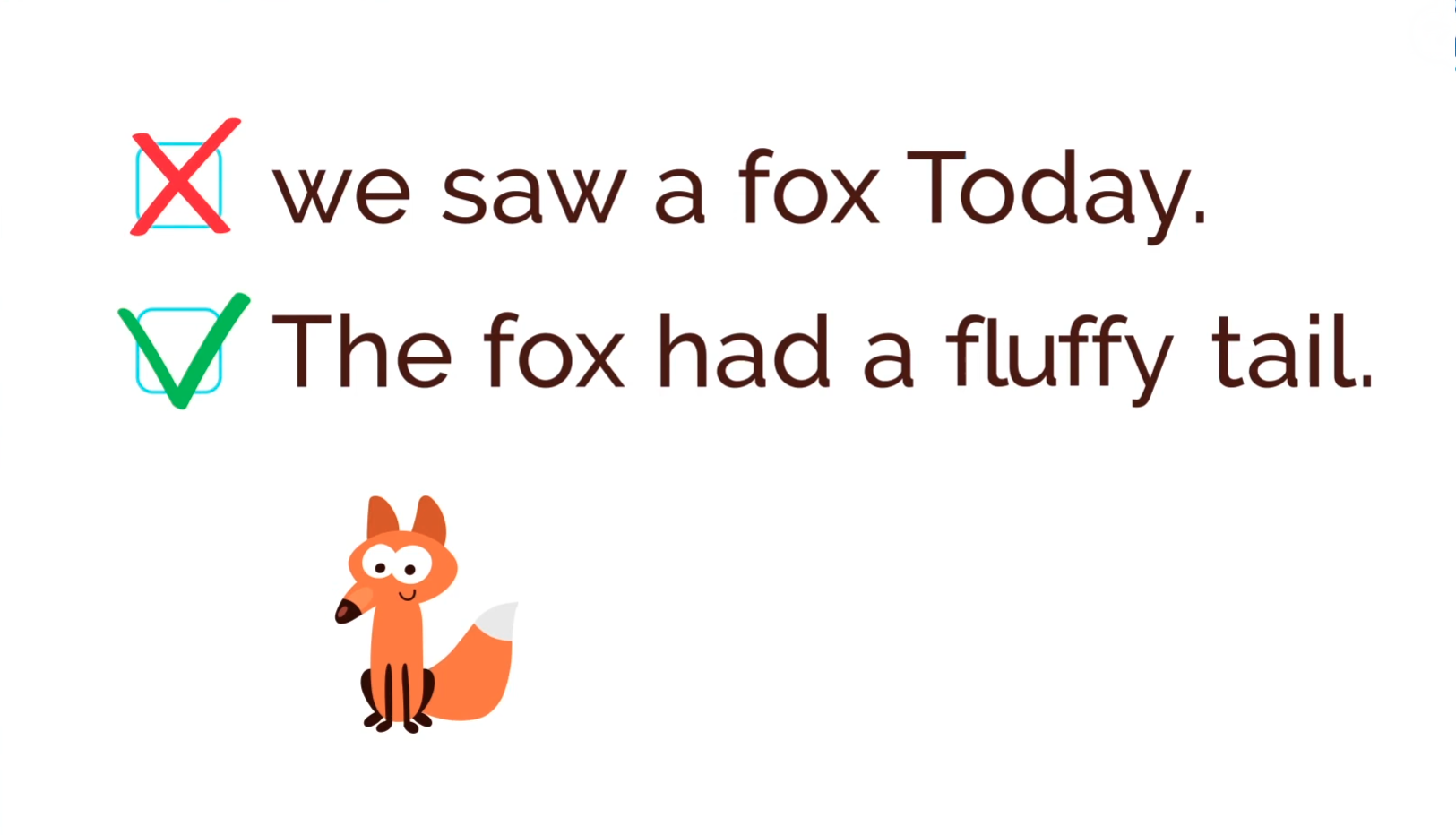


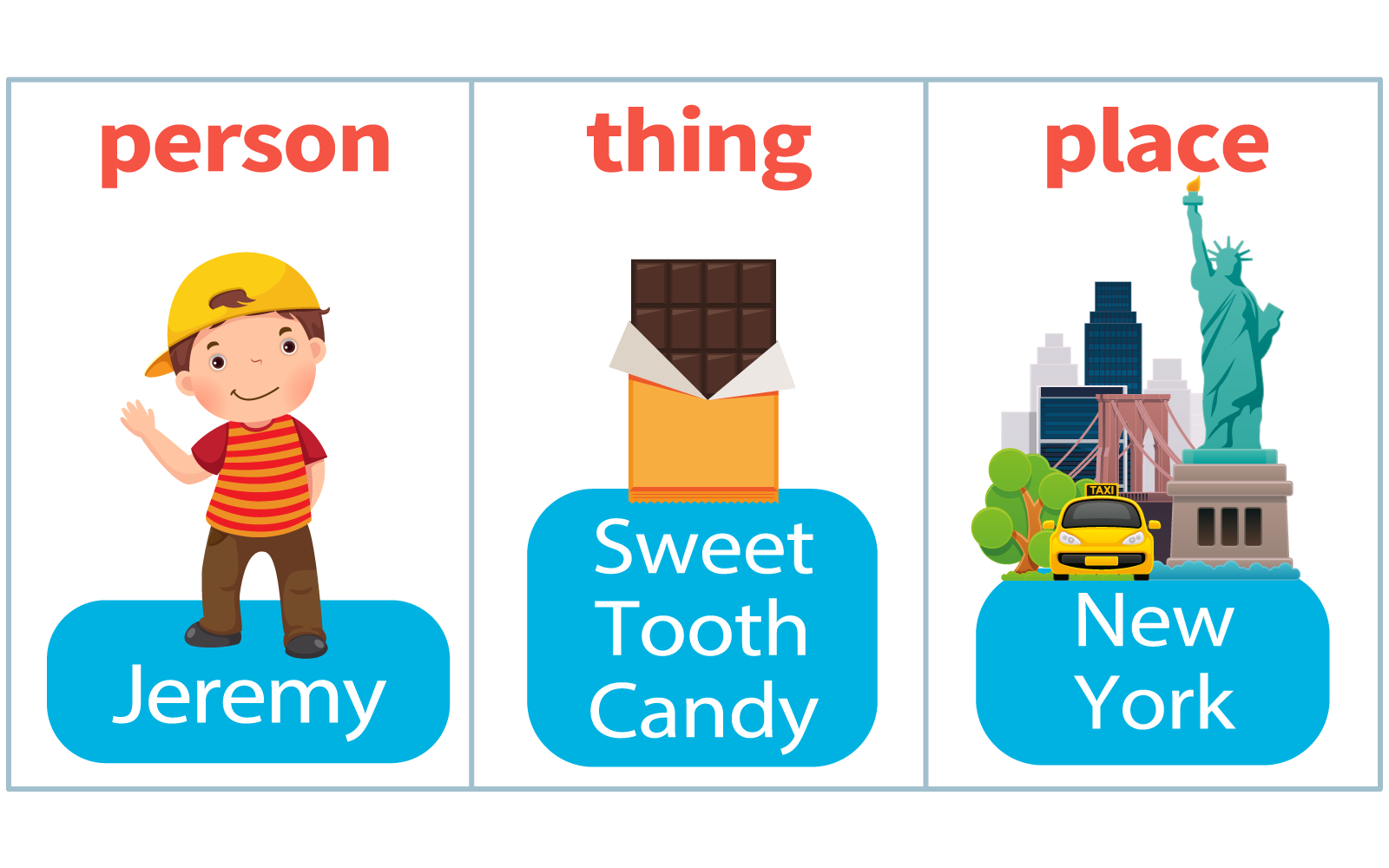

Parents and teachers should care about sentence structure and capitalization for 4-year-olds because these foundational skills set the stage for effective communication and literacy development. At this critical age, children are rapidly expanding their vocabulary and starting to form basic sentences. Learning about sentence structure helps them understand how to organize their thoughts clearly and logically, which is essential for both speaking and writing.
Capitalization, on the other hand, introduces them to the conventions of written language. While 4-year-olds don't need to master these rules immediately, early exposure helps them recognize patterns, such as capitalizing the first letter of names and sentences. This prepares them for more advanced literacy skills they'll encounter in kindergarten and beyond.
Moreover, focusing on these elements fosters a love of reading and writing. Children who feel confident in their ability to express themselves are more likely to enjoy creating stories, reading books, and engaging in classroom activities. It also aids in cognitive development, promoting skills such as sequencing, memory, and critical thinking.
In summary, attention to sentence structure and capitalization for 4-year-olds builds a strong linguistic foundation, boosts self-confidence, and sets them up for long-term academic success, making it crucial for parents and teachers to prioritize these aspects of early education.








