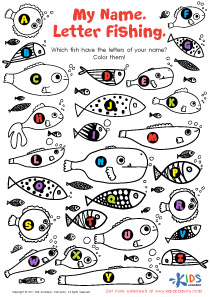
Letter formation ABC Order Worksheets for Ages 5-6
3 filtered results
-
From - To
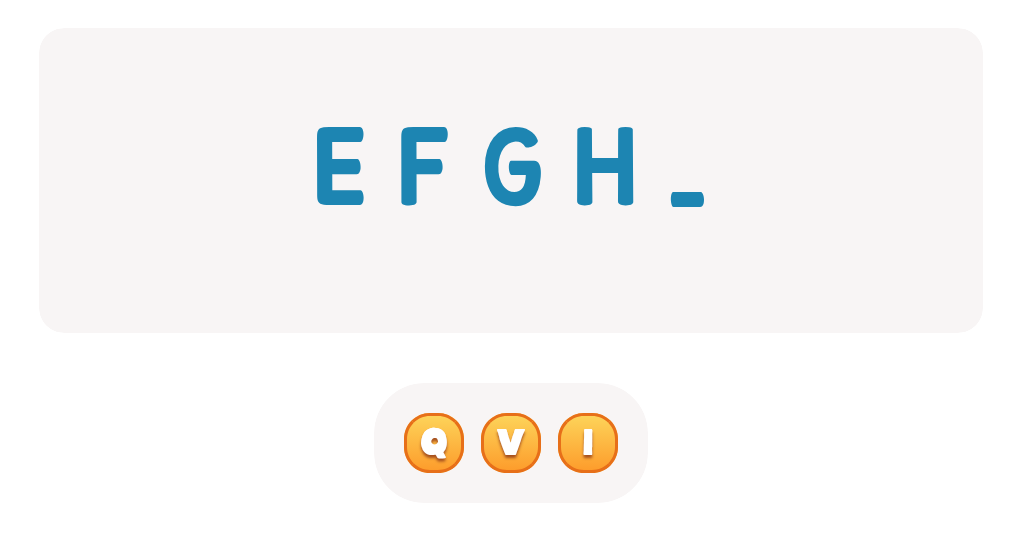
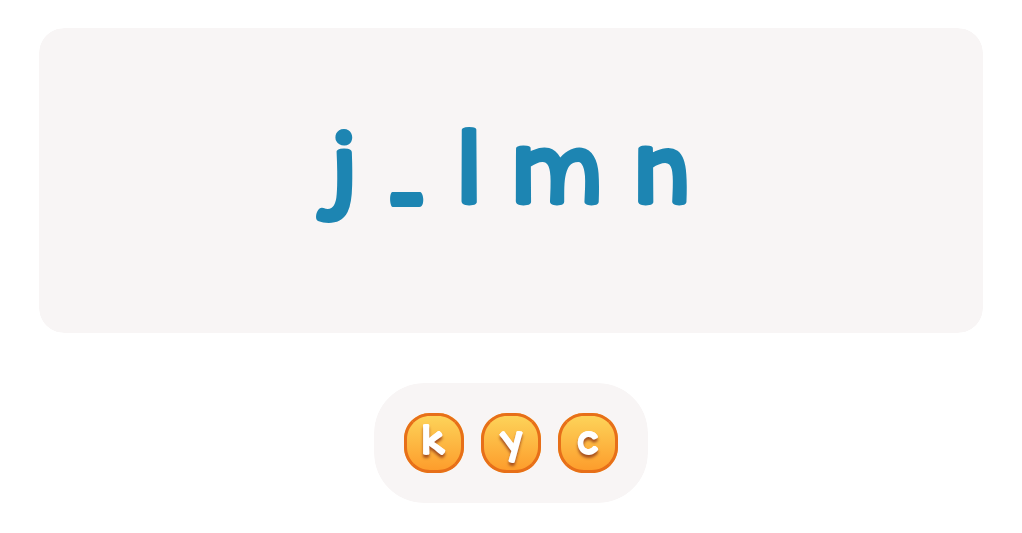
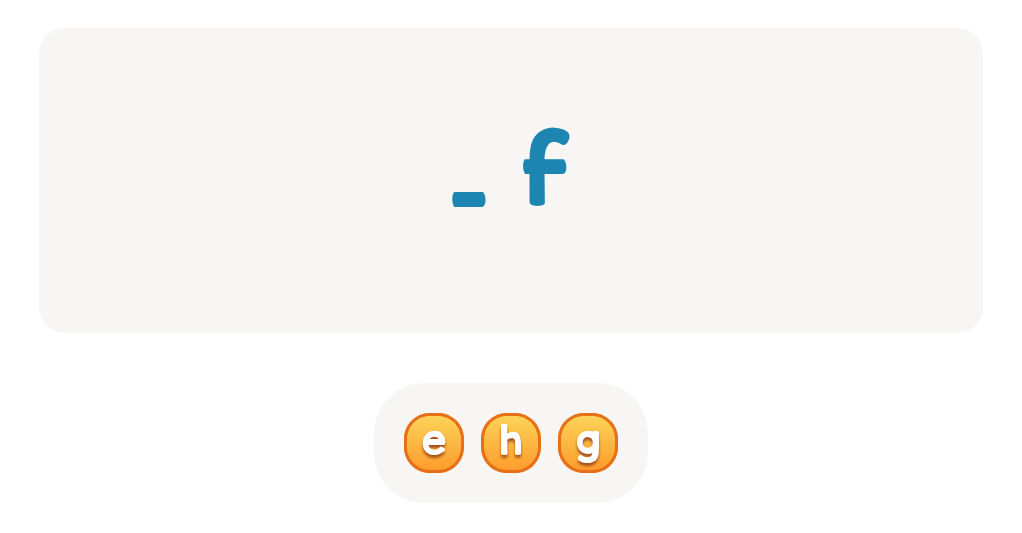
Enhance your child's literacy skills with our "Letter Formation ABC Order Worksheets" designed for ages 5-6. These engaging worksheets focus on helping young learners master the correct formation of letters while developing essential alphabet order skills. Each worksheet is crafted to provide kids with fun and interactive activities that promote writing confidence and foundational literacy. Children will enjoy practicing both uppercase and lowercase letters through tracing and repetition, fostering fine motor skills and memory retention. Perfect for homeschooling or classroom use, our worksheets create a solid foundation for future educational success in reading and writing. Start your child's journey today!
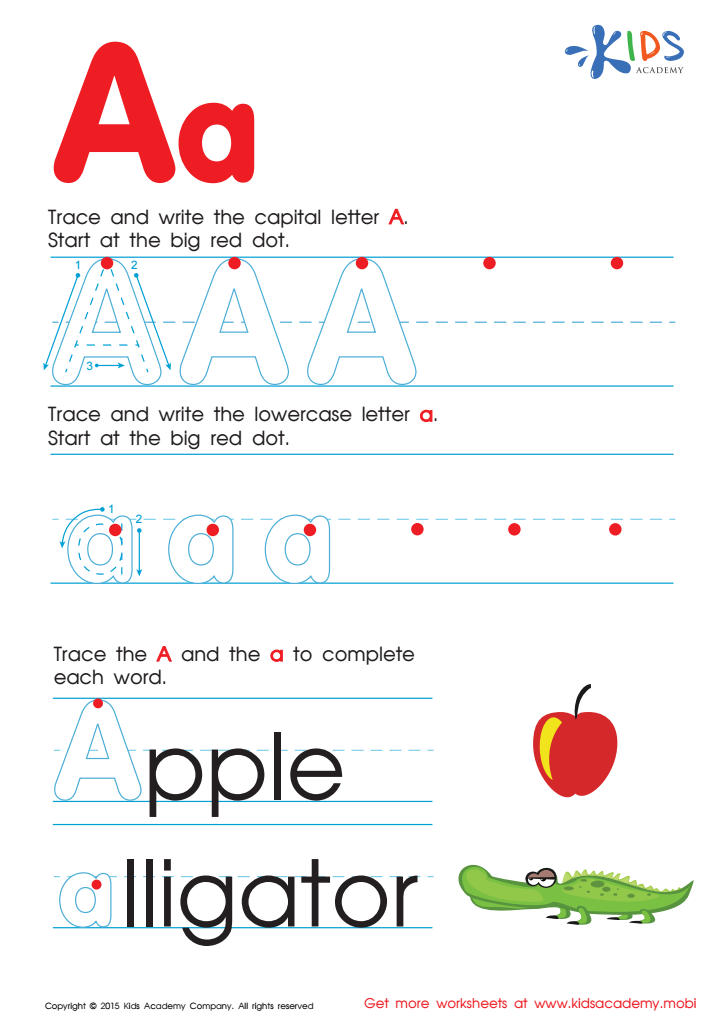
Letter A Tracing Page
 Assign to My Students


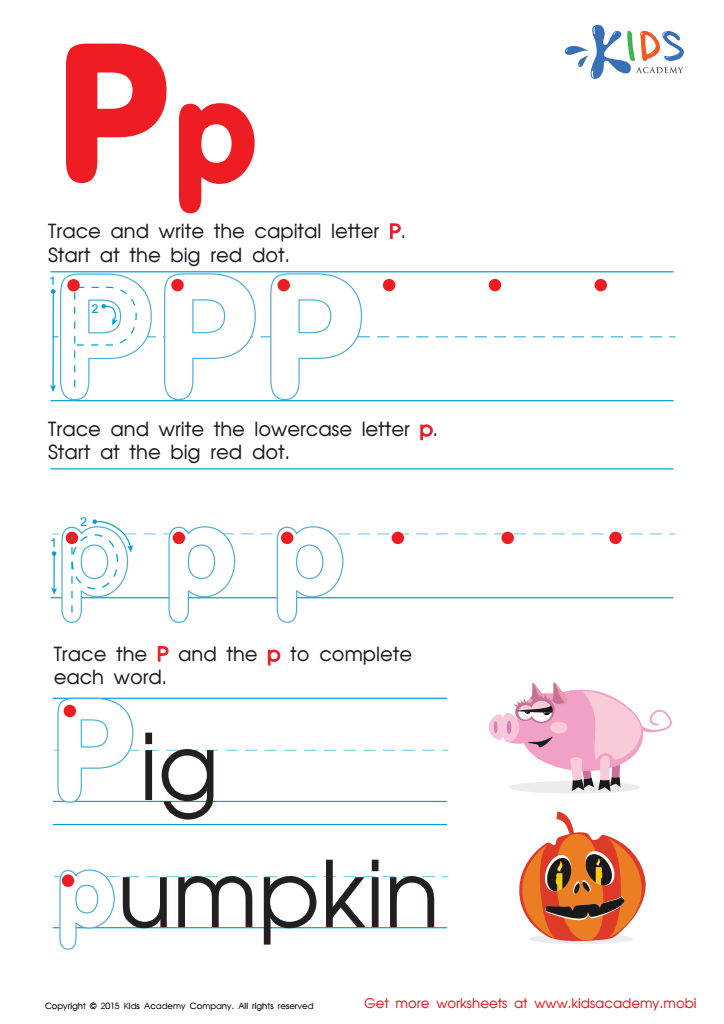
Letter P Tracing Page

Letter G Tracing Page







Letter formation and ABC order are foundational skills critical for young children aged 5-6 as they embark on their literacy journey. Proper letter formation helps children develop fine motor skills, enhancing their ability to write clearly and legibly. When children learn to shape letters correctly, they become more confident in their writing, leading to better communication of their ideas.
Additionally, understanding the order of the alphabet is essential for various aspects of literacy. It aids in phonemic awareness, enabling children to recognize and manipulate sounds in words, which is crucial for reading and spelling development. Learning the alphabet in sequence also allows young learners to efficiently use resources like dictionaries and glossaries as they advance in their education.
For parents and teachers, investing time in teaching letter formation and ABC order supports children's overall academic success. These skills facilitate smoother transitions into more complex literacy tasks, fostering a love for reading and writing early on. Engaging children in fun, interactive activities that reinforce these skills can, therefore, lay the groundwork for a lifetime of developing literacy skills, critical thinking, and self-expression. Encouragement at this stage can significantly influence their future educational trajectories.