Handwriting practice ABC Letters Worksheets for Ages 5-6 - Page 2
26 filtered results
-
From - To
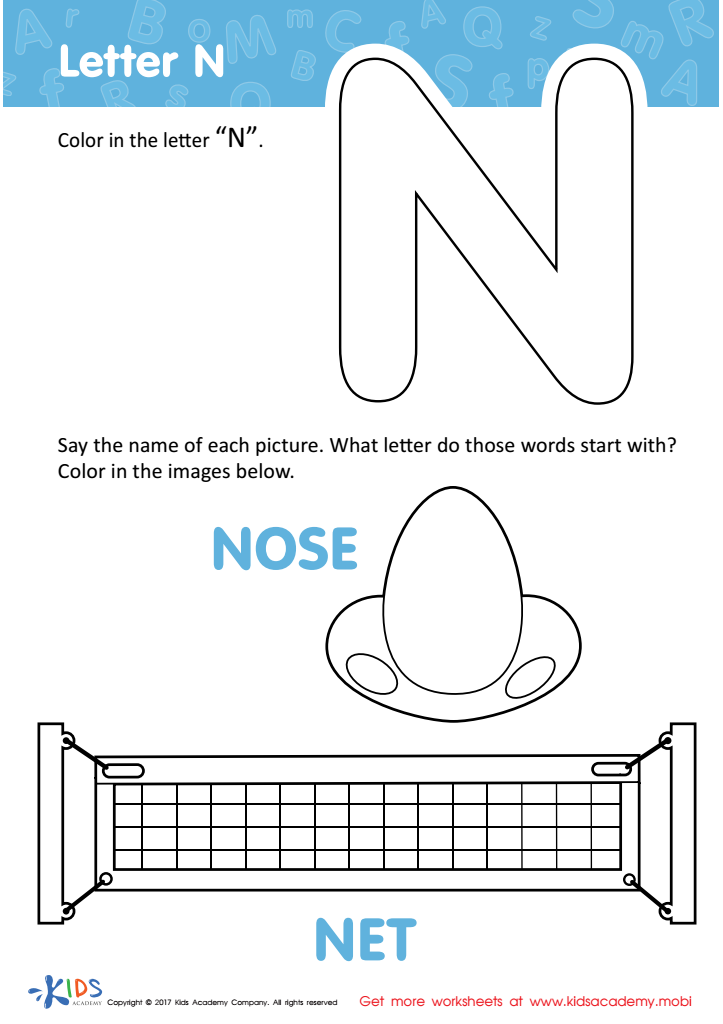
Letter N Coloring Sheet
 Assign to My Students









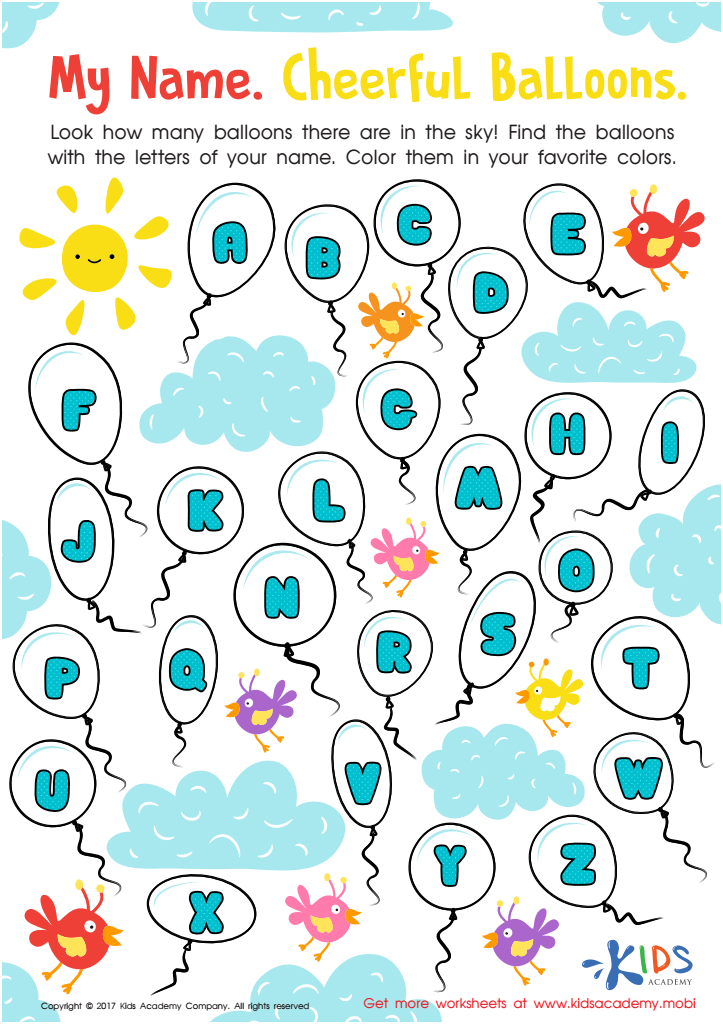
My Name: Cheerful Balloons Worksheet
Assign to My Students








Handwriting practice is crucial for children aged 5-6 as it lays the foundation for their literacy skills and overall academic success. This stage is essential for developing fine motor skills, necessary for more complex writing tasks they'll encounter in later grades. When children practice writing the ABC letters, they not only learn the shapes and forms of the letters but also reinforce phonemic awareness by connecting sounds with symbols.
Moreover, handwriting helps improve concentration and focus. As children work on letter formation, they cultivate patience and persistence—qualities that are fundamental to learning. Developing neat handwriting fosters a sense of pride and accomplishment in young learners.
This practice enhances memory retention; writing letters repeatedly helps reinforce their shape and sound, making it easier for children to recall them later. In addition, it aids in building confidence. Mastering handwriting can encourage students to express themselves freely in journals or assignments, nurturing their creativity.
Finally, digital devices are becoming prevalent, but handwriting remains vital. Many educational systems emphasize writing skills for standardized testing and assessments. Therefore, parents and teachers have a significant role in supporting sustained handwriting practice to equip children with essential life skills for academic and personal growth.







