Phonics practice Consonants Worksheets for Ages 5-6
5 filtered results
-
From - To
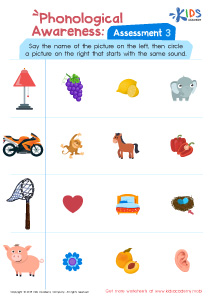
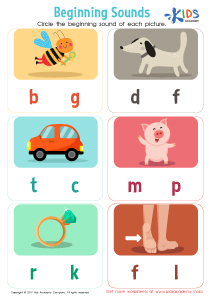
Discover engaging Phonics Practice Consonants Worksheets designed specifically for children ages 5-6. These worksheets support early literacy development by helping young learners recognize and pronounce consonant sounds effectively. Packed with fun activities, including tracing, matching, and coloring, these resources make learning phonics enjoyable. Perfect for teachers and parents alike, they cater to various learning styles and can be easily integrated into daily lessons or home practice sessions. Foster your child's reading readiness and build a strong foundation in phonics with our interactive and educational worksheets. Encourage curiosity and confidence in young learners today! Explore our collection now to get started!
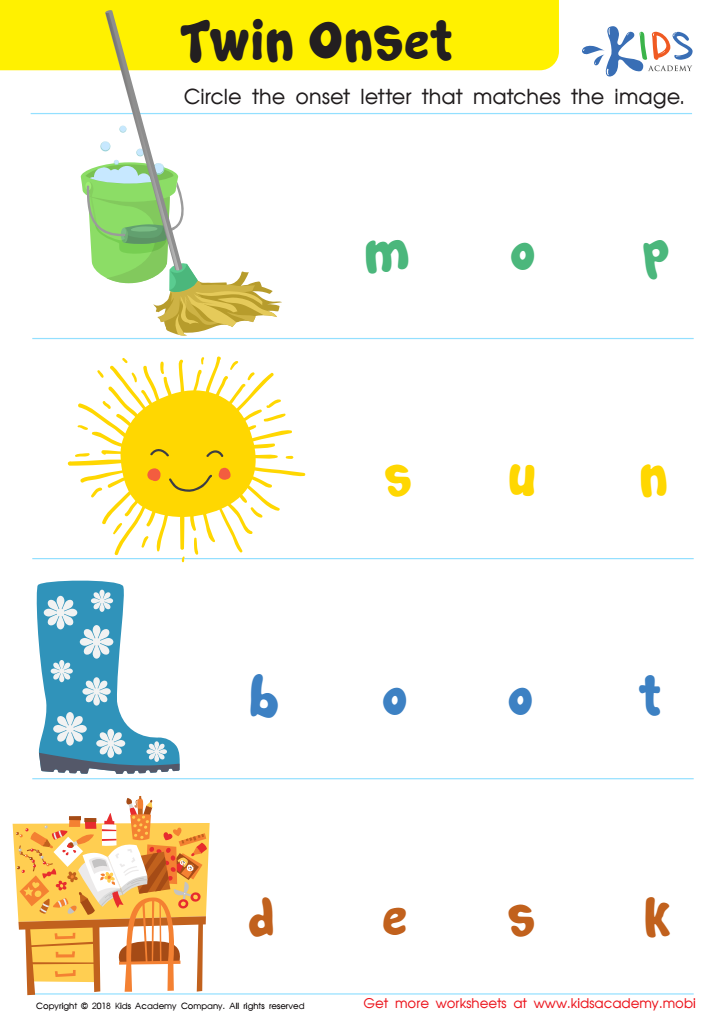
Twin Onset Worksheet
 Assign to My Students
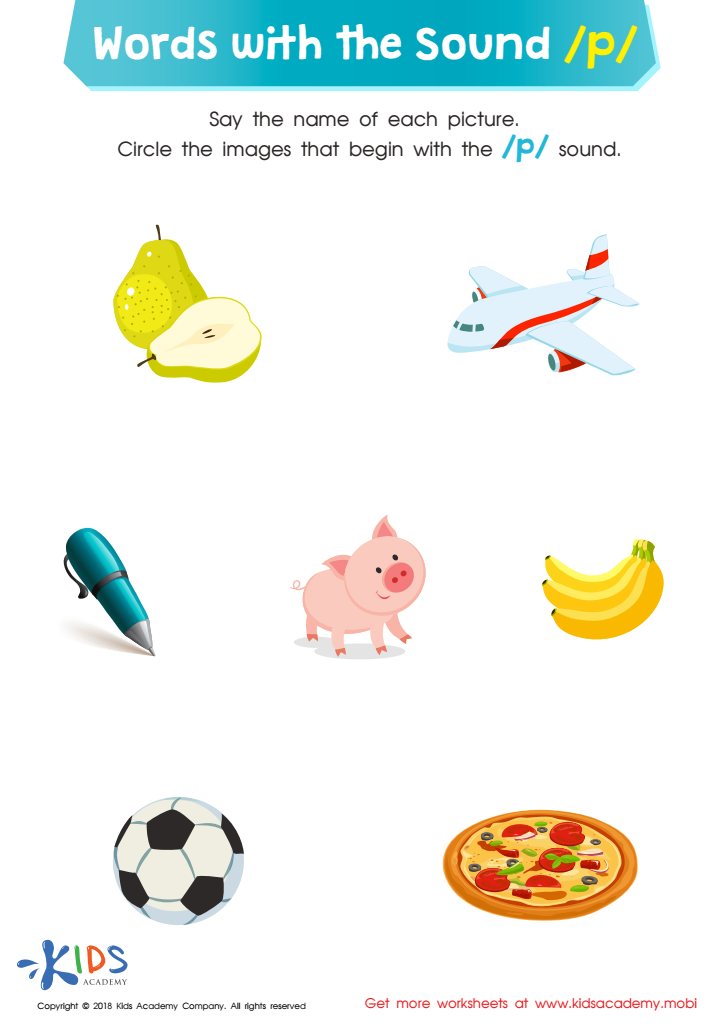
Words with sound p Reading Worksheet
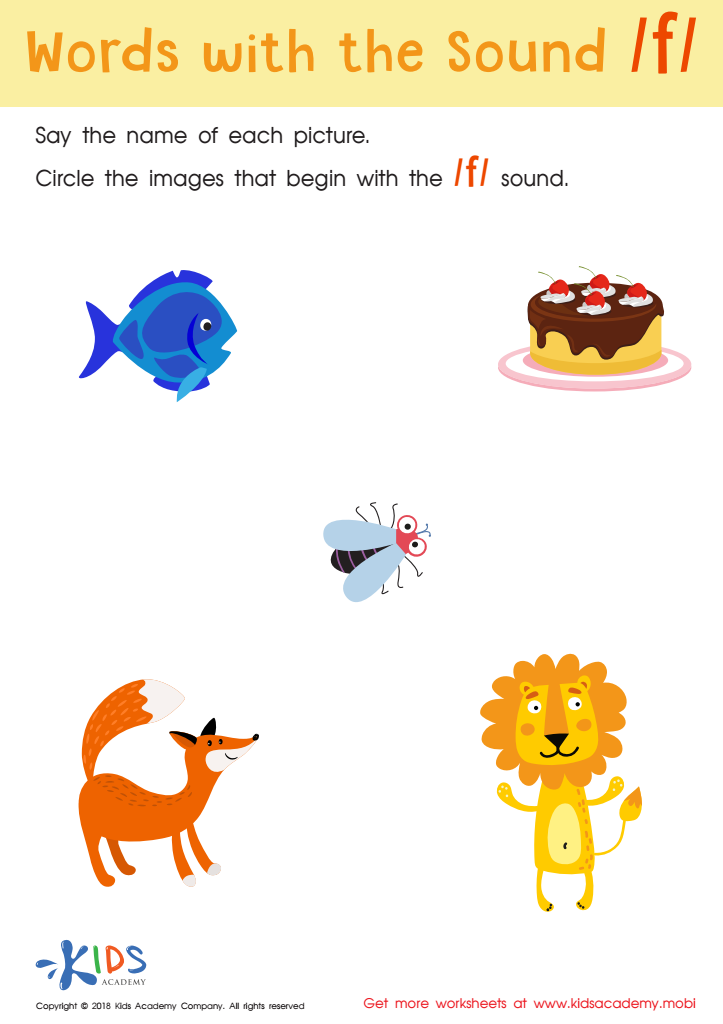
Words with sound f Reading Worksheet
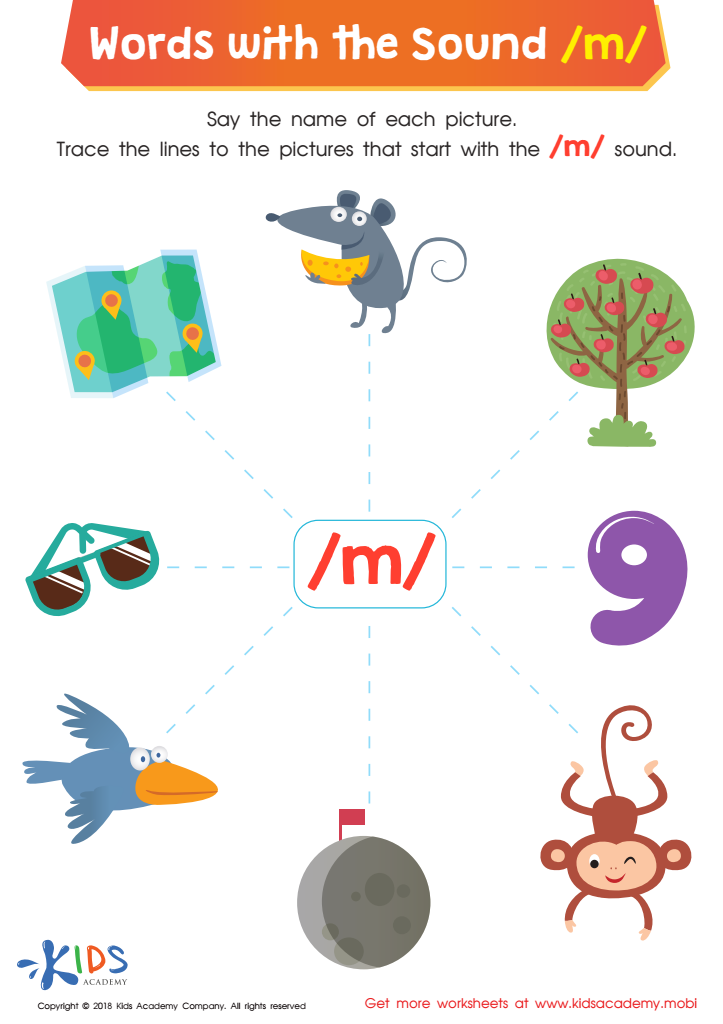
Words with Sound M Reading Worksheet
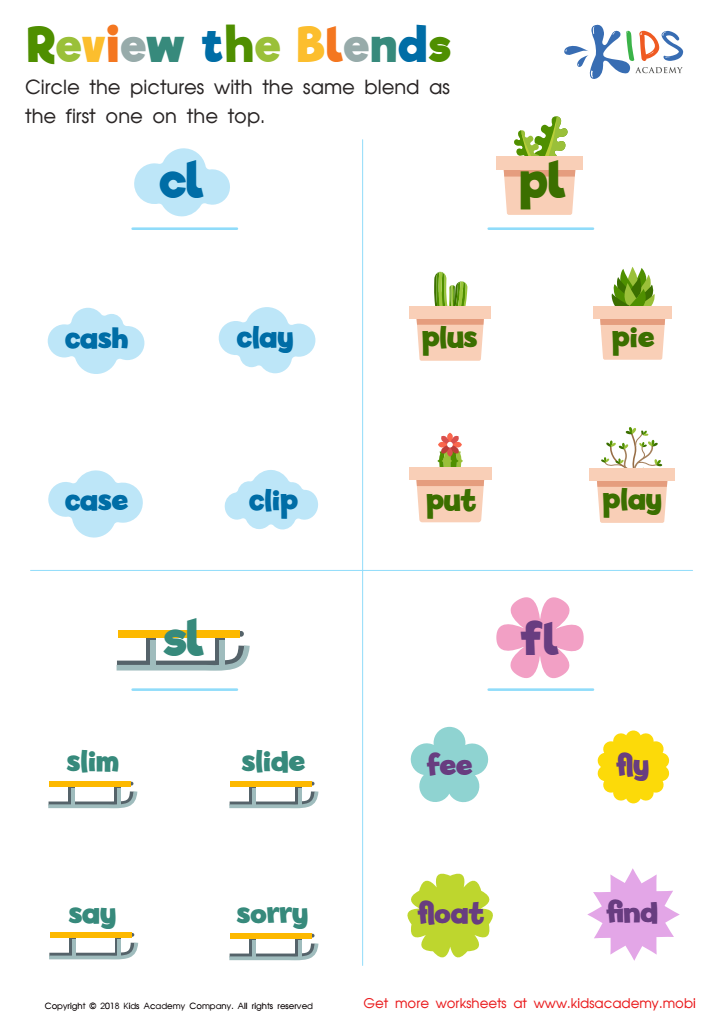
Review the Blends Worksheet



Phonics practice, particularly focusing on consonants, is crucial for children aged 5-6 as it lays a solid foundation for reading and writing skills. At this early stage, children are developing their understanding of how letters correspond to sounds. By familiarizing them with consonants, parents and teachers help children decode words, enabling them to read independently. This knowledge not only boosts reading fluency but also enhances comprehension, as children are better able to identify and process unfamiliar words.
Moreover, mastering consonant sounds aids in spelling, allowing children to transfer their phonetic skills directly into writing. This creates a sense of confidence and accomplishment during literacy activities, which encourages a love for reading.
Additionally, consistent phonics practice nurtures critical thinking and auditory discrimination skills, essential for language development. Engaging activities like phonics games and songs provide a fun and interactive way to learn, making the process enjoyable and memorable.
In essence, emphasizing consonants in phonics practice equips young learners with necessary tools for success in literacy, fostering a lifelong appreciation for reading and learning. Parents and teachers play a pivotal role in this journey, making their involvement and support paramount.