Alphabet Recognition Alphabet Worksheets for Ages 5-6 - Page 3
64 filtered results
-
From - To
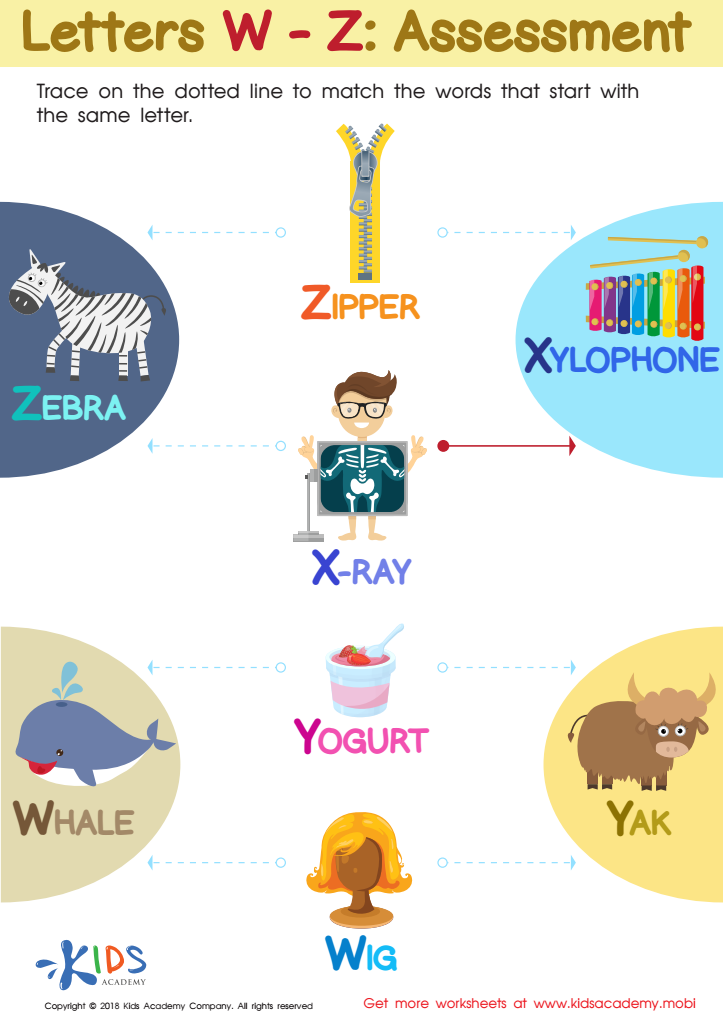
Letters W–Z Tracing Worksheet
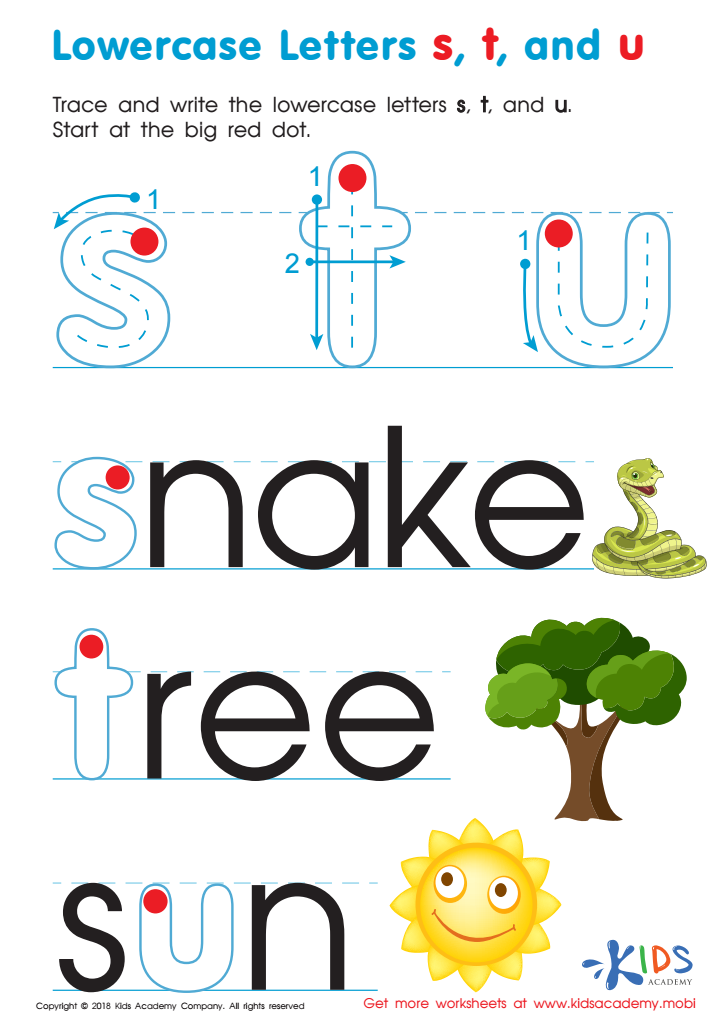
Lowercase Letters s t u Worksheet
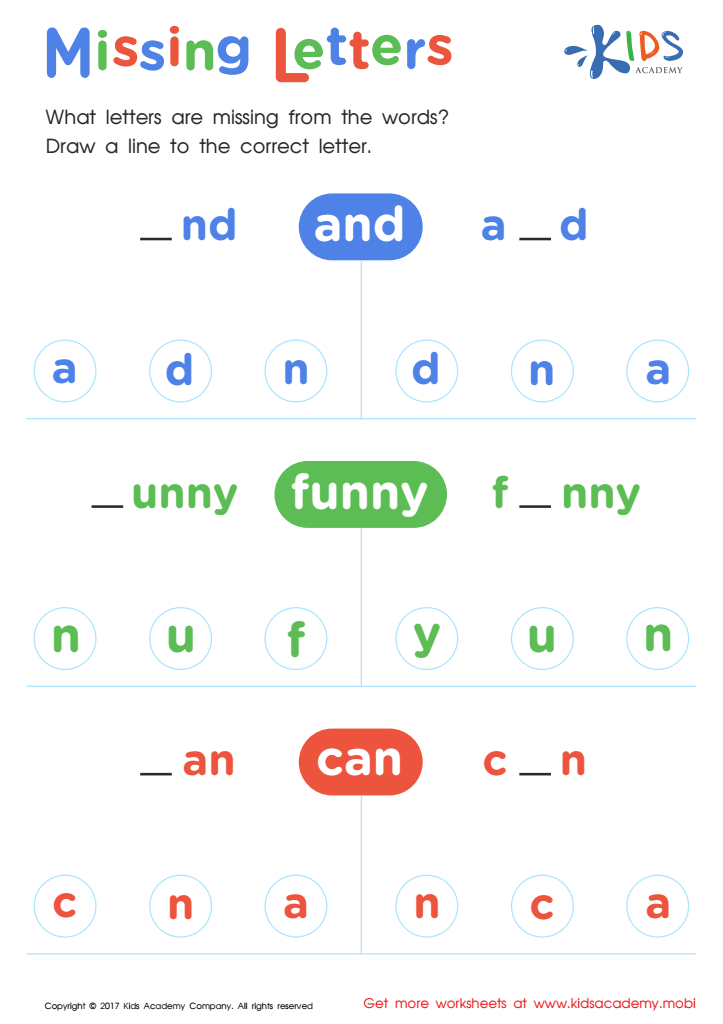
Missing Letters Worksheet
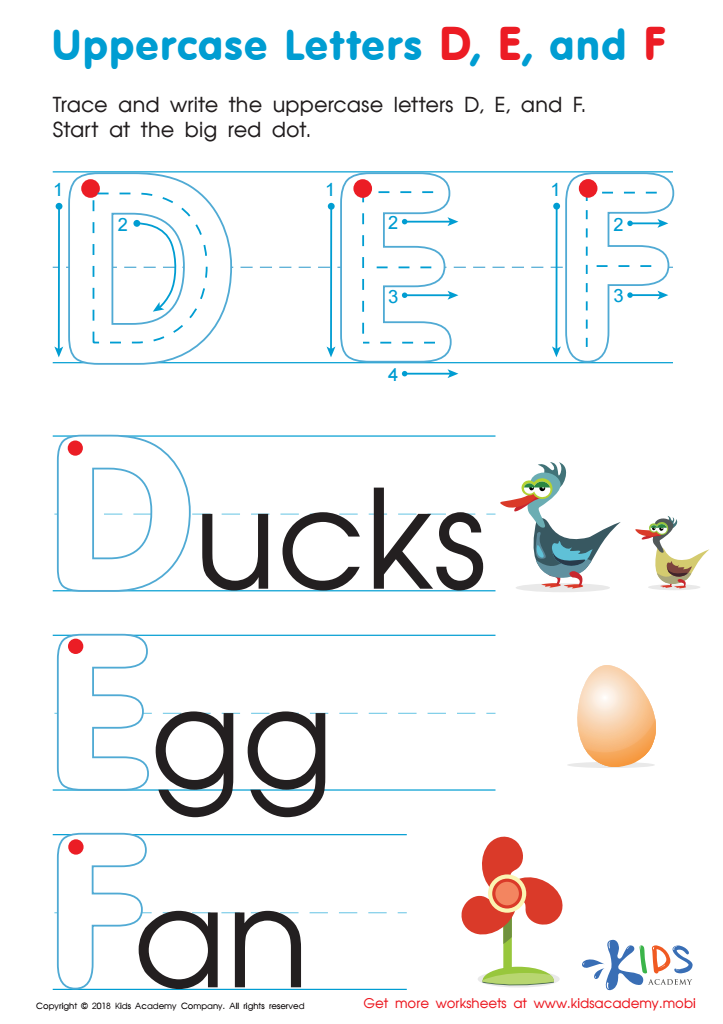
Uppercase Letters D, E, and F Worksheet
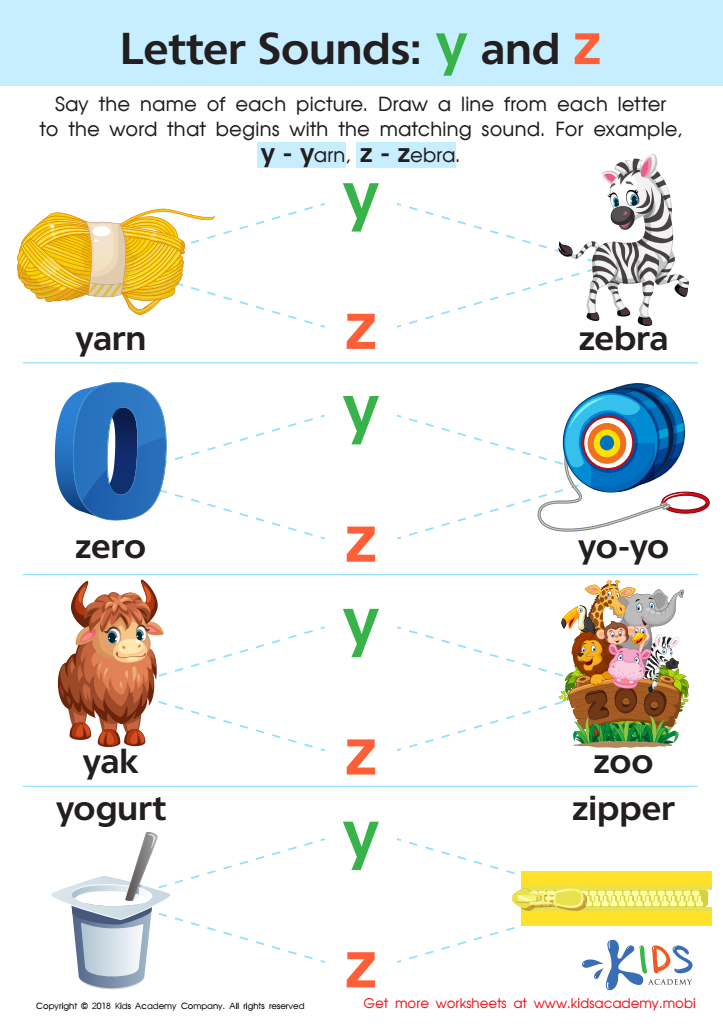
Letter Y and Z Sounds Worksheet
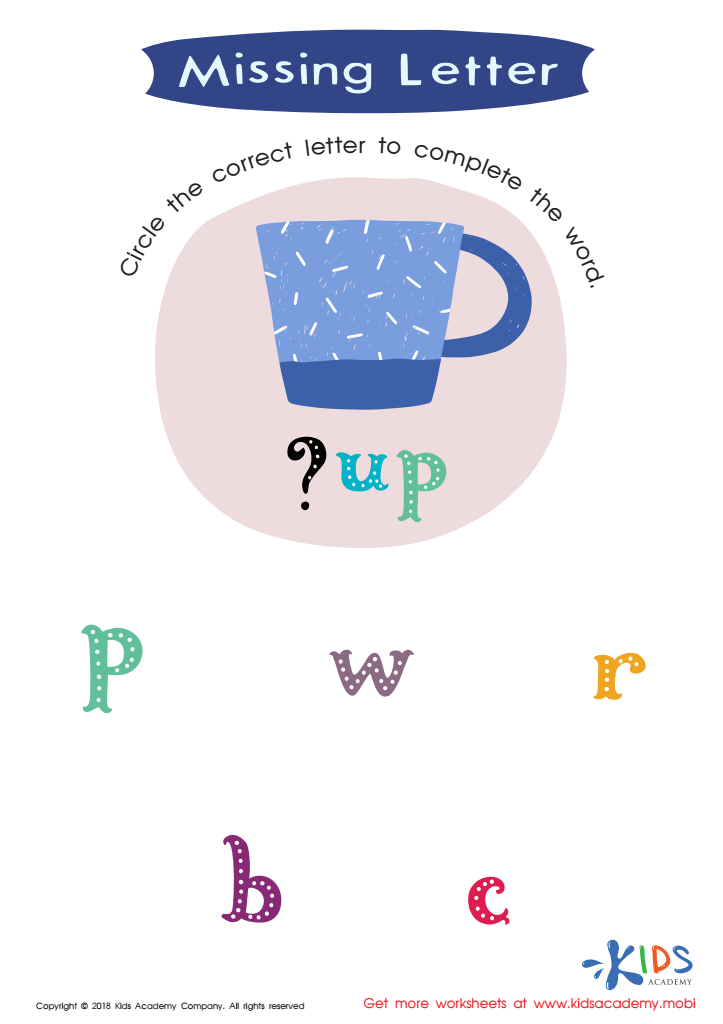
Missing Letter Worksheet
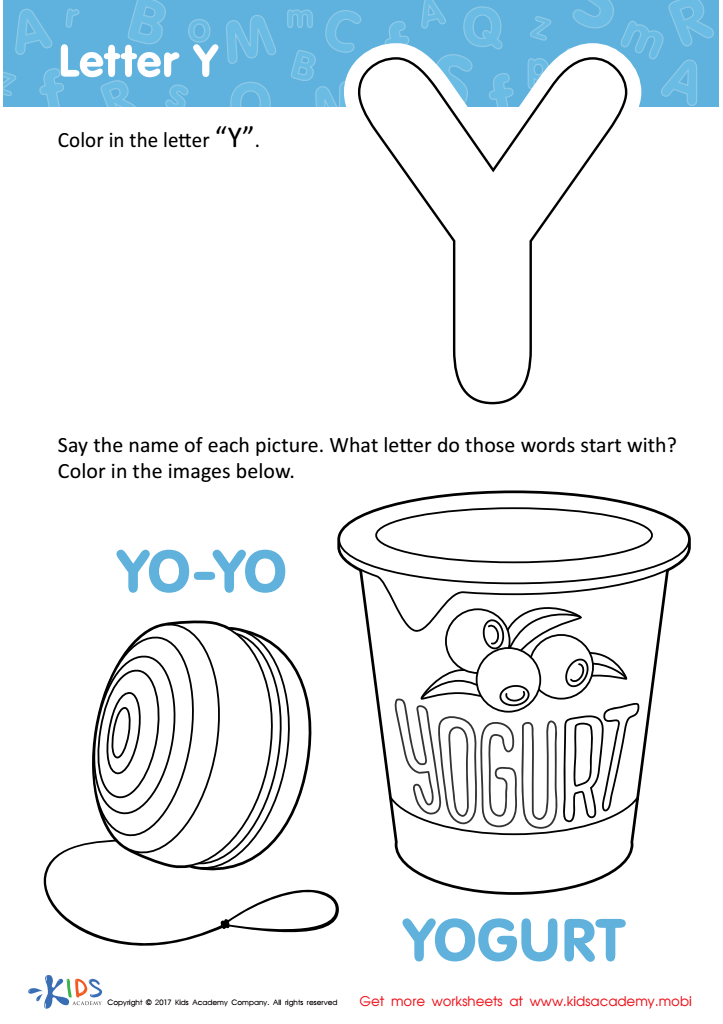
Letter Y Coloring Sheet
 Assign to My Students
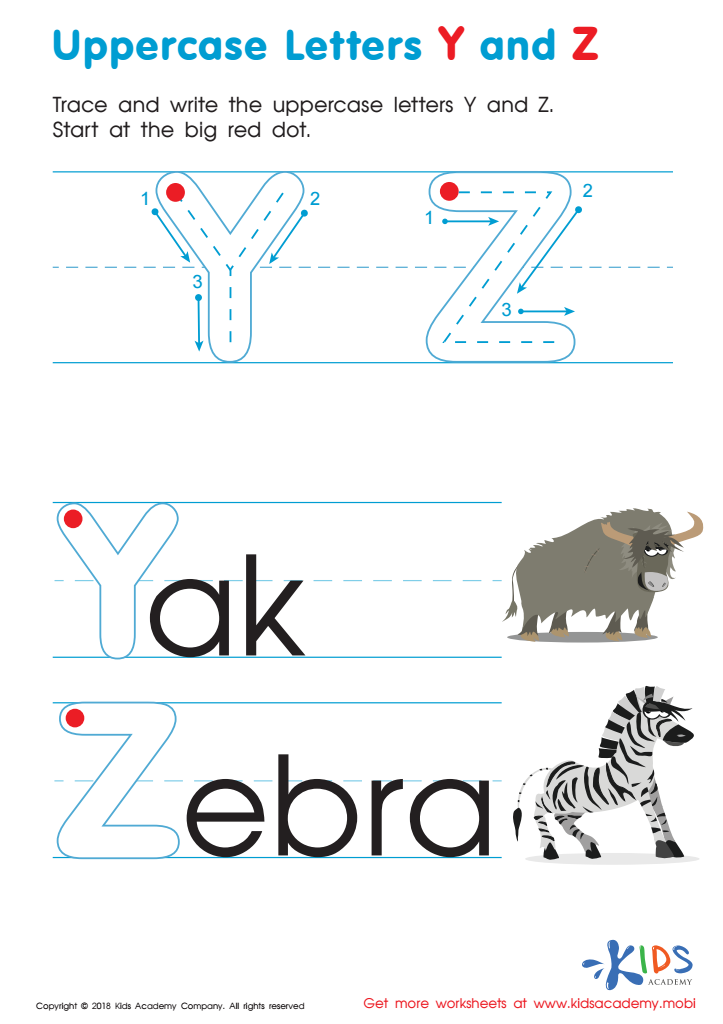
Uppercase Letters Y Z Worksheet
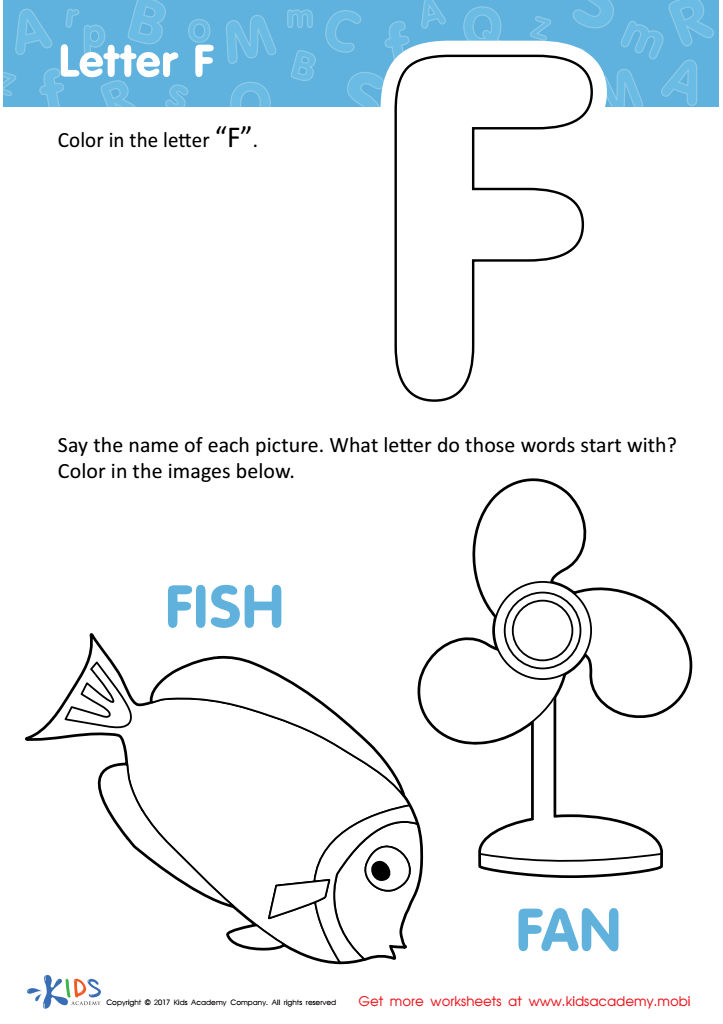
Letter F Coloring Sheet
Assign to My Students
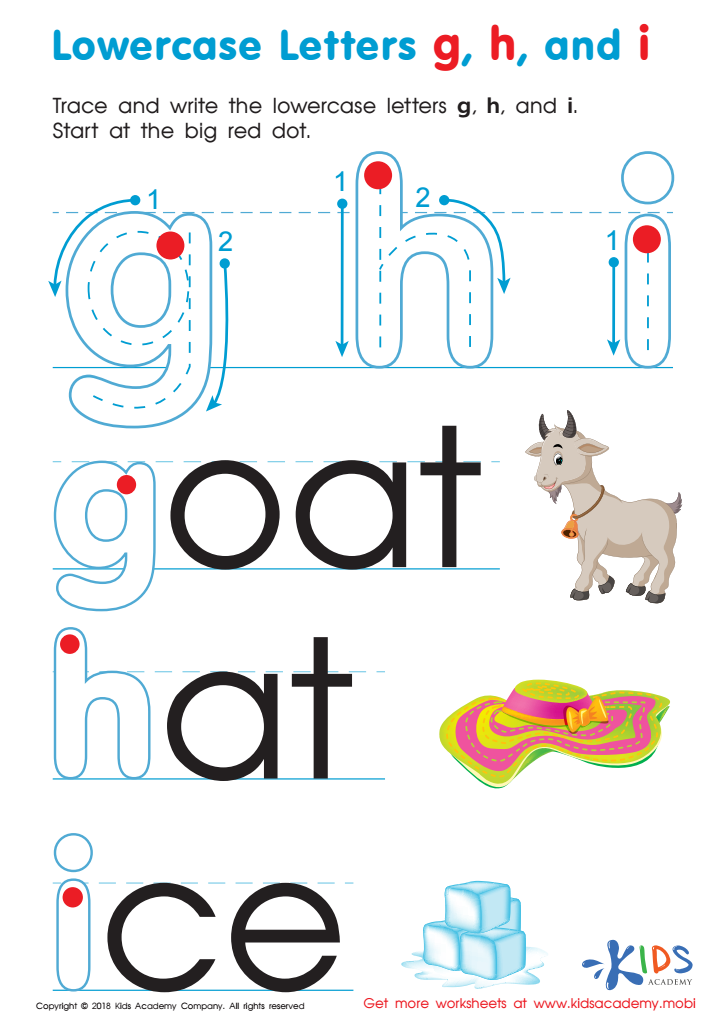
Lowercase Letters g h i Worksheet
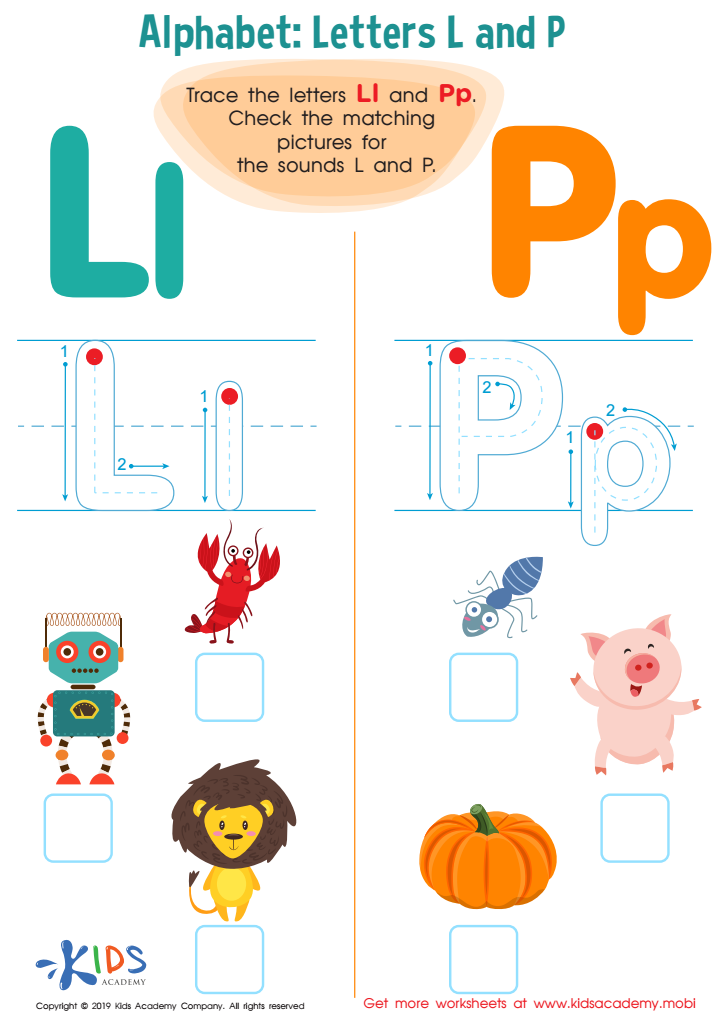
Letter L and P Tracing Worksheet
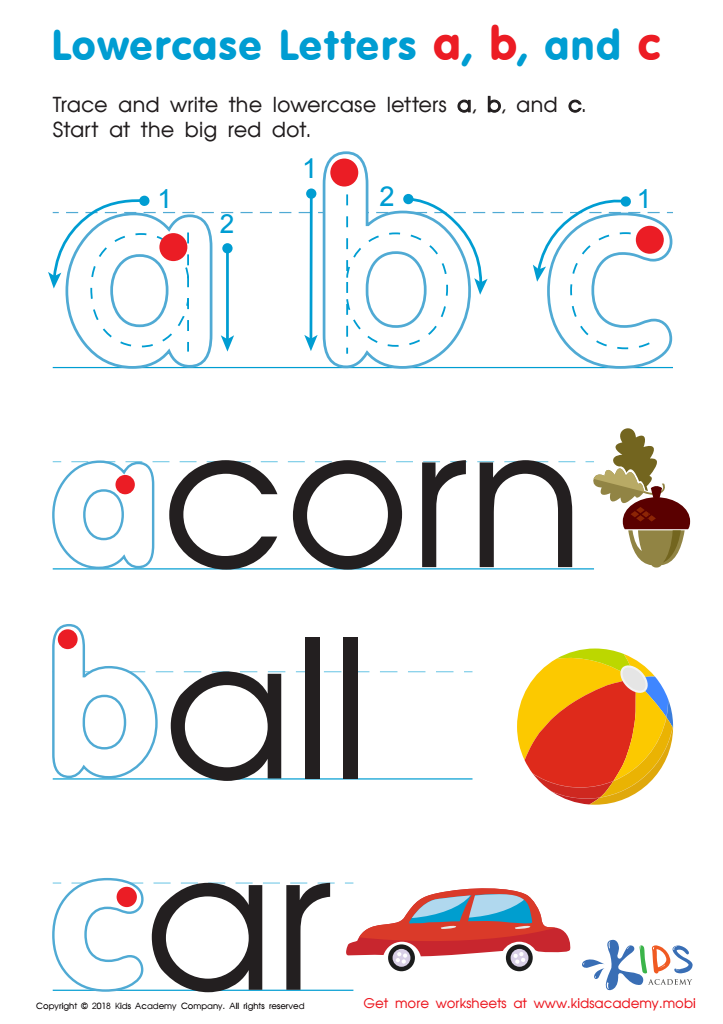
Lowercase Letters a b c Worksheet
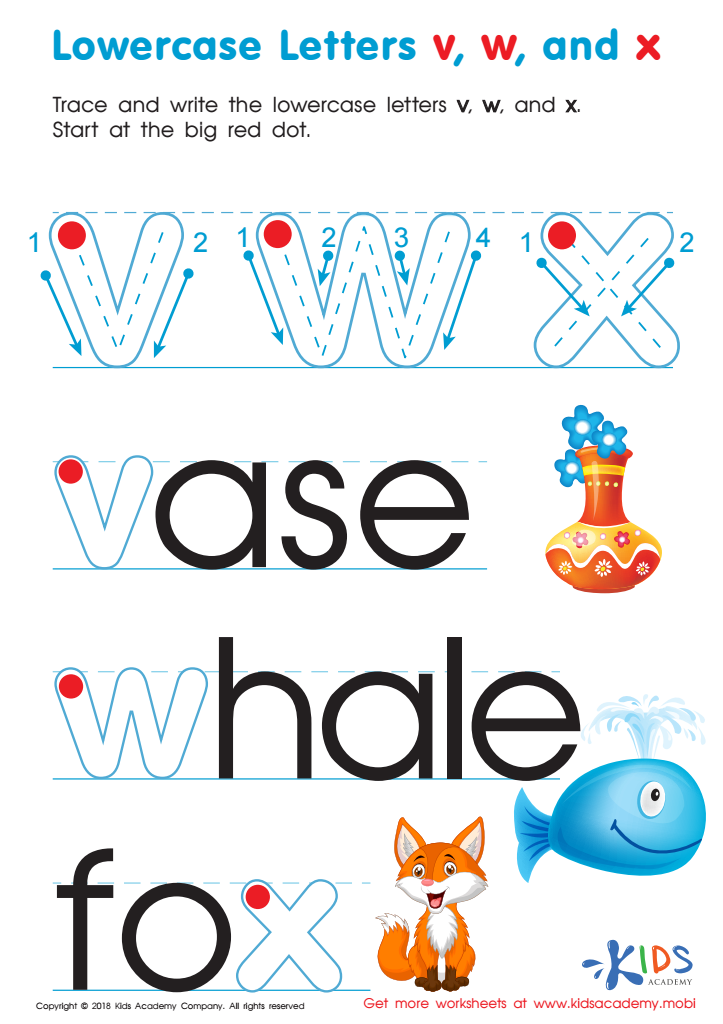
Lowercase Letters v w x Worksheet
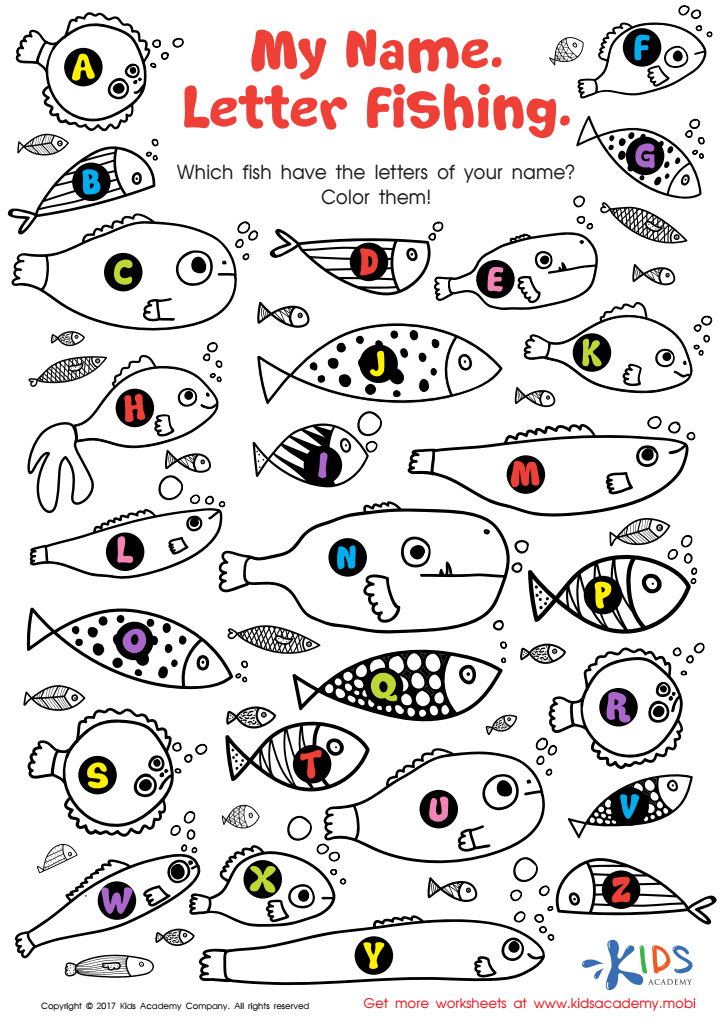
My Name: Letter Fishing Worksheet
Assign to My Students
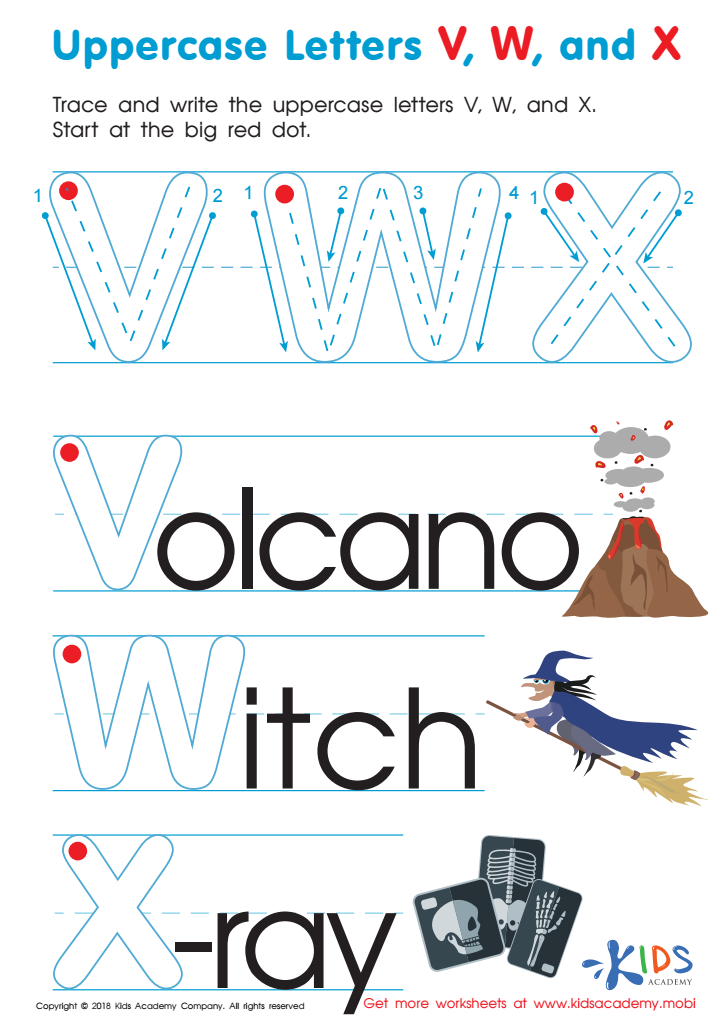
Uppercase Letters V, W, and X Worksheet
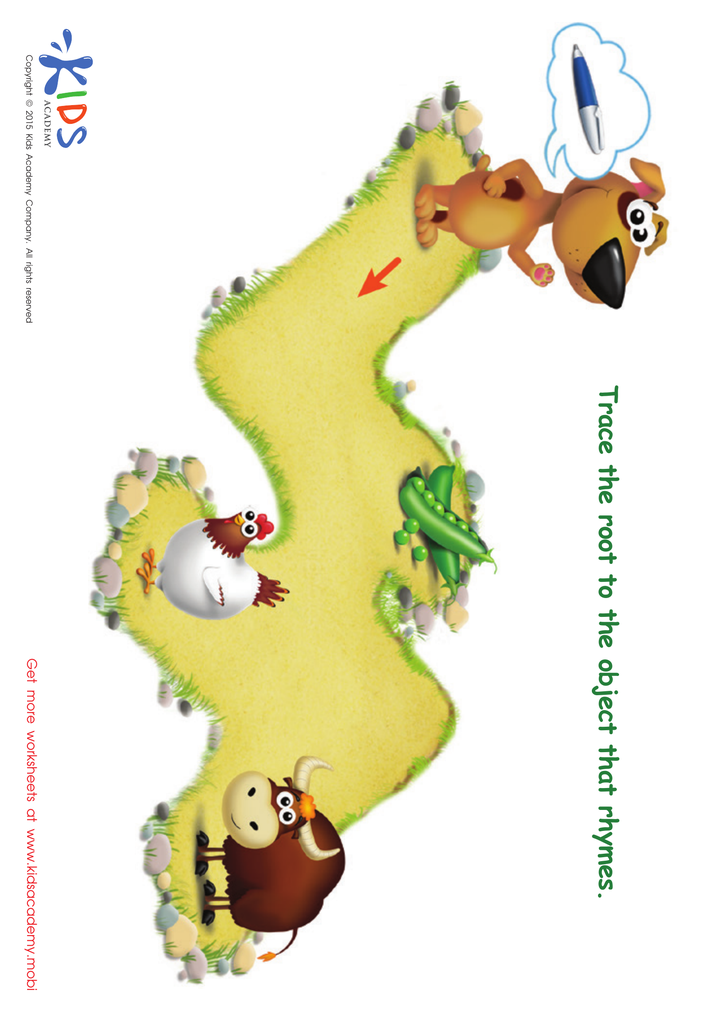
Pen Rhyming Words Worksheet







Alphabet recognition is a foundational skill for children aged 5-6, making it imperative for parents and teachers to prioritize this development. At this age, children are transitioning from pre-kindergarten to formal schooling, where literacy becomes crucial for their academic success. Recognizing letters helps children decode words and understand that letters represent sounds, serving as the groundwork for reading and writing skills.
Understanding the alphabet also impacts children's confidence and motivation in learning. If children can easily recognize letters, they are more likely to engage with texts, participate in group activities, and share their thoughts in discussions. Additionally, alphabet recognition fosters language development by encouraging vocabulary expansion and comprehension skills.
Moreover, this skill builds essential phonemic awareness, enabling children to identify and manipulate sounds in words. This is vital for later reading fluency and the ability to spell. When parents and teachers emphasize alphabet recognition, they are equipping children with the tools to navigate their educational journey successfully. The collaborative efforts of home and school in reinforcing this skill can significantly enhance a child's learning experience, setting a strong foundation for future academic endeavors. In summary, alphabet recognition is critical for fostering literacy, confidence, and a lifelong love of learning.







