Phonics skills development Alphabet Worksheets for Ages 5-6
5 filtered results
-
From - To
Discover our engaging Phonics Skills Development Alphabet Worksheets designed specifically for children aged 5-6! These thoughtfully crafted worksheets support early literacy by helping young learners recognize sounds and decode words effectively. Through fun and interactive activities, your child will enhance their phonemic awareness, strengthen letter-sound associations, and build a strong foundation for reading success. With a variety of exercises tailored to different learning styles, these worksheets are perfect for classrooms or home learning. Provide your little ones with the tools they need to thrive in their reading journey. Explore our resources today and ignite a lifelong love for reading!
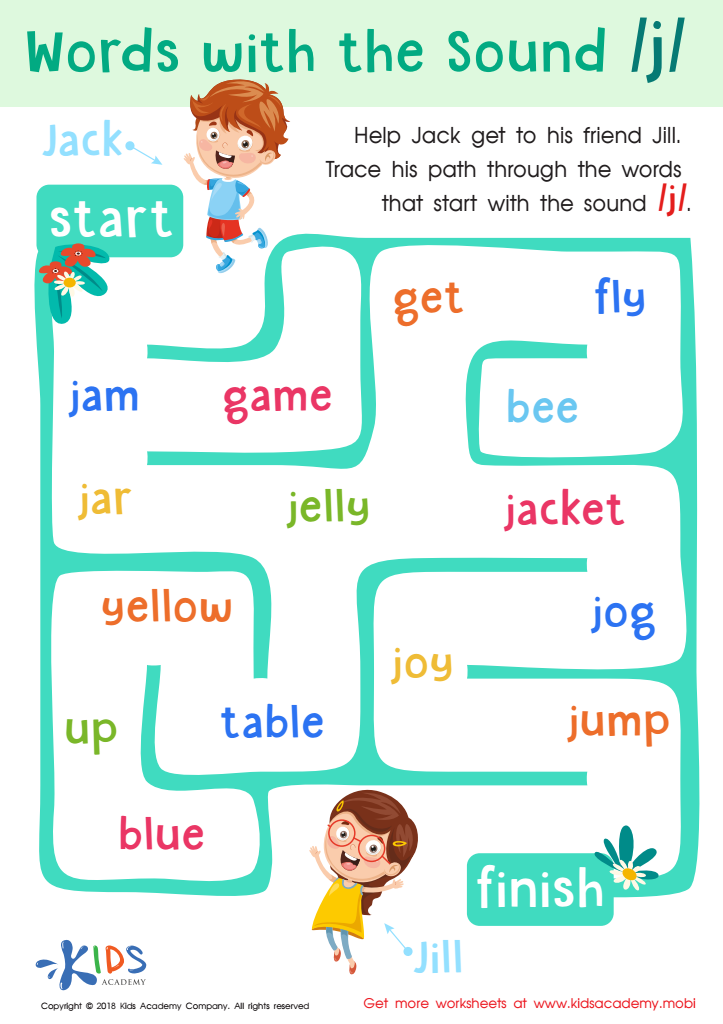
Words with sound j Reading Worksheet
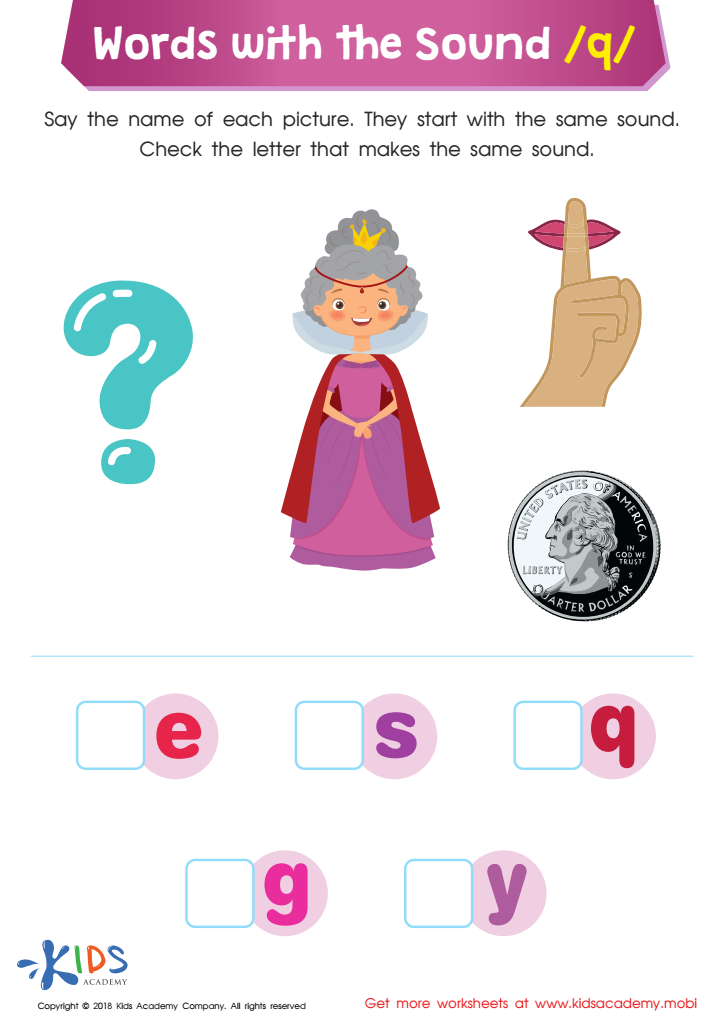
Words with Sound Q Reading Worksheet
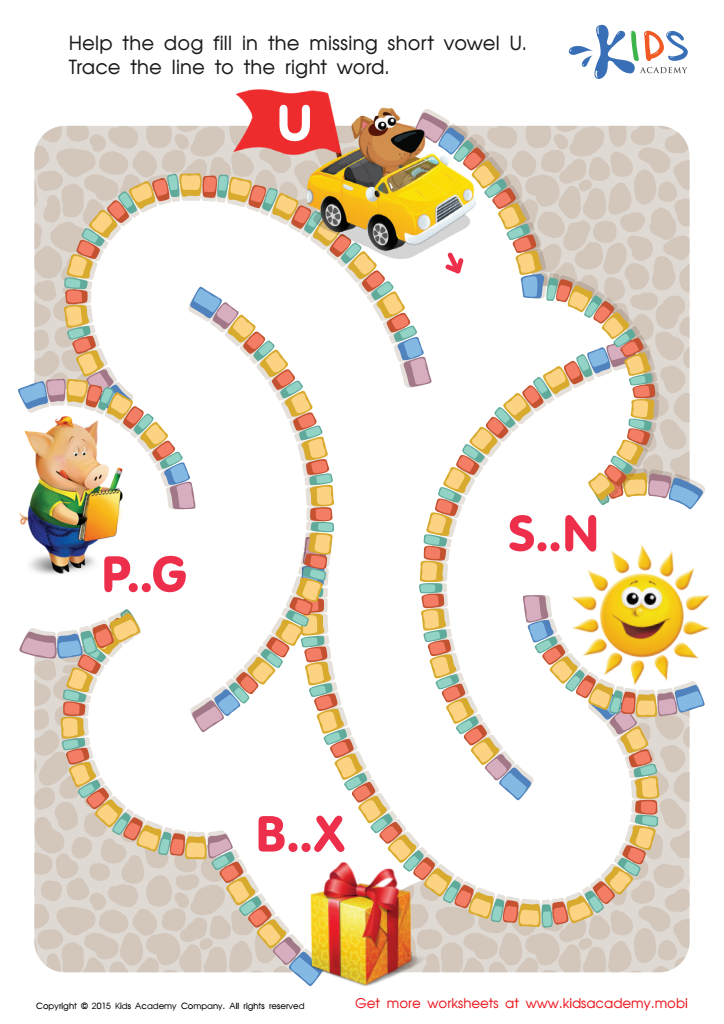
Short Vowel Sound U Worksheet
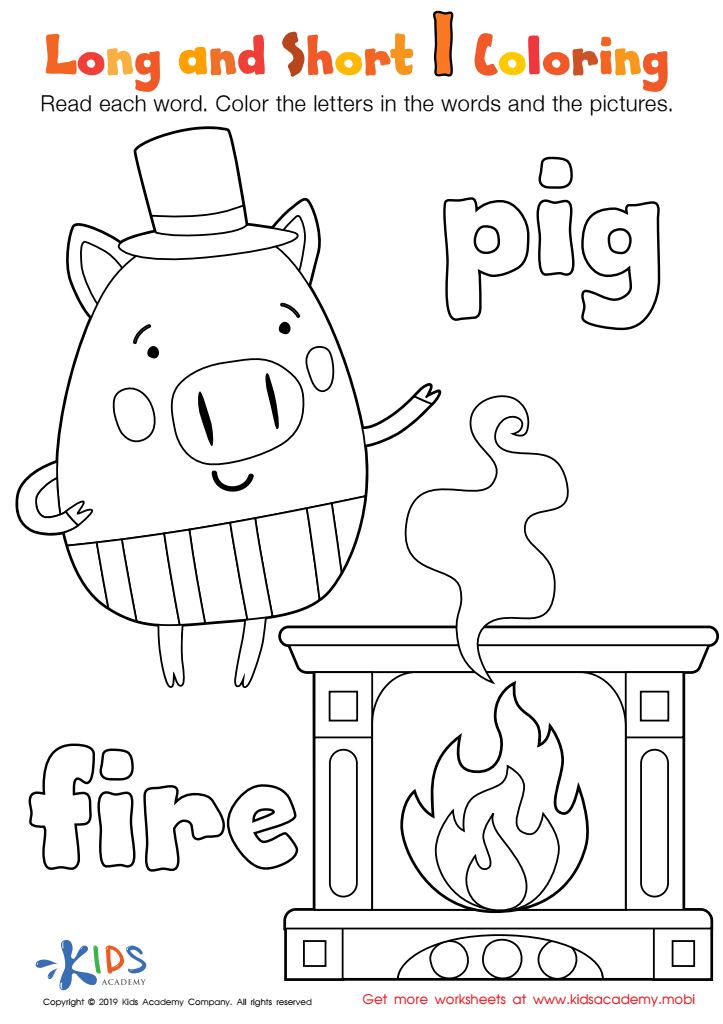
Long and Short I Worksheet
 Assign to My Students
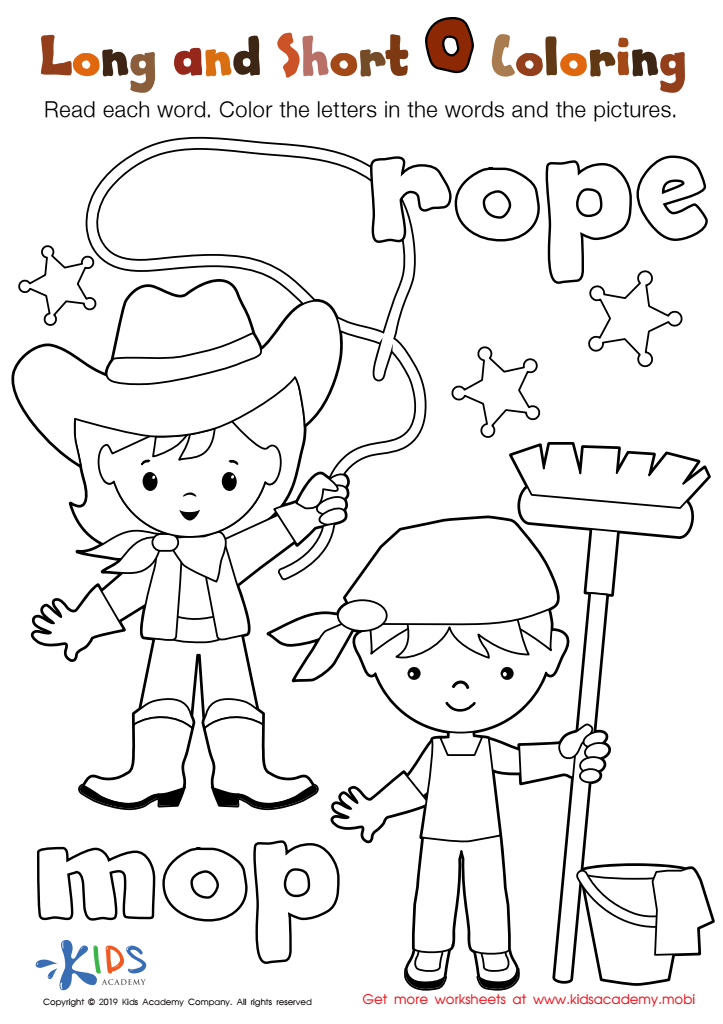
Long and Short O Worksheet
Assign to My Students







Phonics skills development is crucial for children aged 5-6 as it lays the foundation for reading and writing. At this age, children start to connect sounds with letters, enabling them to decode words. This process not only enhances their literacy skills but also boosts their confidence in social interactions, as they learn to express themselves through reading and writing.
Understanding phonics helps children grasp the relationship between spoken sounds and their corresponding letters, fostering better pronunciation and spelling. Early mastery of these skills can significantly impact their academic success, as reading is a core element across all subjects.
Additionally, phonics instruction promotes critical thinking and cognitive development. As children learn to sound out words, they develop analytical skills that benefit problem-solving and comprehension in various contexts.
Moreover, phonics is a vital tool in combating reading challenges, ensuring that all children have the ability to thrive academically. By engaging in phonics activities, parents and teachers create supportive environments that encourage exploration and curiosity, setting the stage for lifelong learning. Investing time in developing phonics skills at this young age is essential to nurturing competent, confident readers and successful learners.







