Reading skills development Alphabet Worksheets for Ages 5-6
5 filtered results
-
From - To
Unlock your child's potential with our engaging Reading Skills Development Alphabet Worksheets designed specially for ages 5-6! These worksheets are perfect for young learners, helping them build foundational literacy skills through fun activities that focus on letter recognition, sound association, and vocabulary development. By integrating interactive exercises, our worksheets promote critical thinking and early reading proficiency, making learning enjoyable. Each page encourages independent practice while enhancing a child's ability to connect letters with sounds and words. Watch as your young reader flourishes, gaining confidence and enthusiasm for reading. Start their literacy journey today with our expertly crafted alphabet resources!
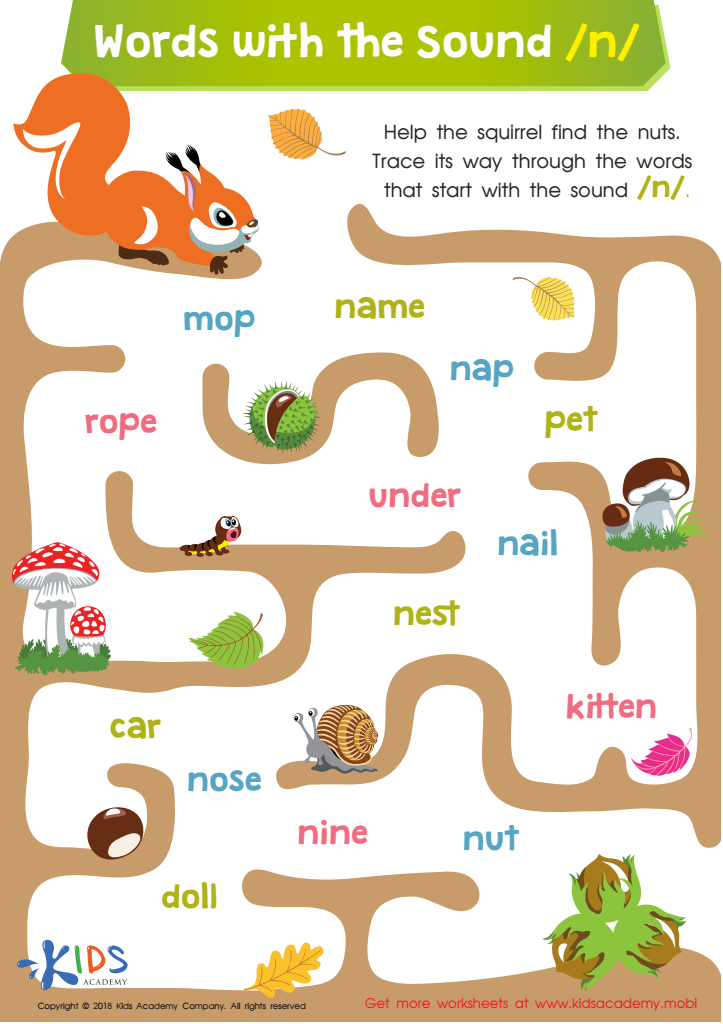
Words with Sound N Reading Worksheet
 Assign to My Students
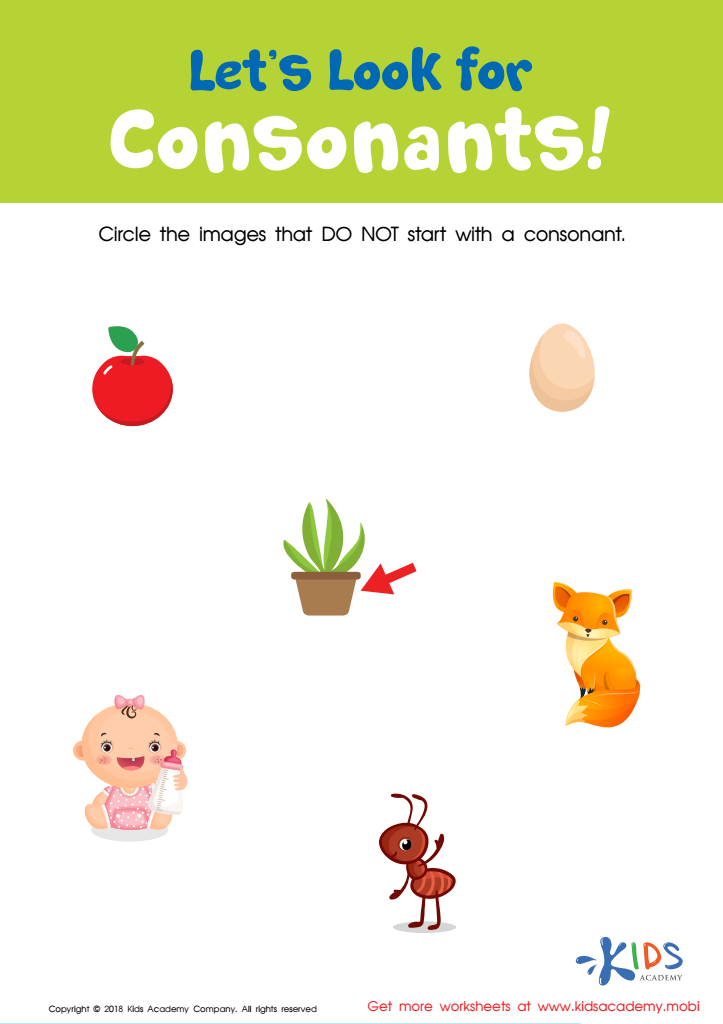
Let's Look for Consonants Worksheet
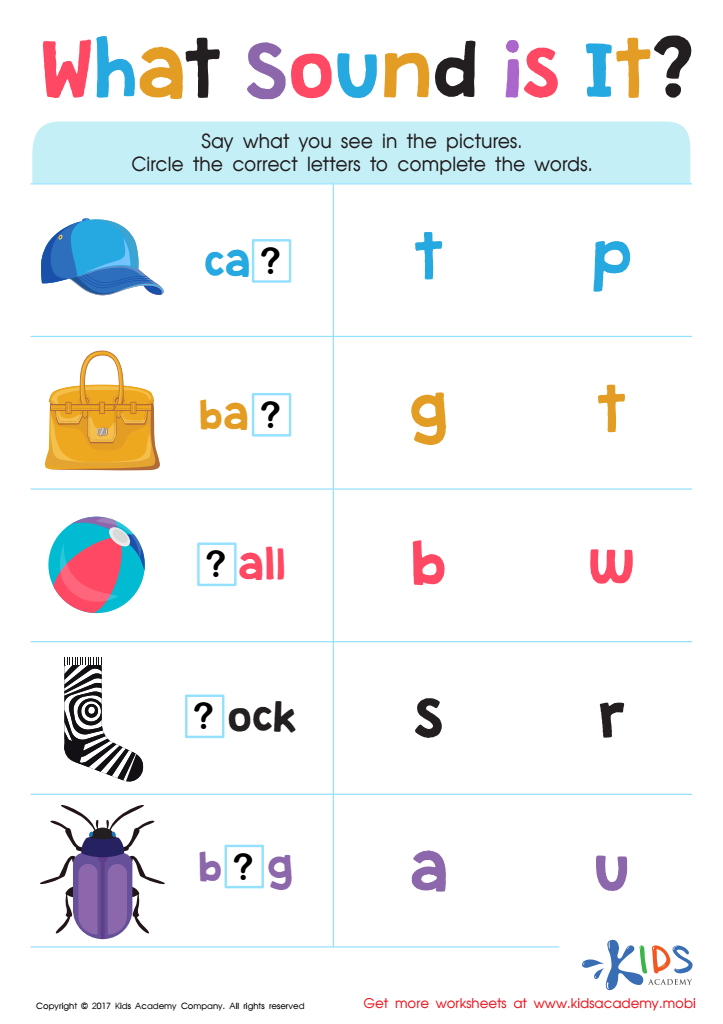
What Sound Is it? Worksheet
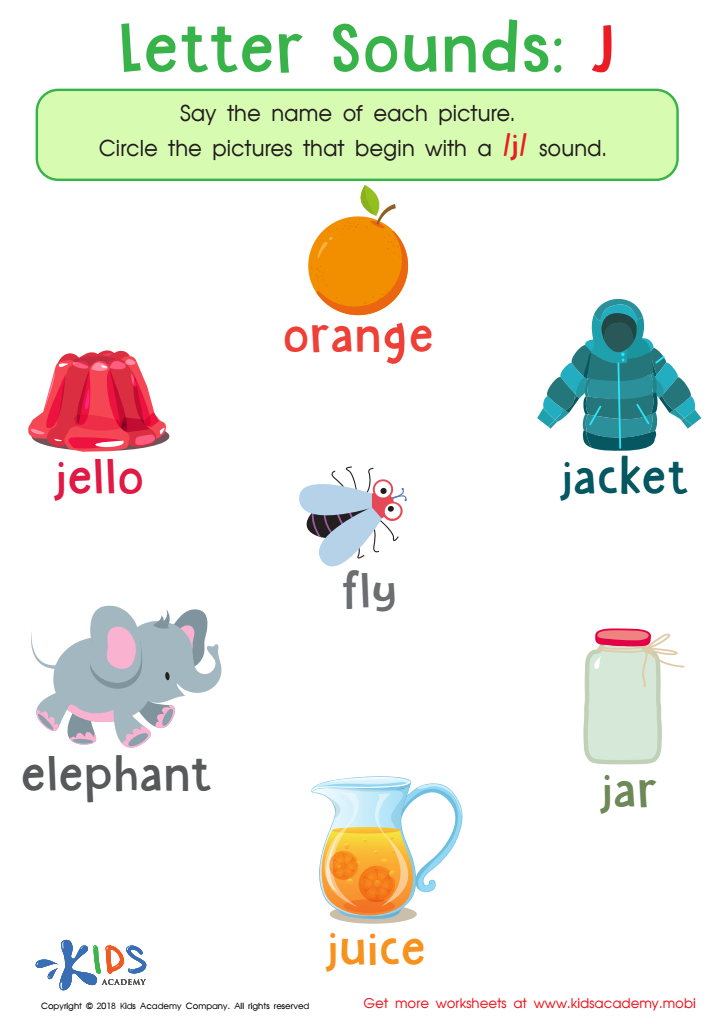
Letter Sounds: J Printable Worksheet
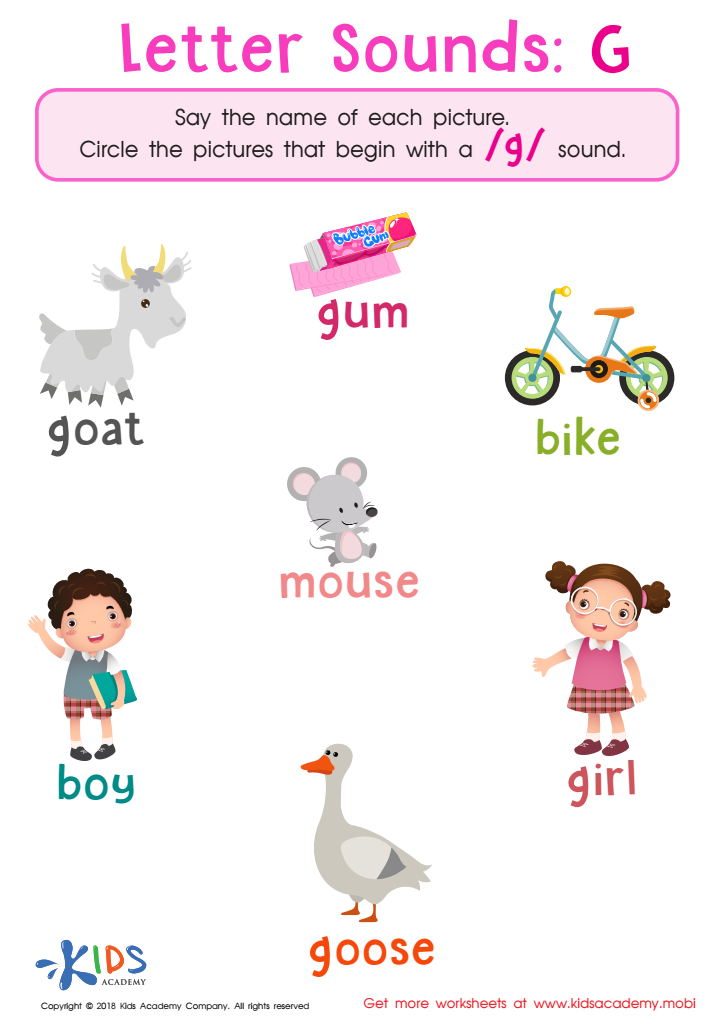
Letter G Sounds Worksheet








Reading skills development, particularly focusing on the alphabet for ages 5-6, is crucial for several reasons, making it a pivotal area of focus for both parents and teachers. First, mastery of the alphabet lays the foundational building blocks for reading and writing. At this age, children are rapidly acquiring the skills they need to decode words and understand language. Recognizing letters enables them to connect sounds to letters, paving the way for phonics instruction, which is essential for developing fluent reading.
Moreover, strong reading skills foster cognitive development and enhance vocabulary acquisition. When children engage with letters and sounds, they begin to form connections between words and their meanings, which enriches their overall language skills. Additionally, early literacy experiences have a long-lasting impact on academic success; children who grasp reading mechanisms early on typically perform better in school.
Parents and teachers cultivating a love for reading at this age can instill confidence and encourage lifelong reading habits. Engaging children with interactive methods—such as songs, games, and storytelling—can turn learning into an enjoyable adventure. Consequently, prioritizing alphabet development is vital for nurturing well-rounded, capable learners ready to tackle future academic endeavors.







