Alphabetical order understanding Letter Recognition Worksheets for Ages 5-6
4 filtered results
-
From - To
Unlock your child's potential with our Alphabetical Order Understanding Letter Recognition Worksheets designed for ages 5-6! These engaging and interactive activities promote early literacy by helping children recognize and organize letters in alphabetical order. Through colorful illustrations and fun exercises, kids will develop essential skills like letter identification and sequencing. Perfect for classroom use or at-home practice, our worksheets create a playful yet educational experience that makes learning letters enjoyable. Build a strong foundation for reading and writing as your child explores the alphabet in a structured and stimulating way. Start your young learner's journey to literacy today!
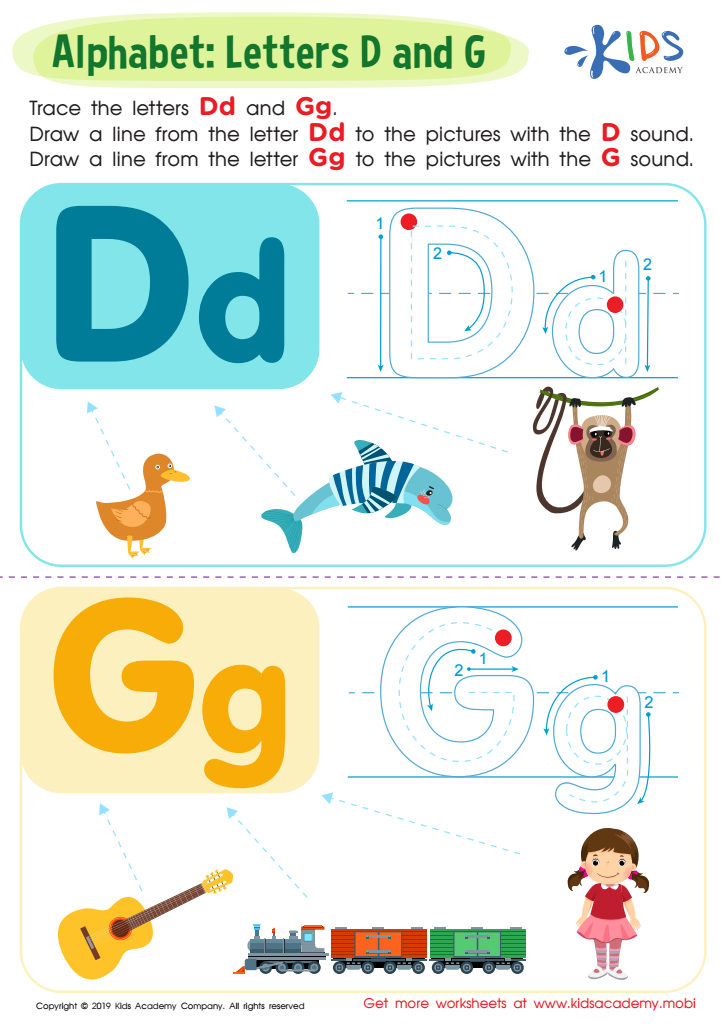
Letter D and G Tracing Worksheet
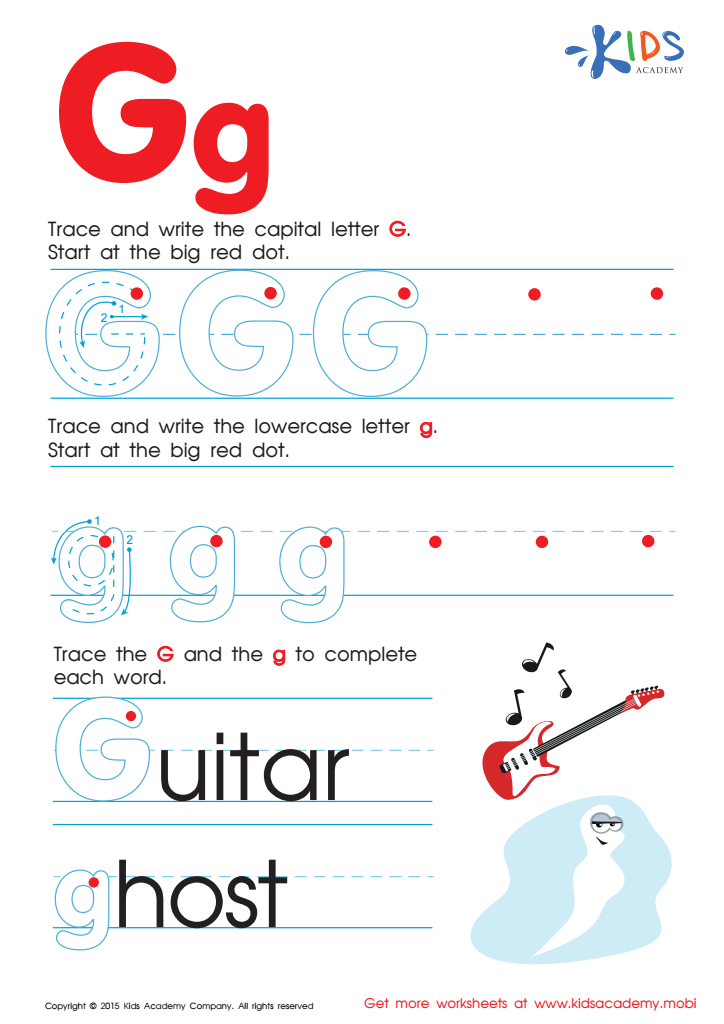
Letter G Tracing Page
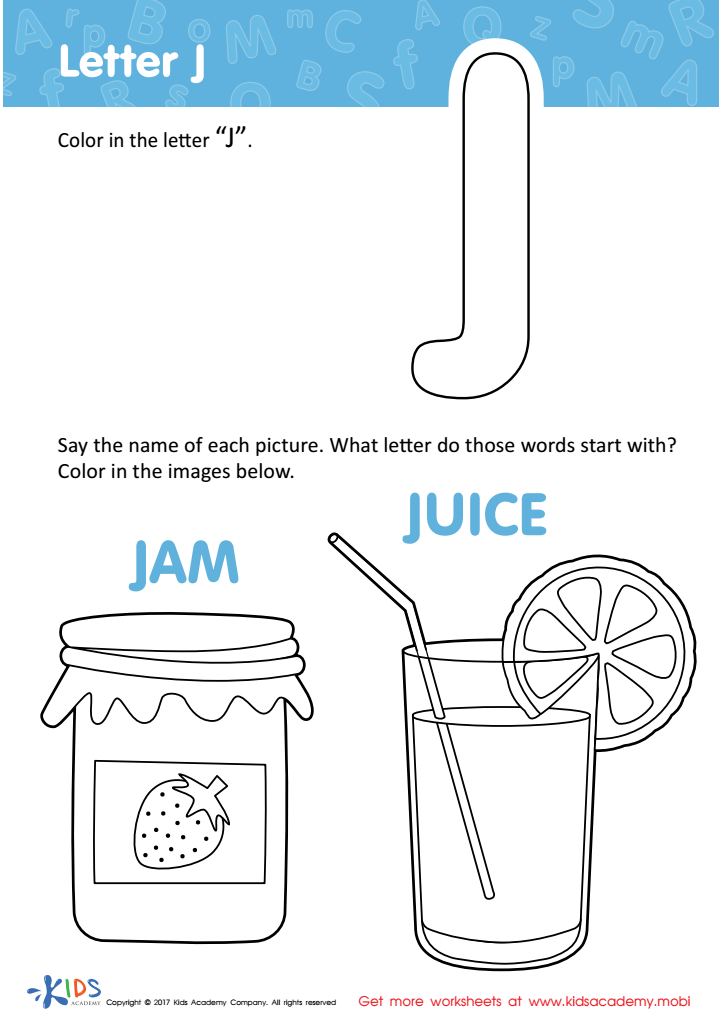
Letter J Coloring Sheet
 Assign to My Students
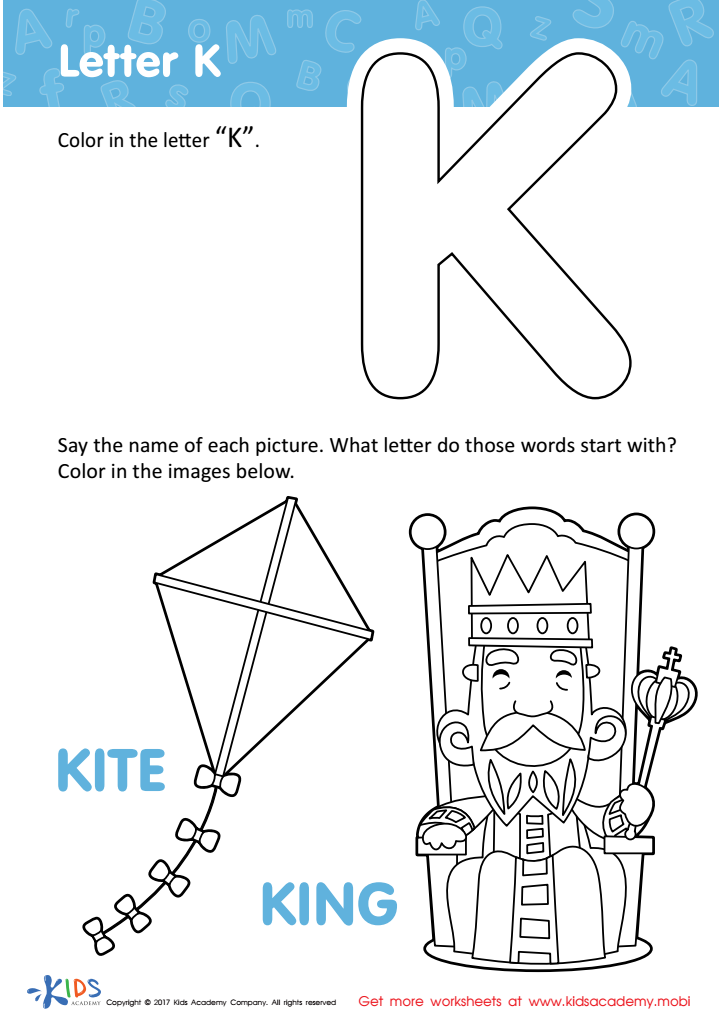
Letter K Coloring Sheet
Assign to My Students








Understanding alphabetical order and letter recognition is crucial for young children aged 5 to 6 as it lays the foundation for literacy skills essential for their future academic success. At this age, children are developing critical language skills that will influence their ability to read and write. Recognizing letters and understanding their sequence helps children navigate books, understand phonics, and decode words, fostering early reading abilities.
When children grasp the concept of alphabetical order, they develop organizational skills, an essential cognitive function that enhances their comprehension and problem-solving abilities. It also aids them in learning how to use resources like dictionaries and encyclopedias later on.
Additionally, mastery of letter recognition builds confidence. As children become proficient at identifying letters in order, their enthusiasm for reading can increase. Parents and teachers can support this learning by incorporating playful activities like singing the alphabet song, playing sorting games, and engaging in storytelling, which enhance these skills in a fun and interactive way.
Ultimately, recognizing the importance of alphabetical order and letter recognition in early childhood can create a positive and supportive learning environment, ensuring that children establish a solid literacy foundation that is vital throughout their educational journey.







