Fine Motor Skills Letter Recognition Worksheets for Ages 5-6 - Page 3
63 filtered results
-
From - To
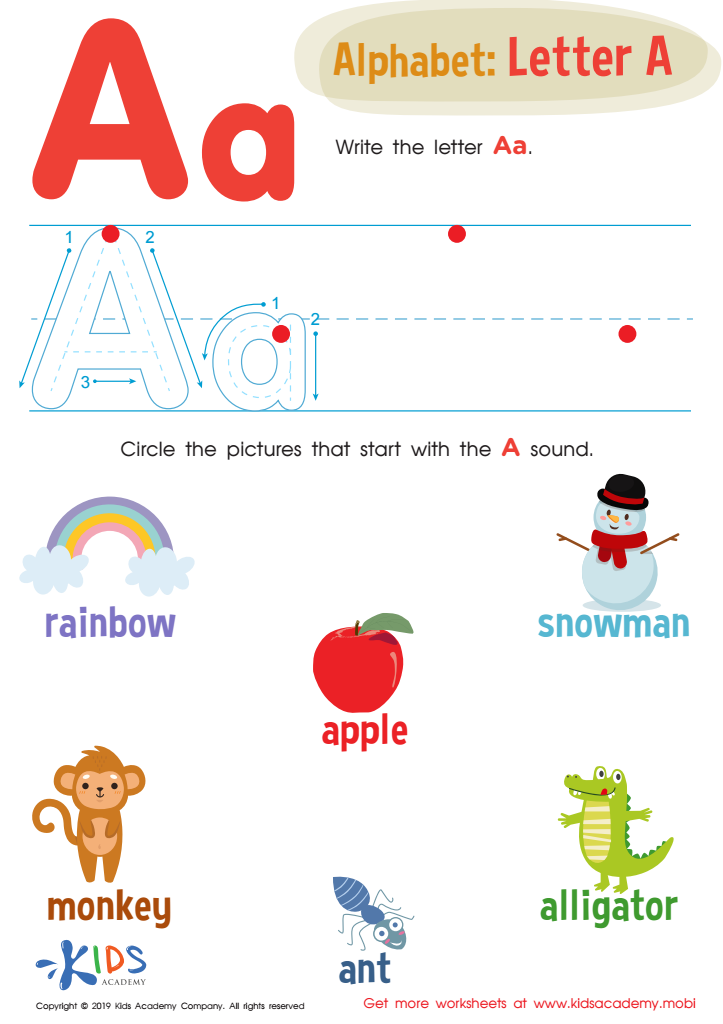
Letter A Tracing Worksheet
Letter G Coloring Sheet
 Assign to My Students
Letter Z Coloring Sheet
Assign to My Students
Find Lowercase Letters m n o Worksheet
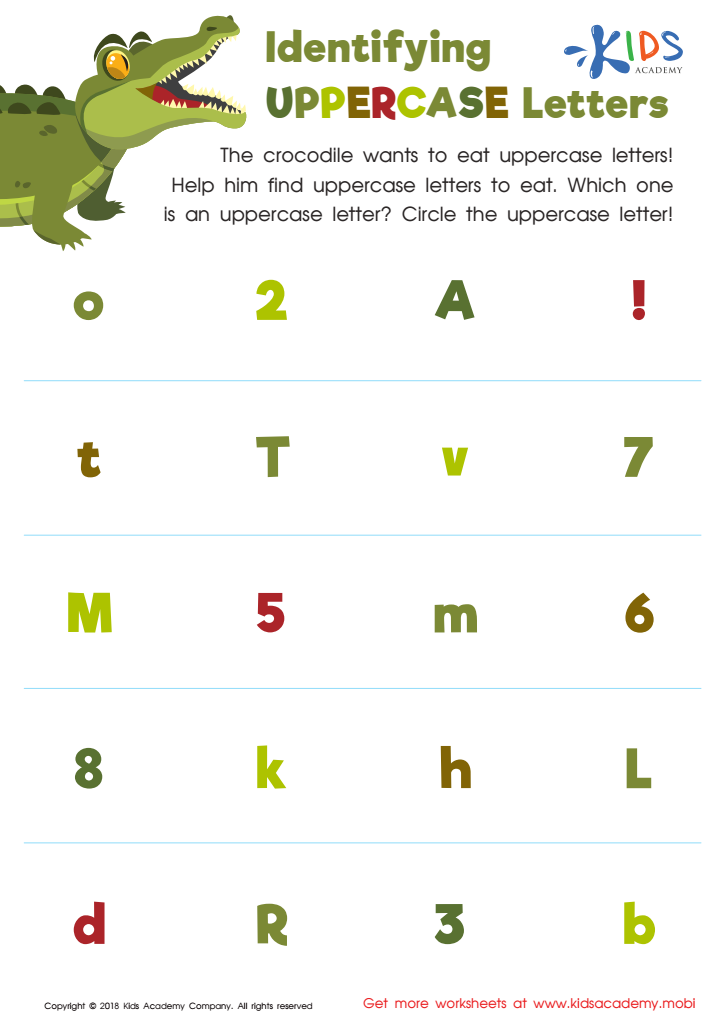
Identifying Uppercase Letters Worksheet
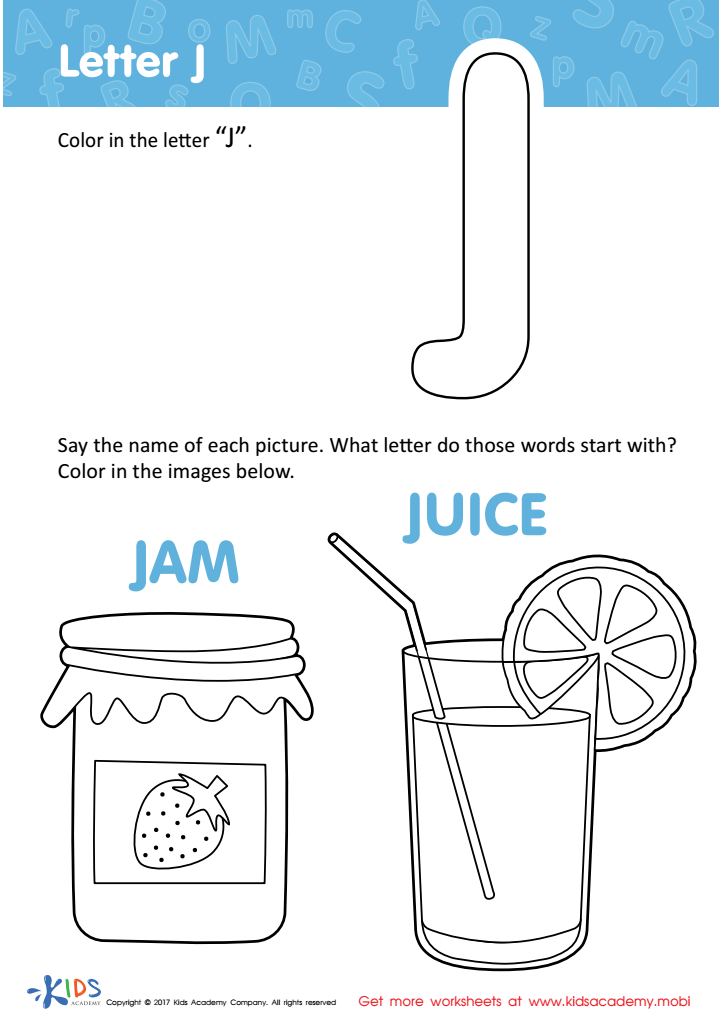
Letter J Coloring Sheet
Assign to My Students

Find lowercase letters a b c Worksheet
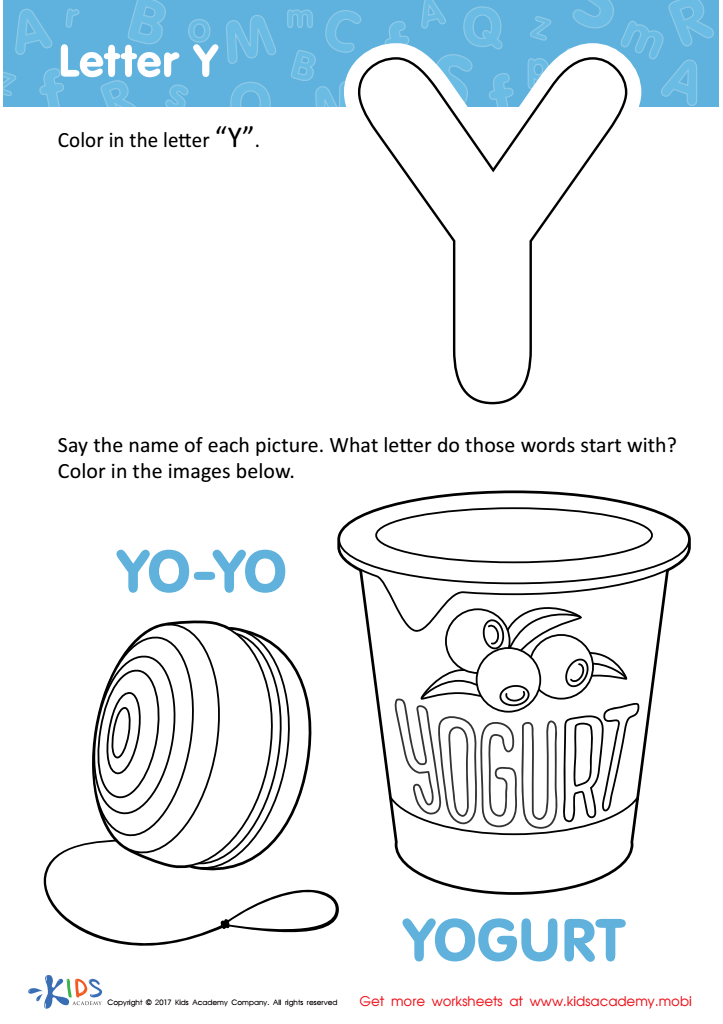
Letter Y Coloring Sheet
Assign to My Students

Find Lowercase Letters v w x Worksheet
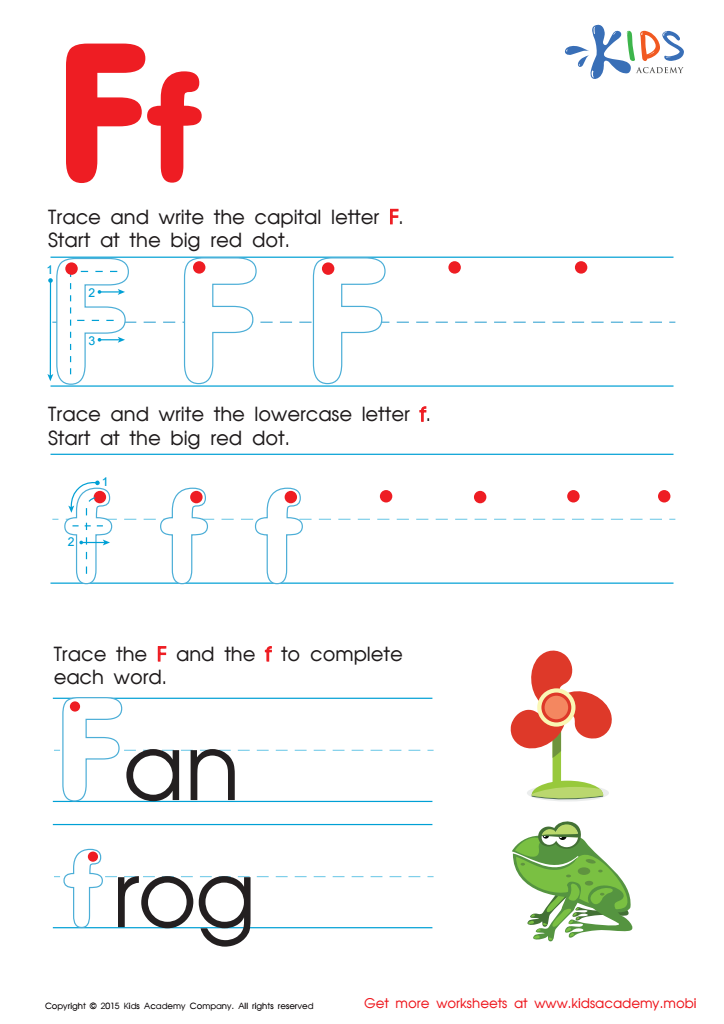
Letter F Tracing Page
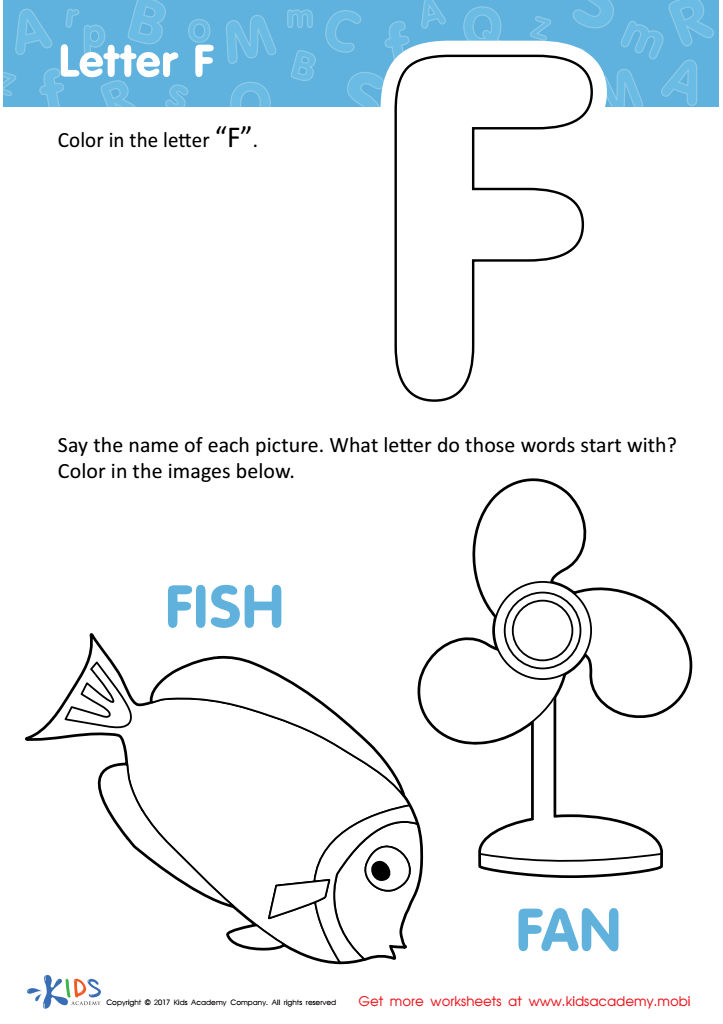
Letter F Coloring Sheet
Assign to My Students
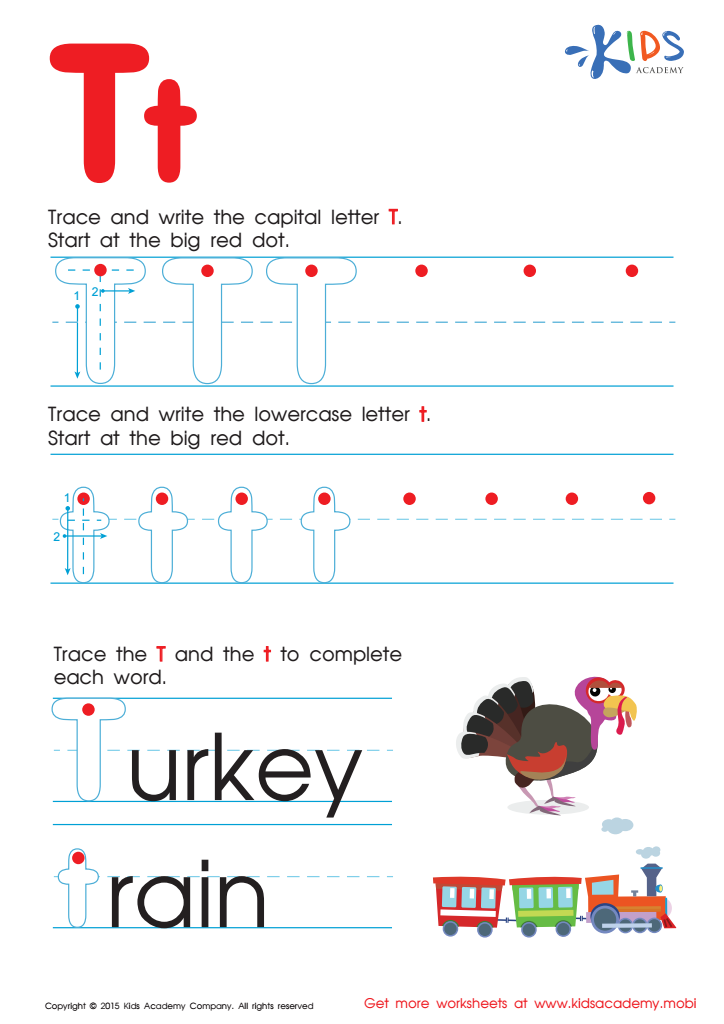
Letter T Tracing Page
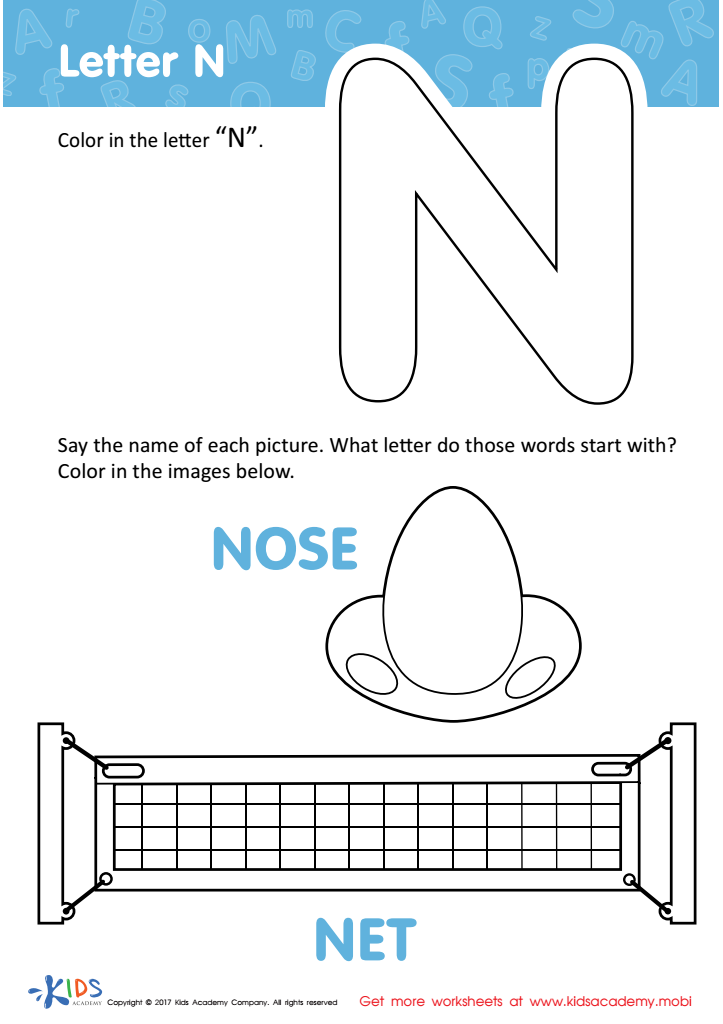
Letter N Coloring Sheet
Assign to My Students

Letter D Tracing Page
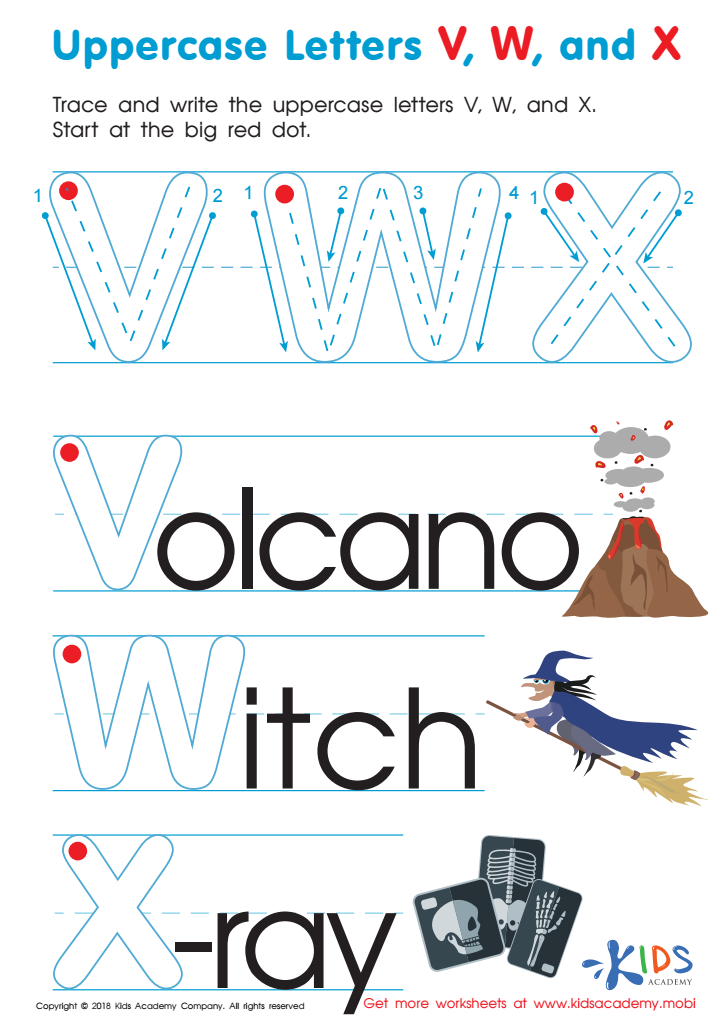
Uppercase Letters V, W, and X Worksheet








Fine motor skills and letter recognition are critical elements of early childhood development, particularly for children aged 5 to 6. Fine motor skills involve the coordination of small muscles, which are essential for tasks like writing, manipulating objects, and self-care. As children engage in activities that refine these skills, they not only develop physical dexterity but also enhance their cognitive abilities, which are closely linked to learning processes.
Letter recognition, the ability to identify and differentiate letters, is foundational for literacy development. Recognizing letters nurtures a child’s readiness to read and write, key milestones in their educational journey. It directly influences their ability to comprehend vocabulary, form words, and practice spelling.
When parents and teachers prioritize the development of fine motor skills in conjunction with letter recognition, they are fostering a holistic approach to learning. These intertwined skills can boost a child’s confidence, promote independence, and support academic success. Encouraging activities such as playdough modeling, tracing letters, and engaging in crafts can make learning enjoyable and effective. Ultimately, a strong foundation in these areas will set children on a path to lifelong learning and an appreciation for literacy.







