Hand-eye Coordination Letter Recognition Worksheets for Ages 5-6
10 filtered results
-
From - To
Enhance your child's learning journey with our Hand-eye Coordination Letter Recognition Worksheets designed for ages 5-6. These engaging worksheets combine fun activities with educational content, helping young learners improve their letter recognition skills while simultaneously developing crucial hand-eye coordination. Perfect for kindergarten and early grade students, our expertly created worksheets include activities like tracing letters, matching uppercase and lowercase pairs, and interactive games that captivate children’s interest. Foster early literacy and fine motor skills with these innovative and entertaining worksheets, available for download to support your child’s educational progress. Nurture knowledge with practice and play!

Letter A Tracing Page
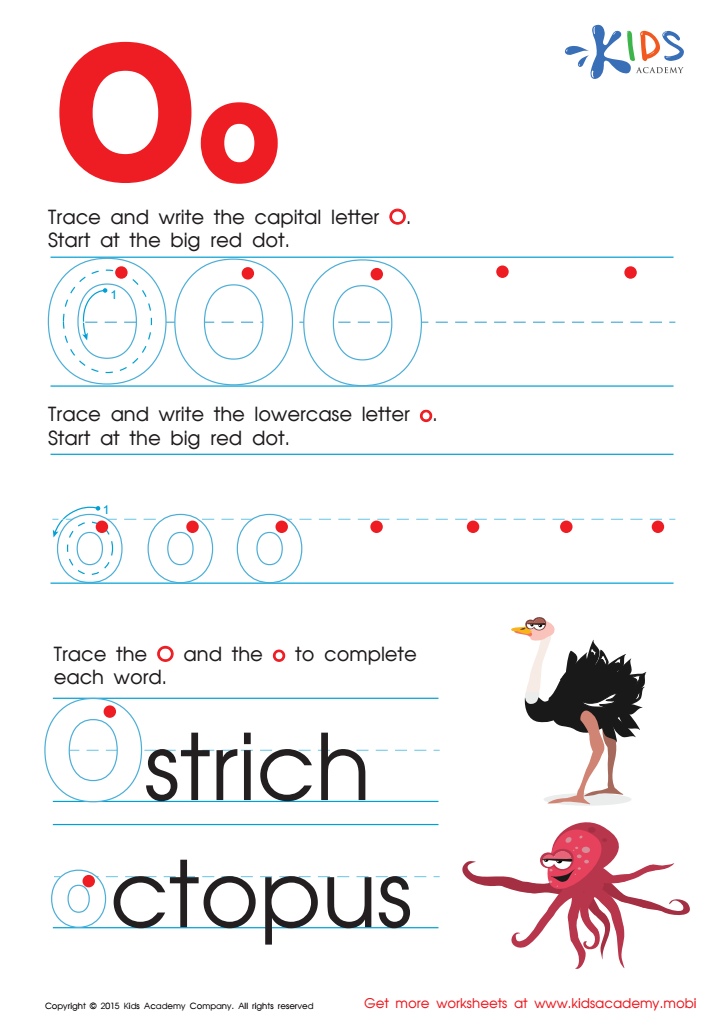
Letter O Tracing Page
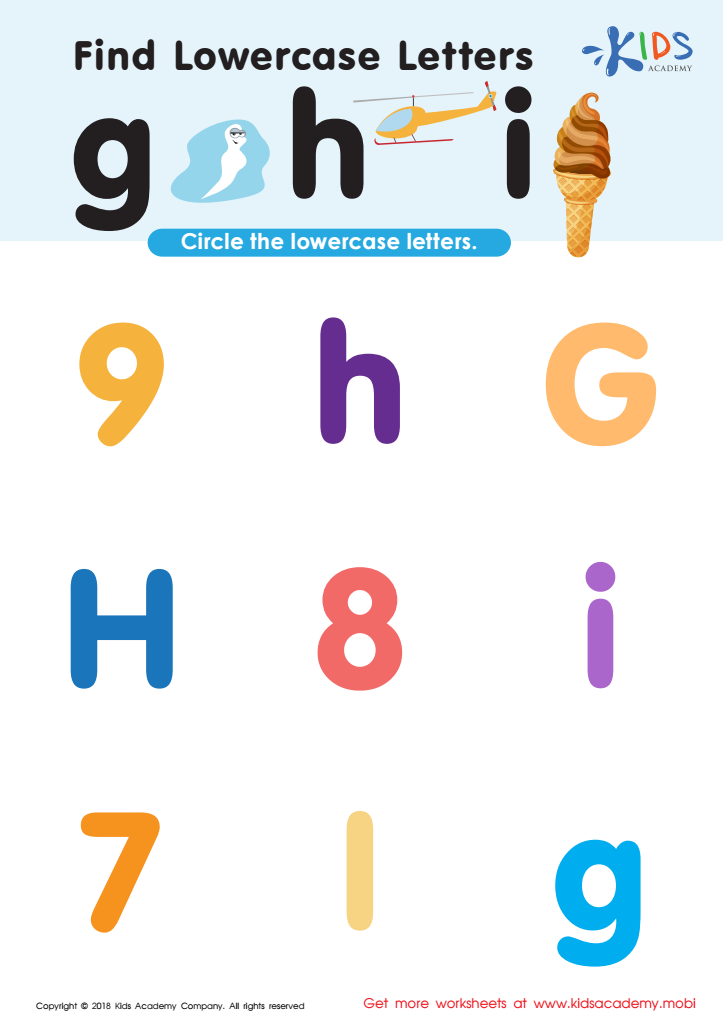
Find Lowercase Letters g h i Worksheet

Letter P Tracing Page
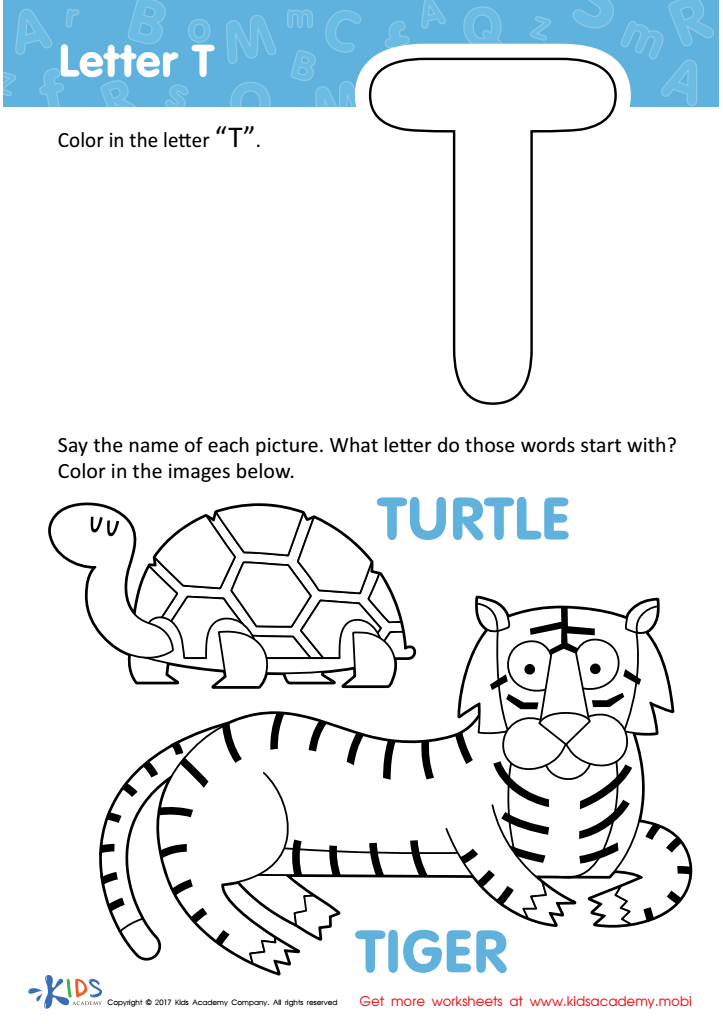
Letter T Coloring Sheet
 Assign to My Students

Letter H Tracing Page
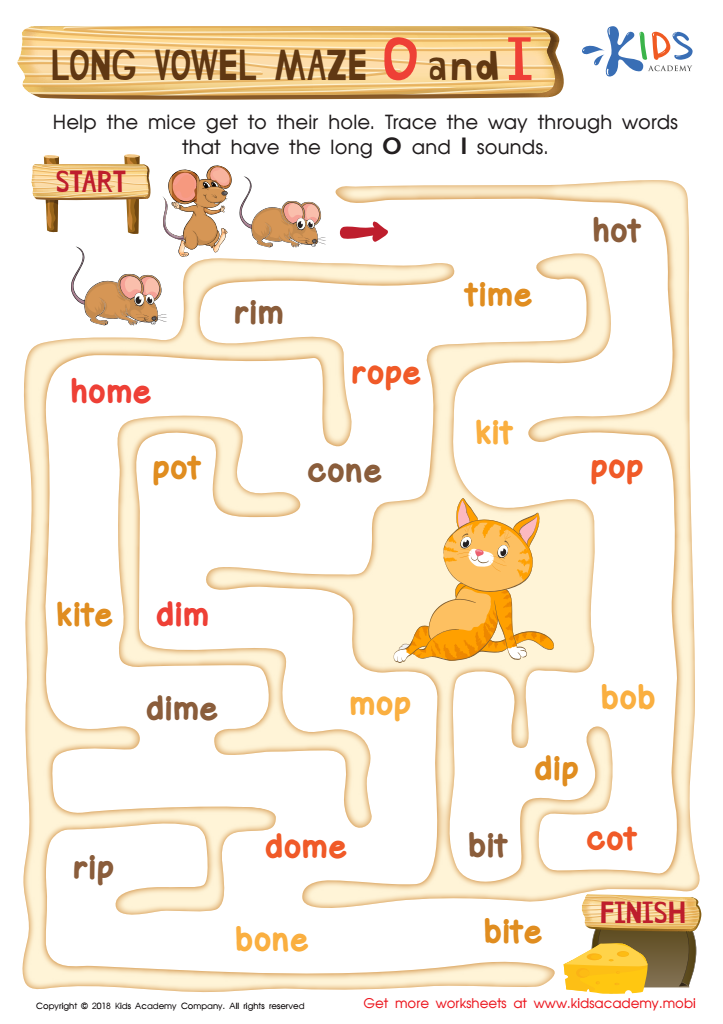
Long Vowel Maze /o/ and /i/ Worksheet
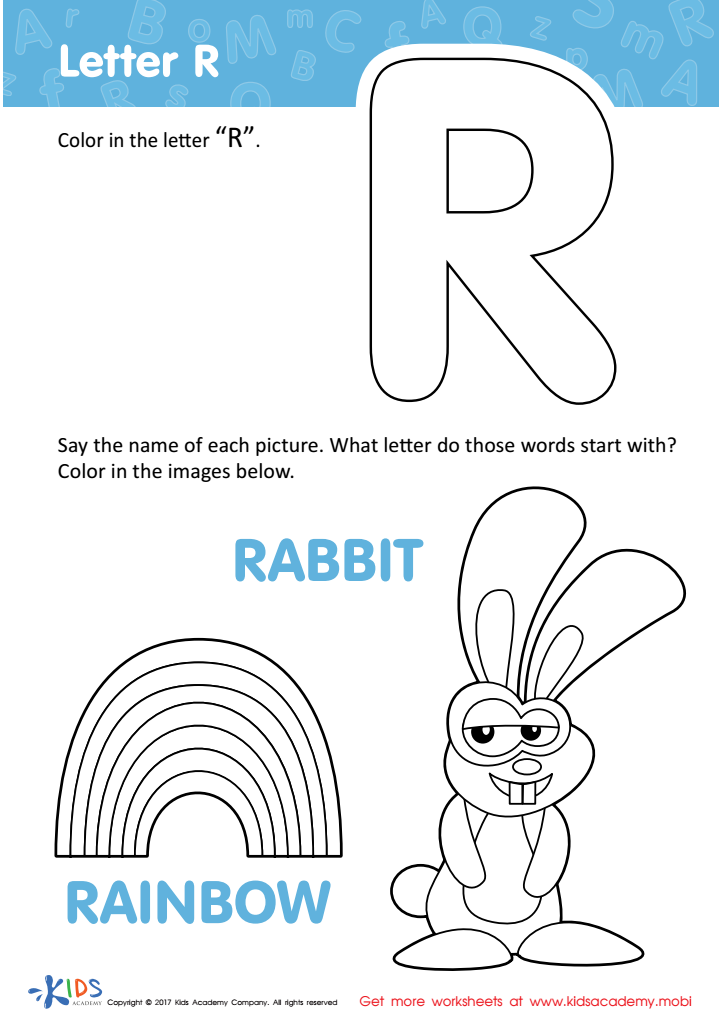
Letter R Coloring Sheet
Assign to My Students
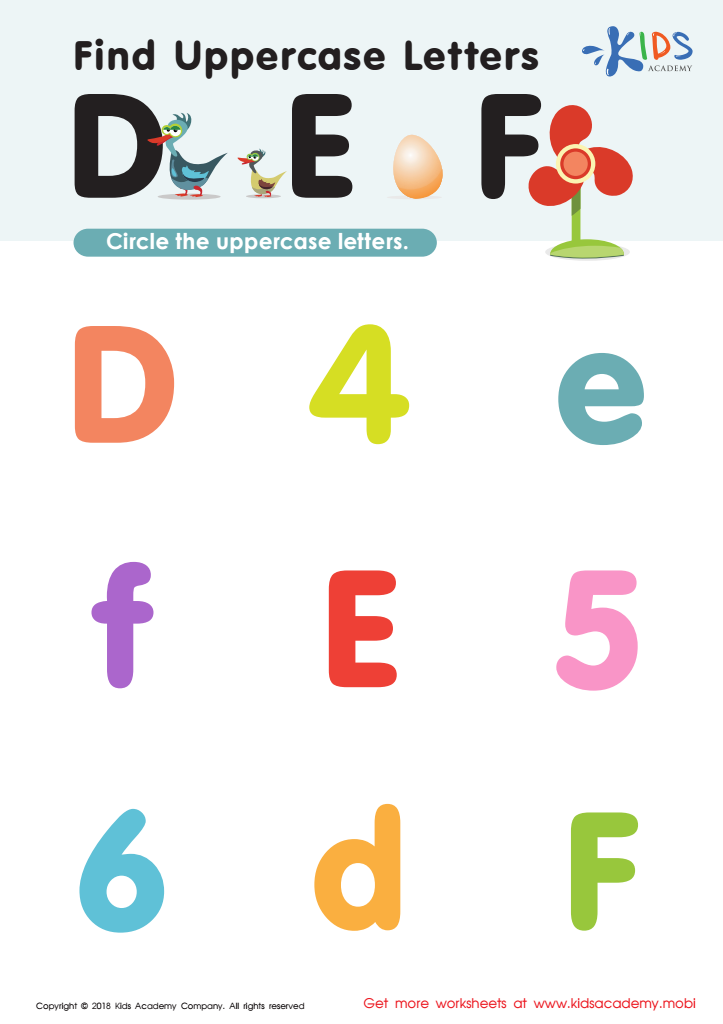
Find Uppercase Letters D, E, and F Worksheet

Letter D Tracing Page








Hand-eye coordination and letter recognition are cornerstones for the cognitive and motor development of children aged 5-6. Hand-eye coordination involves the simultaneous use of hands and eyes – a vital skill for performing many everyday tasks. For young learners, it is integral to academic success, particularly in the area of handwriting and reading. Executing control over a pencil, for example, requires precise coordination and is crucial for writing letters systematically and legibly.
Letter recognition is the ability to discern individual letters in various contexts and understand their associated sounds. This skill is foundational for future reading abilities. When children pair the act of seeing letters with the motor task of writing them, they solidify their understanding through what is known as kinesthetic learning. This physical engagement allows multiple cognitive pathways to reinforce the child’s learning experience.
Parents and teachers supporting the development of these interconnected skills provide children with the tools necessary for early literacy. Enhanced hand-eye coordination ensures that children can focus on the mechanics of writing, allowing their cognitive energies to be centered on comprehending what they read or write. Investing time in activities that develop both skills, though seemingly small, yields substantial educational benefits and sets a strong stage for future academic tasks.







