Handwriting practice Letter Recognition Worksheets for Ages 5-6 - Page 2
40 filtered results
-
From - To
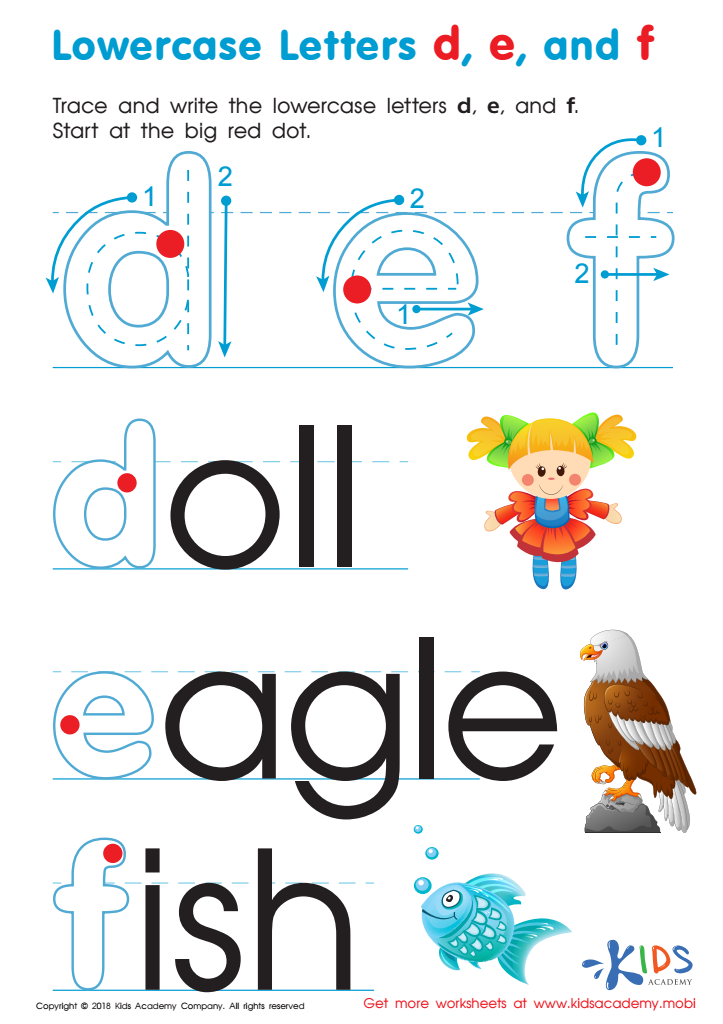
Lowercase Letters d e f Worksheet
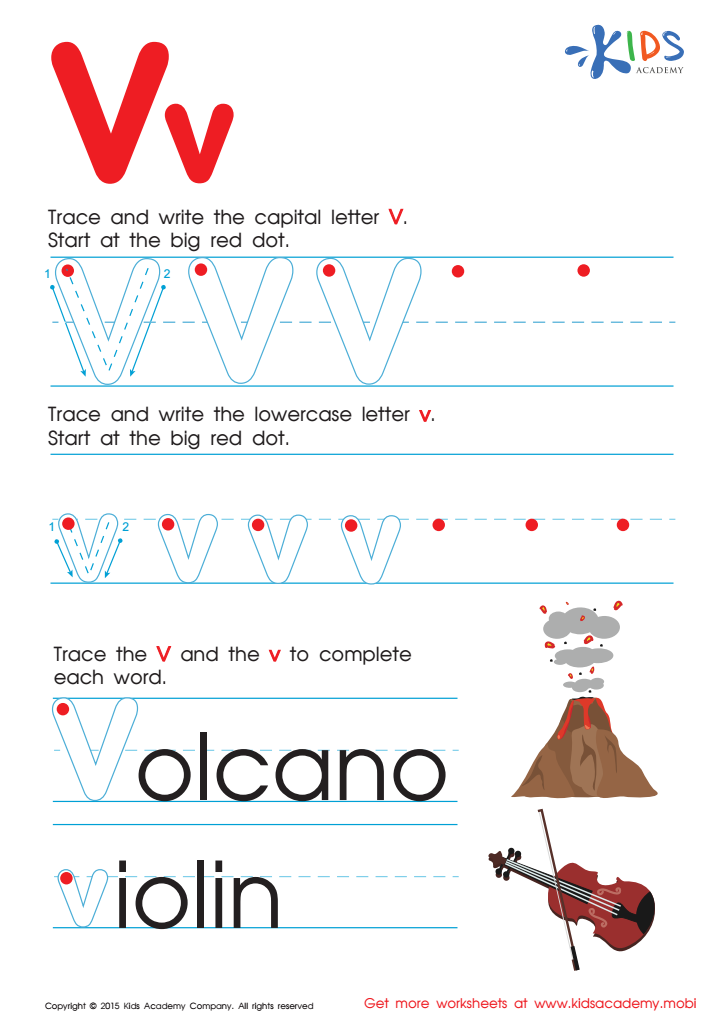
Letter V Tracing Page
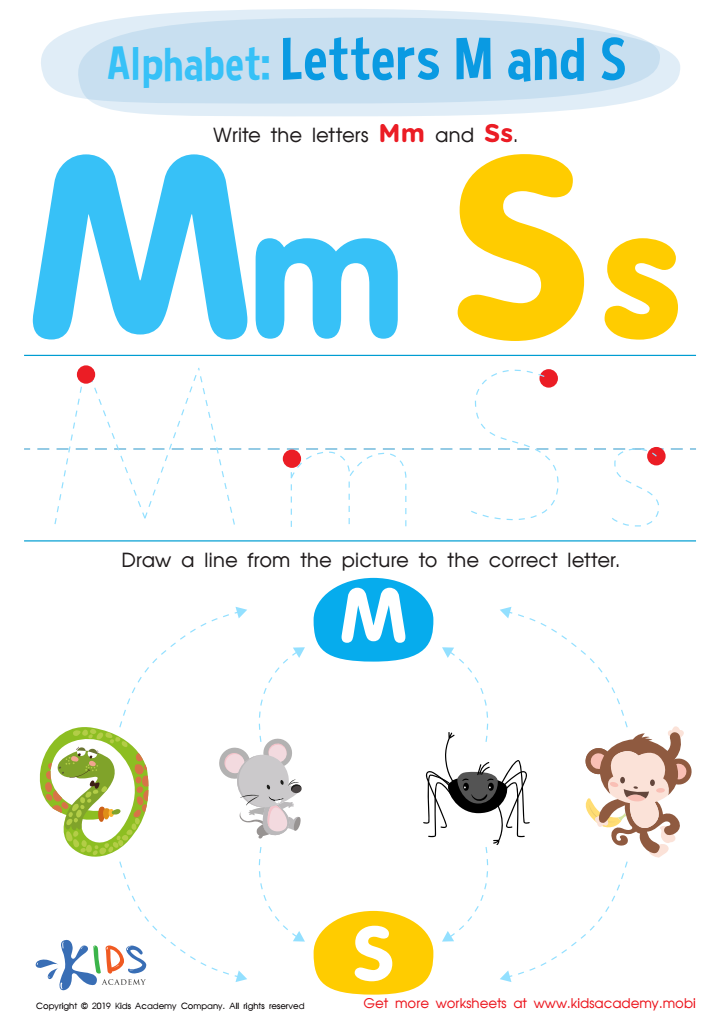
Letters M and S Tracing Worksheet
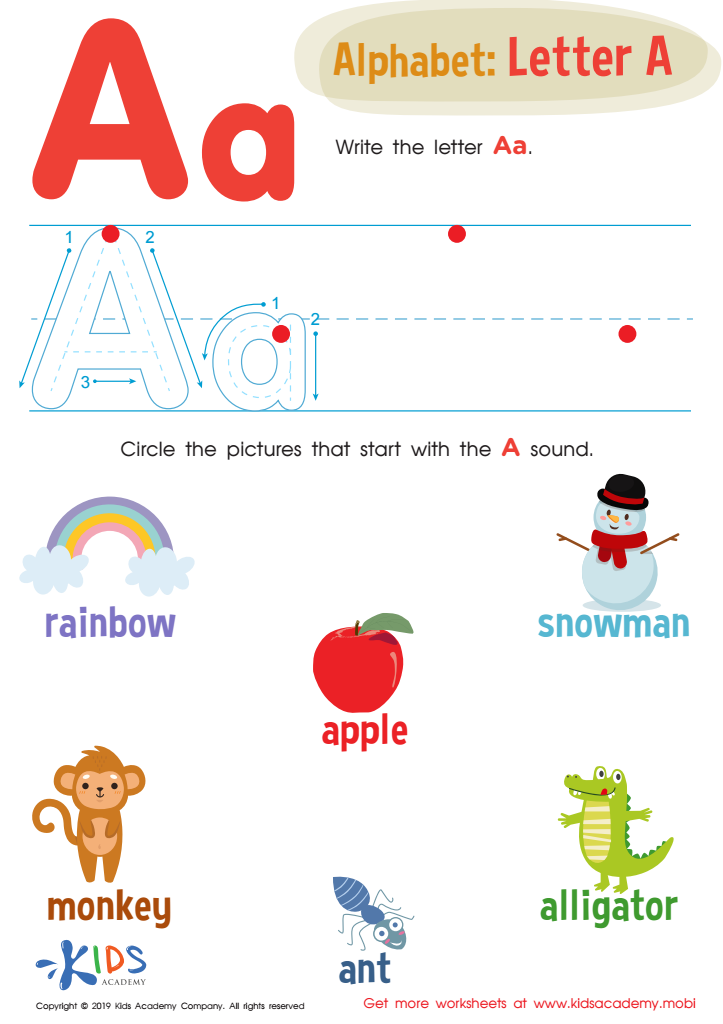
Letter A Tracing Worksheet
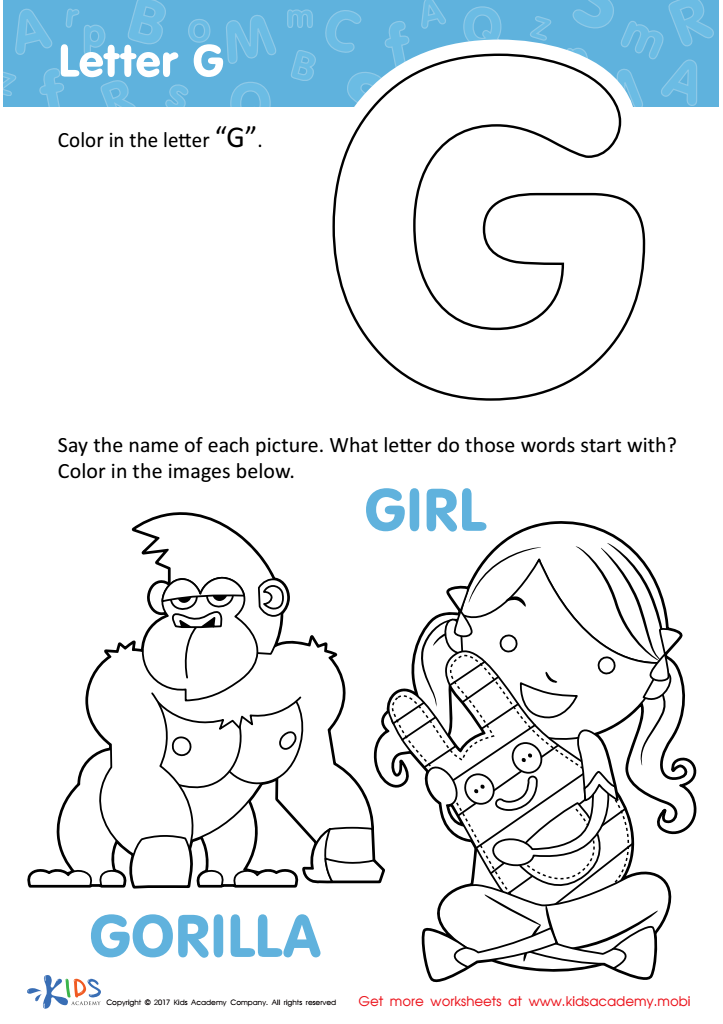
Letter G Coloring Sheet
 Assign to My Students
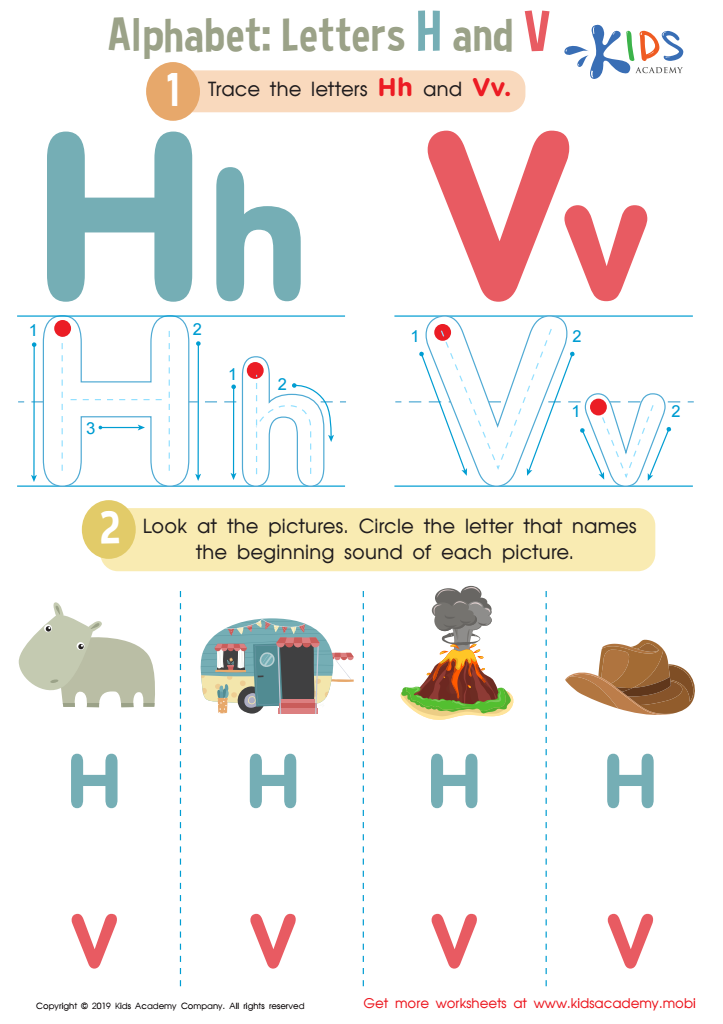
Letters H and V Tracing Worksheet
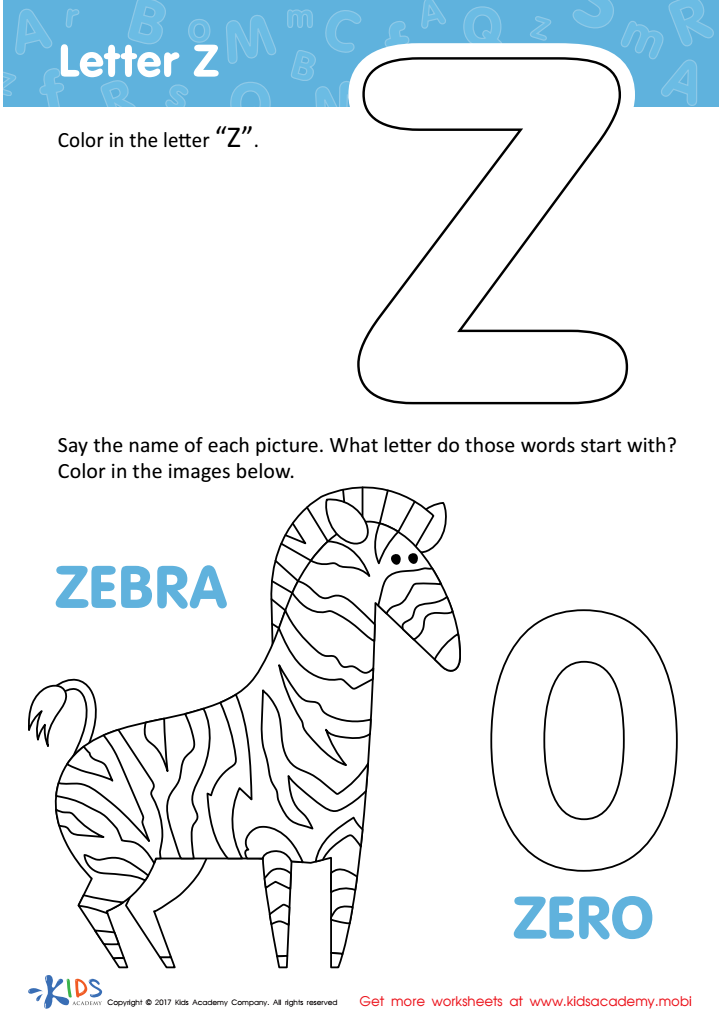
Letter Z Coloring Sheet
Assign to My Students
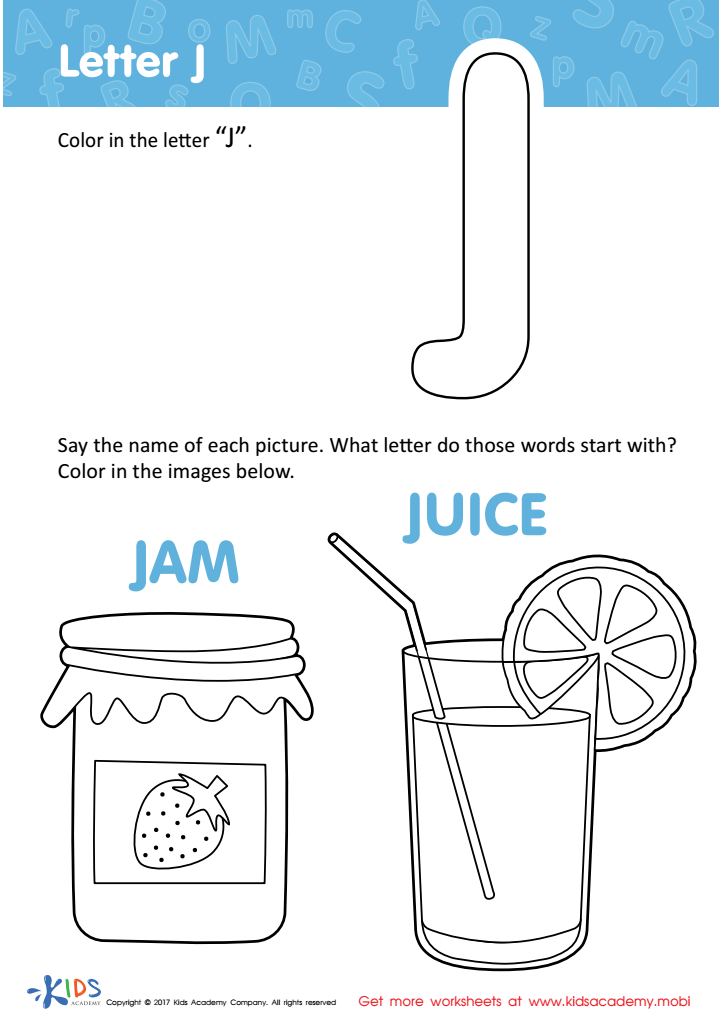
Letter J Coloring Sheet
Assign to My Students
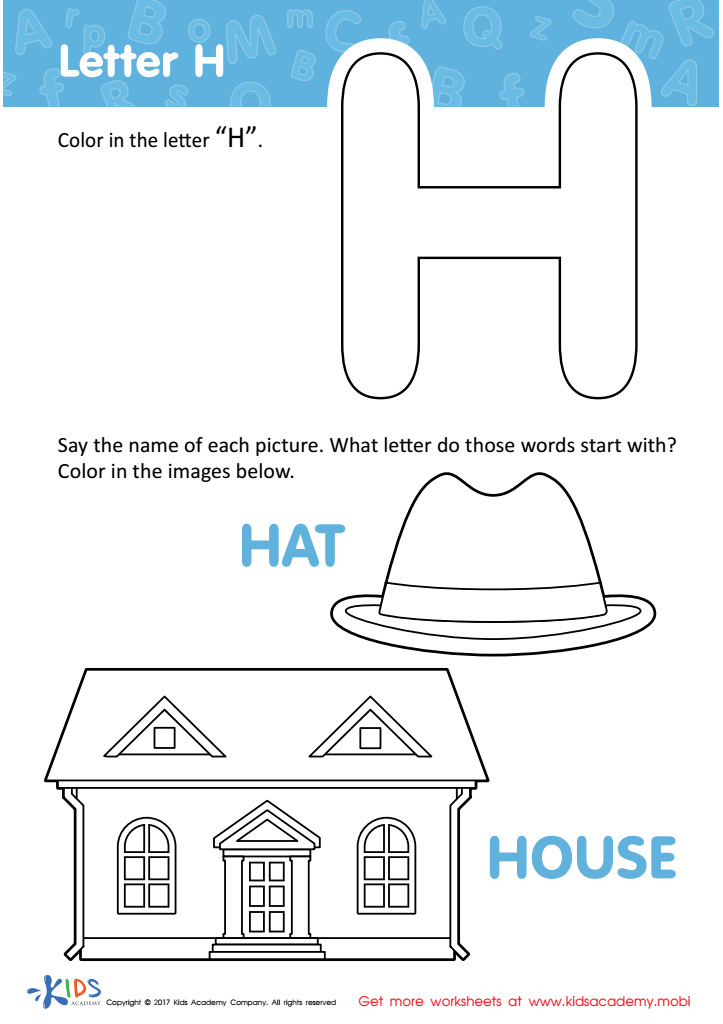
Letter H Coloring Sheet
Assign to My Students
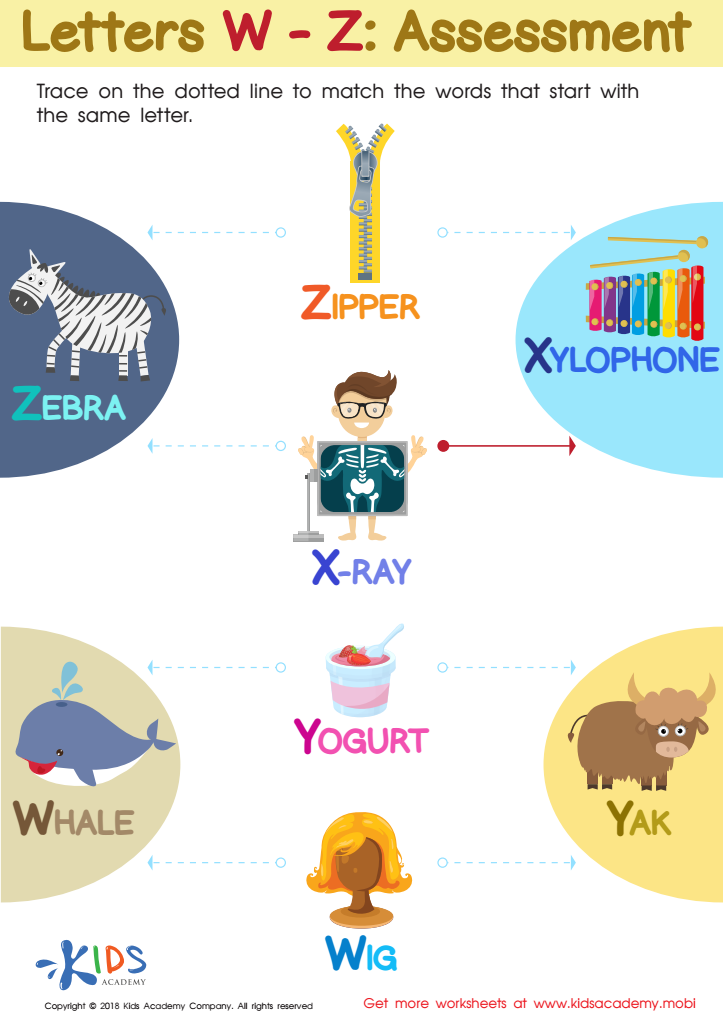
Letters W–Z Tracing Worksheet
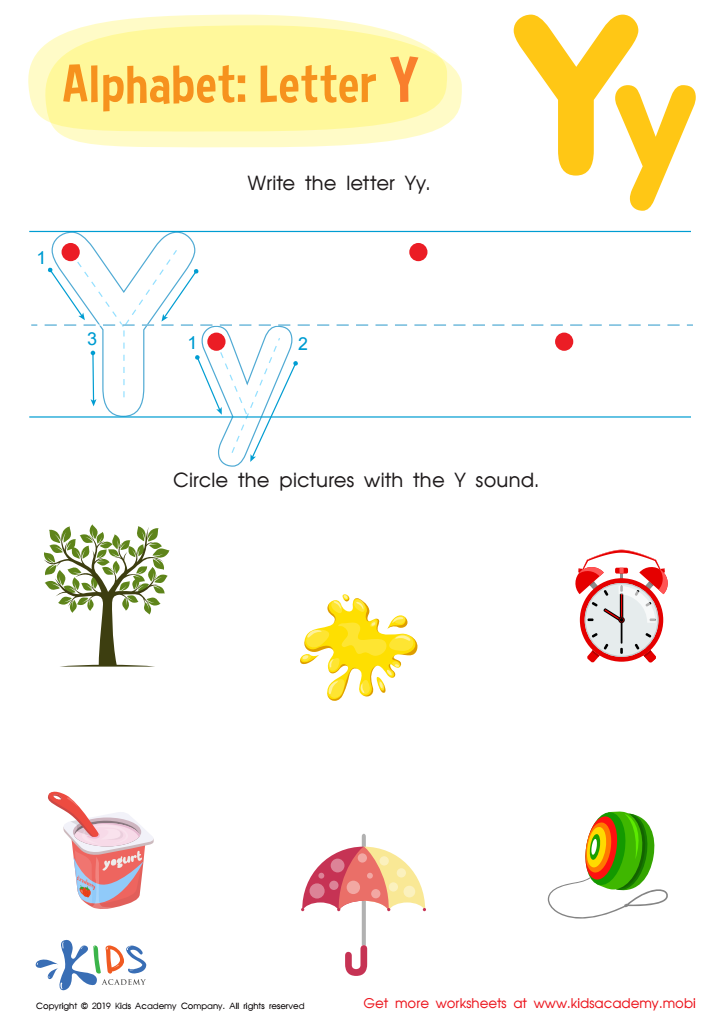
Letter Y Tracing Worksheet
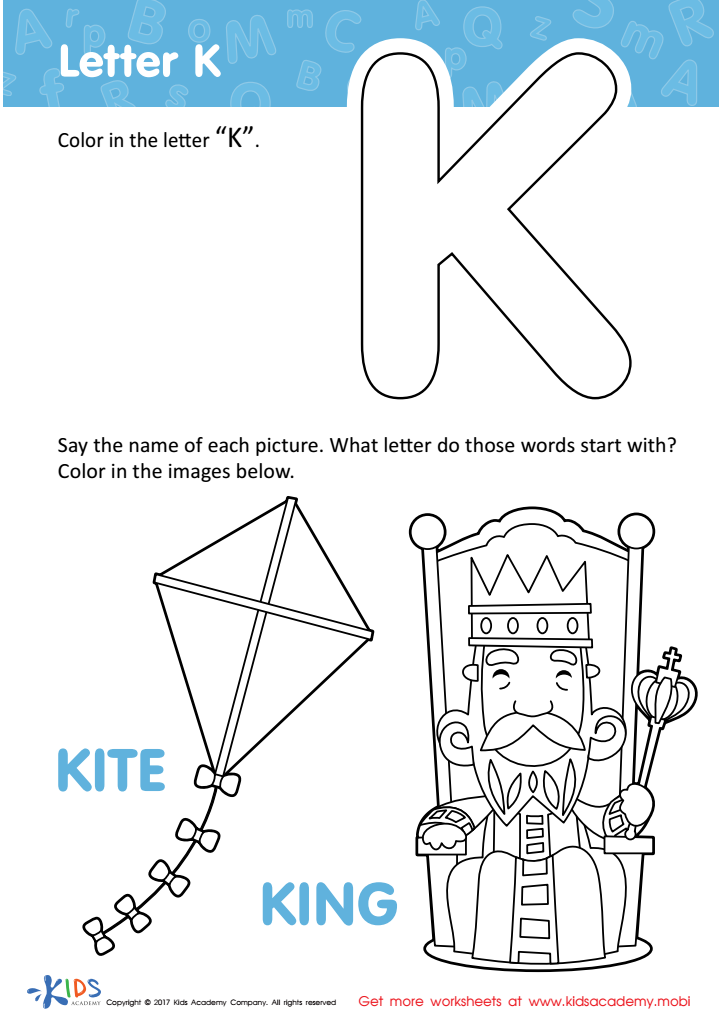
Letter K Coloring Sheet
Assign to My Students
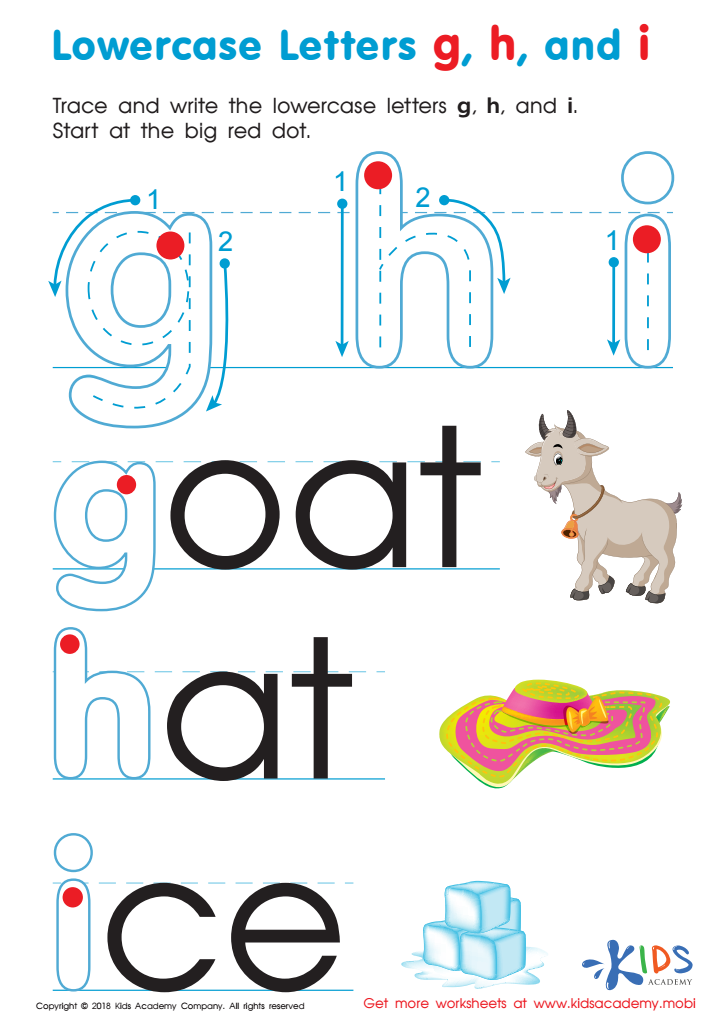
Lowercase Letters g h i Worksheet
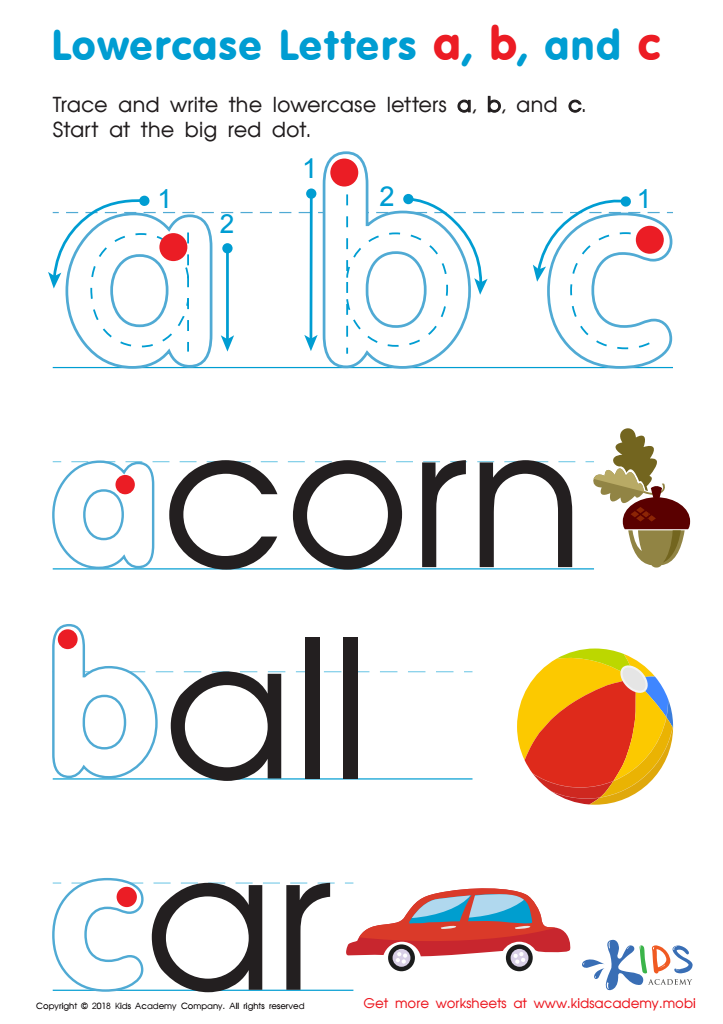
Lowercase Letters a b c Worksheet
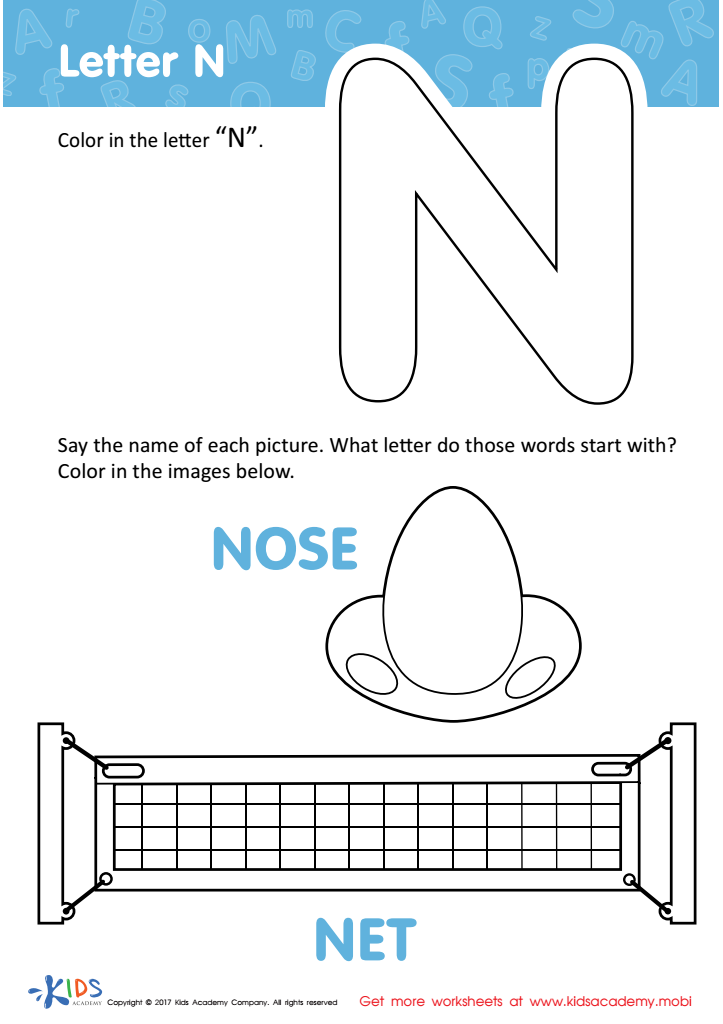
Letter N Coloring Sheet
Assign to My Students
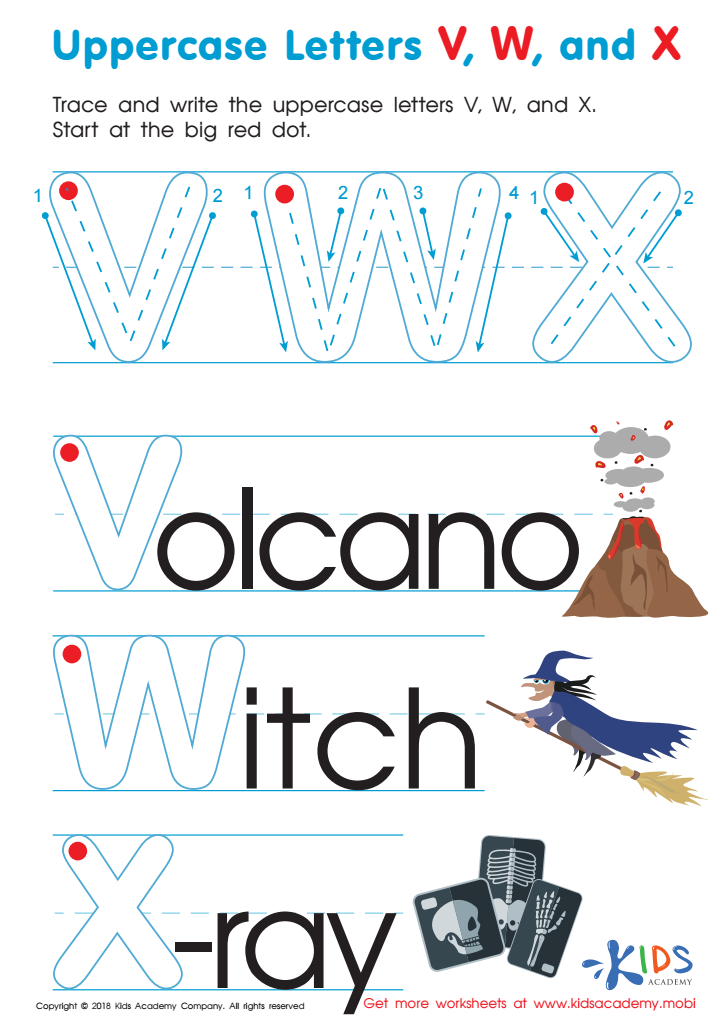
Uppercase Letters V, W, and X Worksheet








Handwriting practice and letter recognition are crucial for children aged 5 to 6 as they lay the foundational skills for literacy, academic success, and self-expression. During these formative years, children's cognitive and motor skills are rapidly developing. Engaging in handwriting practice helps strengthen fine motor skills, which are essential for subsequently writing legibly and confidently. With well-developed fine motor skills, children can grasp writing tools properly, enhancing their ability to form letters accurately.
Additionally, letter recognition is key to reading proficiency. This age group begins to understand how letters represent sounds, enabling them to decode words as they develop fluency. When children recognize letters, they become more adept at identifying words, which builds their confidence in reading.
Furthermore, handwriting serves as an avenue for creativity and communication. By encouraging handwriting practice, parents and teachers foster a sense of achievement and empowerment in children. The ability to write allows them to express their thoughts and ideas in a structured manner.
Ultimately, investing in handwriting practice and letter recognition during these early years supports overall language development, sets the stage for effective communication, and enhances academic engagement, making it essential for parents and teachers to prioritize these skills.







