Phonics Skills Long And Short Vowel Worksheets for Ages 5-6
5 filtered results
-
From - To
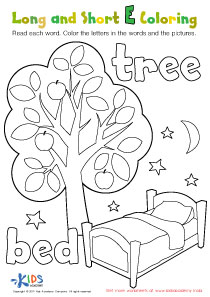
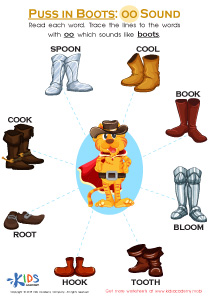
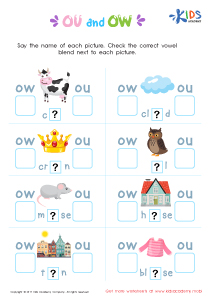
Enhance your child's reading foundation with our phonics skills worksheets focusing on long and short vowels, designed specifically for ages 5-6. These engaging activities help young learners recognize vowel sounds, differentiate between long and short vowels, and improve their decoding skills. With a variety of fun exercises—including fill-in-the-blanks, matching games, and colorful illustrations—children will enjoy practicing phonics while developing confidence in their early literacy abilities. Perfect for classroom use or at-home learning, our worksheets are an essential resource for helping kids master the building blocks of reading. Start your child's phonics journey today!
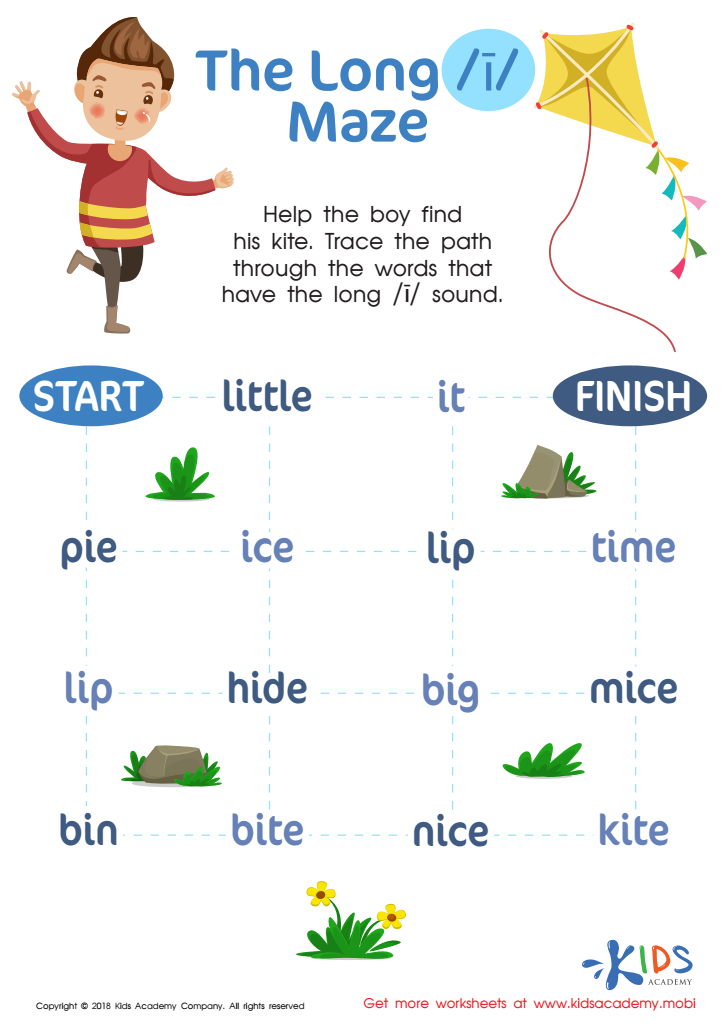
The Long I Maze Reading Worksheet
 Assign to My Students
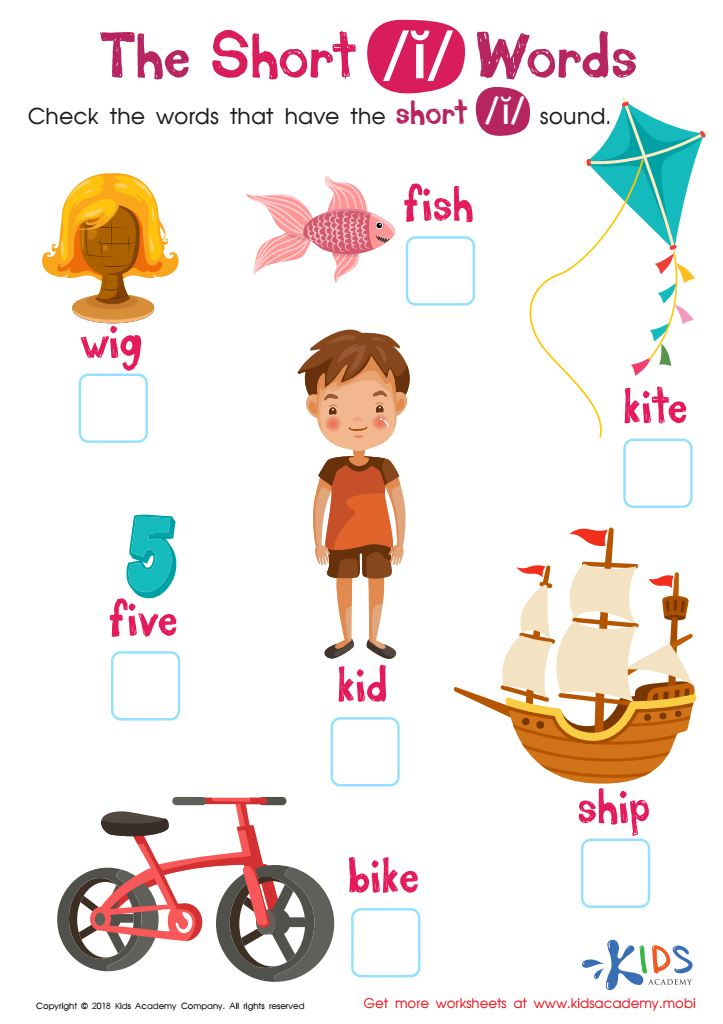
The Short I Words Reading Worksheet
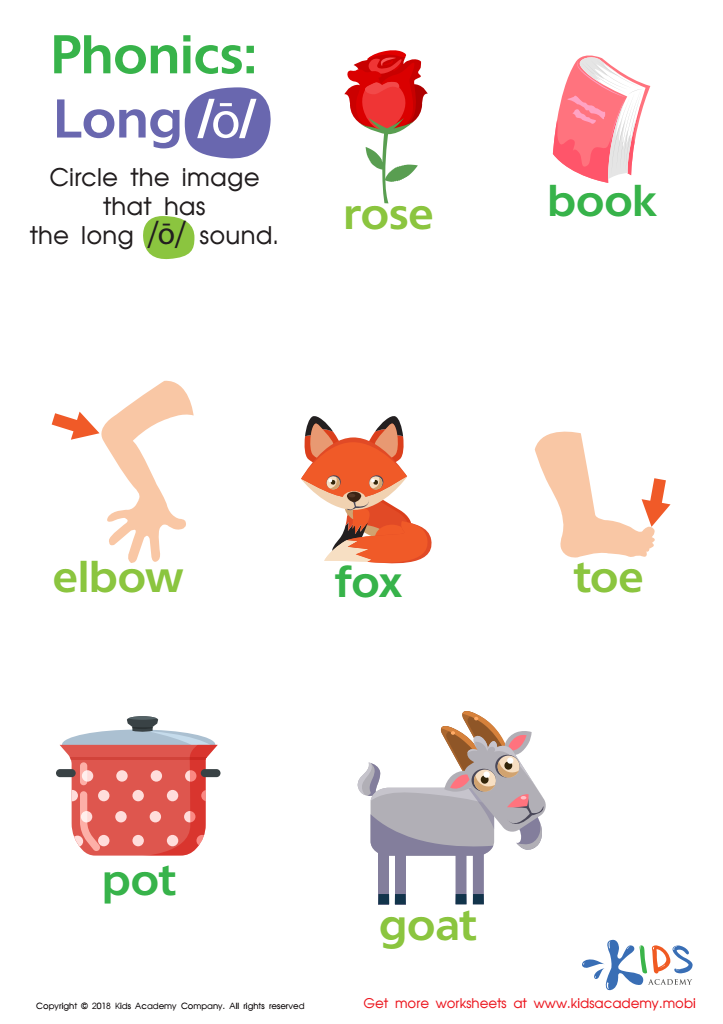
Phonics Long O Reading Worksheet
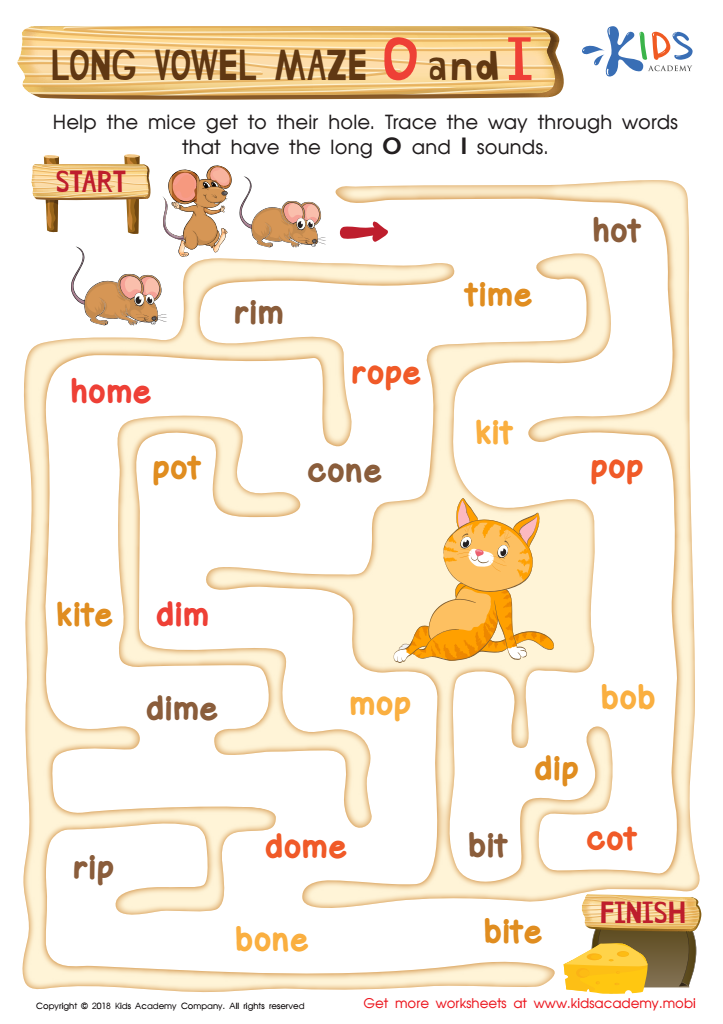
Long Vowel Maze /o/ and /i/ Worksheet
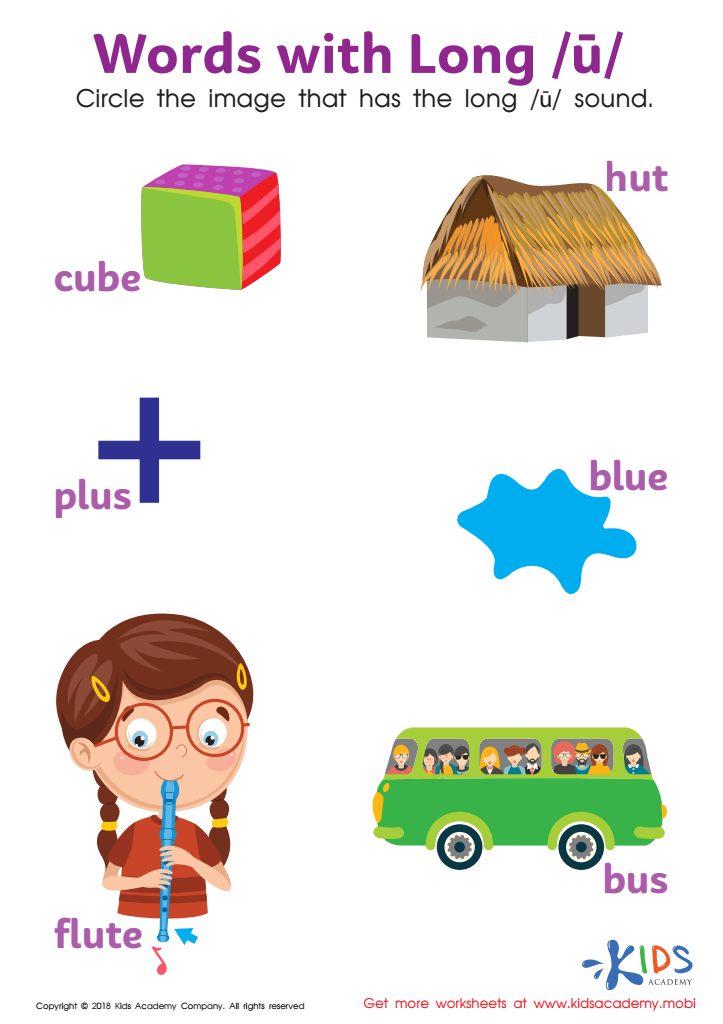
Words with Long U Reading Worksheet




Parents and teachers should prioritize phonics skills, particularly understanding long and short vowels, for children aged 5-6 because these skills are foundational for reading success. Phonics instruction helps young learners connect sounds to letters, enabling them to decode words effectively. This understanding is critical as children encounter more complex texts in later grades.
Long and short vowels serve as key components in the phonetic structure of words, influencing pronunciation, meaning, and spelling. For instance, recognizing the difference between the short ‘a’ in "cat" and the long ‘a’ in "cake" not only aids in word recognition but also enhances vocabulary development. Mastery of these skills promotes confidence in reading, as children begin to tackle unfamiliar words independently.
Moreover, early proficiency in phonics can prevent reading difficulties later on, ensuring that children are well prepared as they transition into more advanced literacy tasks. Engaging activities, games, and songs can make learning about vowels enjoyable, fostering a positive attitude toward reading. By investing time in phonics, parents and teachers lay the groundwork for lifelong literacy skills, setting children on a path to academic success and a love for reading.