Color Identification Phonics Worksheets for Ages 5-6
4 filtered results
-
From - To
Our Color Identification Phonics Worksheets for ages 5-6 blend vibrant color recognition with essential phonics skills, making early learning fun and engaging. Carefully designed to enrich young minds, these worksheets help children identify colors while enhancing alphabet knowledge. Kids will practice associating letters with sounds through colorful visuals, promoting both reading and cognitive development. Ideal for classroom use or home practice, these printable resources lay a strong foundation for future literacy. Foster creativity and learning excitement with our expertly crafted educational tools, perfect for young learners at the start of their reading journey. Download your worksheets today!
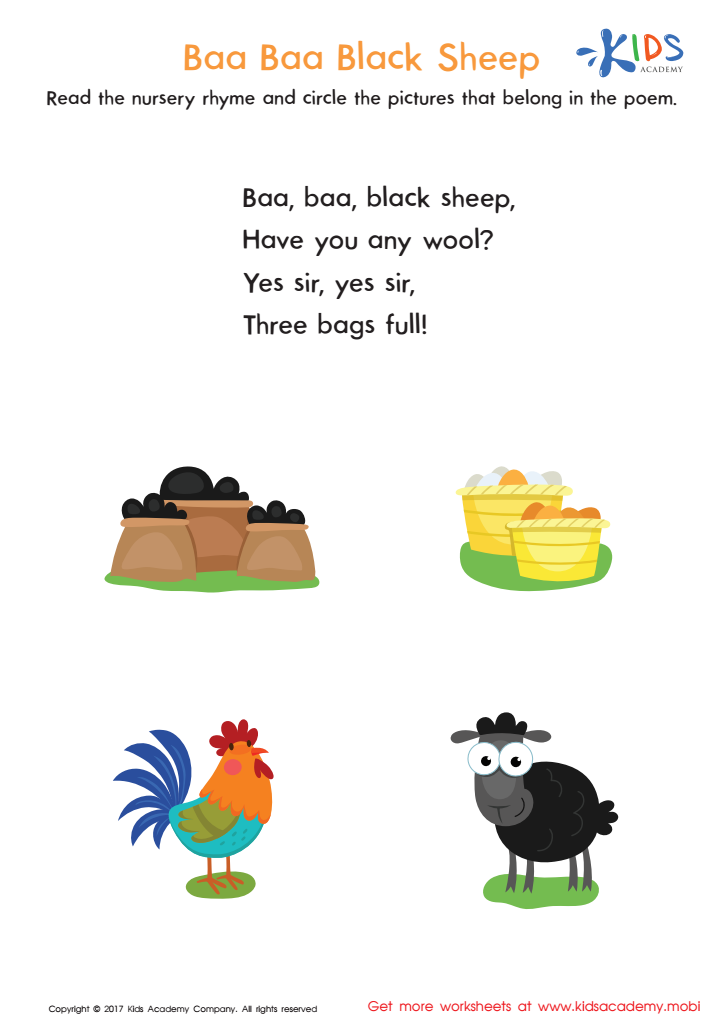
Baa Baa Black Sheep Printable
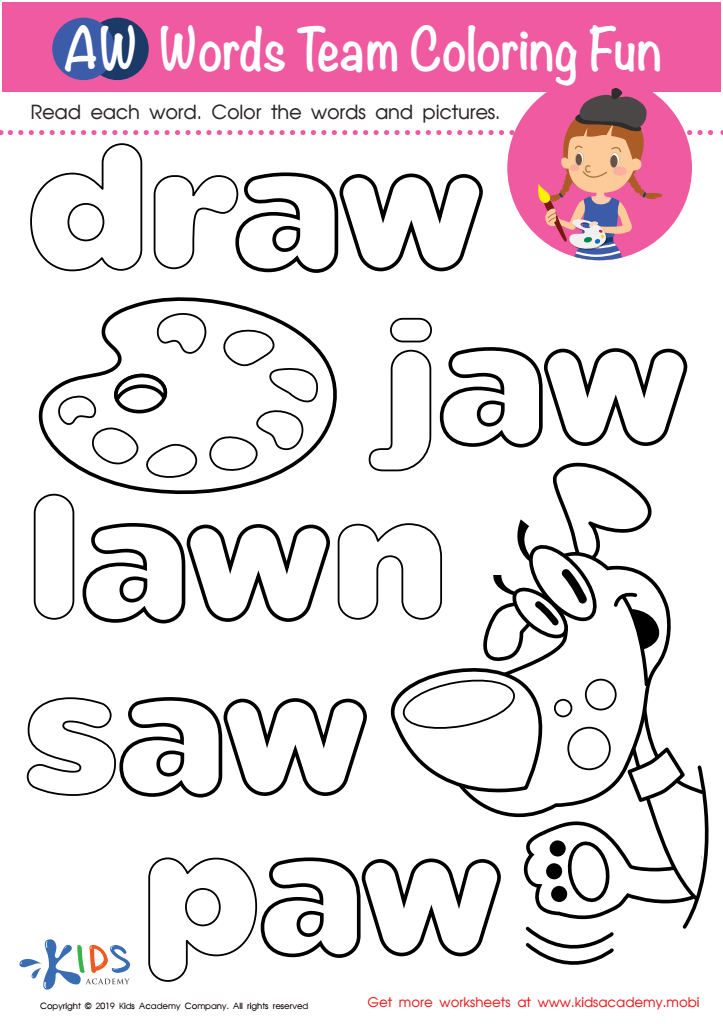
AW Words Team Coloring Fun Worksheet
 Assign to My Students
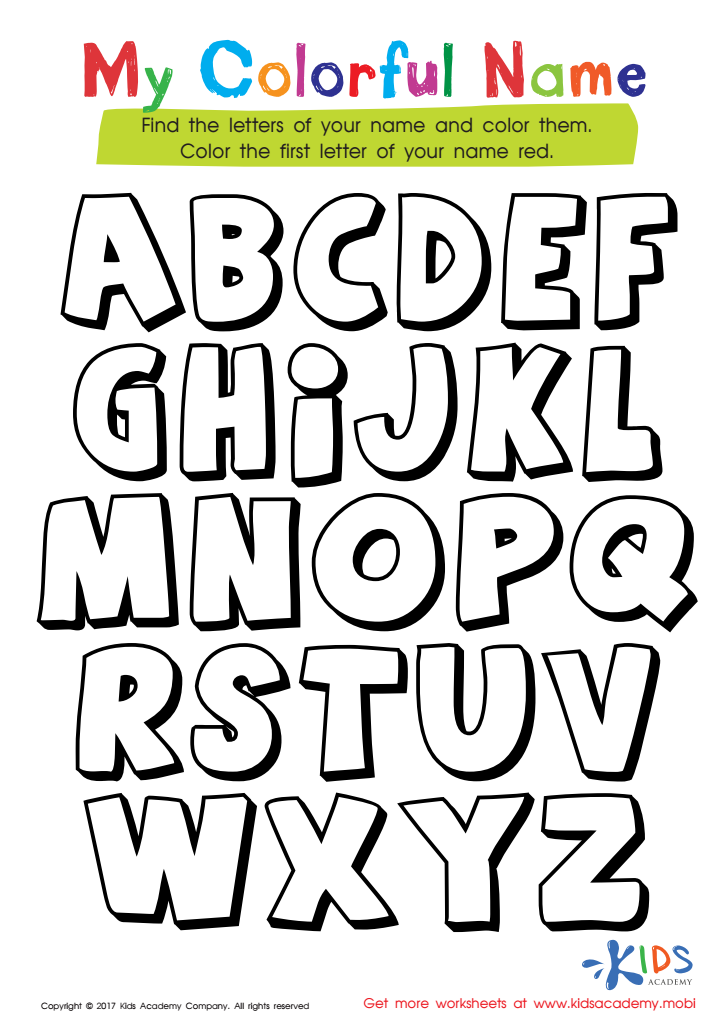
My Colorful Name Worksheet
Assign to My Students
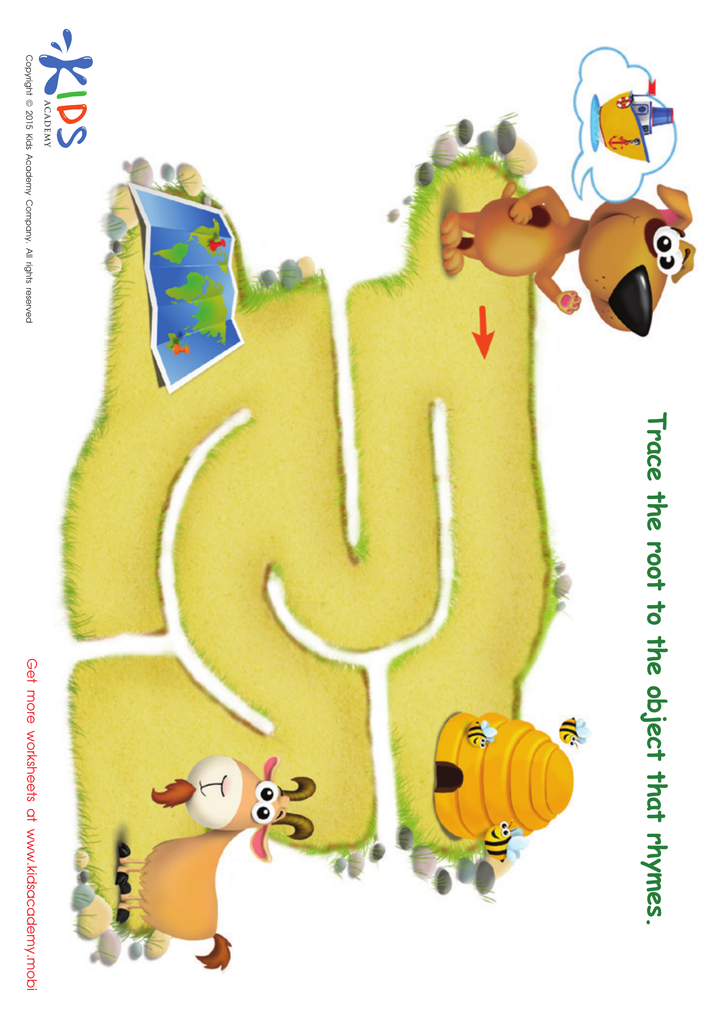
Boat Rhyming Words Worksheet








Color identification phonics is a crucial educational tool for children aged 5-6, bridging the gap between visual and verbal learning. This period is essential as it lays the foundation for literacy and cognitive development. For teachers and parents, understanding the importance of color identification phonics can significantly enhance a child's academic progress and cognitive skills.
Firstly, color identification aids memory and recall. Associating specific sounds (phonics) with colors makes it easier for children to remember and differentiate between different phonetic sounds. This multisensory approach strengthens neural connections, leading to better retention.
Secondly, it stimulates engagement. Bright and varied colors can make learning more enjoyable and less intimidating, keeping young minds attentive and enthusiastic about educational activities. When children are excited, their natural curiosity and willingness to learn are exponentially greater.
Additionally, this method supports auditory, visual, and kinesthetic learning styles, ensuring that no child is left behind. Children develop fine motor skills by connecting sounds to colors, which can also aid in writing and reading readiness.
Investing time in color identification phonics boosts early literacy, preparing children for more complex linguistic concepts. Hence, both parents and teachers should consider incorporating this method into early education to foster a comprehensive and enjoyable learning experience.







