Phonics recognition Phonics Worksheets for Ages 5-6
15 filtered results
-
From - To
Enhance your child's reading skills with our engaging Phonics Recognition Worksheets, designed specifically for ages 5-6! These printable resources support early learners in mastering letter sounds, building confidence, and improving decoding abilities. Our worksheets feature fun and colorful activities that captivate young minds, making learning enjoyable and effective. Children will practice identifying letter-sound relationships through interactive exercises that promote phonemic awareness—an essential foundation for reading success. Perfect for use at home or in the classroom, our Phonics Recognition Worksheets help generate a love for reading while ensuring students develop crucial language skills. Explore our collection and watch your child flourish!
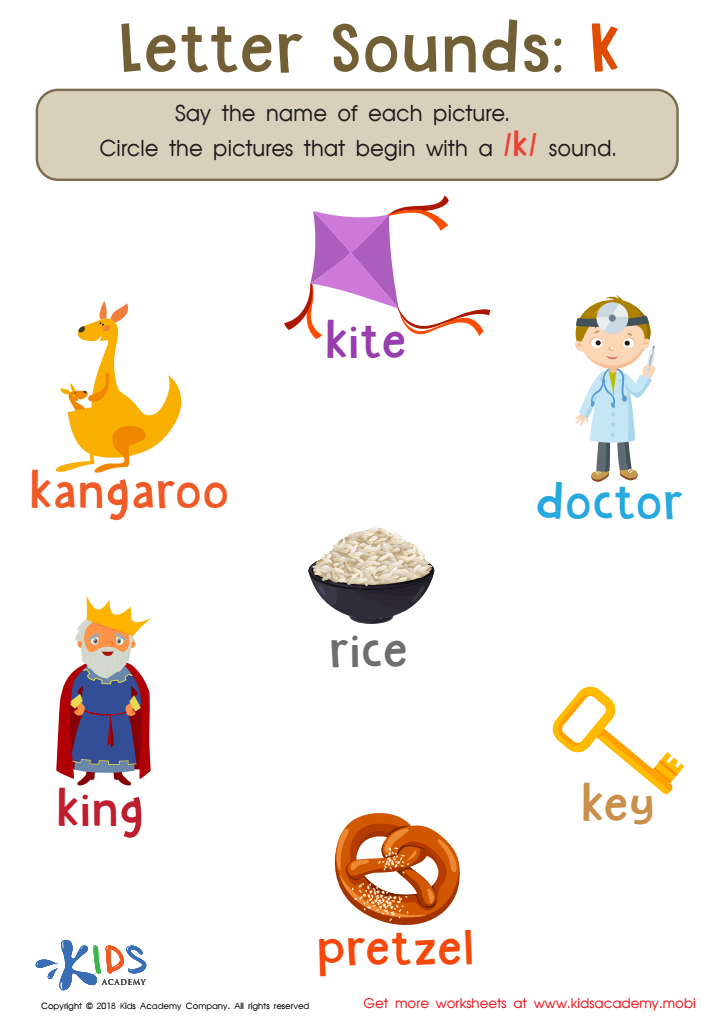
Letter K Sounds Worksheet
 Assign to My Students
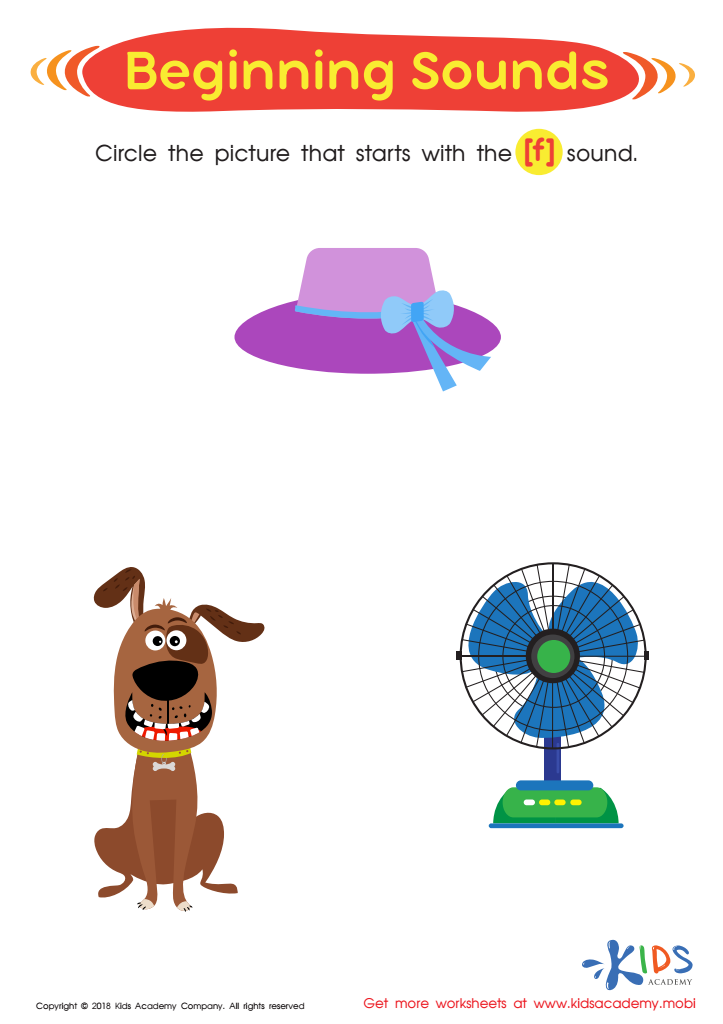
Beginning Sounds Assessment Printable
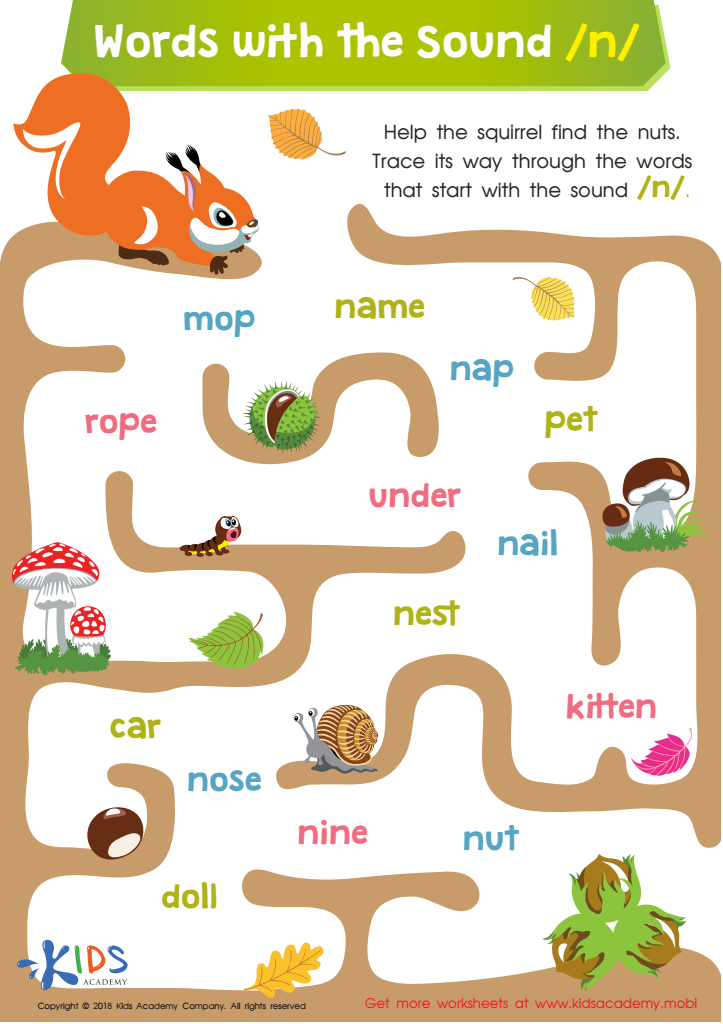
Words with Sound N Reading Worksheet
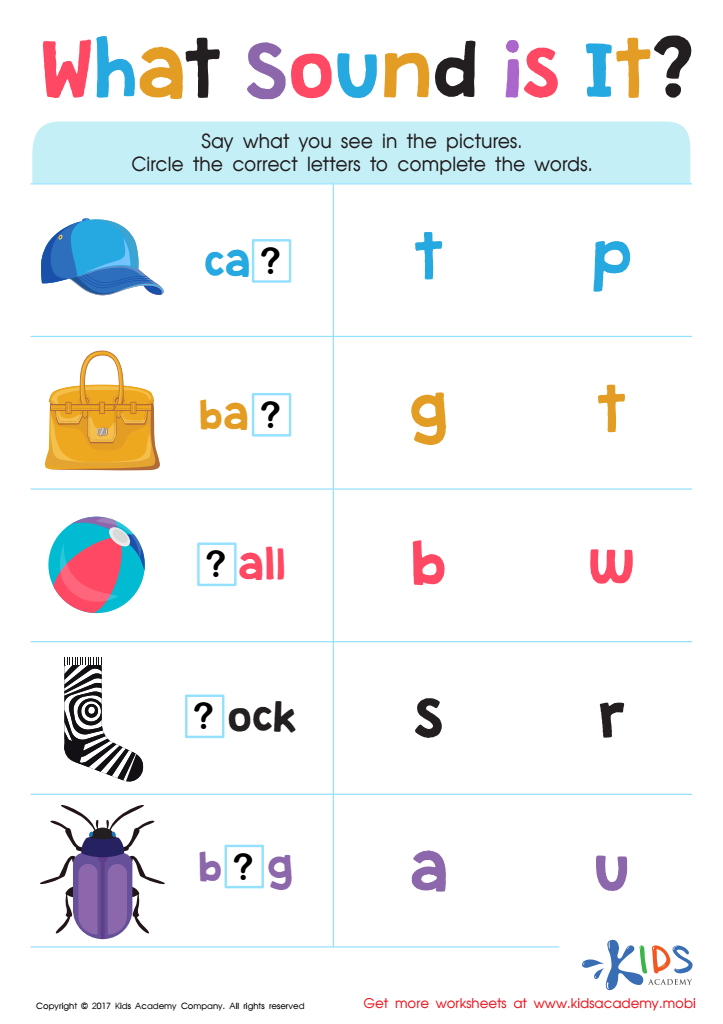
What Sound Is it? Worksheet
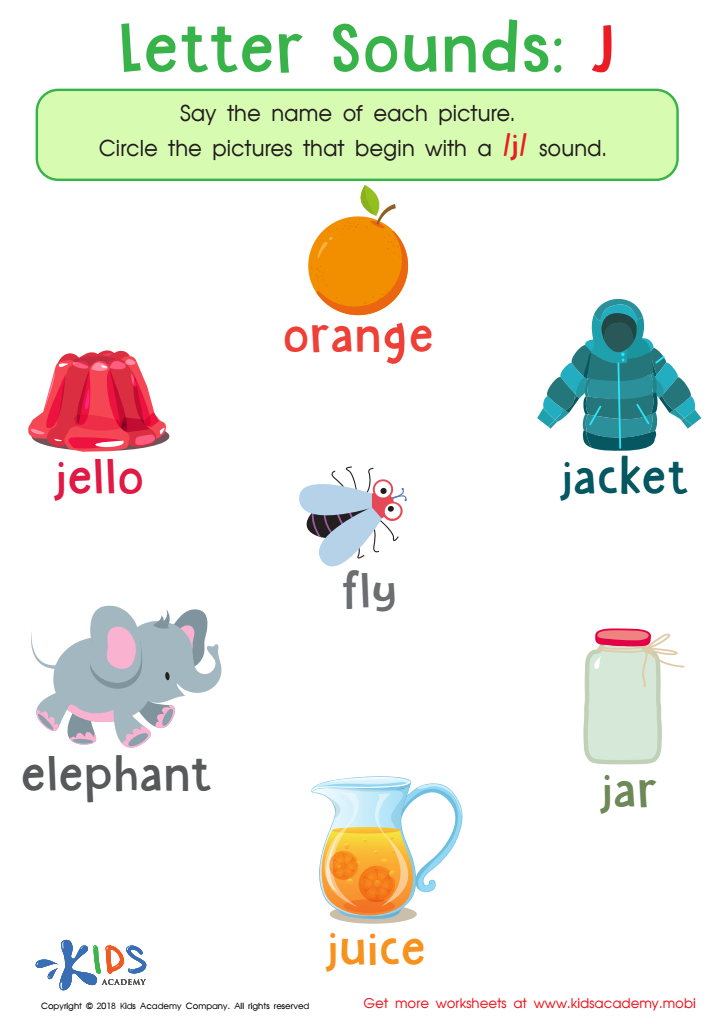
Letter Sounds: J Printable Worksheet
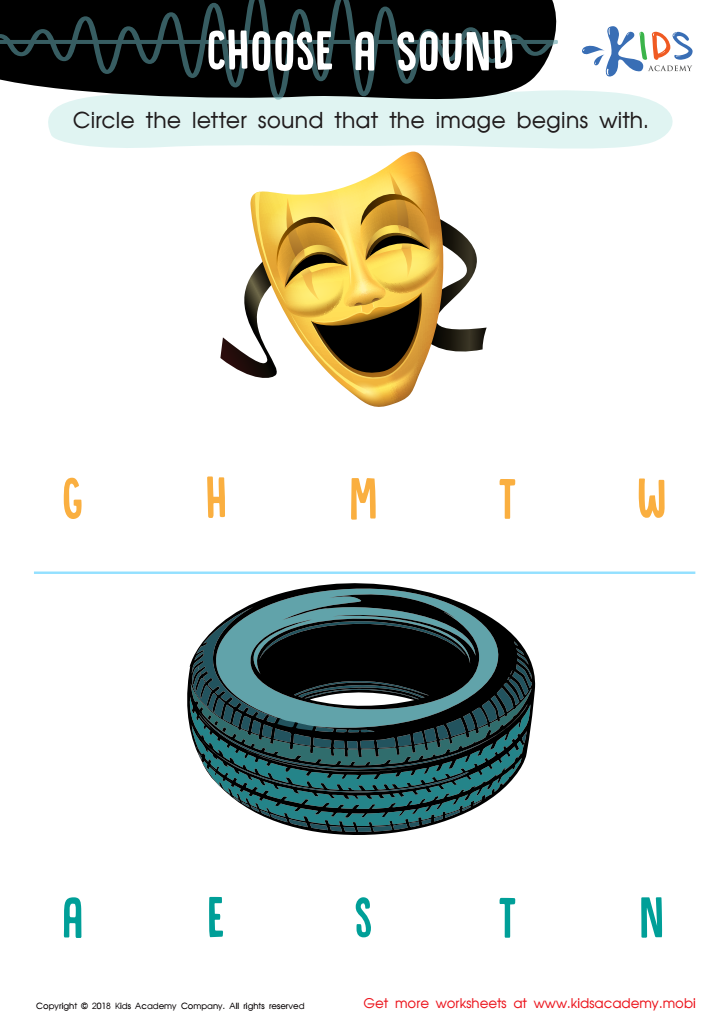
Choose a Sound Worksheet
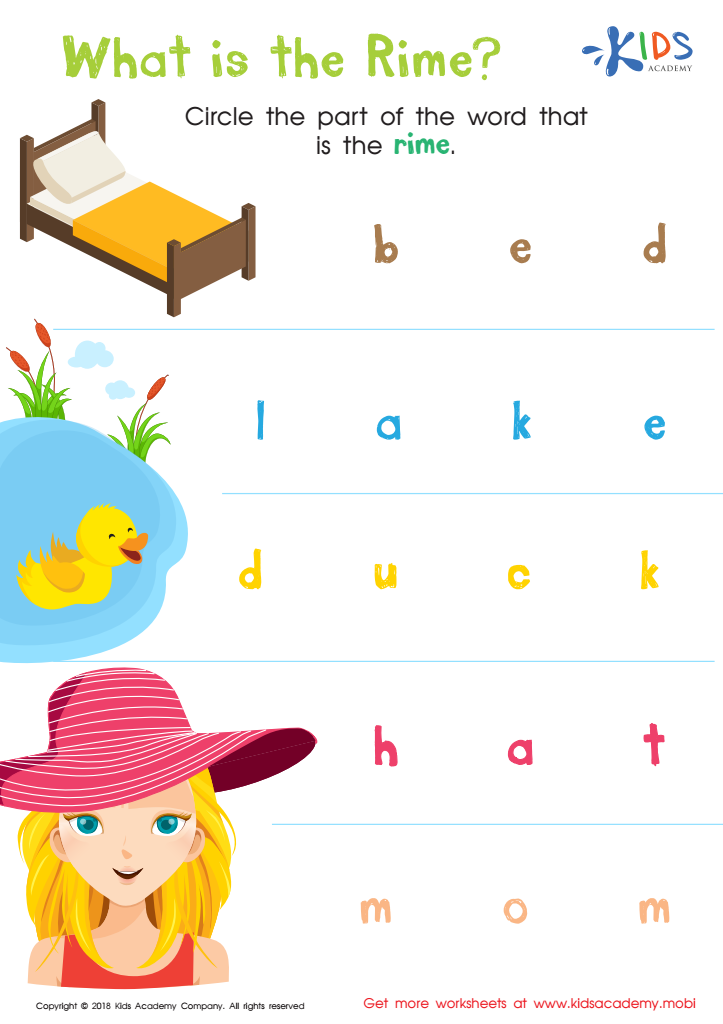
What Is the Rime? Worksheet
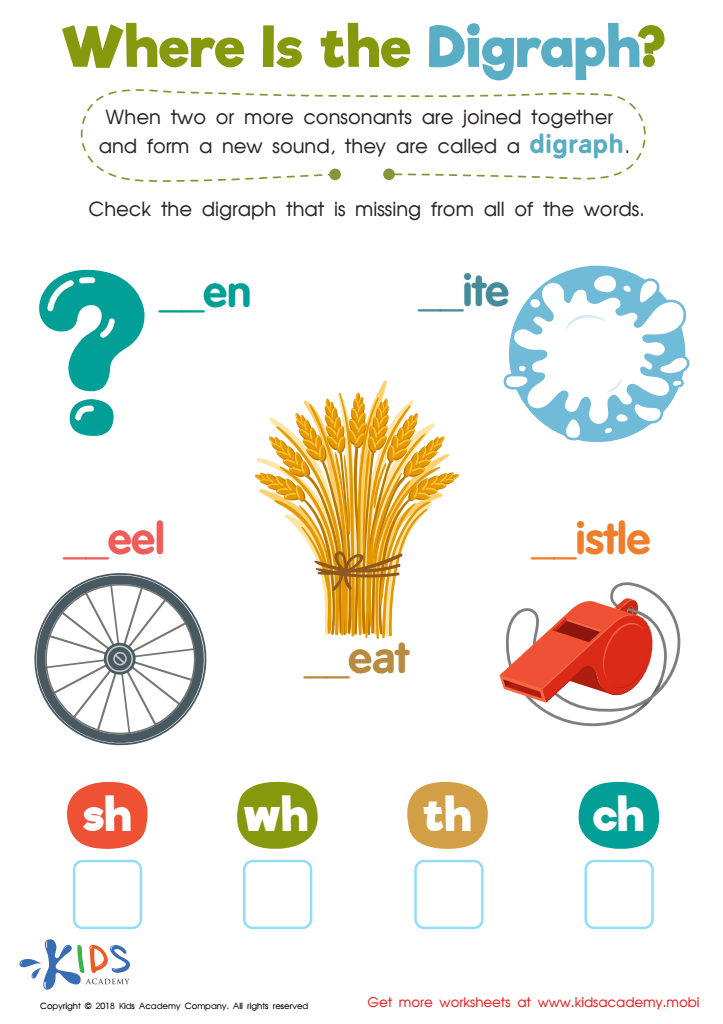
Where Is the Digraph? Worksheet
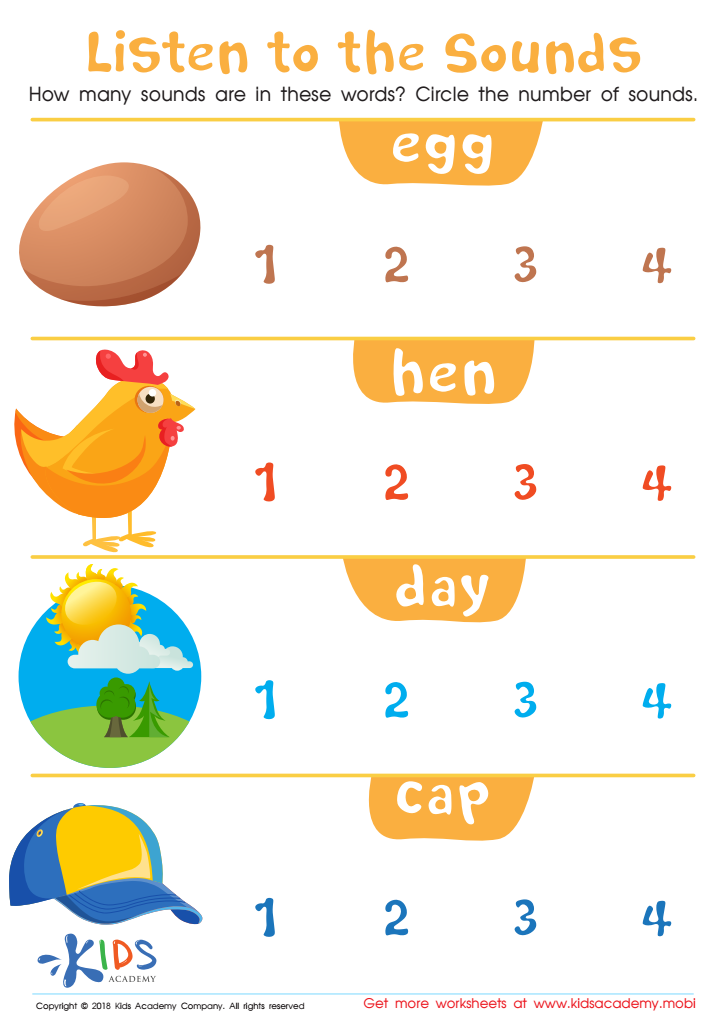
Listen to the Sounds Worksheet
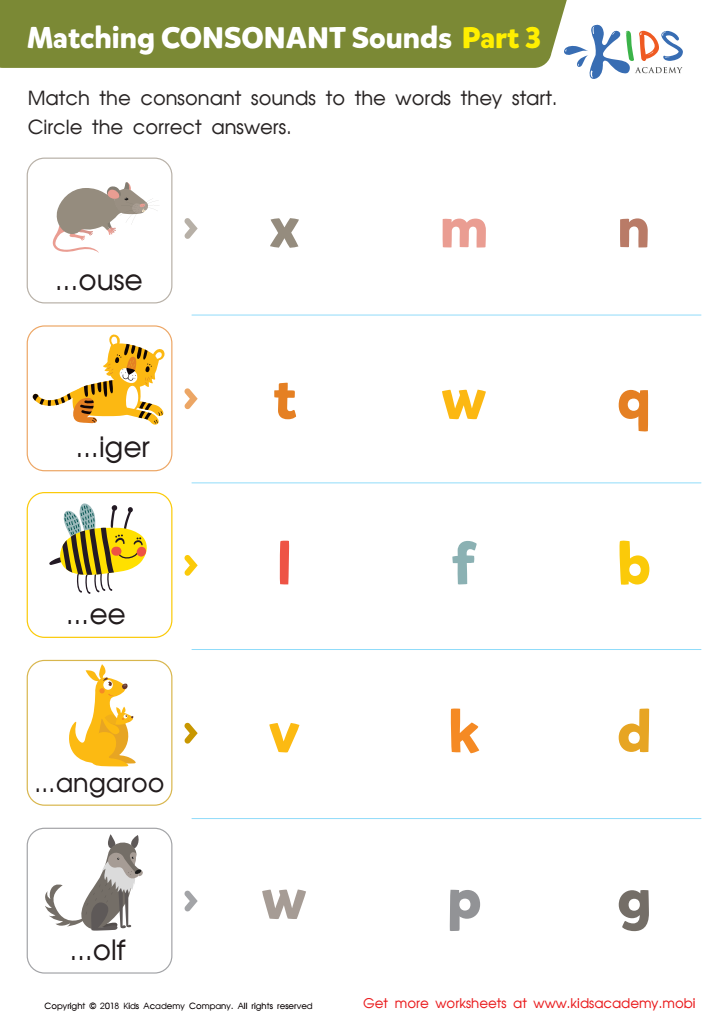
Matching Consonant Sounds: Part 3 Worksheet
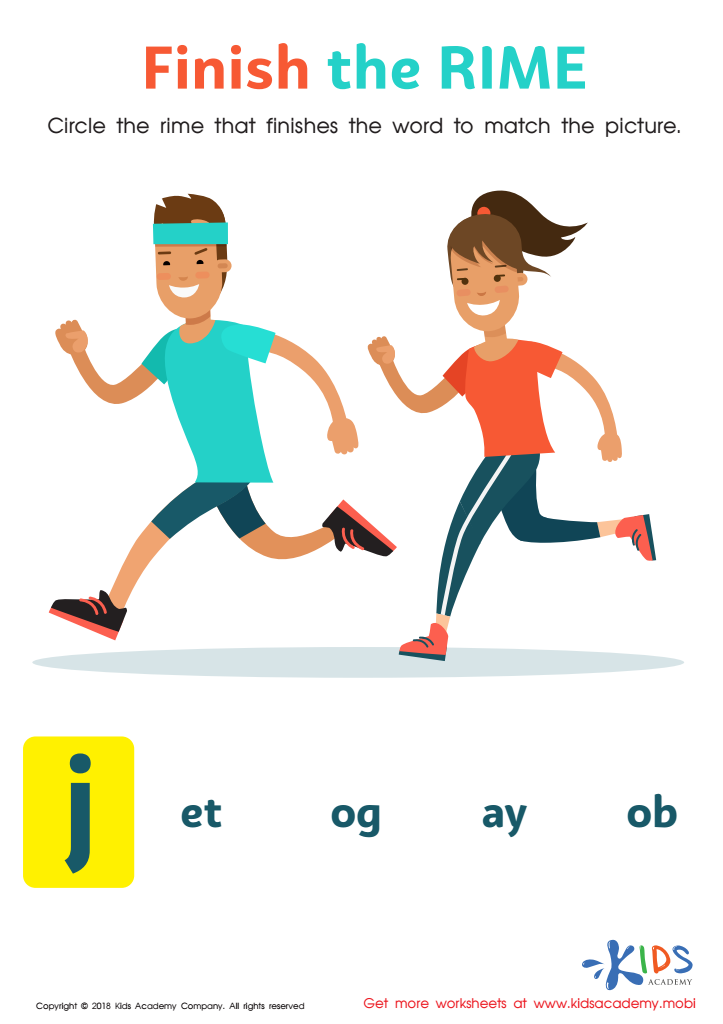
Finish the Rime Worksheet
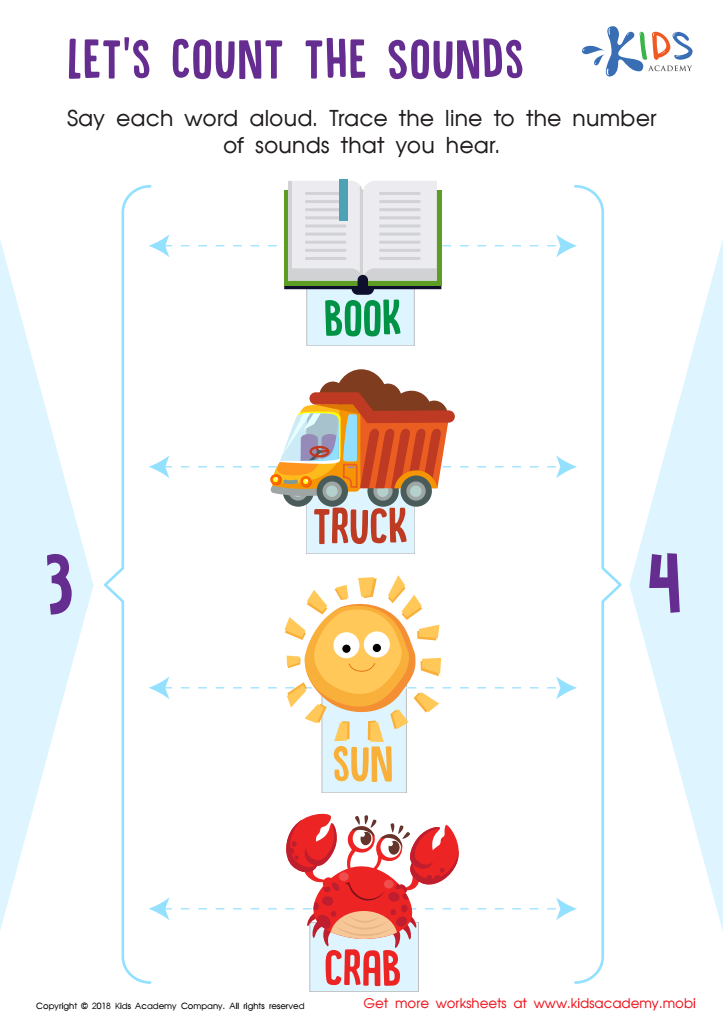
Let's Count the Sounds Worksheet
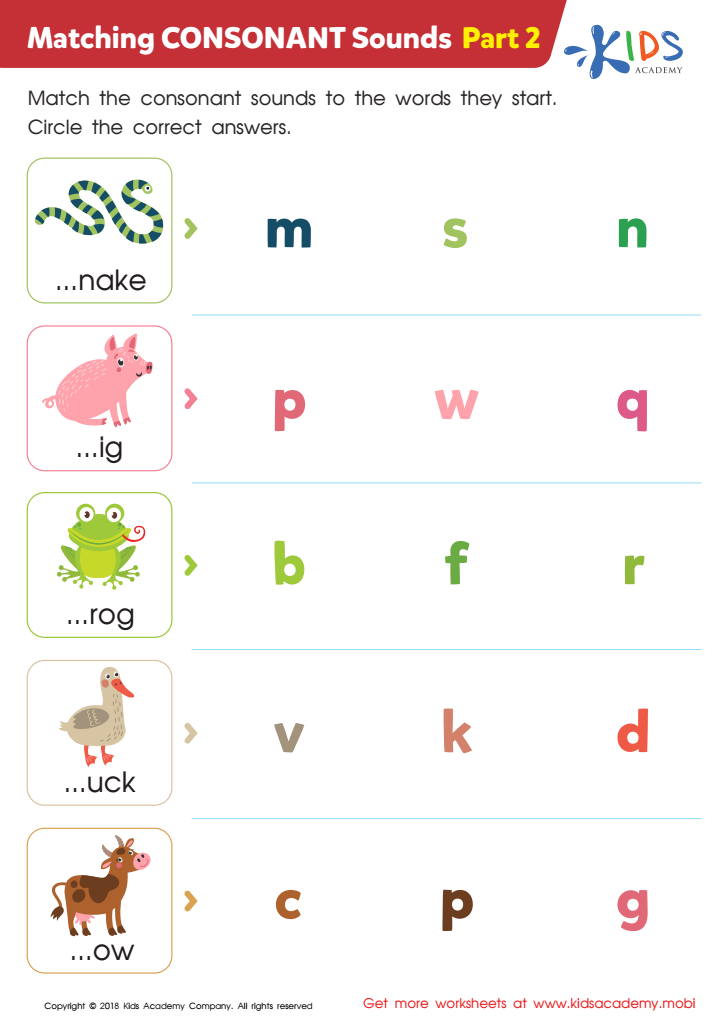
Matching Consonant Sounds: Part 2 Worksheet
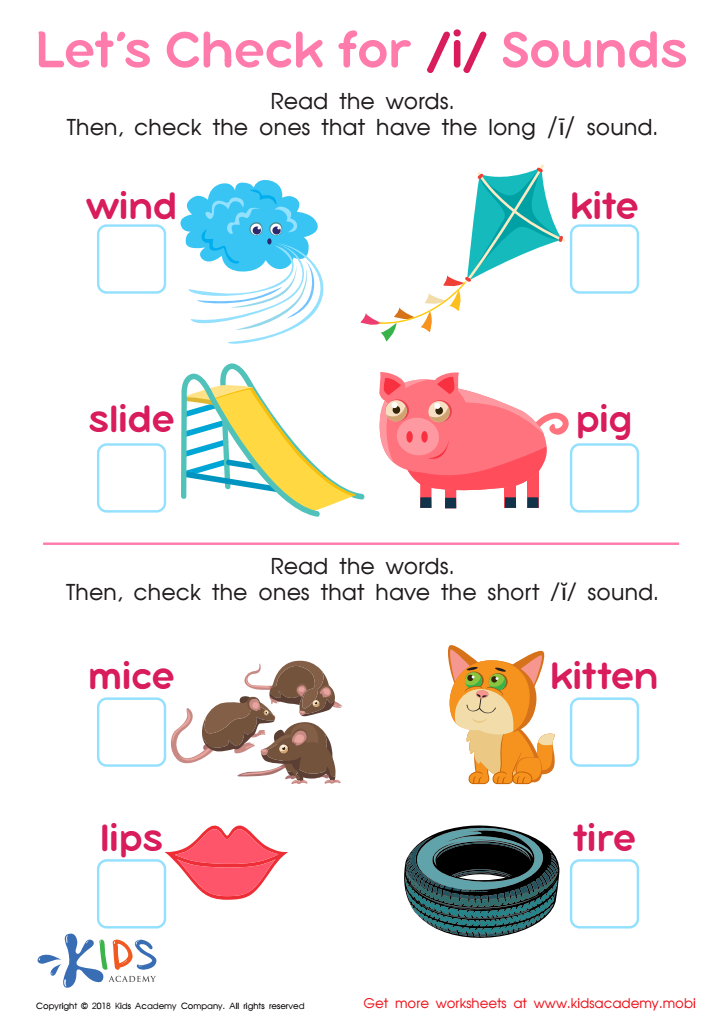
Let's Check for «i» Sounds Worksheet
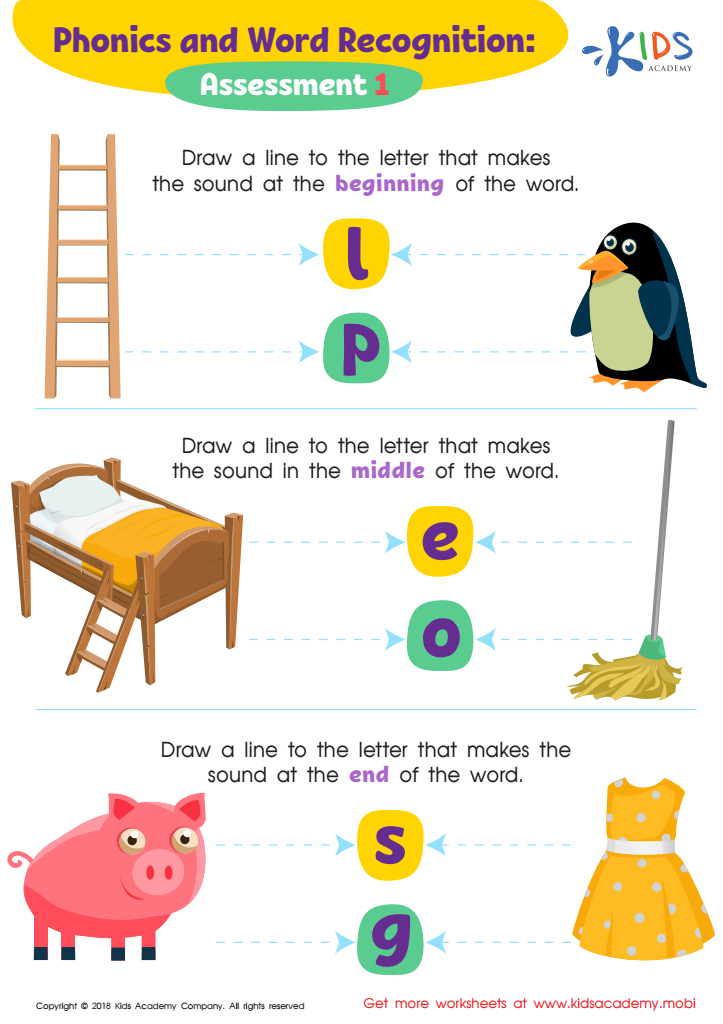
Phonics and Word Recognition: Assessment 1 ELA Worksheet








Phonics recognition is crucial for children aged 5-6 as it lays the foundation for reading and writing skills. This early literacy development enables children to understand the relationship between sounds and letters, which is essential for decoding words. As children learn to recognize phonetic sounds, they gain confidence in their reading abilities, leading to improved comprehension and a greater love for literature.
Investing in phonics education also supports overall cognitive development. When children grasp phonics, they enhance their listening skills, memory, and ability to process information. These skills not only aid in reading but also contribute to their success in other academic areas.
Furthermore, phonics recognition fosters independence in young learners. As children become proficient readers, they can explore texts on their own, encouraging curiosity and a passion for learning. For parents, understanding and engaging in phonics activities at home can establish a collaborative learning environment, strengthening the parent-child bond.
In sum, prioritizing phonics recognition in early education empowers children with essential literacy skills, boosts their self-esteem, and sets them on a path for lifelong academic achievement. Teachers and parents alike play a vital role in nurturing these foundational skills during this critical developmental stage.







