Phonics skills development Phonics Worksheets for Ages 5-6
5 filtered results
-
From - To
Unlock the power of reading with our expertly-designed Phonics Worksheets for children ages 5-6. Focusing on phonics skills development, these engaging activities help young learners grasp letter sounds, blends, and word formation. Each worksheet is crafted to reinforce key phonics concepts, promoting confidence and fluency in reading. With bright visuals and interactive tasks, our worksheets make learning both fun and effective. Perfect for classroom or home use, they provide a solid foundation for early literacy. Boost your child’s reading skills today with our comprehensive phonics resources. Visit Kids Academy to explore our full range of educational materials.
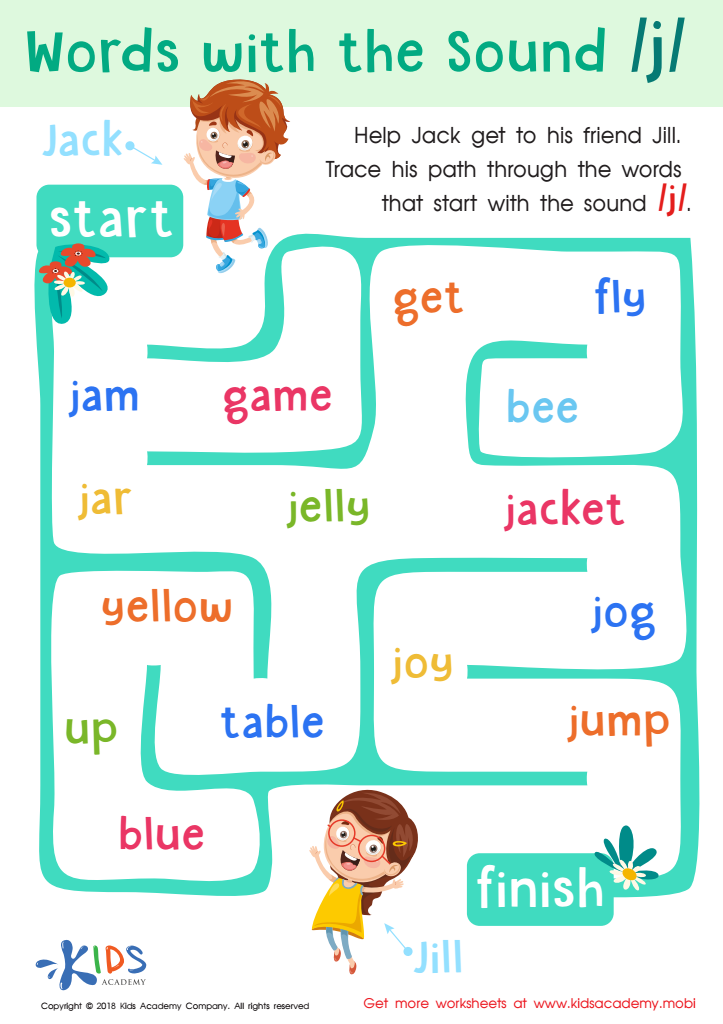
Words with sound j Reading Worksheet
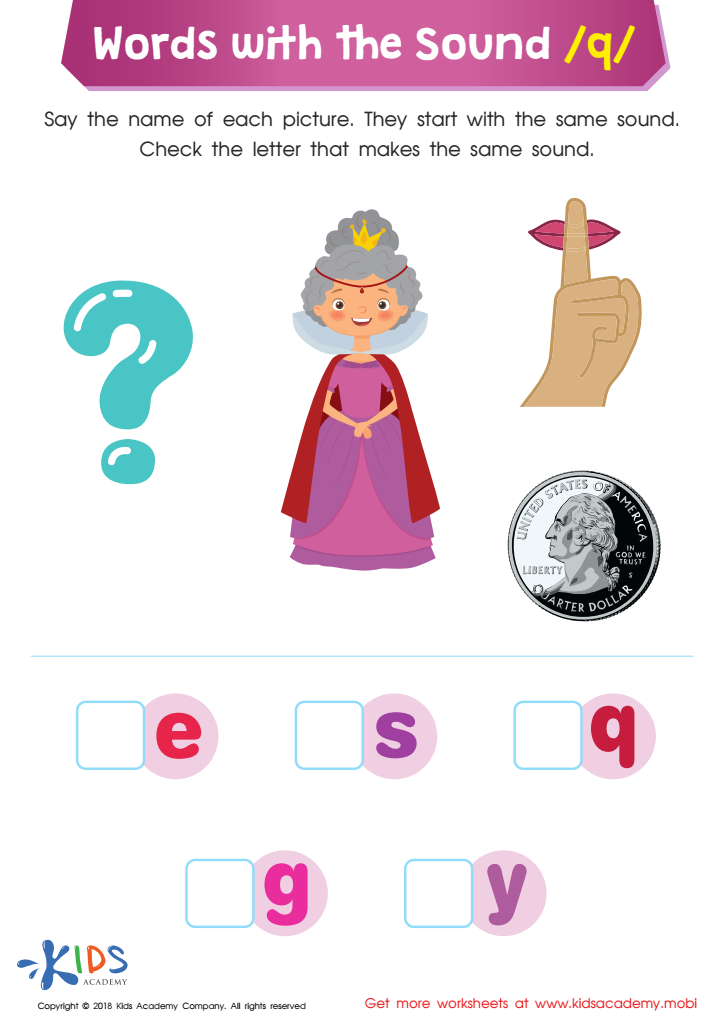
Words with Sound Q Reading Worksheet
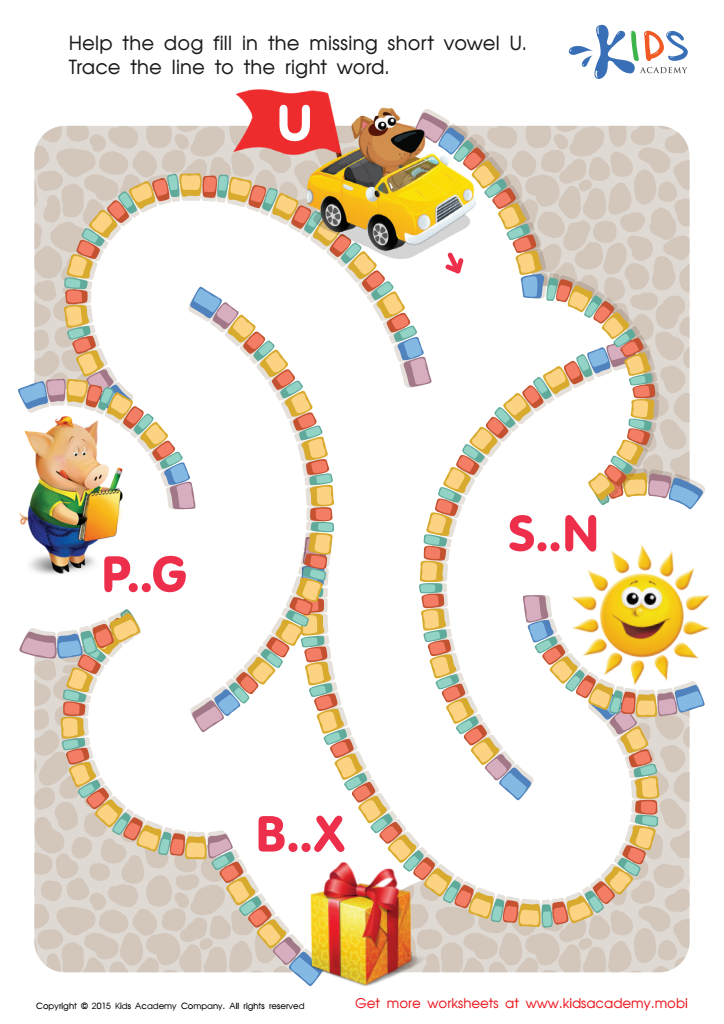
Short Vowel Sound U Worksheet
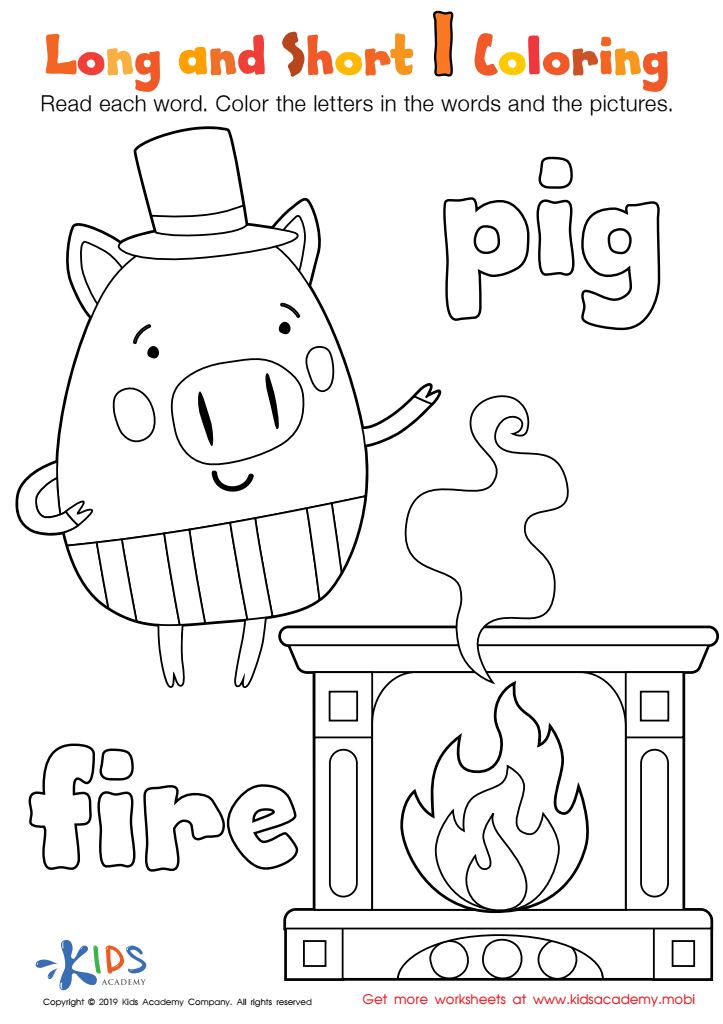
Long and Short I Worksheet
 Assign to My Students
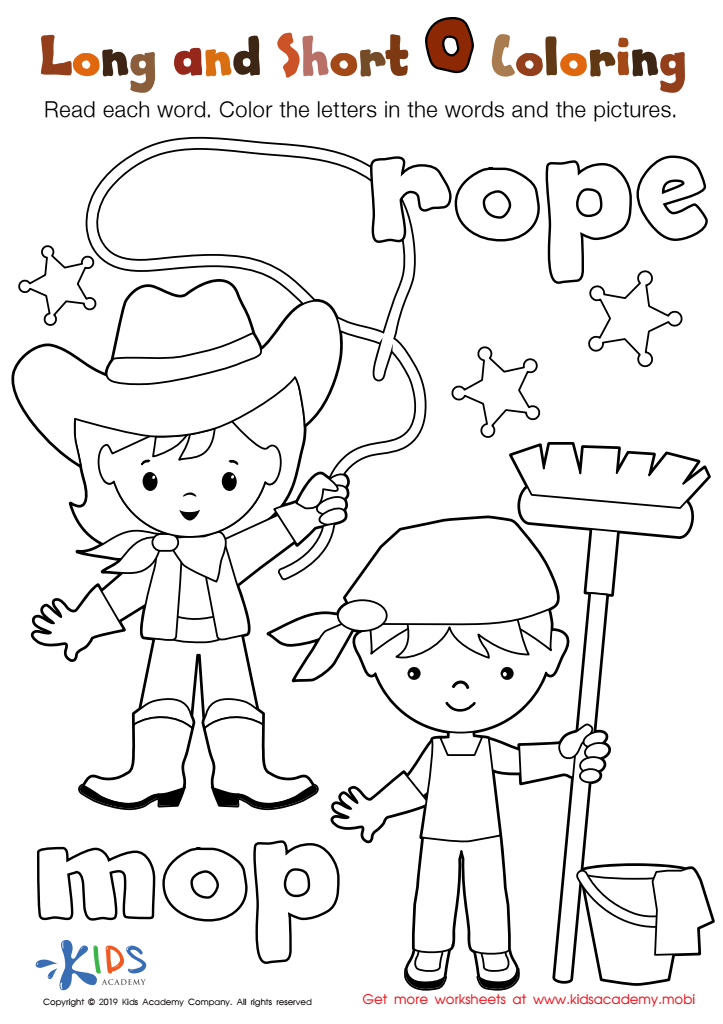
Long and Short O Worksheet
Assign to My Students








Parents and teachers should care about phonics skills development for children aged 5-6 because it lays the foundational groundwork for reading and enhances literacy skills. Phonics instruction helps children understand the relationship between letters and sounds, a critical step in decoding words. This understanding enables young learners to read more fluently and accurately, boosting their confidence and interest in reading.
Early phonics education equips children with tools to independently recognize and sound out new words, fostering a sense of achievement and empowering them to explore books on their own. Moreover, strong phonics skills contribute to better spelling abilities, which directly impacts a child's writing proficiency.
From a cognitive standpoint, phonics instruction aids in developing phonemic awareness, which is the ability to hear, identify, and manipulate phonemes. This awareness is essential not only for reading but also for overall language development. Children who get a strong start with phonics are less likely to experience reading difficulties later on, which can affect their academic progress across subjects.
Investing time and resources into phonics for 5-6-year-olds creates a positive, long-lasting impact on their educational journey. A good command of phonics is an invaluable tool, helping to cultivate a lifelong love for reading and learning, which is crucial for their academic success and beyond.







