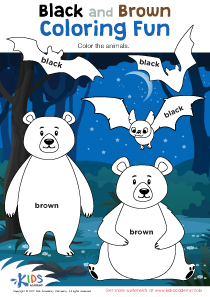
Alphabet Recognition English for Beginners Worksheets for Ages 5-6 - Page 2
32 filtered results
-
From - To
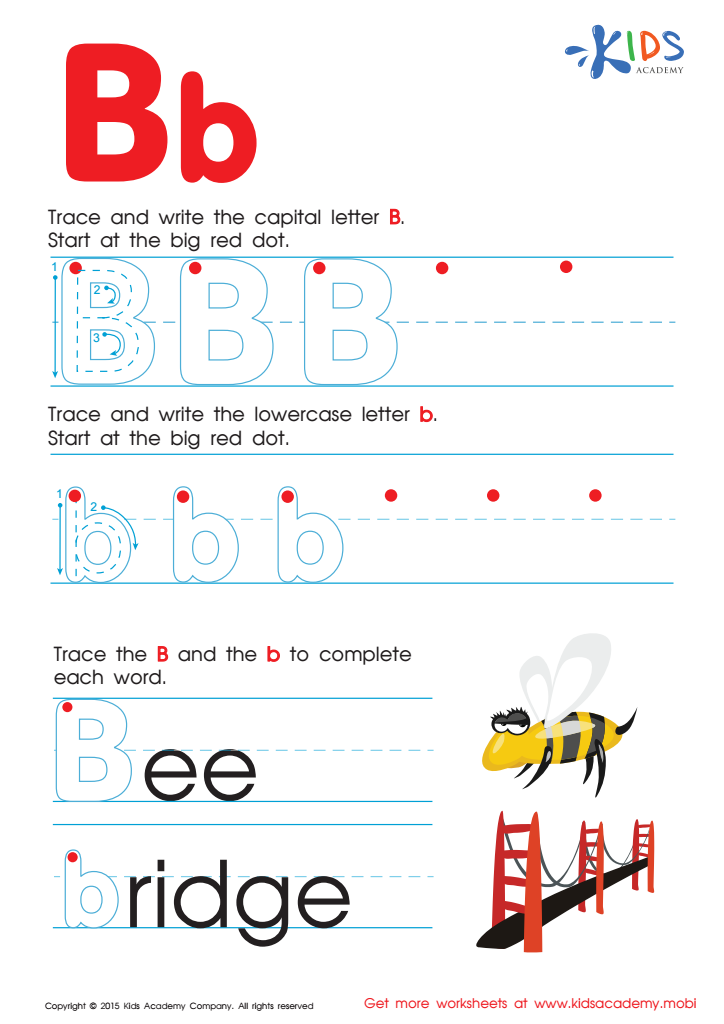
Letter B Tracing Page
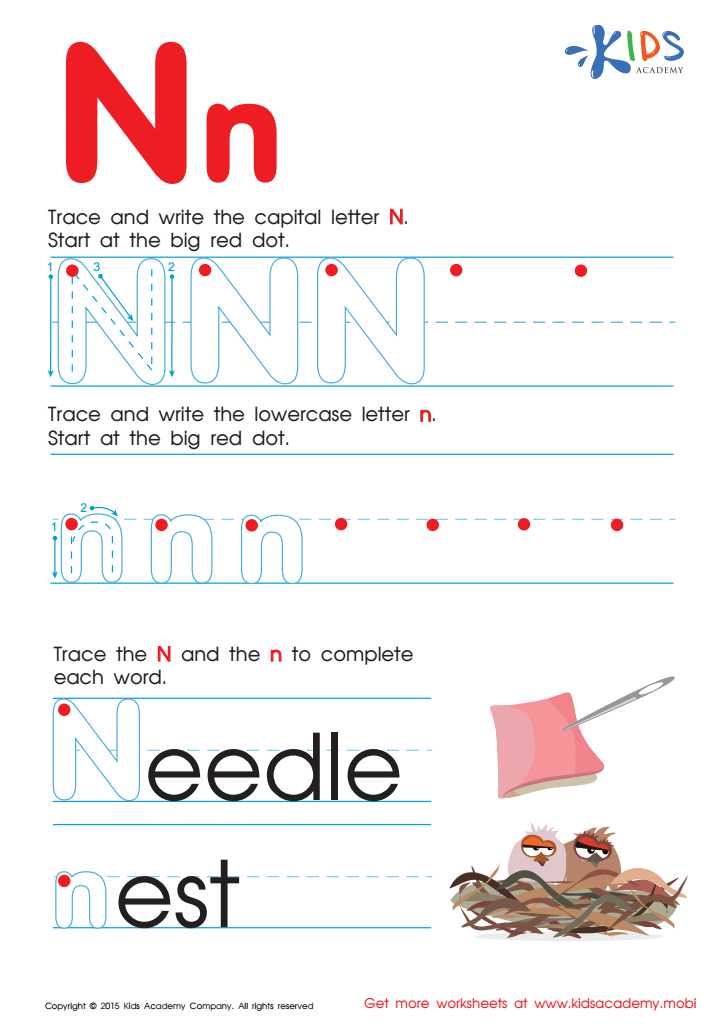
Letter N Tracing Page
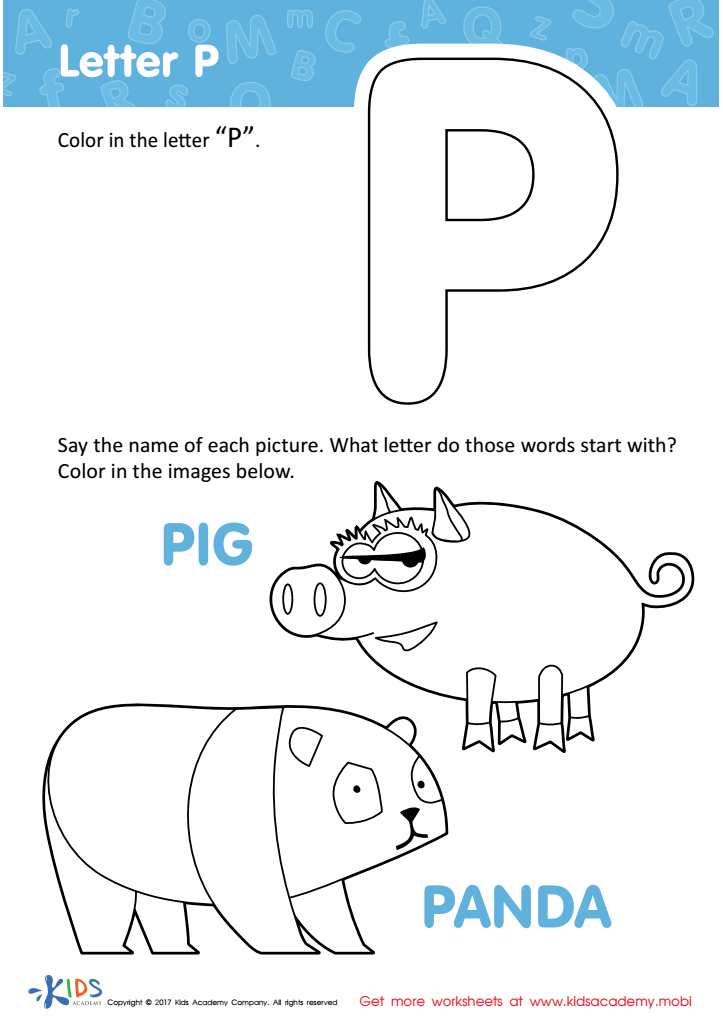
Letter P Coloring Sheet
 Assign to My Students
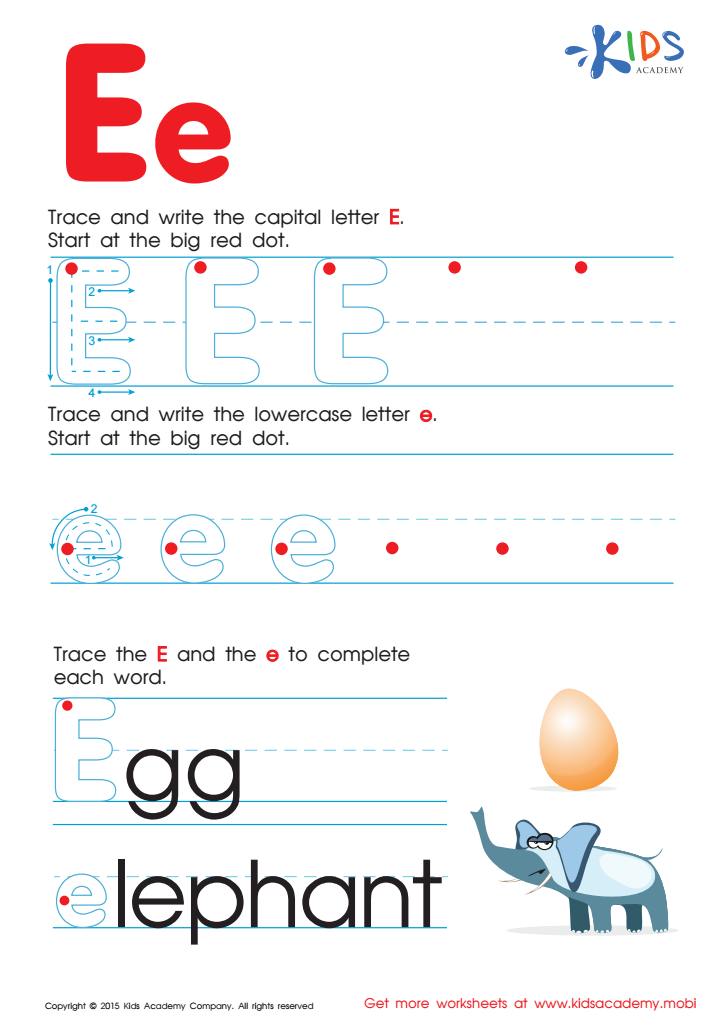
Letter E Tracing Page
Letter H Coloring Sheet
Assign to My Students
Letter Y Coloring Sheet
Assign to My Students
Letter F Coloring Sheet
Assign to My Students
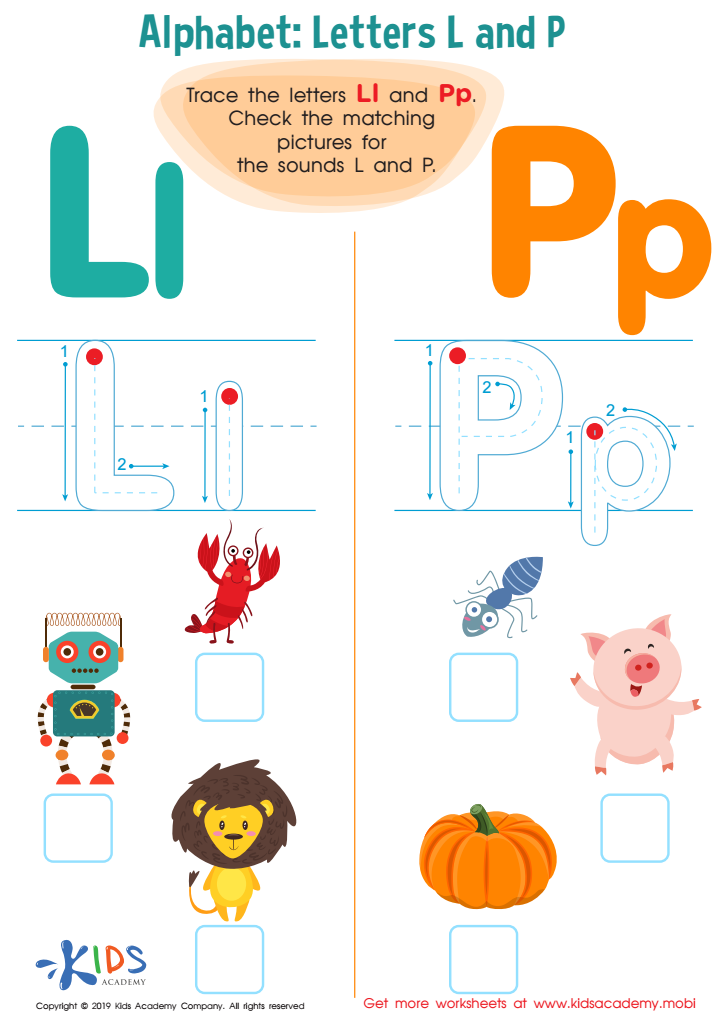
Letter L and P Tracing Worksheet





Alphabet recognition is a fundamental building block for reading and language development, making it imperative for parents and teachers of children aged 5-6 to prioritize this skill. At this age, children are naturally curious and ready to explore the world of letters and sounds. Recognizing the alphabet is crucial, as it lays the groundwork for literacy; children learn to decode words and develop their vocabulary.
Parents and teachers should care about alphabet recognition because it promotes confidence and independence in young learners. Mastery of letters allows children to interact with written language more effectively, fostering a love for reading and writing. When children can recognize letters, they are better equipped to practice phonics, spell simple words, and understand texts, which boosts their academic success.
Moreover, alphabet recognition facilitates cognitive development. It helps improve memory, auditory processing, and even social skills as children engage in group activities that reinforce learning. Ultimately, instilling a strong understanding of the alphabet at an early age empowers children to become proficient readers, eager learners, and academically engaged individuals. By nurturing these skills, parents and teachers set the stage for lifelong literacy and enrich the child's educational journey.