Letter recognition English for Beginners Worksheets for Ages 5-6 - Page 2
41 filtered results
-
From - To
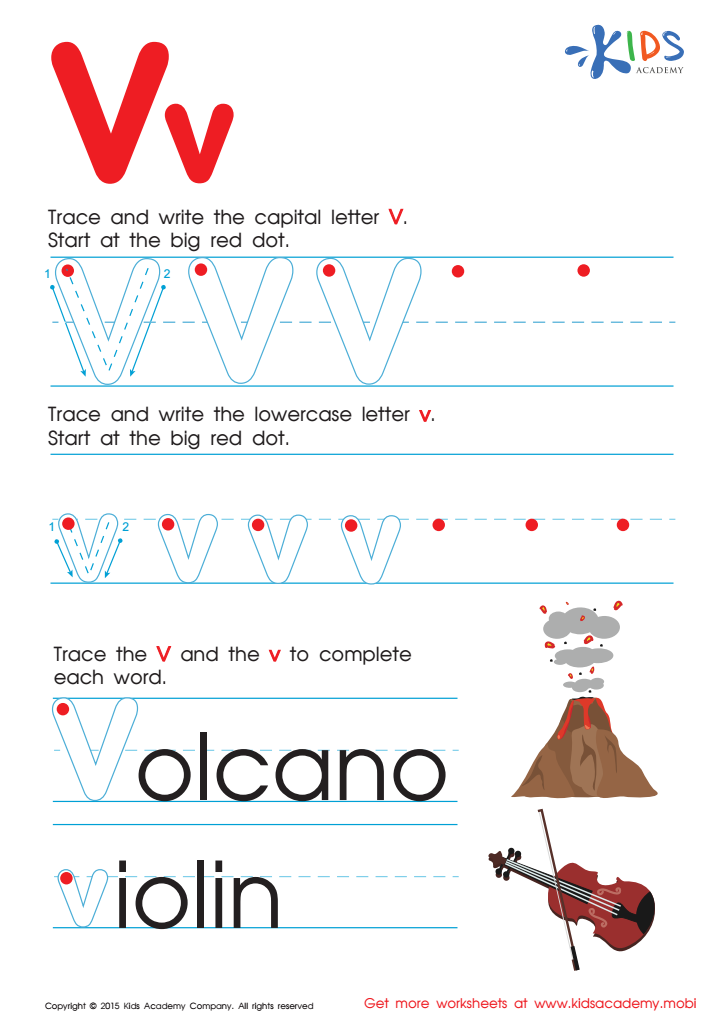
Letter V Tracing Page
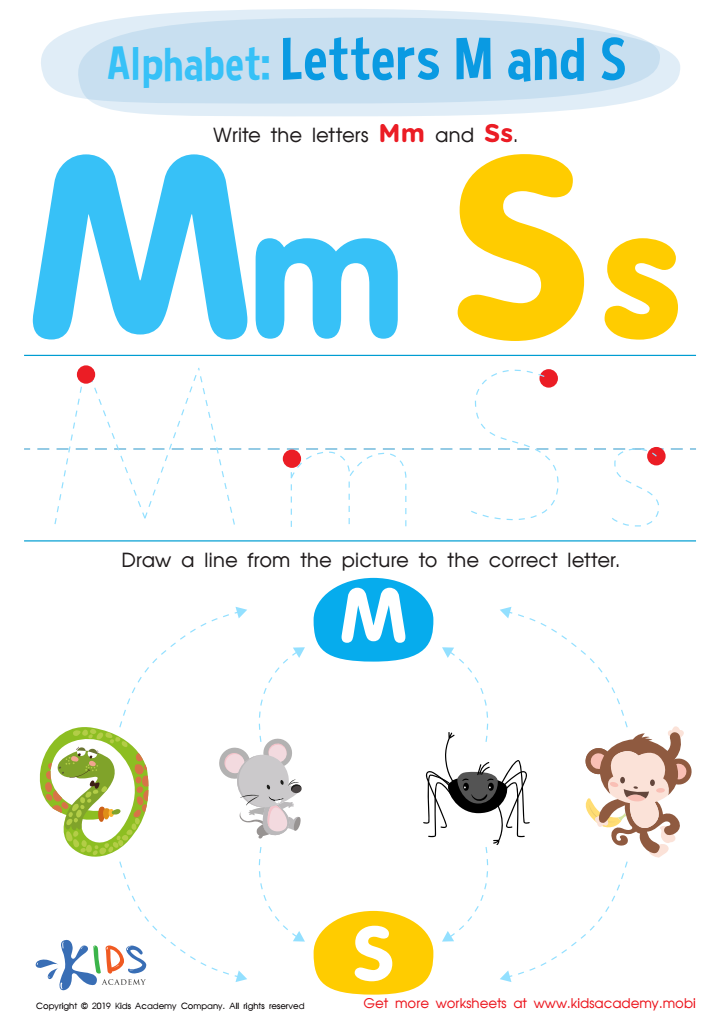
Letters M and S Tracing Worksheet
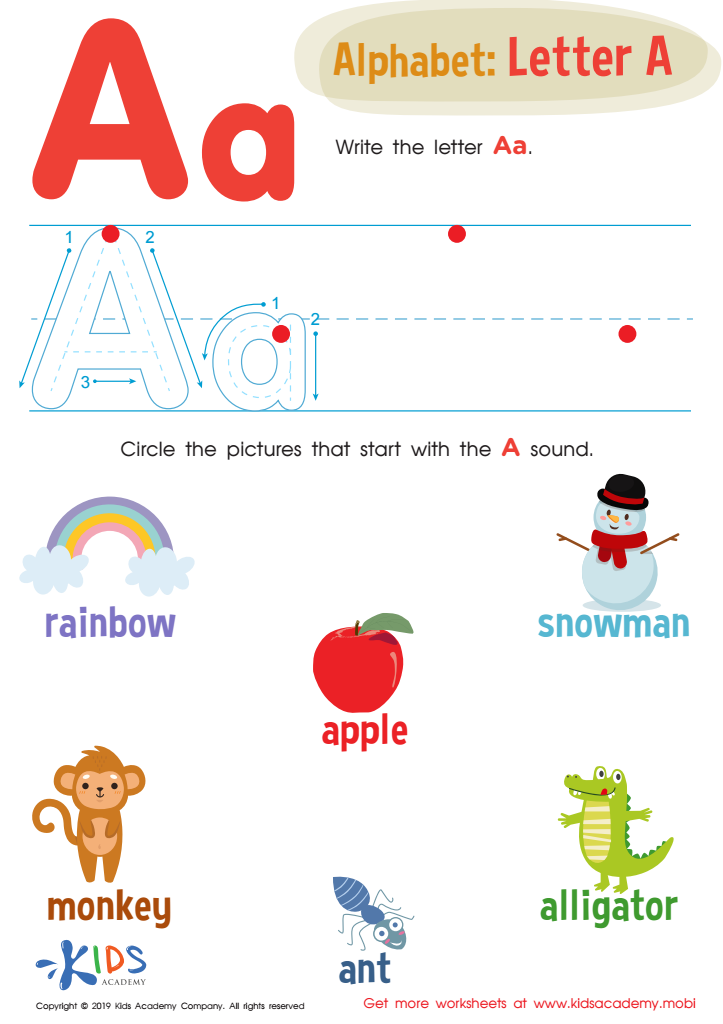
Letter A Tracing Worksheet
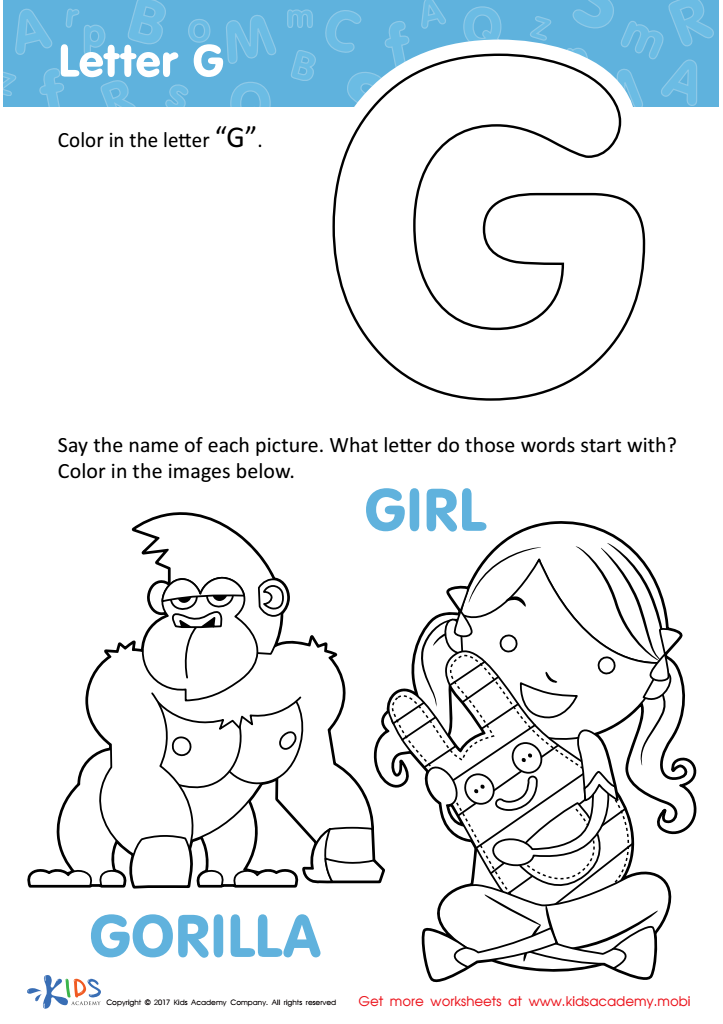
Letter G Coloring Sheet
 Assign to My Students
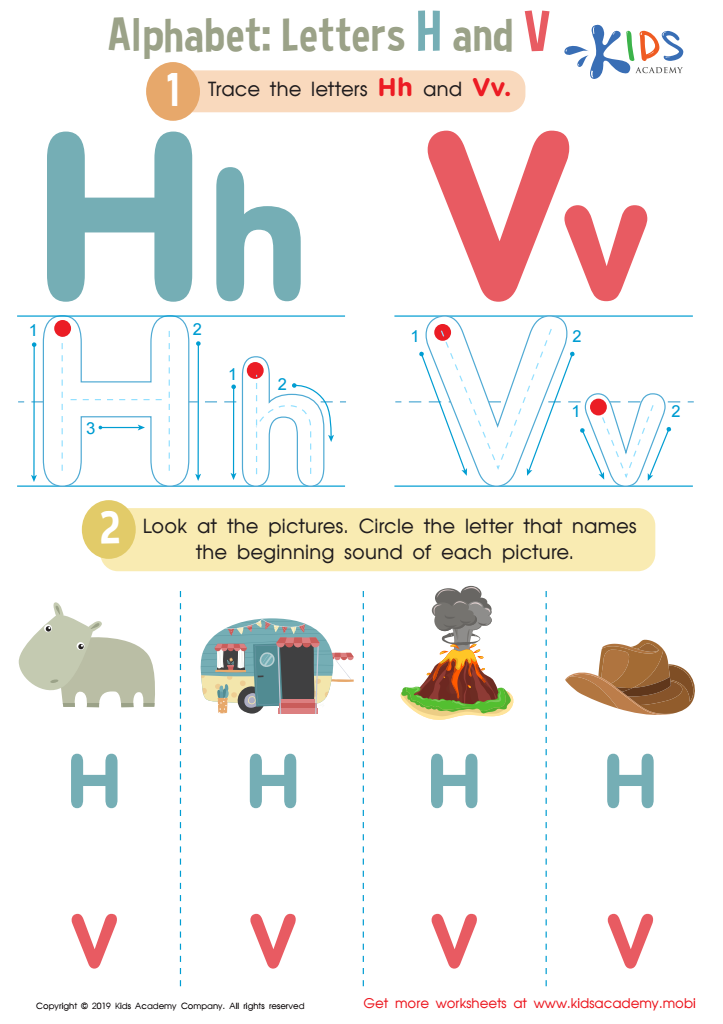
Letters H and V Tracing Worksheet
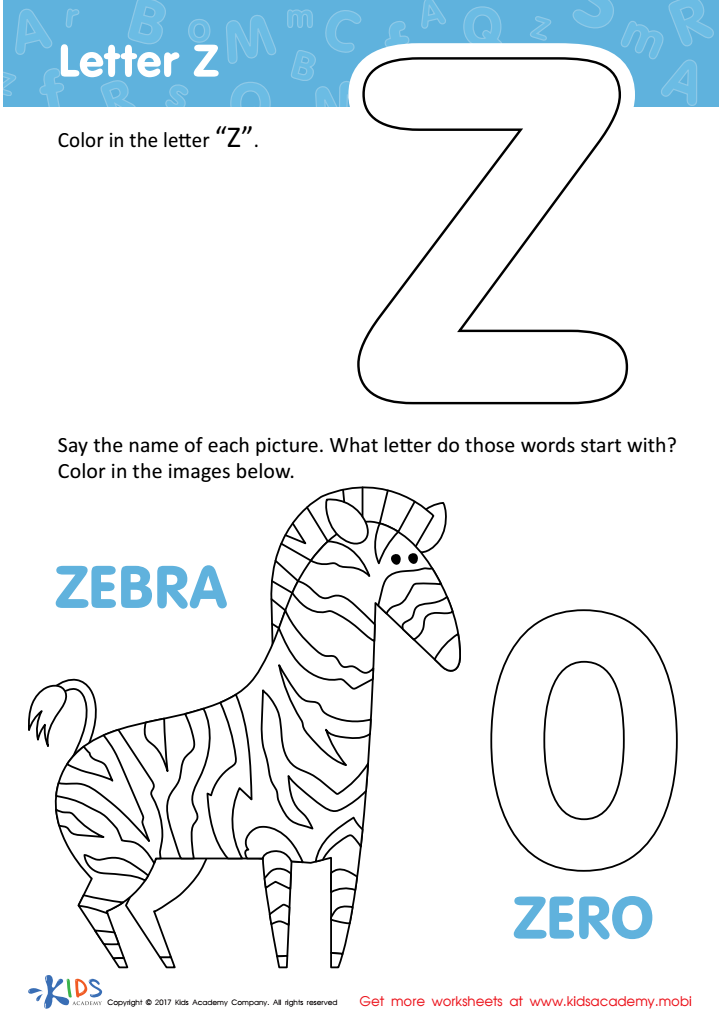
Letter Z Coloring Sheet
Assign to My Students
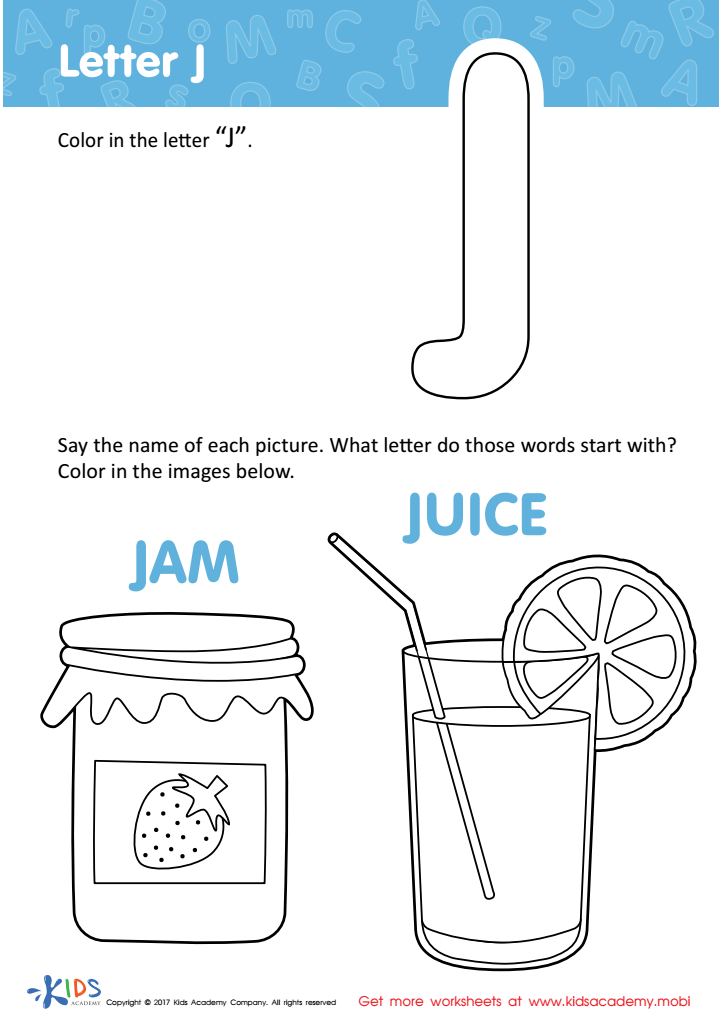
Letter J Coloring Sheet
Assign to My Students
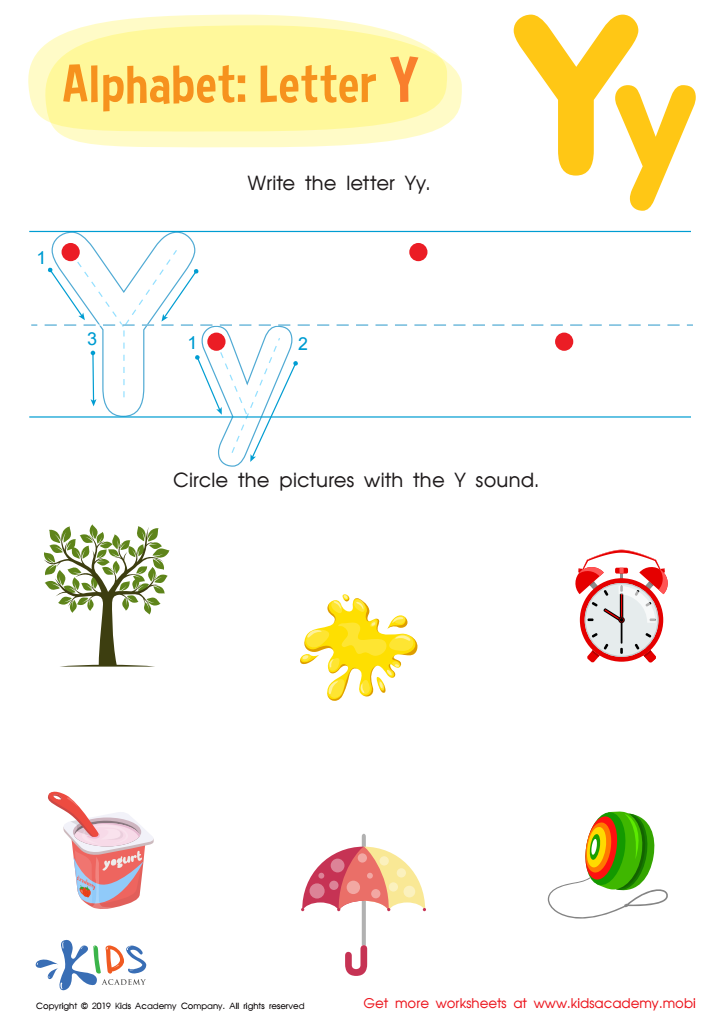
Letter Y Tracing Worksheet
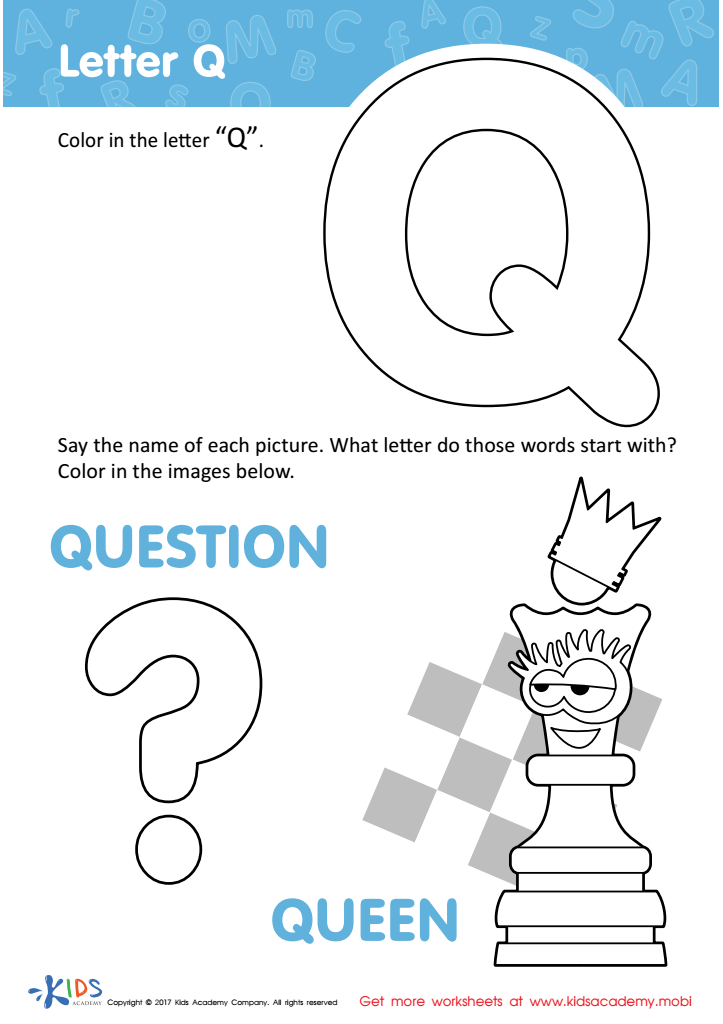
Letter Q Coloring Sheet
Assign to My Students
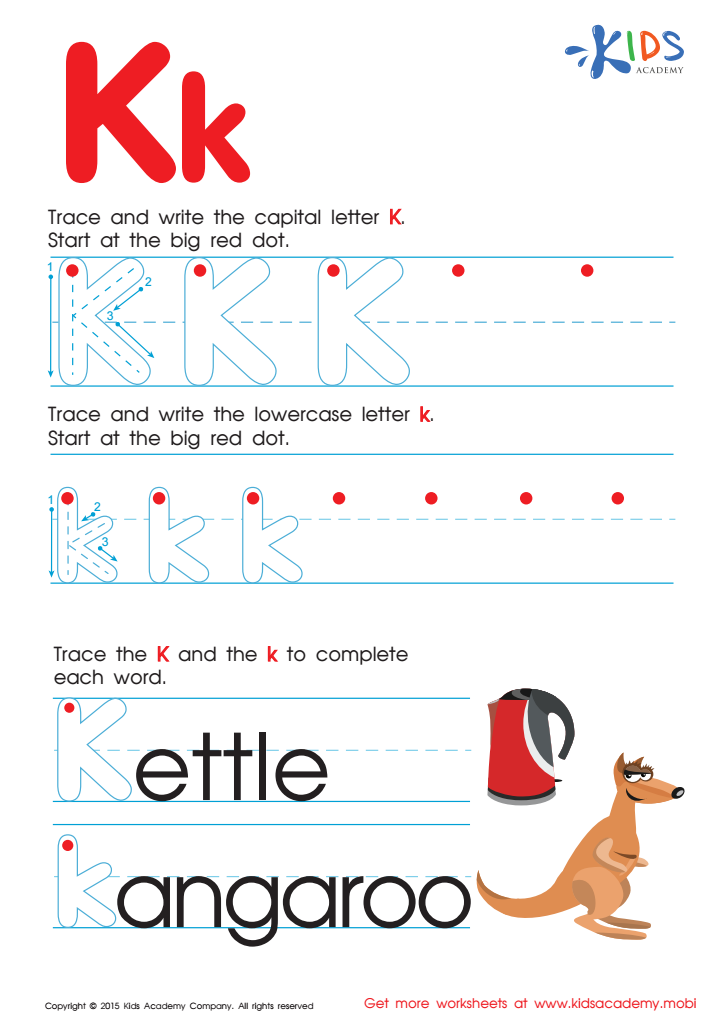
Letter K Tracing Page
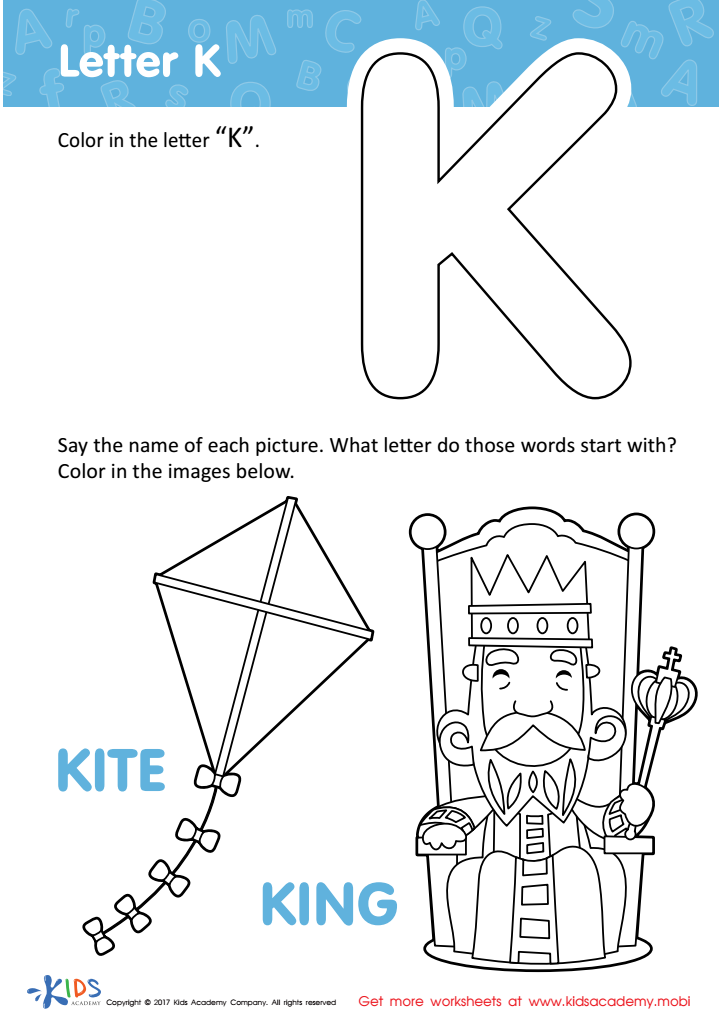
Letter K Coloring Sheet
Assign to My Students
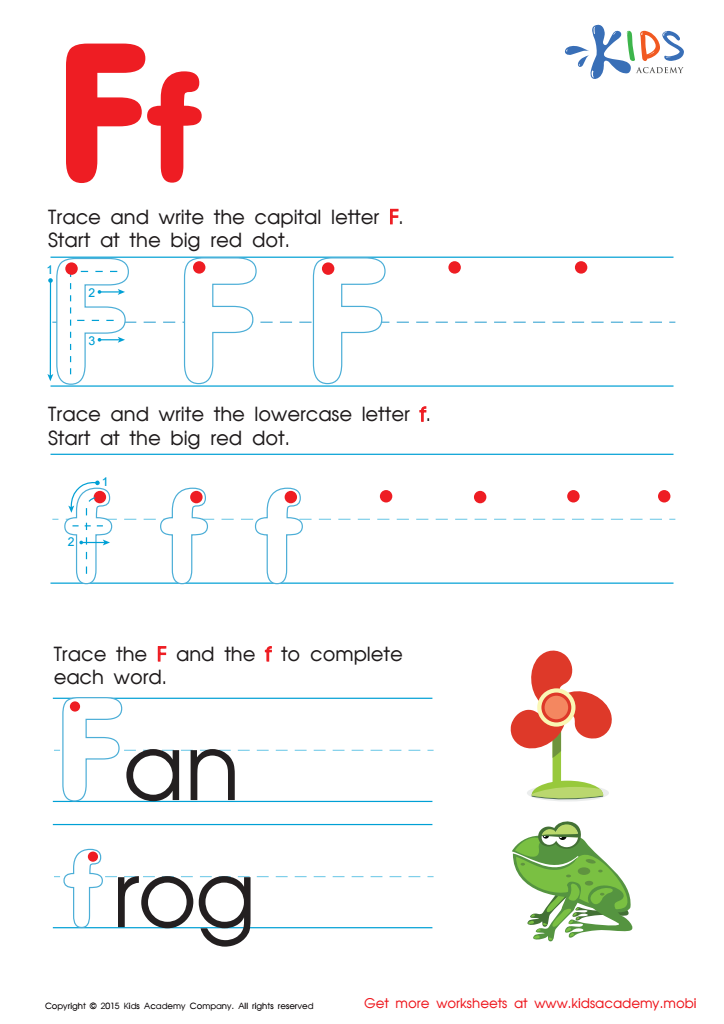
Letter F Tracing Page
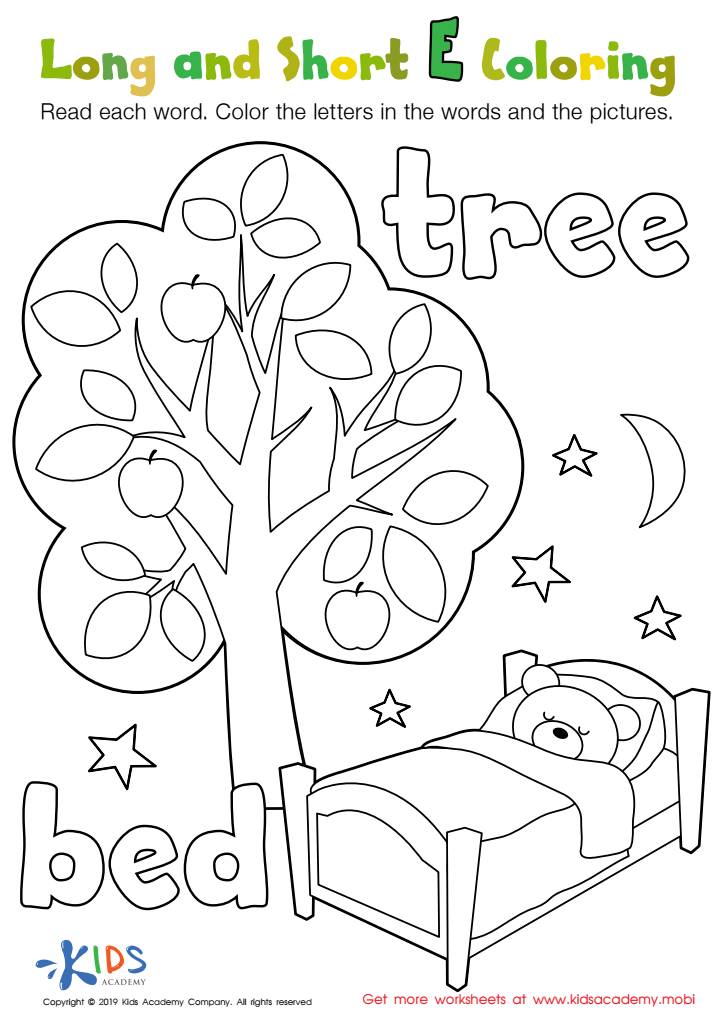
Long and Short E Worksheet
Assign to My Students
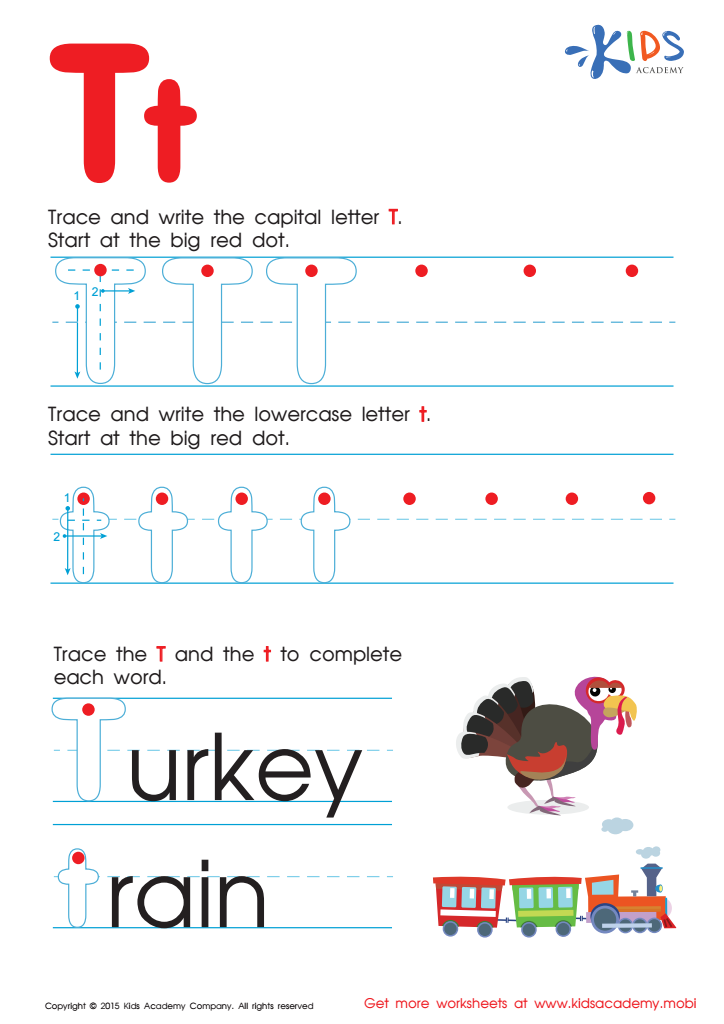
Letter T Tracing Page
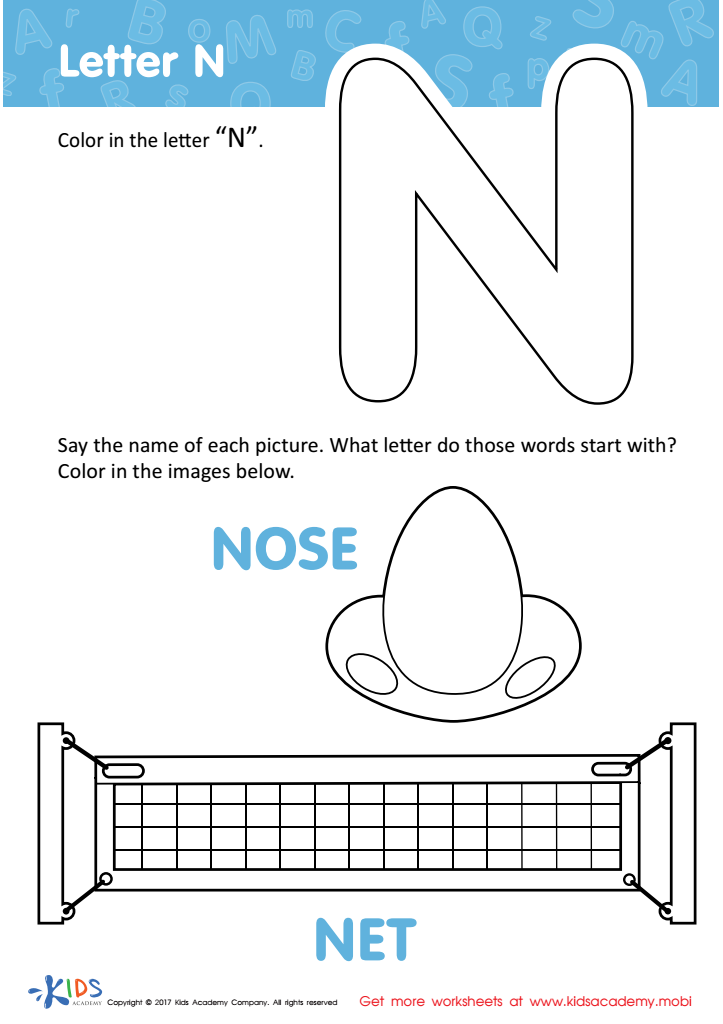
Letter N Coloring Sheet
Assign to My Students
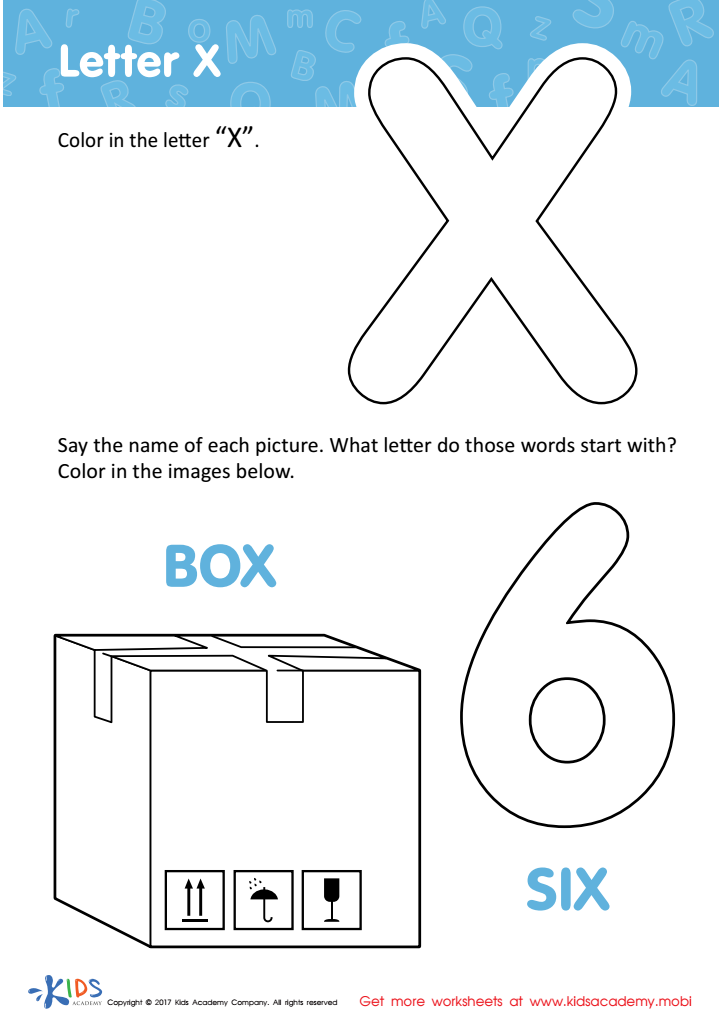
Letter X Coloring Sheet
Assign to My Students

Letter D Tracing Page





Letter recognition is a foundational skill essential for young learners aged 5-6, laying the groundwork for reading and writing. Parents and teachers should prioritize this aspect of literacy for several reasons.
Firstly, letter recognition aids in developing phonemic awareness, which is critical for decoding words and understanding sounds in the English language. When children can recognize letters, they can connect them to sounds, making the process of reading smoother and more enjoyable.
Secondly, early mastery of letter recognition enhances a child’s confidence and motivation to engage with texts. Children who recognize letters are more inclined to explore books, participate in storytelling, and express themselves through writing. This engagement fosters a love for reading that can positively influence their academic journey.
Furthermore, letter recognition encourages cognitive development and memory skills. By recognizing letters and their corresponding sounds, children improve their cognitive abilities, including attention and retention.
Lastly, both parents and teachers play a pivotal role in creating an environment rich in literacy experiences. Activities like reading aloud, letter-based games, and crafting with letters promote interaction and learning, reinforcing the importance of this foundational skill. Overall, fostering letter recognition not only supports literacy development but also prepares children for future academic success.