Alphabetical understanding Worksheets for Ages 5-6
3 filtered results
-
From - To
Explore our engaging Alphabetical Understanding Worksheets designed for children aged 5-6. These colorful and interactive worksheets focus on helping young learners recognize, identify, and use letters in the alphabet. Through fun activities such as sorting, matching, and tracing, children will develop essential literacy skills that build a solid foundation for reading and writing. Our worksheets not only enhance alphabetical knowledge but also promote cognitive development and critical thinking. Perfect for homeschooling or classroom use, these resources create a positive and enjoyable learning environment. Set your child on the path to literacy success with our delightful Alphabetical Understanding Worksheets today!
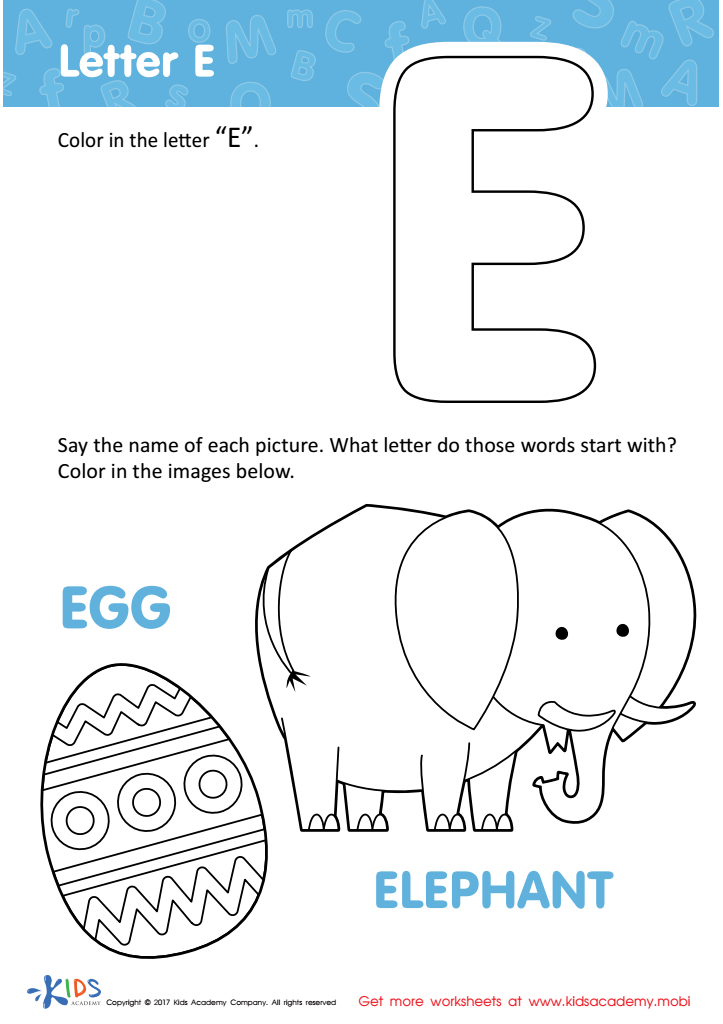
Letter E Coloring Sheet
 Assign to My Students
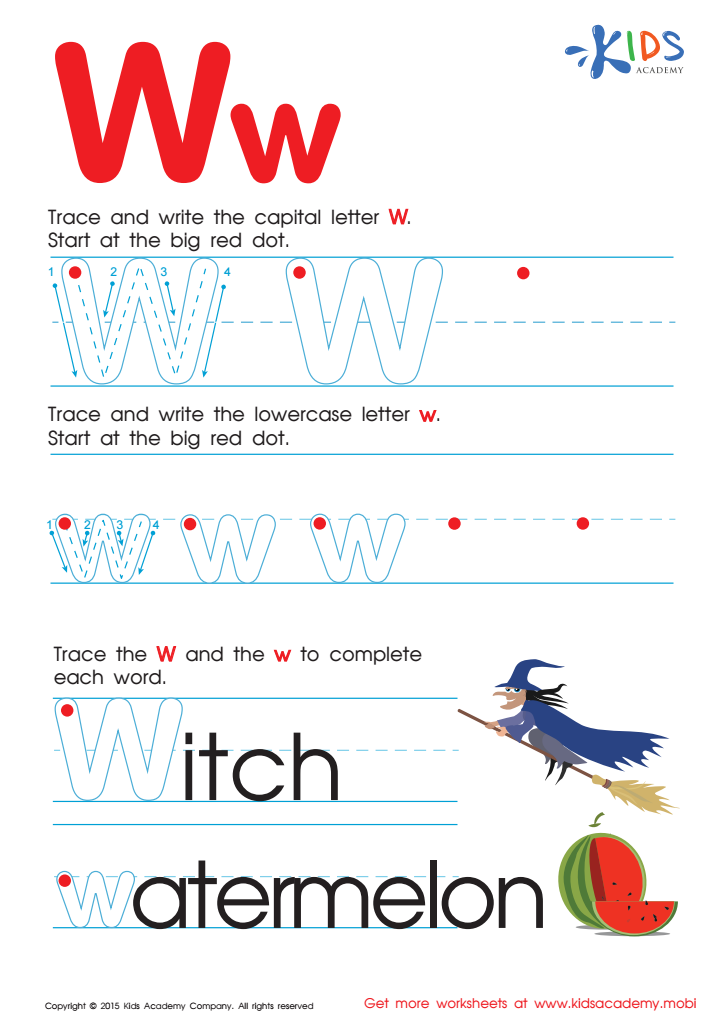
Letter W Tracing Page
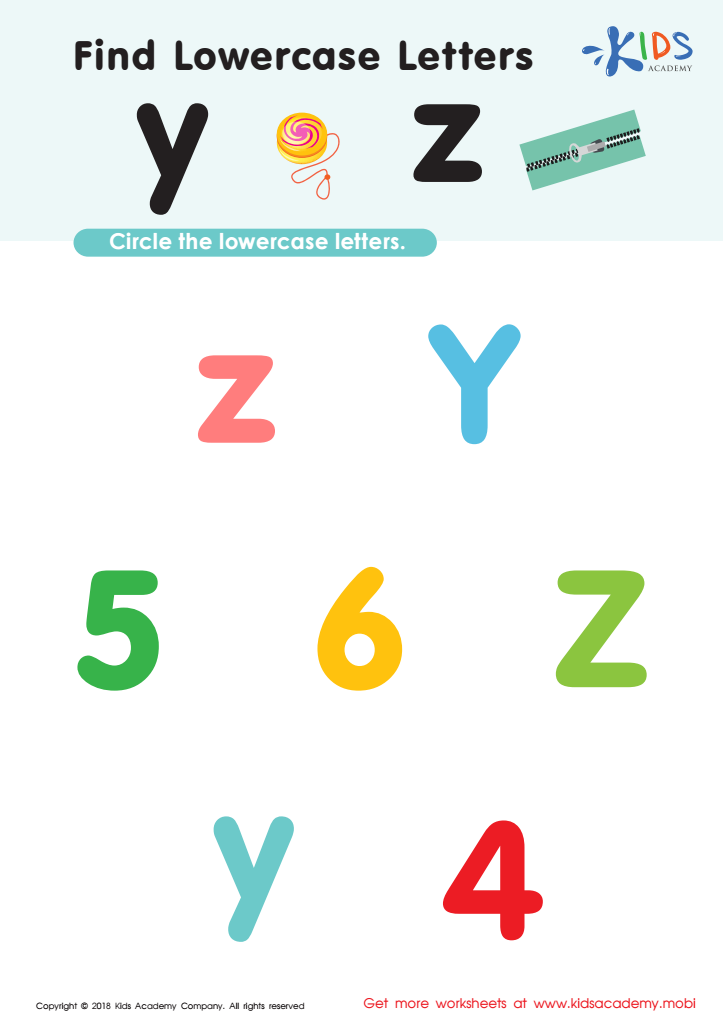
Find Lowercase Letters y z Worksheet








Alphabetical understanding is crucial for children aged 5-6 as it lays the foundation for reading and writing. At this developmental stage, children begin to recognize letters and their corresponding sounds, a skill known as phonemic awareness. Mastery of the alphabet not only aids in decoding words but also enhances vocabulary development, enabling children to express themselves more effectively.
Parents and teachers should care about this understanding because it directly impacts academic success. Children who grasp the alphabetical system are more likely to become proficient readers early on, fostering a love for reading and a thirst for knowledge. Additionally, strong literacy skills contribute to confidence in communication and other learning areas.
Promoting alphabetical understanding encourages critical thinking and problem-solving as children learn to manipulate letters, form words, and make connections. It also prepares them for future educational challenges, making the transition to more complex texts seamless.
Investing time and engaging activities around the alphabet—like songs, games, and storytelling—can significantly boost children’s interest and engagement. Ultimately, fostering alphabetical understanding is an essential step toward nurturing capable, confident learners ready to thrive in a literate world.








