Categorization skills Worksheets for Ages 5-6 - Page 2
29 filtered results
-
From - To
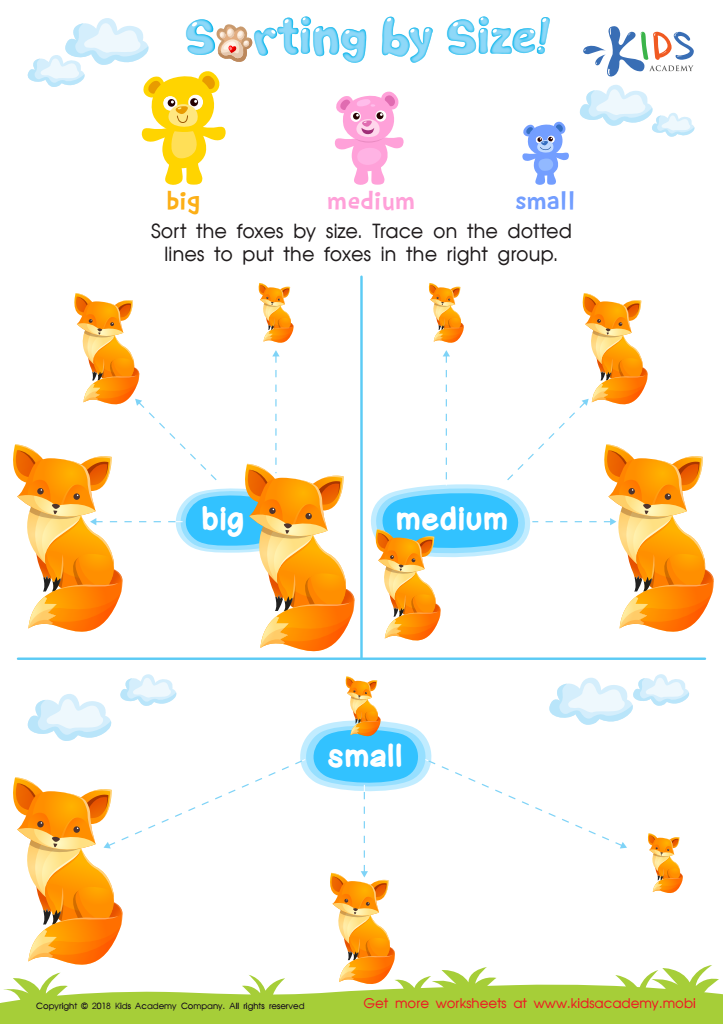
Sorting by Size Worksheet
 Assign to My Students
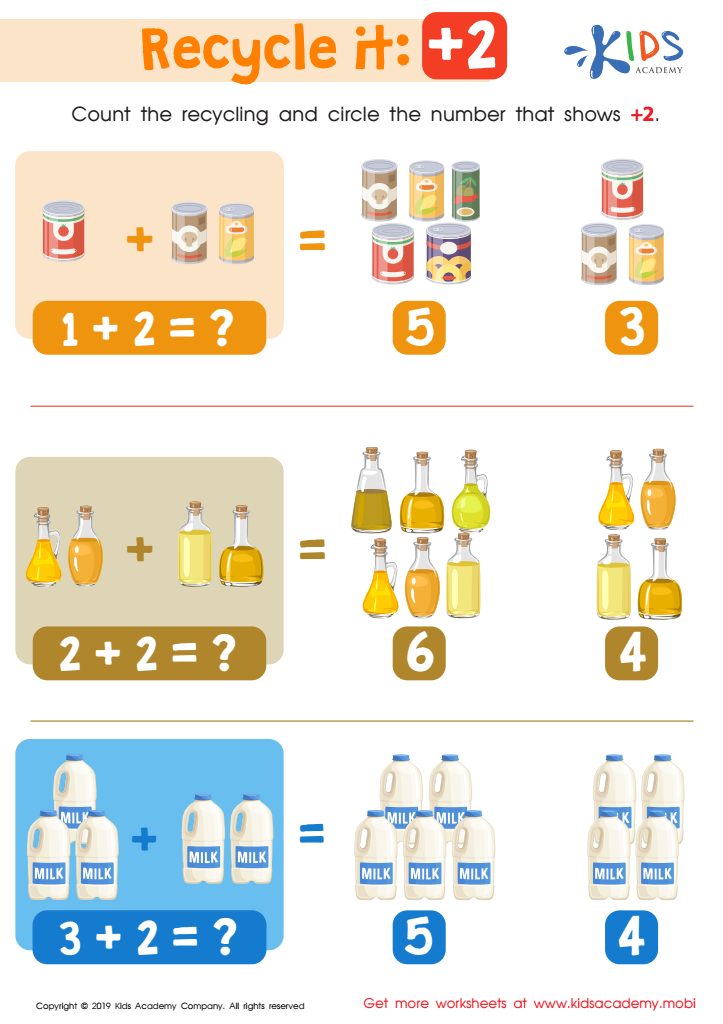
Recycle It: +2 Worksheet
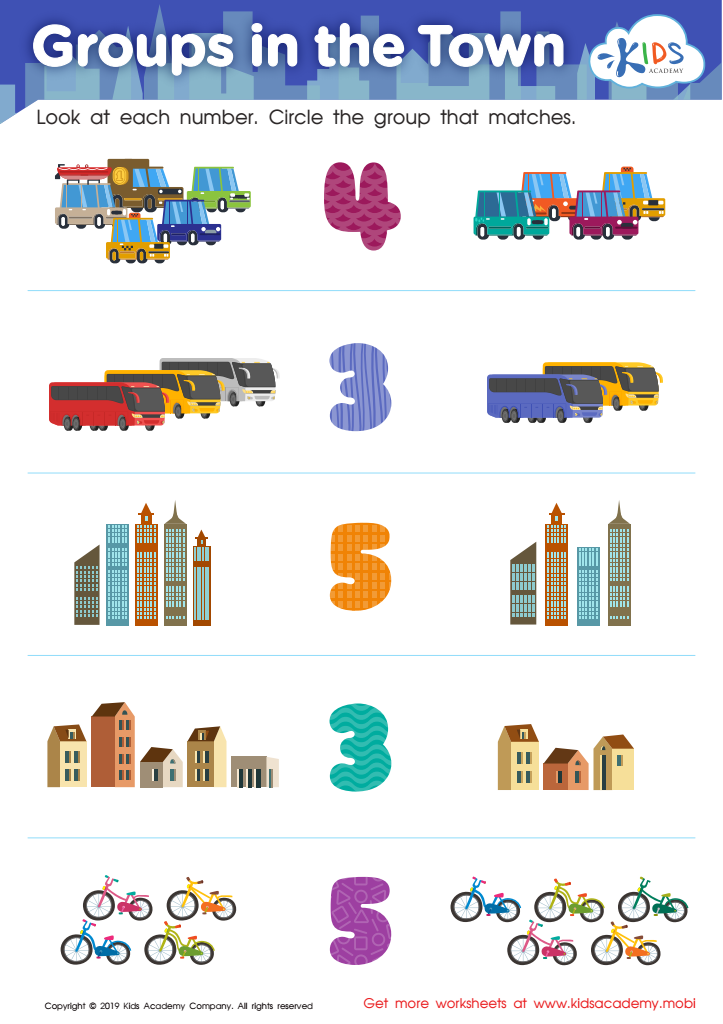
Groups in the Town Worksheet
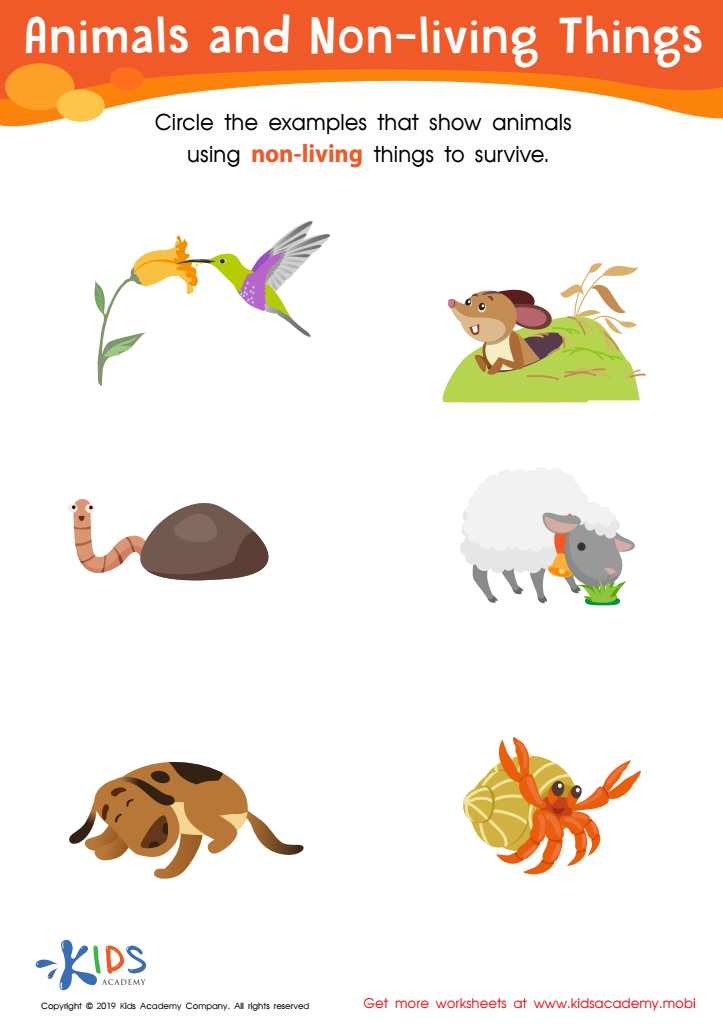
Animals and Non-Living Things Worksheet







Categorization skills are essential for children ages 5-6 as they serve as the foundation for critical thinking, problem-solving, and organizational abilities. At this developmental stage, children encounter vast amounts of information and experiences daily. By honing their categorization skills, they learn to classify objects, events, and concepts based on shared attributes, which enhances their understanding of the world. This skill helps them identify similarities and differences, enabling more effective learning experiences.
Additionally, categorization lays the groundwork for more complex cognitive skills. For instance, it promotes early math abilities like sorting, pattern recognition, and understanding quantities. In language development, children learn new vocabulary by grouping words, thus enriching their linguistic capabilities.
Recognizing its importance, teachers and parents should actively engage children in activities that promote categorization, such as sorting toys, classifying animals, or organizing books. These interactions not only boost academic skills but also empower children to think critically and creatively.
Ultimately, by fostering categorization skills, educators and caregivers are providing children with tools that will serve them throughout their educational journey, leading to greater confidence and curiosity as they navigate their increasingly complex world.








