Developing logical thinking Worksheets for Ages 5-6
4 filtered results
-
From - To
Our "Developing Logical Thinking Worksheets for Ages 5-6" are designed to stimulate young minds, enhancing problem-solving and critical thinking skills in a playful and engaging manner. Featuring a variety of activities, such as pattern recognition, sequencing, and basic reasoning exercises, these worksheets provide a solid foundation for academic success. Each activity is tailored to captivate and challenge young learners, fostering important cognitive skills. Parents and educators will appreciate the carefully crafted content that aligns with educational standards, making these worksheets an excellent resource for both classroom and home use. Equip your child with the tools to think logically and succeed academically!
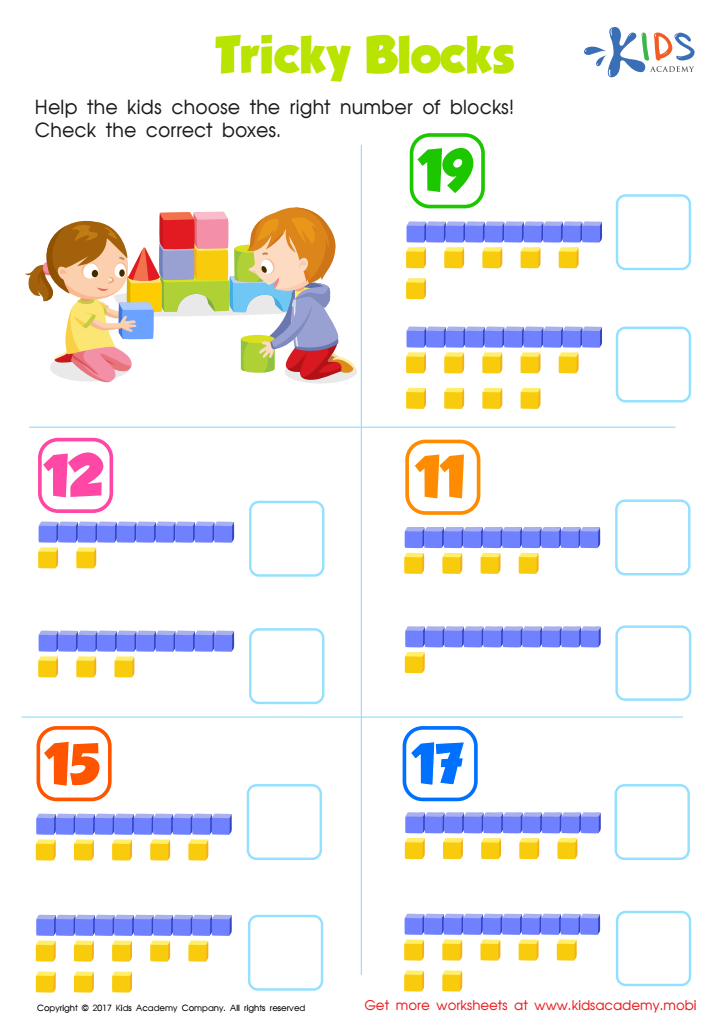
Tricky Blocks Worksheet
 Assign to My Students
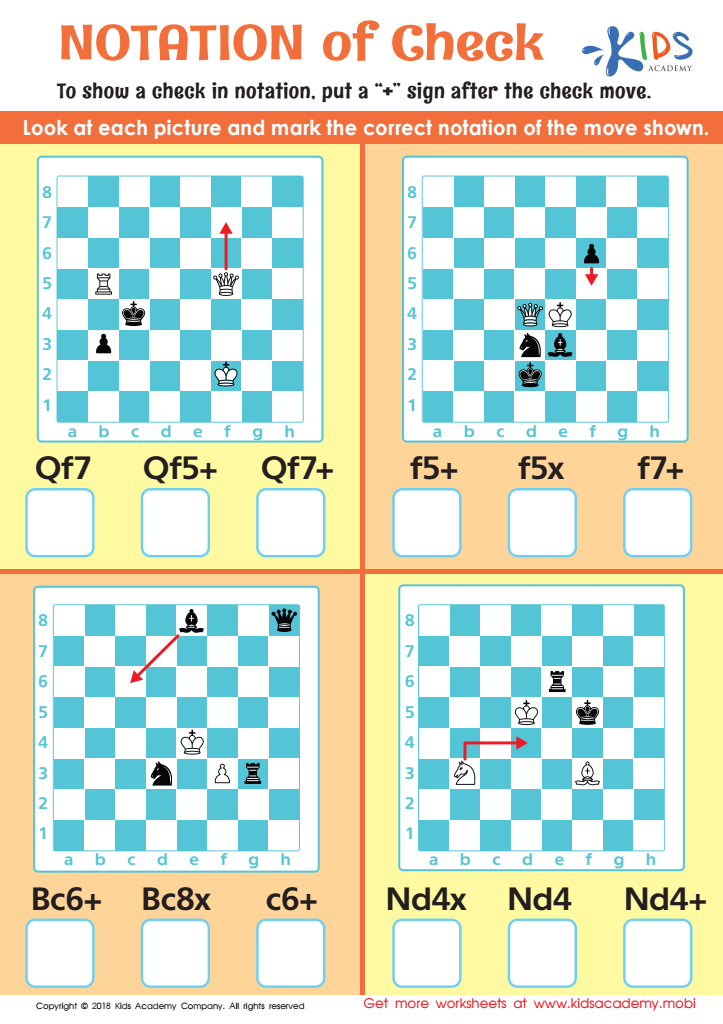
Notation of Check Worksheet
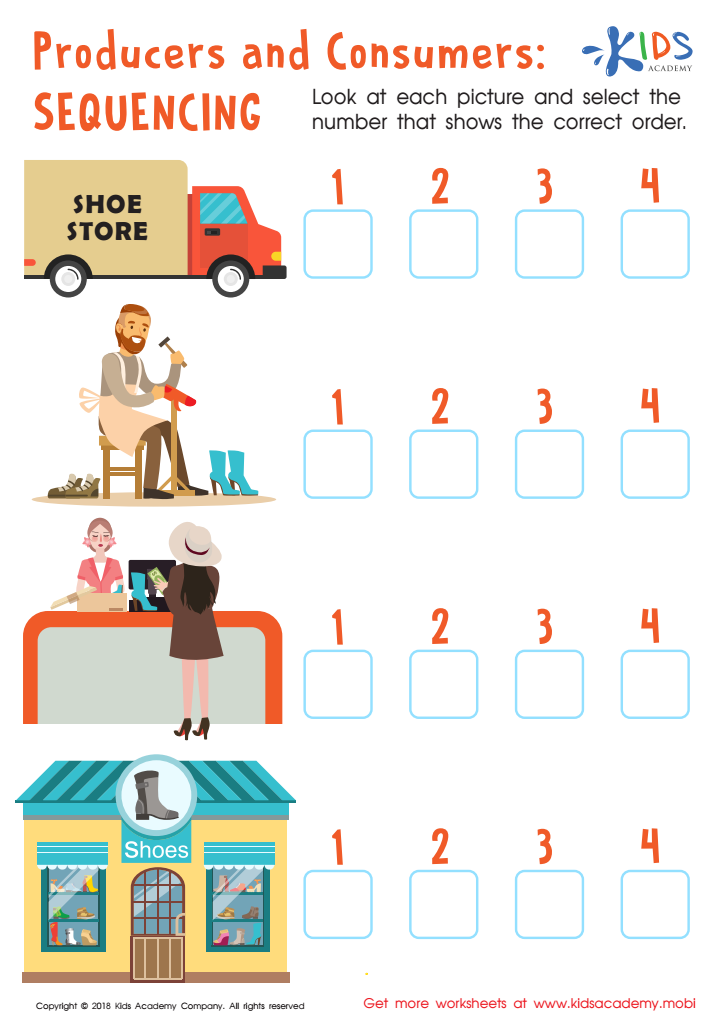
Producers and Consumers: Sequencing Worksheet
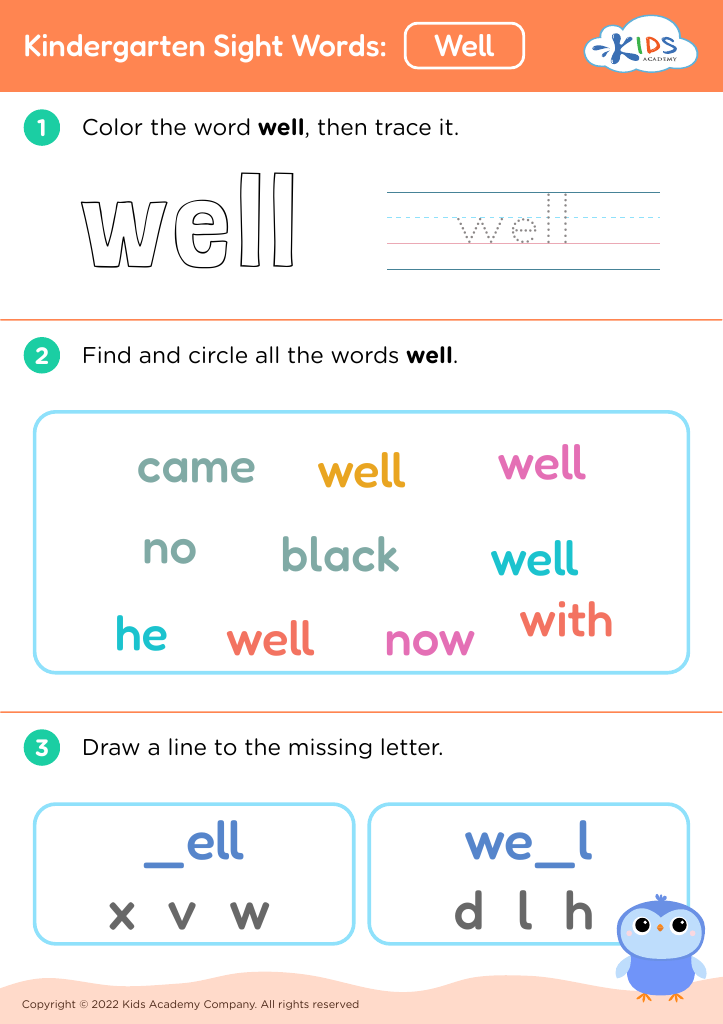



.jpg)




Developing logical thinking in children ages 5-6 is crucial as it forms the foundation for critical problem-solving skills and effective decision-making in their future. At this formative stage, children's cognitive abilities are rapidly evolving, and fostering logical thinking helps enhance their understanding of the world around them.
Logical thinking enables young children to make sense of patterns, categorize objects, and understand cause and effect, which are essential skills for academic achievement. For instance, in math, children learn to recognize sequences, understand number concepts, and solve simple problems. In literacy, they start identifying relationships between letters, words, and sentences, improving their comprehension and vocabulary.
Moreover, logical thinking promotes creativity and innovation. When children learn to analyze situations and reason out possibilities, they become adept at coming up with original solutions to challenges. This skill is invaluable as it carries over into adulthood, helping them navigate through various complexities of life.
Additionally, developing logical thinking builds self-confidence and autonomy in children. As they learn to solve problems independently, they gain a sense of achievement and are better prepared for more sophisticated academic tasks. Parents and teachers nurture this growth by encouraging questioning, exploration, and the application of logic in everyday play and learning activities. Hence, prioritizing logical thinking development in early childhood leads to well-rounded, capable, and curious individuals ready to thrive in diverse environments.








