Directional understanding Worksheets for Ages 5-6
6 filtered results
-
From - To
Explore our engaging Directional Understanding Worksheets designed specifically for children aged 5-6! These fun and interactive printables help young learners develop essential skills in spatial awareness and directional vocabulary. By completing these worksheets, kids will learn to recognize and follow directions such as "left," "right," "above," and "below." Our carefully crafted activities encourage critical thinking while making learning enjoyable. With vibrant illustrations and easy-to-understand instructions, these worksheets are perfect for use at home or in the classroom. Enhance your child's directional understanding today and support their overall cognitive development! Check out the worksheets now to kick-start their learning journey!
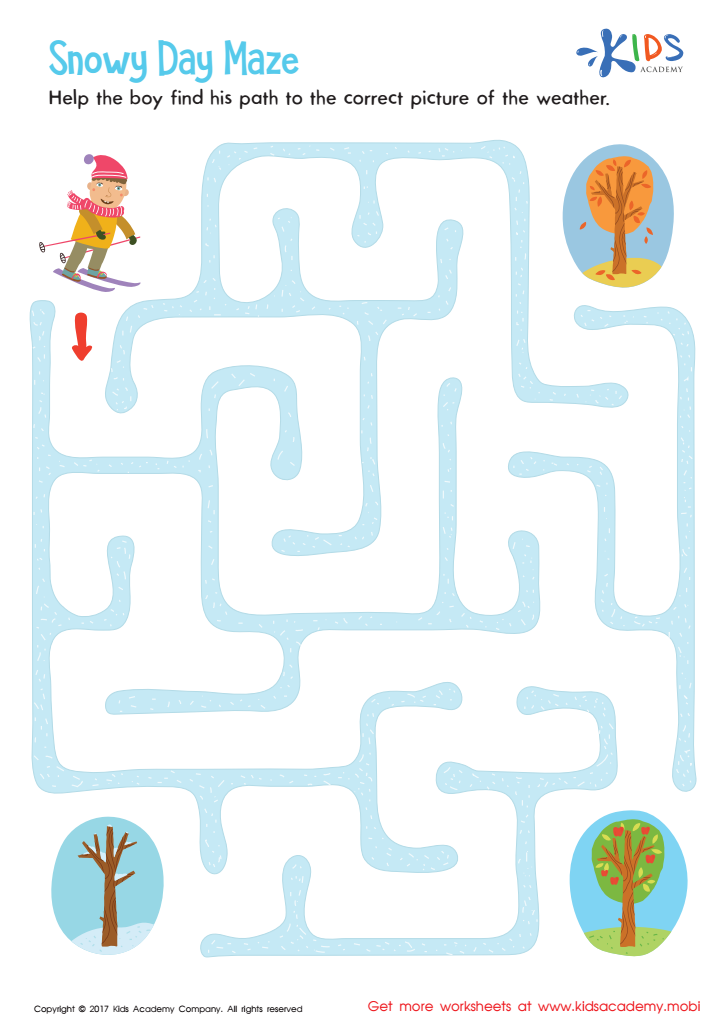
 Assign to My Students
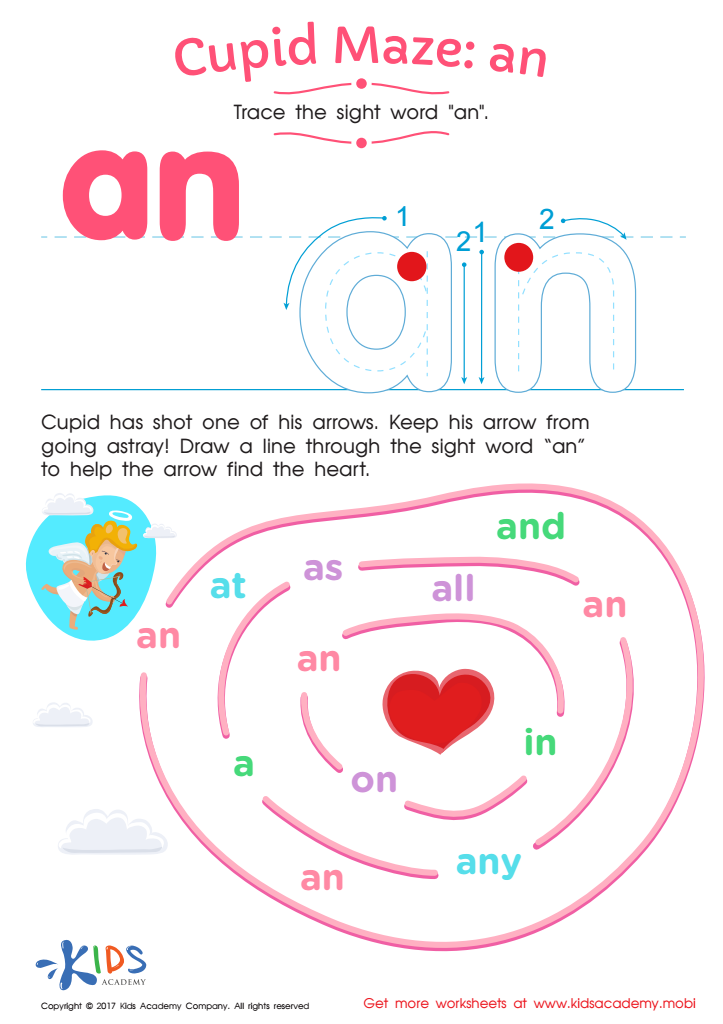
Cupid Maze: An Printable
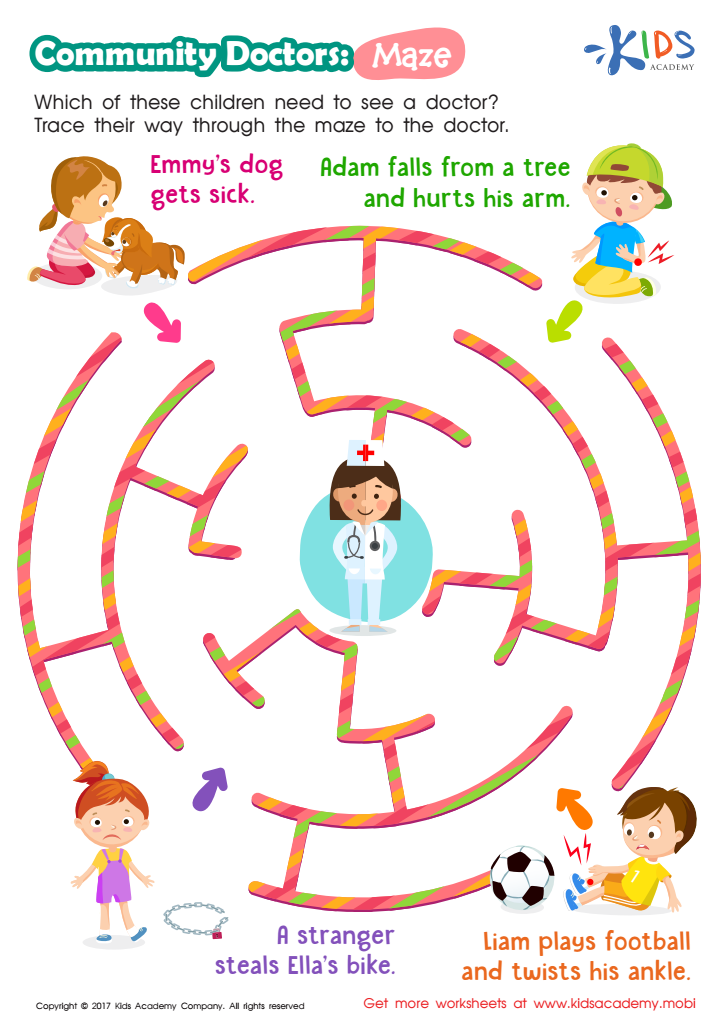
Community Doctors: Maze Printable
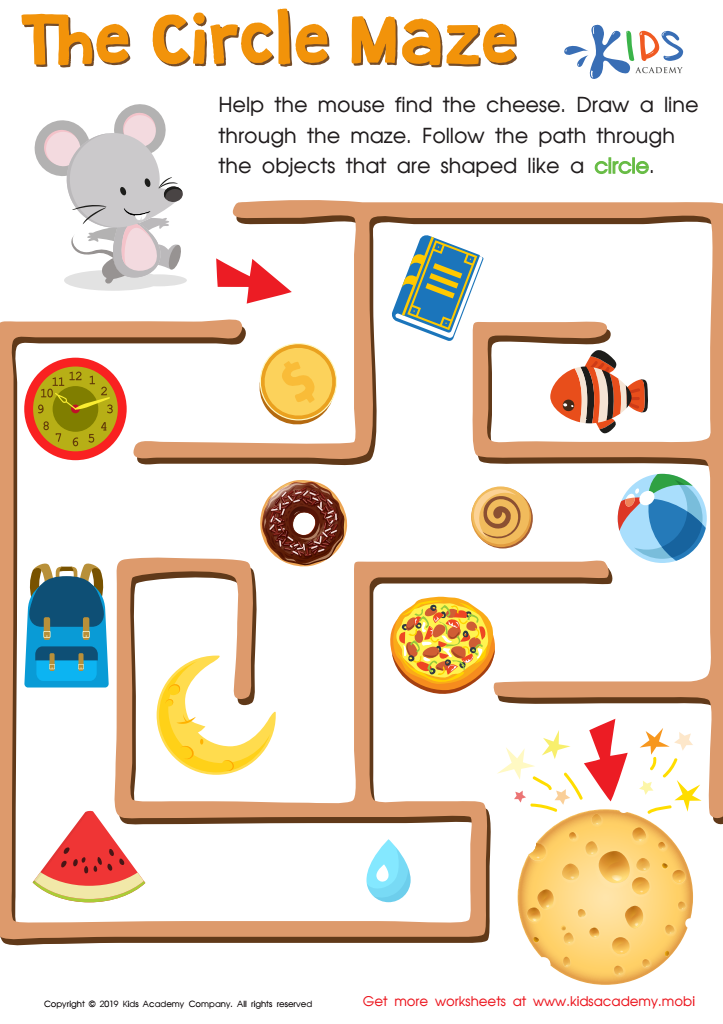
The Circle Maze Worksheet
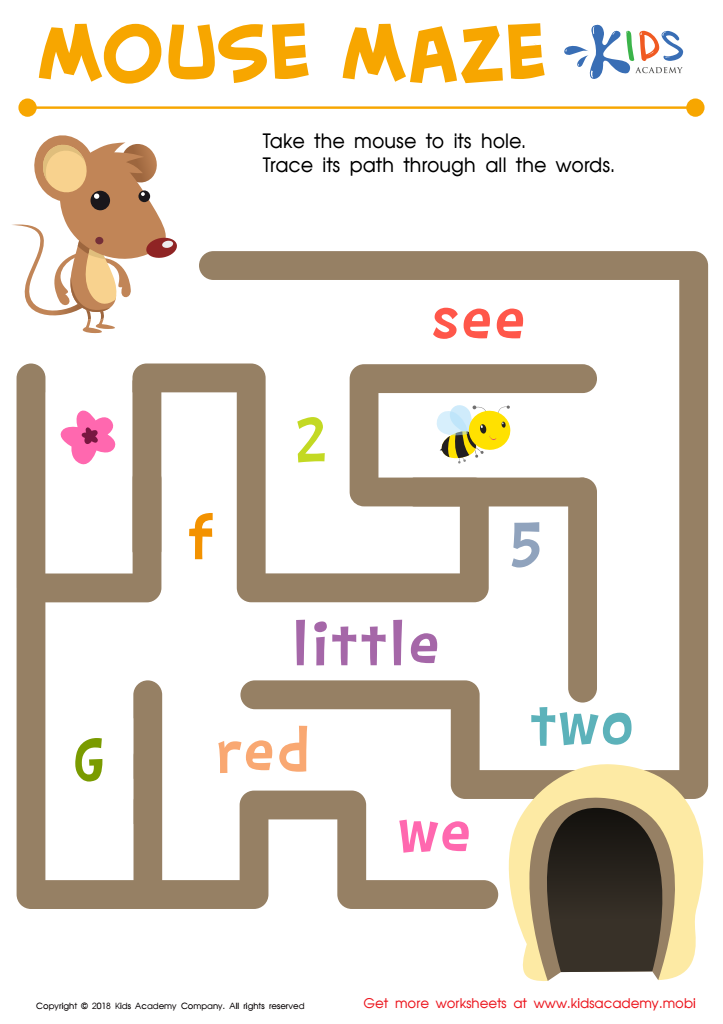
Find Words Mouse Maze Worksheet
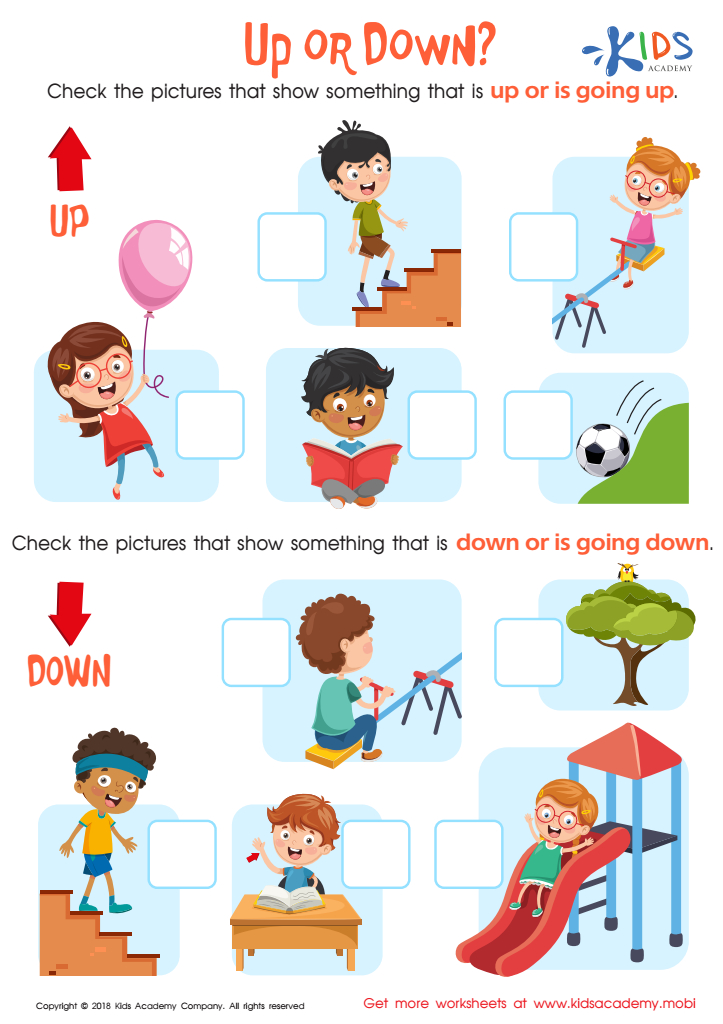
Up or Down Worksheet







Directional understanding is crucial for children aged 5-6 as it plays a significant role in their cognitive and physical development. At this stage, children are beginning to make sense of the world around them, and concepts such as left, right, up, down, and back are fundamental for navigating their environment.
Understanding direction helps children in multiple areas of learning. It enhances their language skills as they learn to express spatial relationships, fosters early math skills through understanding shapes and positioning, and improves their ability to follow instructions. For instance, many classroom activities, games, and exercises rely on directional knowledge.
Moreover, this understanding contributes to their problem-solving skills; being able to locate themselves and objects spatially is critical in both academic settings and day-to-day activities. Directional understanding also promotes physical coordination and motor skills, found in activities like obstacle courses or sports.
When parents and teachers prioritize directional awareness, they support children's overall learning and everyday functioning, laying the groundwork for later skills in reading maps, following multi-step directions, and even developing navigational abilities as they grow. Ultimately, nurturing this skill enables children to engage more fully with their world, fostering independence and confidence.








