English grammar practice Worksheets for Ages 5-6
3 filtered results
-
From - To
Welcome to our English grammar practice worksheets designed specifically for children ages 5-6! These engaging, colorful worksheets help young learners develop essential grammar skills in a fun and interactive way. With activities that focus on basic sentence structure, parts of speech, and punctuation, kids will build a solid foundation in English language usage. Our worksheets are easy to understand and are perfect for classroom use or at-home practice. Encourage your child's love of learning as they complete various exercises that reinforce their grammar knowledge, all while boosting confidence in their writing and understanding of English. Start their journey today!
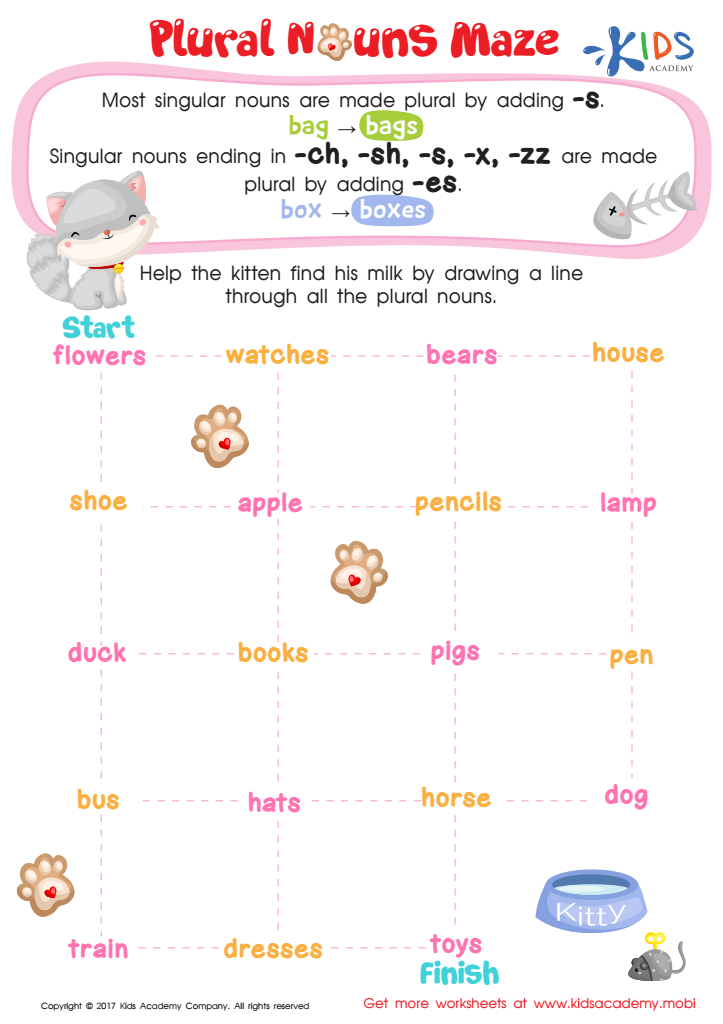
Plural Nouns Maze Worksheet
 Assign to My Students
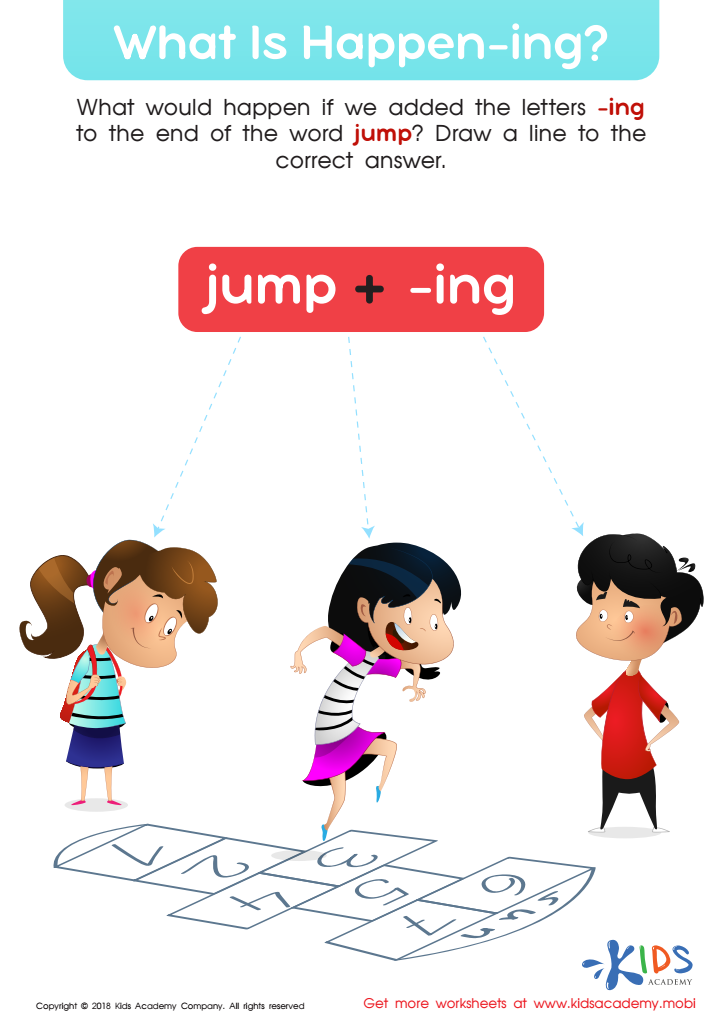
What Is Happen-Ing? Worksheet
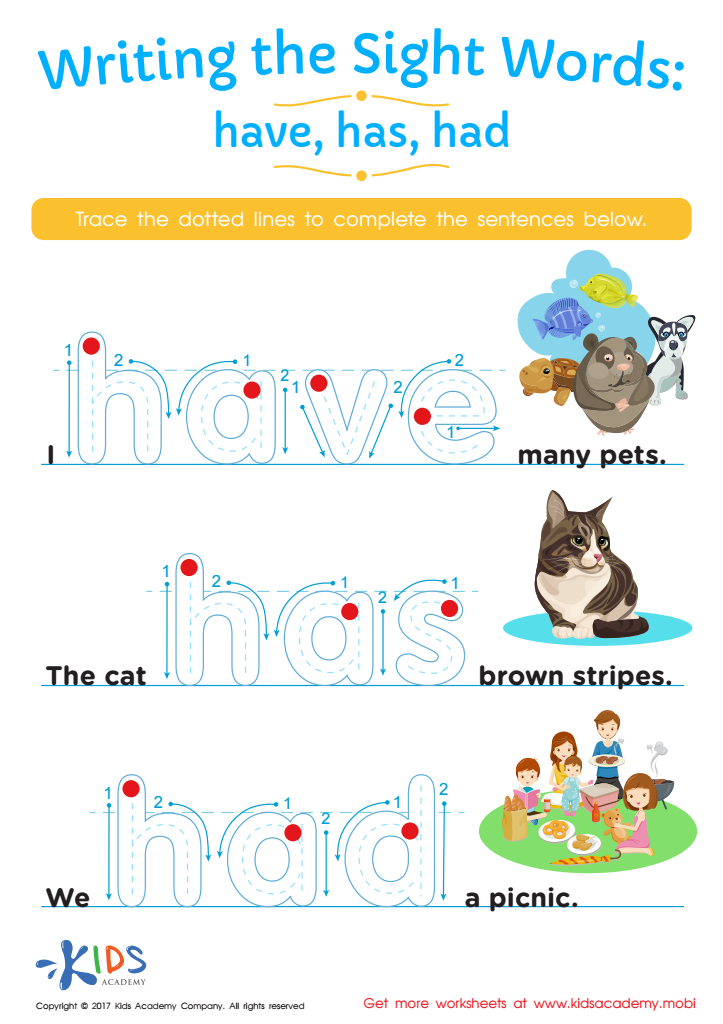
Have, Has, Had Worksheet Sight Words Worksheet







Parents and teachers should prioritize English grammar practice for ages 5-6 because it lays the foundation for effective communication and literacy skills. At this early stage, children are beginning to form their understanding of language and how it works. Practicing grammar helps them develop the ability to construct sentences correctly, allowing them to express their thoughts clearly and accurately.
Early grammar instruction enhances vocabulary acquisition, as children learn new words in context and understand their correct usage. This knowledge fosters comprehension skills, which are crucial for reading and writing. Additionally, mastering the basics of grammar builds confidence in young learners. As they become more adept at crafting sentences, they are more likely to enjoy writing and engaging in discussions.
Furthermore, understanding grammar creates awareness of language structures, benefiting overall academic performance as children progress in their education. The skills developed in these formative years will serve as a springboard for more complex language tasks in later grades.
In a world driven by communication, equipping children with strong grammatical skills early on is essential for their future success in both social interactions and academic endeavors. For parents and teachers, investing time in grammar practice can greatly influence a child’s long-term educational journey.








