Enhance vocabulary skills Worksheets for Ages 5-6
3 filtered results
-
From - To
Boost your child's vocabulary with our engaging worksheets tailored for ages 5-6! Designed to make learning fun, these printable activities help young learners expand their word bank and understanding of language. Our colorful and interactive worksheets include a variety of exercises that encourage reading, writing, and listening skills. From matching words to pictures to completing sentences, each activity promotes vocabulary retention and usage in everyday contexts. Perfect for home or school use, these resources are ideal for supporting early literacy development. Enhance your child's learning journey and watch their confidence grow as they explore the world of words!
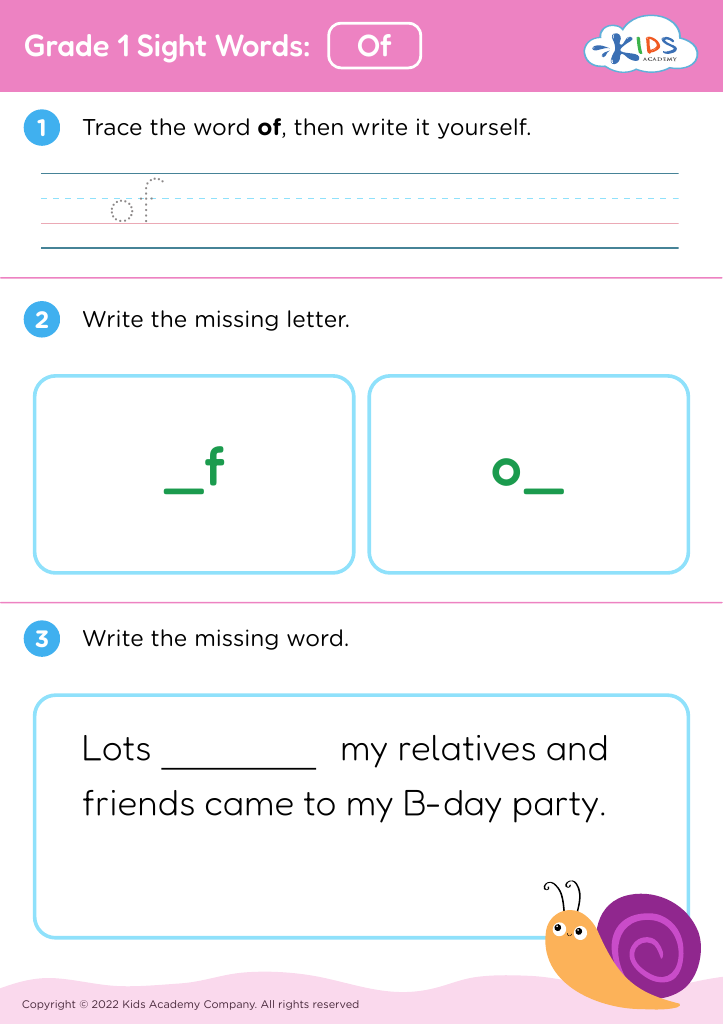
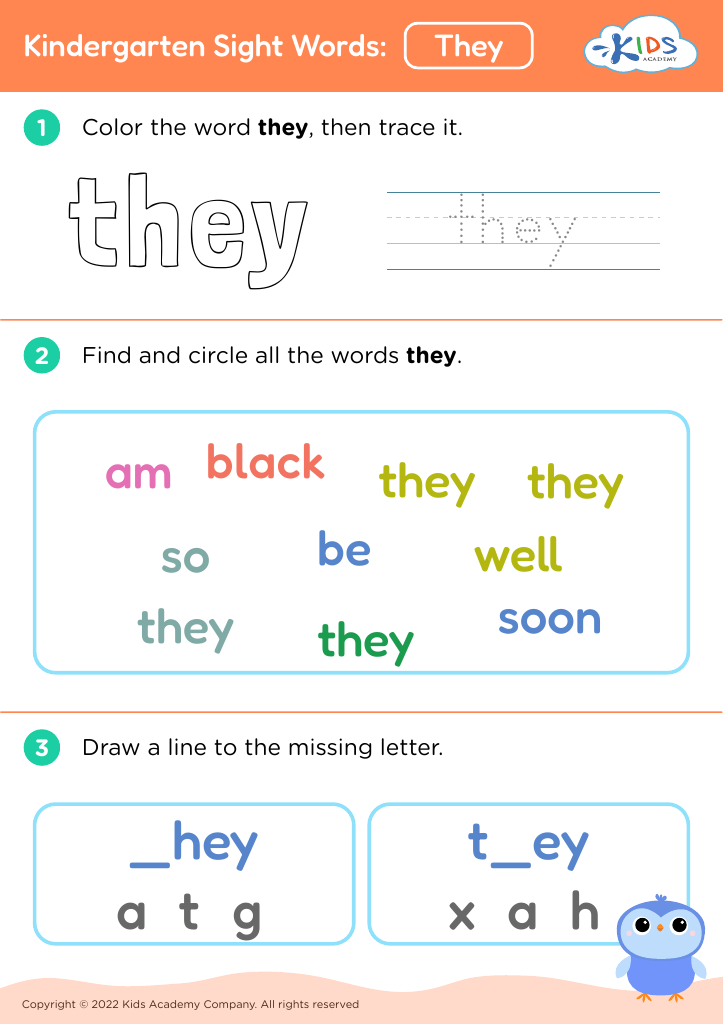
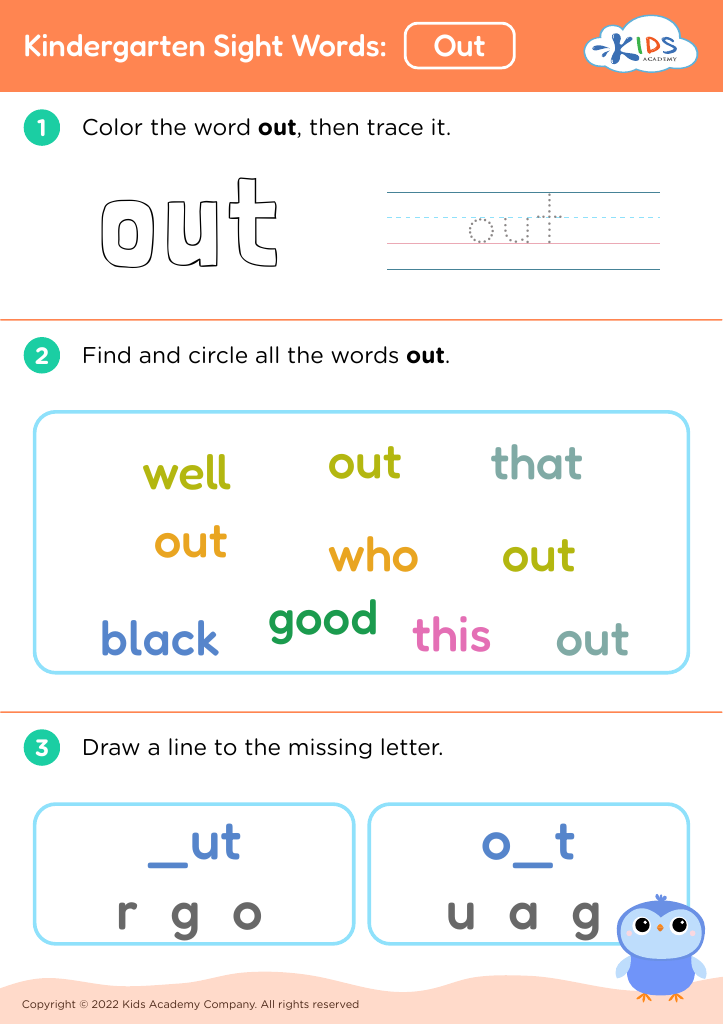








Enhancing vocabulary skills in children aged 5-6 is crucial for their cognitive and linguistic development, and both parents and teachers play a significant role in this growth. At this age, children are in a critical stage of language acquisition, where they rapidly absorb new words and concepts. A rich vocabulary not only allows children to express themselves more clearly and confidently but also enhances their reading and comprehension skills, laying a strong foundation for future learning.
Children with robust vocabulary skills can articulate their thoughts and feelings better, fostering effective communication and social interactions. Moreover, a strong vocabulary equips them to understand and enjoy stories, which cultivates a love for reading. By exposing children to varied words through conversations, storytelling, and interactive activities, adults can help build their language base.
Furthermore, vocabulary development is linked to academic success. Children who have a wider range of words often perform better in school, as they can grasp concepts more easily and engage in more complex discussions. Ultimately, prioritizing vocabulary enhancement not only supports a child's immediate learning but also contributes to their long-term intellectual growth and social skills, making it a vital responsibility for parents and teachers alike.








