Enhancing observational skills Worksheets for Ages 5-6
4 filtered results
-
From - To
Discover our "Enhancing Observational Skills Worksheets" specially designed for children ages 5-6! These engaging worksheets aim to develop critical observation abilities through fun activities that encourage kids to notice details, compare and contrast objects, and draw conclusions. Perfect for young learners, these worksheets incorporate vibrant illustrations and simple instructions to captivate their attention. Promoting essential cognitive skills, these activities not only enhance focus and attention to detail but also nurture curiosity about the world around them. Give your child the tools to become a keen observer and foster a love for learning with our expertly crafted resources!
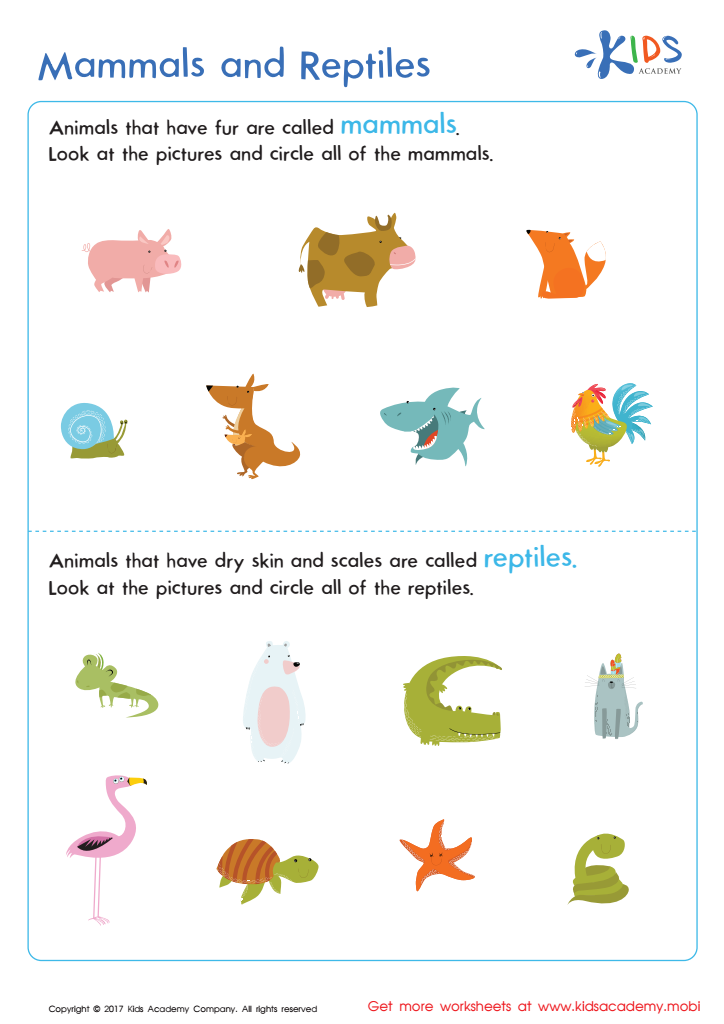
Mammals and Reptiles Worksheet
 Assign to My Students
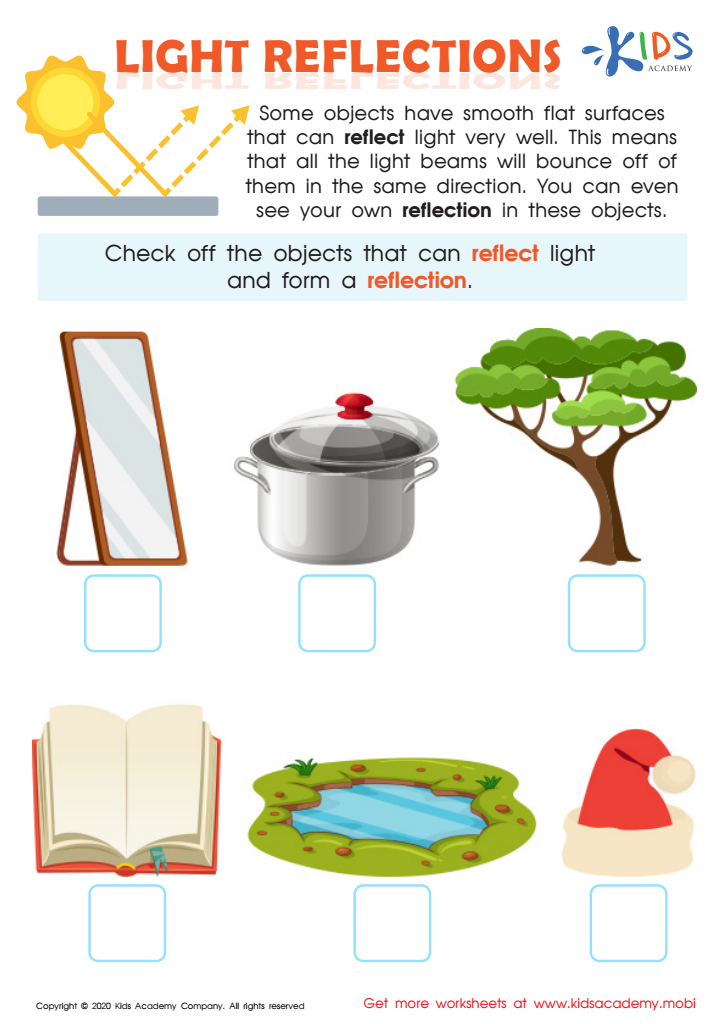
Light Reflections Worksheet
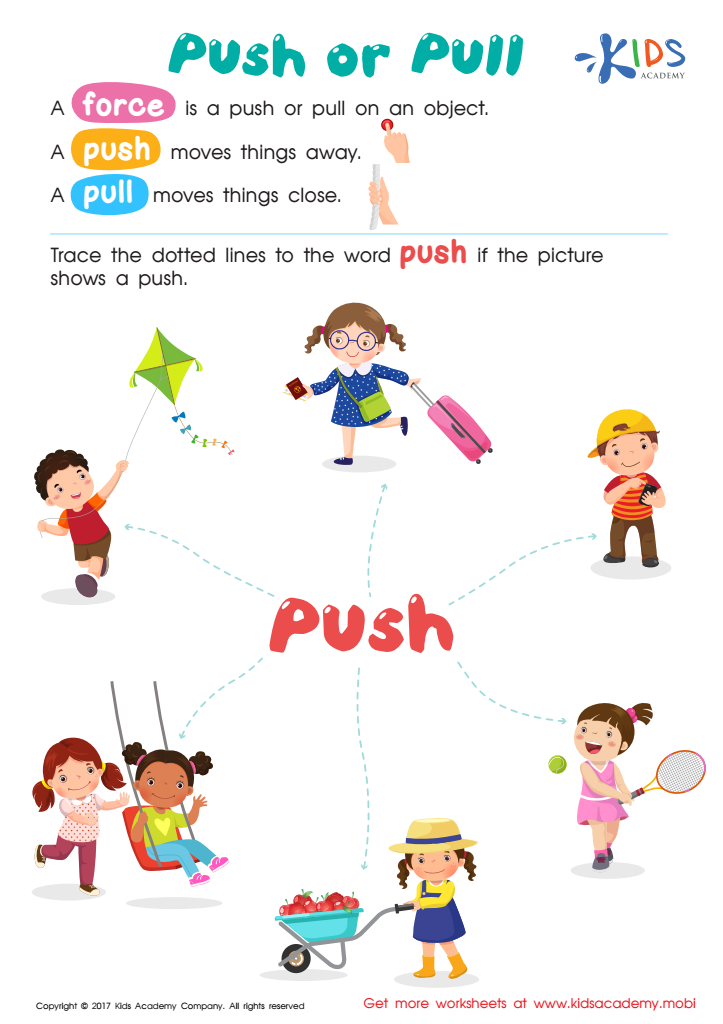
Push or Pull Worksheet
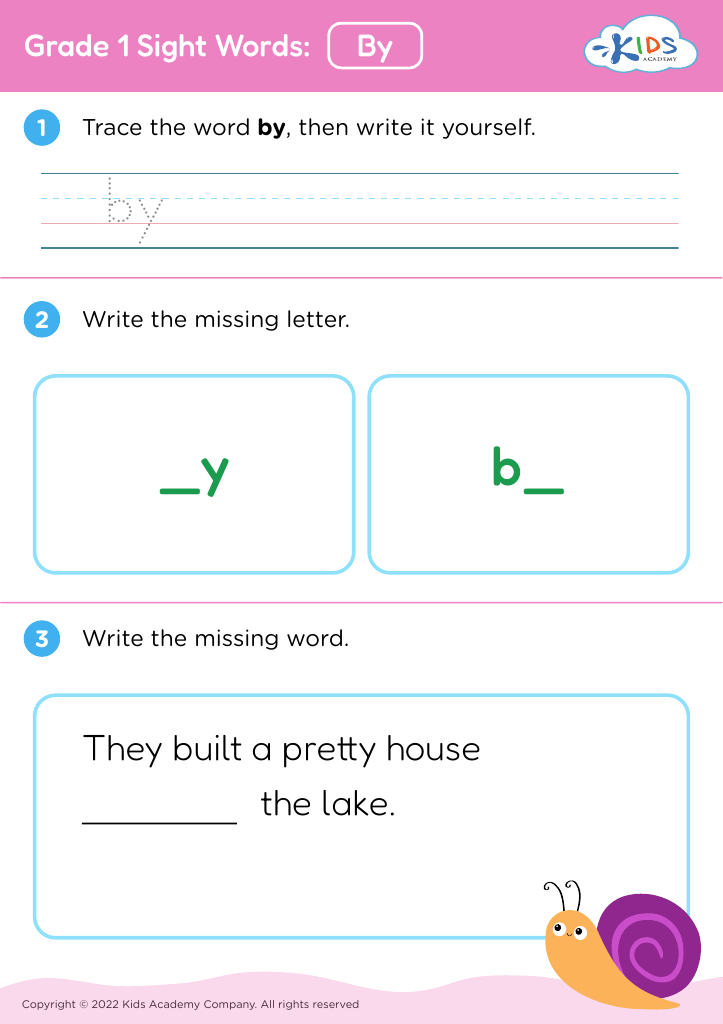


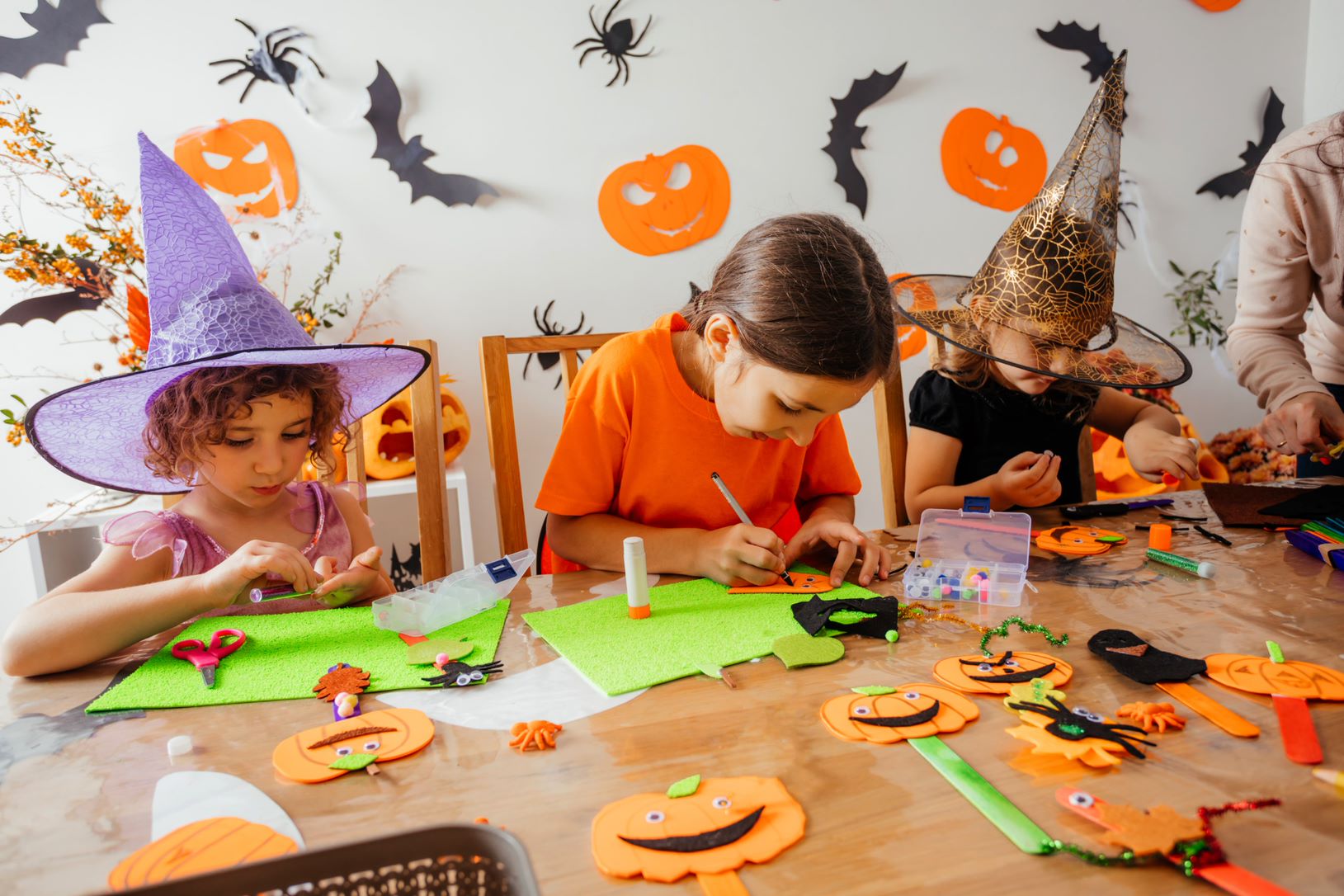




Enhancing observational skills in children aged 5-6 is critical for their overall development and learning. At this age, children are naturally curious about the world around them. By honing their observational skills, parents and teachers can help them become more engaged learners. This crucial skill fosters a deeper understanding of their environment, enhances their ability to notice patterns, changes, and details in their surroundings, and supports cognitive development.
Improved observational skills also encourage critical thinking. As children learn to observe closely, they build the capacity to ask questions, hypothesize, and draw conclusions about their observations, laying the foundation for scientific inquiry and reasoning in the future.
Moreover, keen observational skills contribute to better communication abilities. Children learn to articulate their thoughts and feelings based on what they see, which enhances their vocabulary and social interactions. This skill not only enriches their academic learning but also aids in emotional development, as they become more aware of human emotions and social cues.
Incorporating activities that promote observational skills—like nature walks, art projects, or classroom discussions—enables teachers and parents to create nurturing environments that spark curiosity and promote lifelong learning habits. Investing in these skills now can lead to significant benefits later in life.








