Improving handwriting Worksheets for Ages 5-6
3 filtered results
-
From - To
Discover our collection of “Improving Handwriting Worksheets” designed specifically for children ages 5-6. These engaging and interactive worksheets aim to enhance fine motor skills and bolster your child's confidence in writing. Featuring a variety of activities such as letter tracing, word formation, and creative exercises, our resources provide a structured yet enjoyable way for young learners to practice handwriting. Each worksheet is thoughtfully crafted to maintain your child's interest while reinforcing essential penmanship skills. Whether in the classroom or at home, our worksheets are perfect for helping your child develop a lifetime of effective writing proficiency. Browse now to get started!
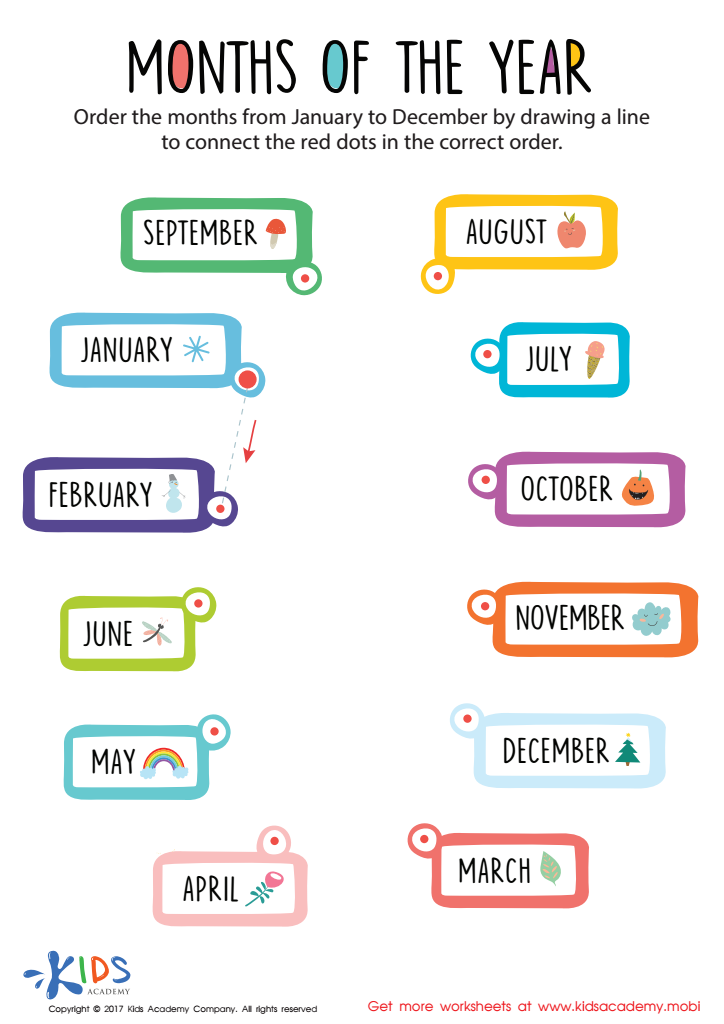
Months of the Year Worksheet
 Assign to My Students
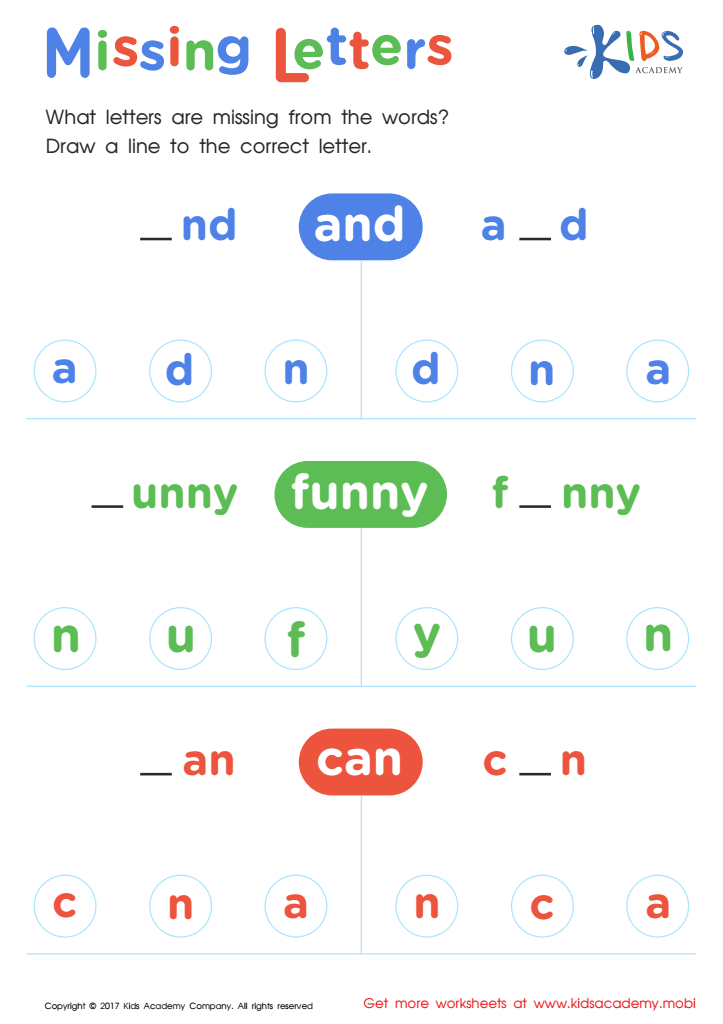
Missing Letters Worksheet
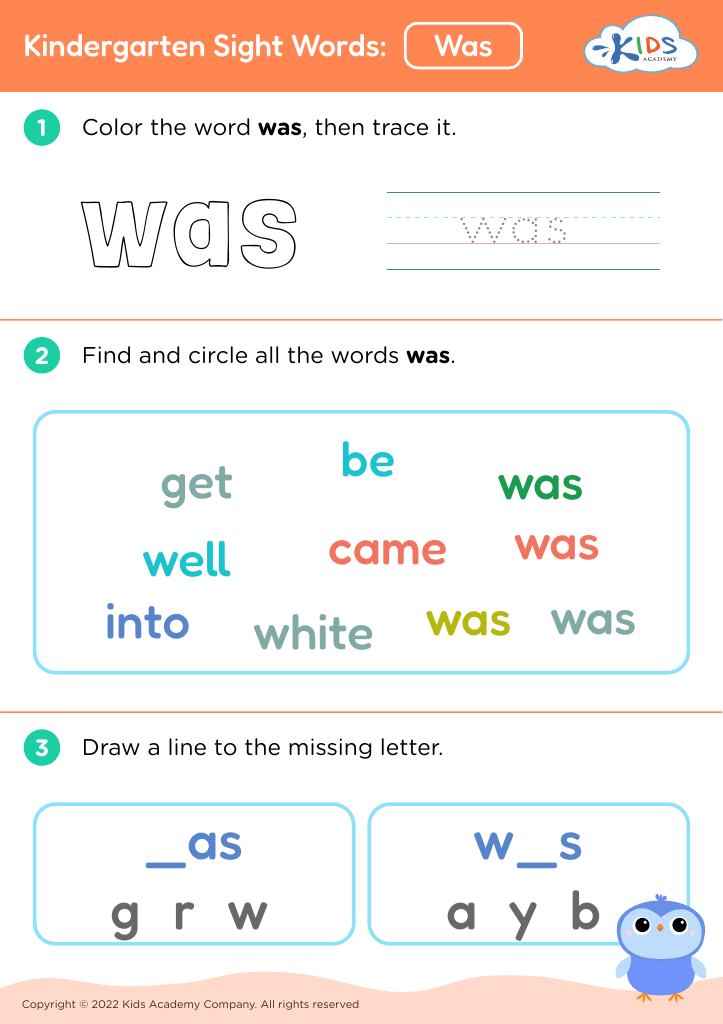


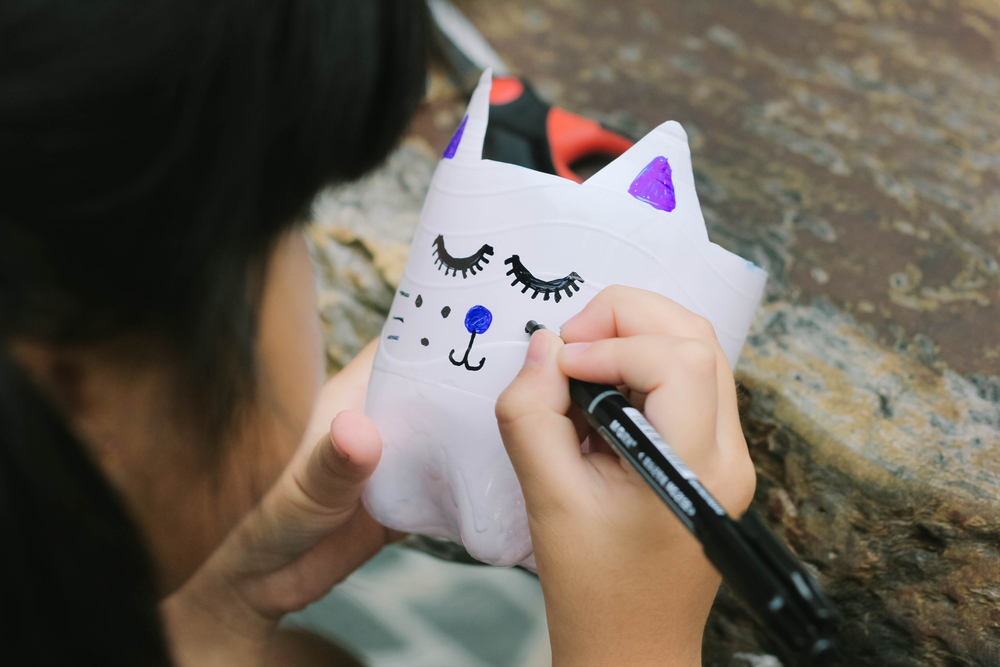




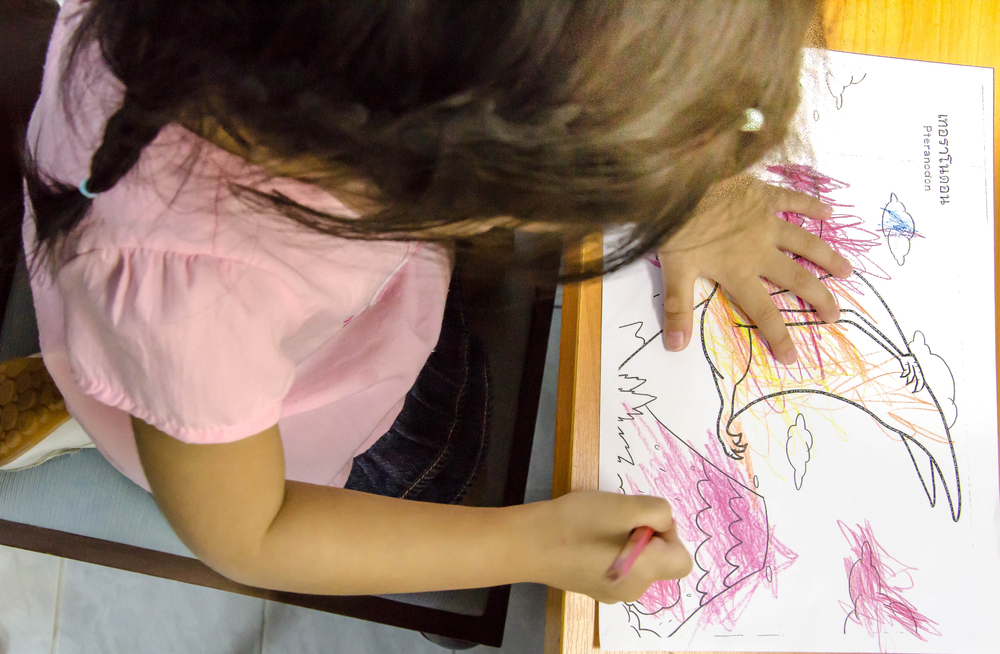
Improving handwriting for children aged 5-6 is crucial for several reasons. At this age, children are developing foundational skills that will impact their academic success. When handwriting is clear and legible, it boosts a child's confidence and encourages them to express their thoughts in writing without hesitation. In addition, writing promotes fine motor skills and hand-eye coordination, enhancing dexterity that benefits other activities such as art and sports.
Further, quality handwriting lays the groundwork for future learning. Children will face standardized tests and written assignments where neat handwriting will facilitate better comprehension for both themselves and their teachers. Legible handwriting is also essential for effective communication, as it ensures that their ideas and efforts are accurately received and understood.
Moreover, writing can be a personal and creative outlet, and mastering handwriting can foster a sense of achievement in children, encouraging a lifelong love for writing. Parents and teachers play a crucial role in this development, as they can offer guided practice, positive reinforcement, and targeted activities that make handwriting enjoyable. Ultimately, investing time in improving handwriting will benefit children academically while enhancing personal expression in their early learning years.








