Logical Reasoning Worksheets for Ages 5-6 - Page 2
48 filtered results
-
From - To
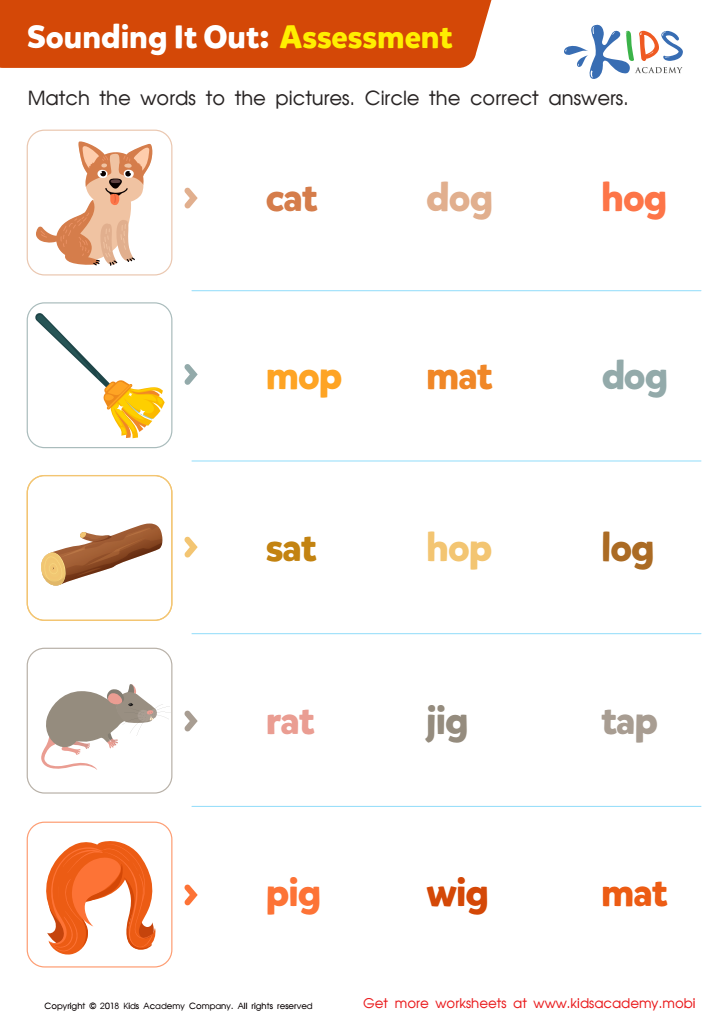
Sounding it Out: Assessment Worksheet
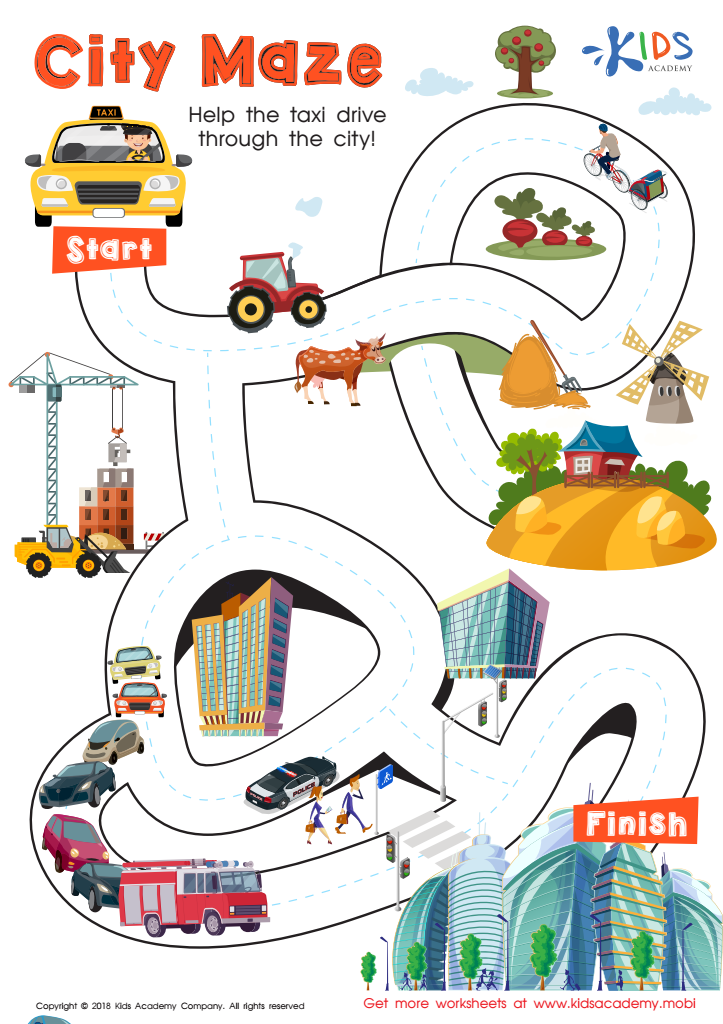
City Maze Worksheet

Summer and Winter Worksheet
 Assign to My Students
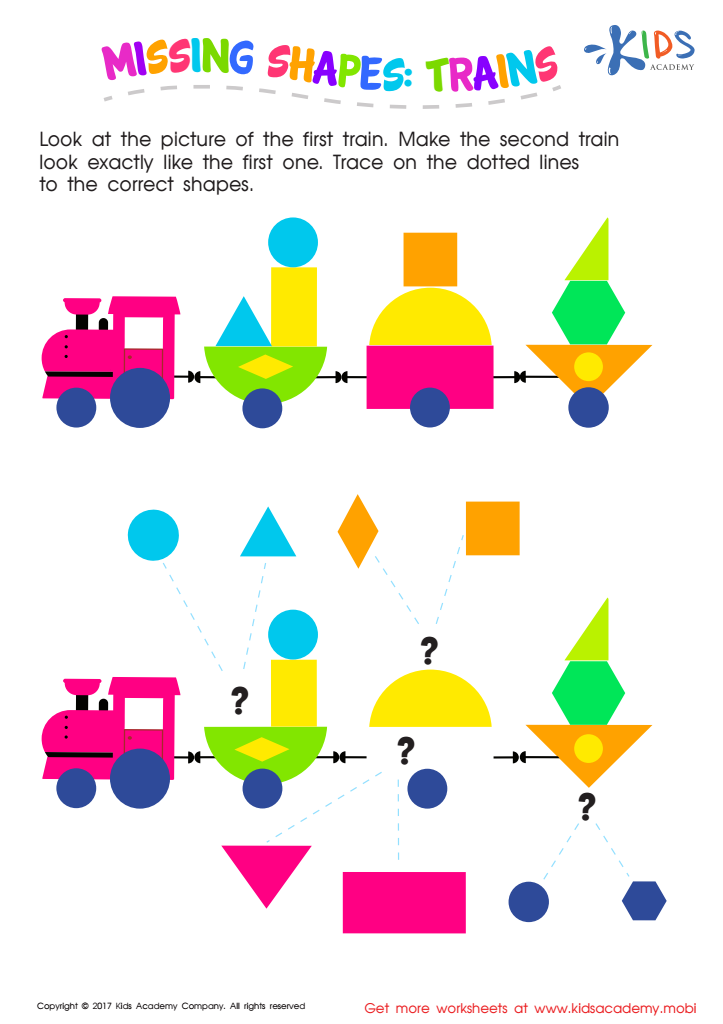
Missing Shapes: Trains Worksheet
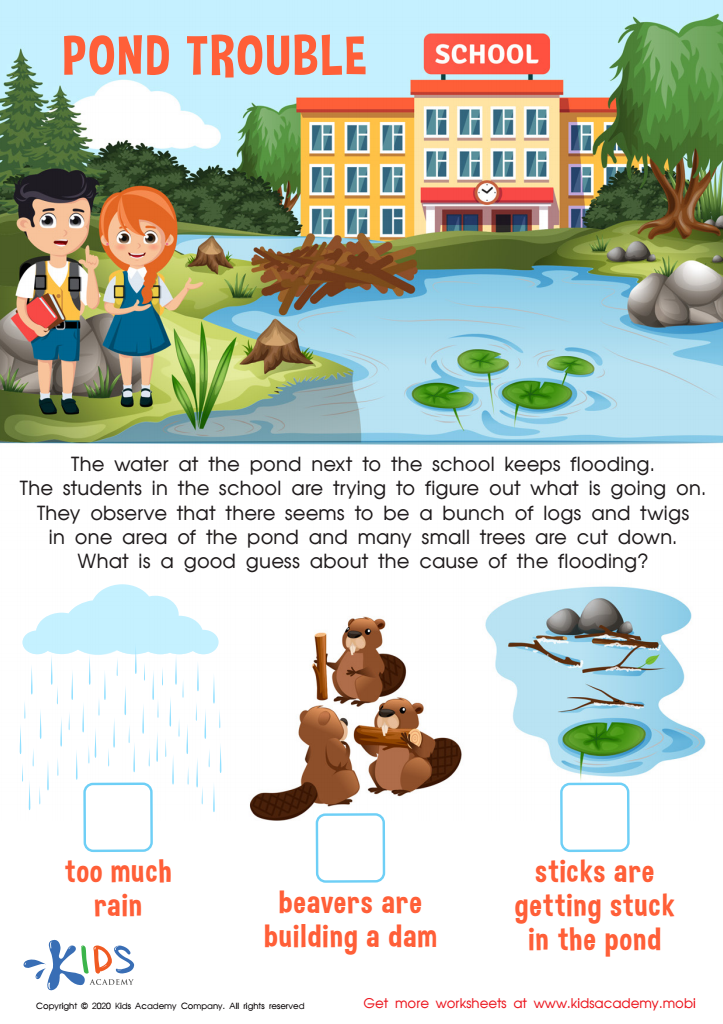
Pond Trouble Worksheet
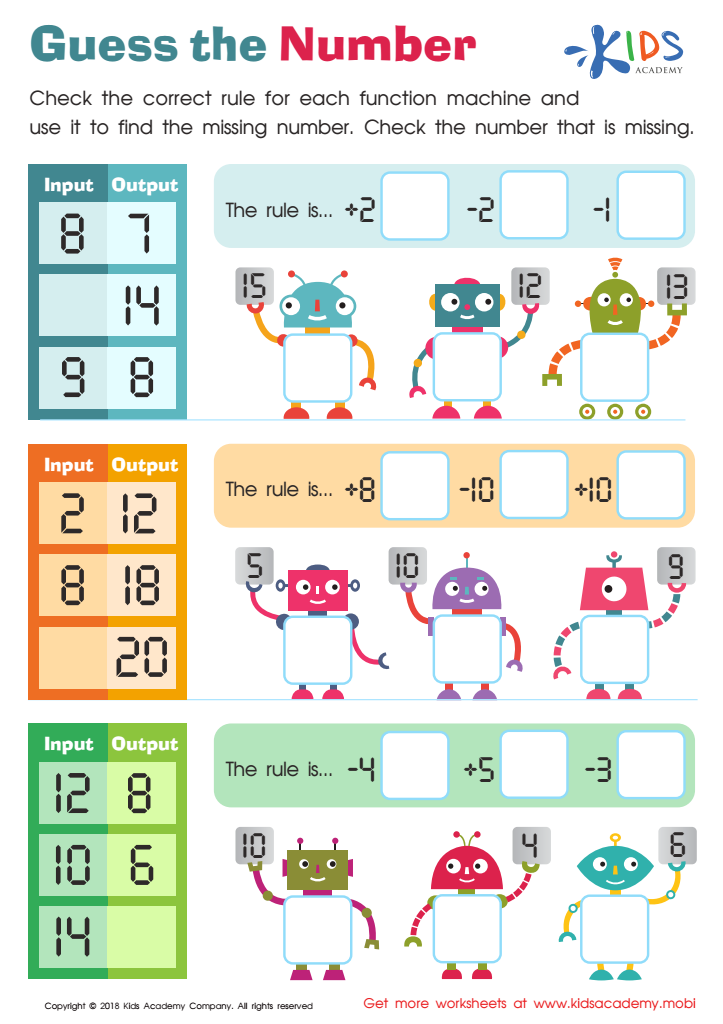
Guess the Number Worksheet
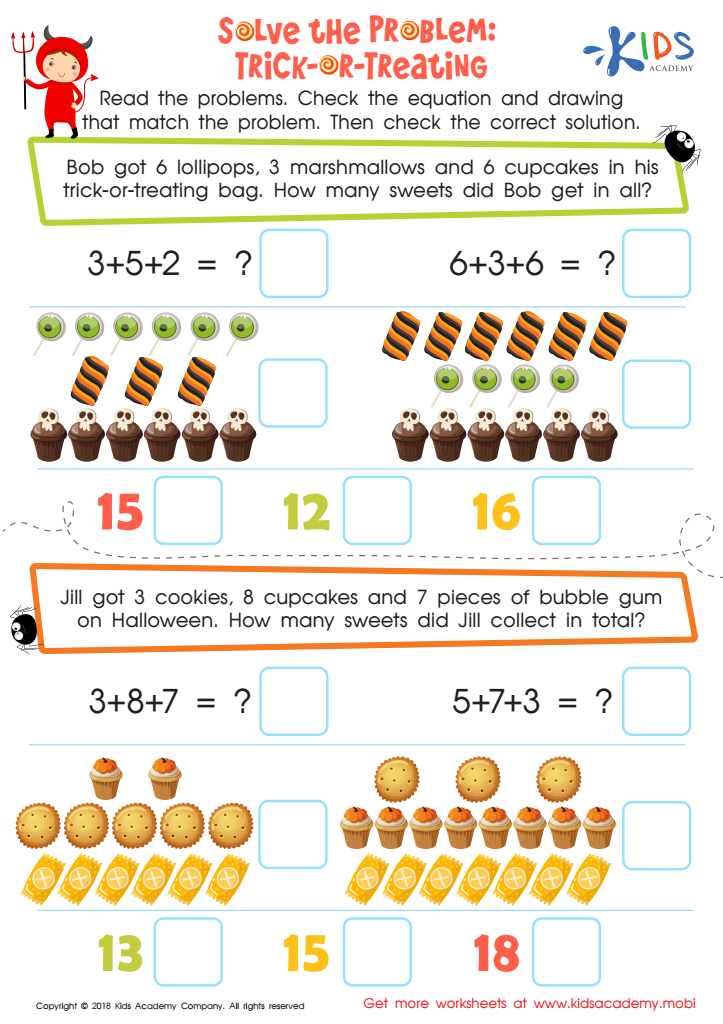
Solve the Problem: Trick–or–treating Worksheet
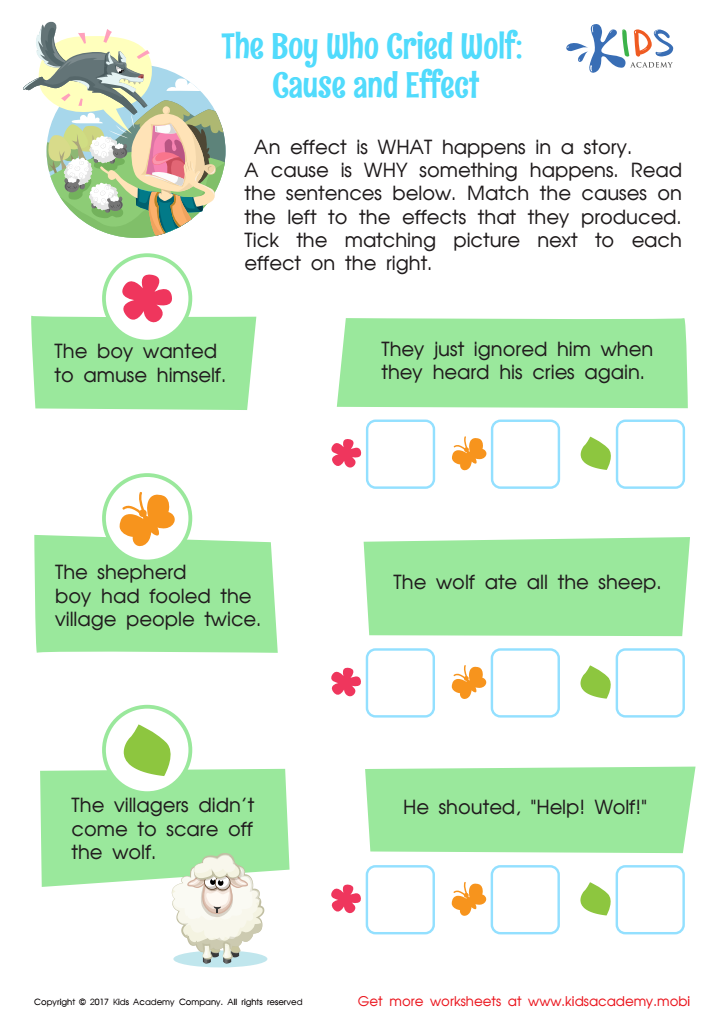
The Boy Who Cried Wolf: Cause and Effect Worksheet
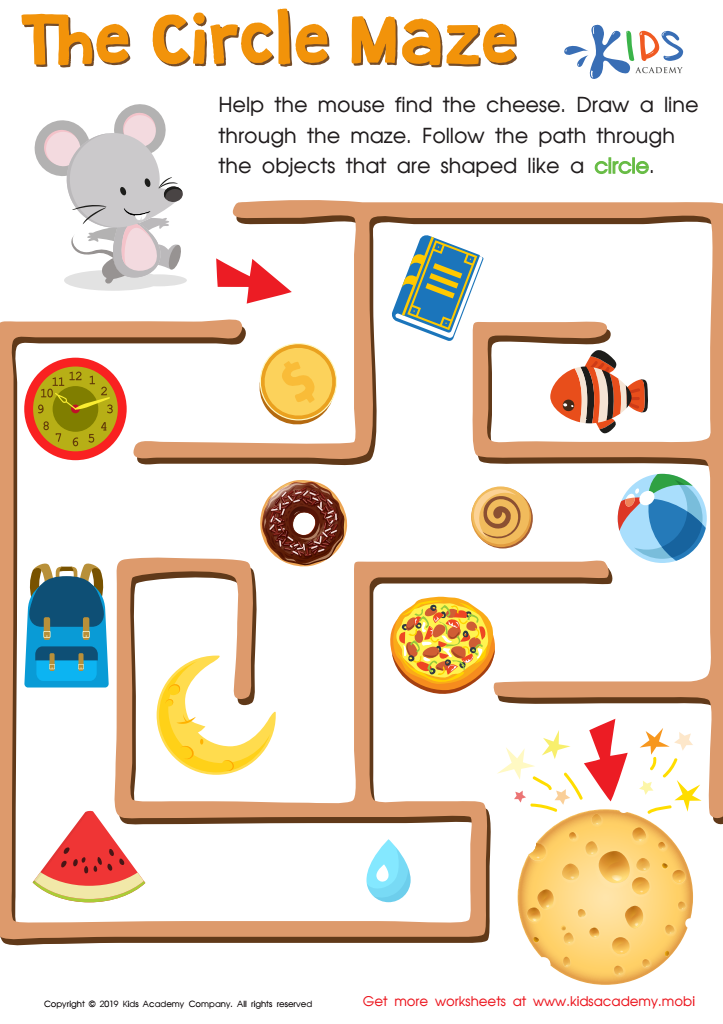
The Circle Maze Worksheet
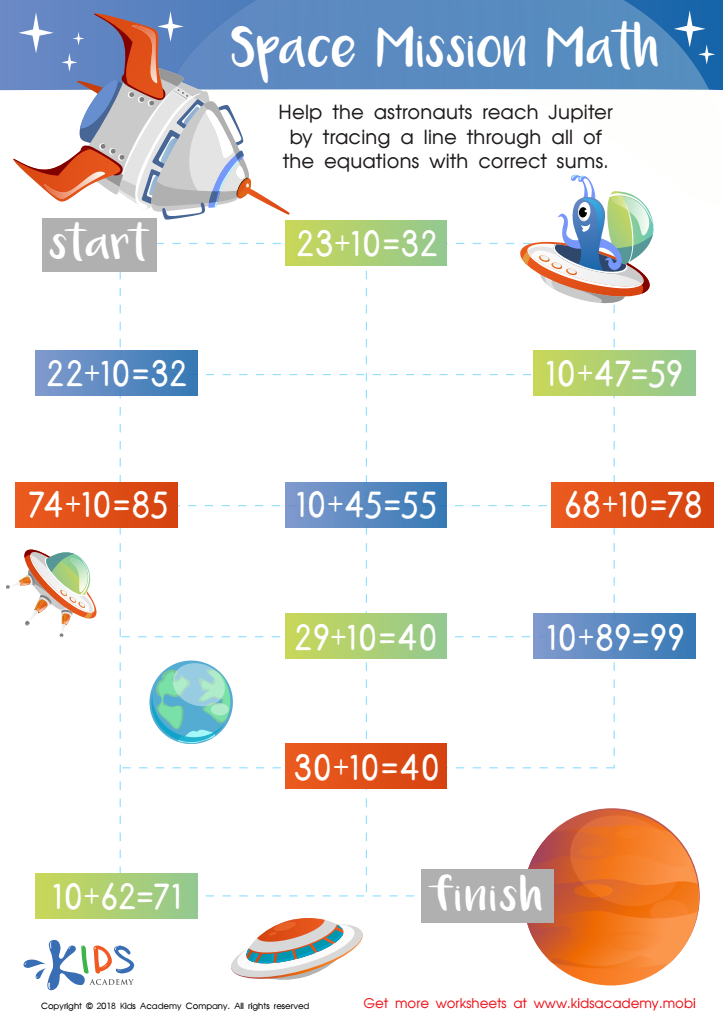
Space Mission Math Worksheet
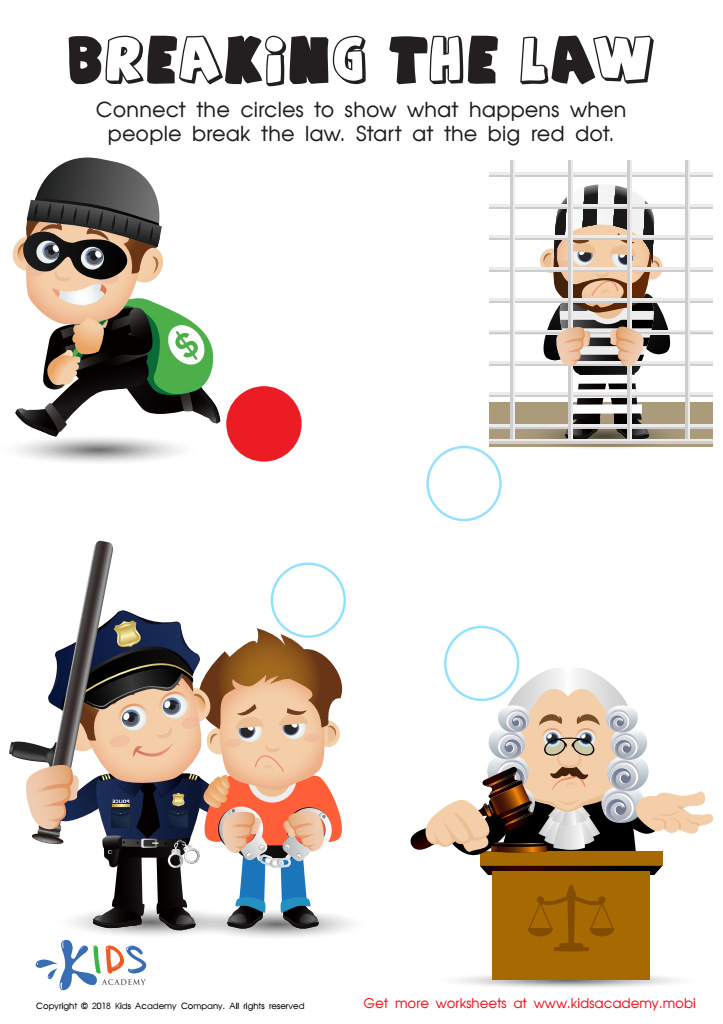
Breaking the Law Worksheet
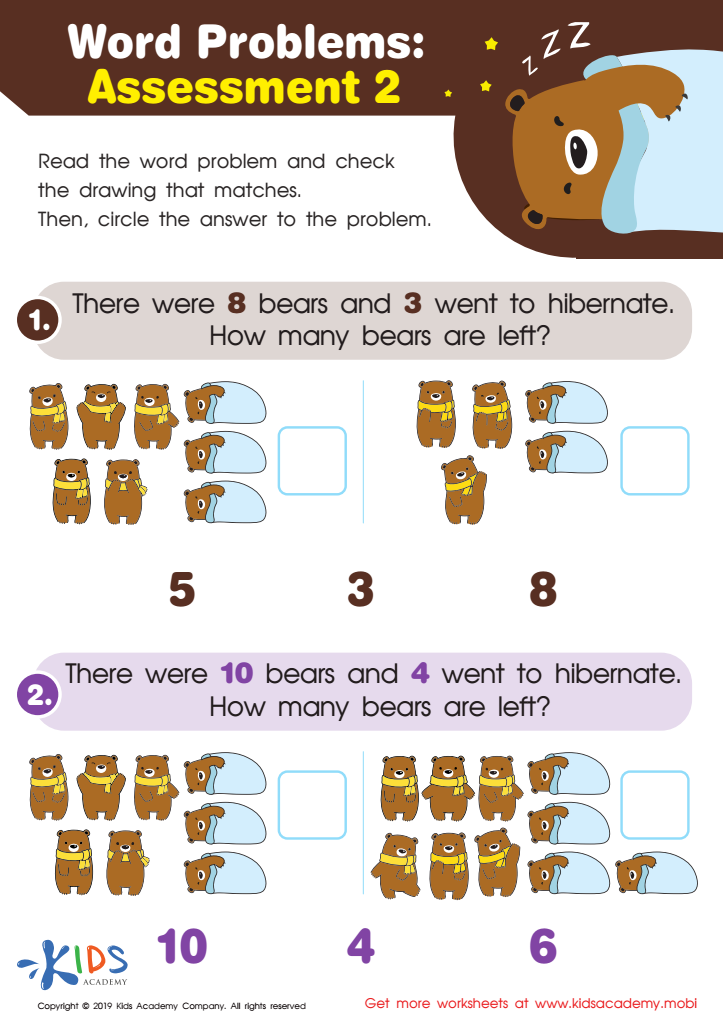
Word Problems: Assessment 2 Worksheet
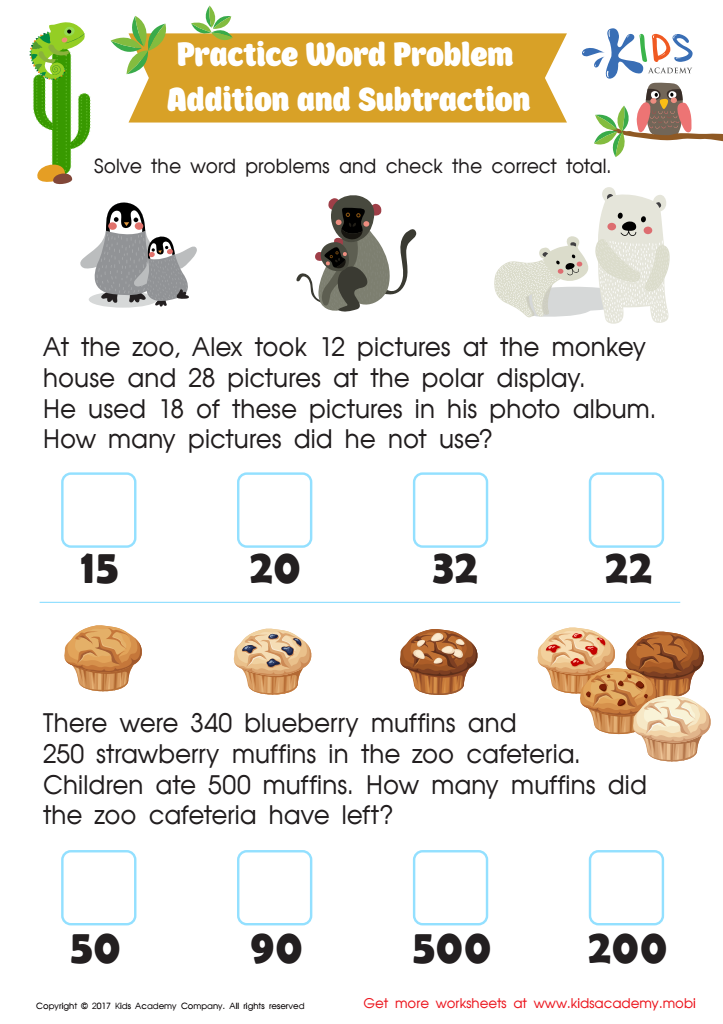
Addition and Subtraction: Word Problems Worksheet
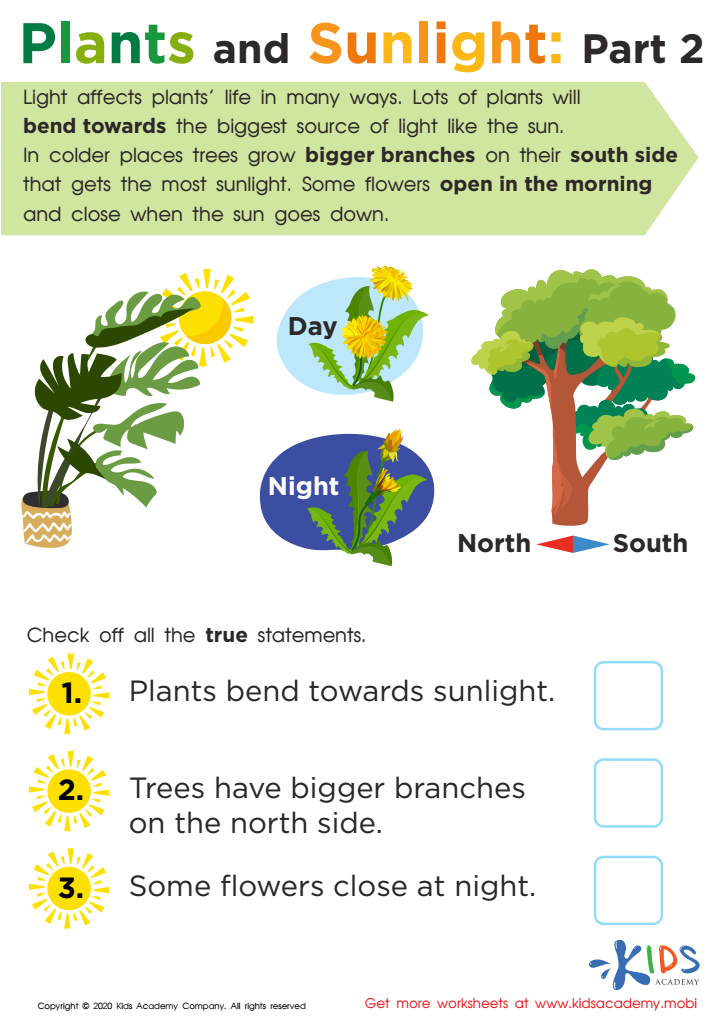
Plants and Sunlight: Part 2 Worksheet
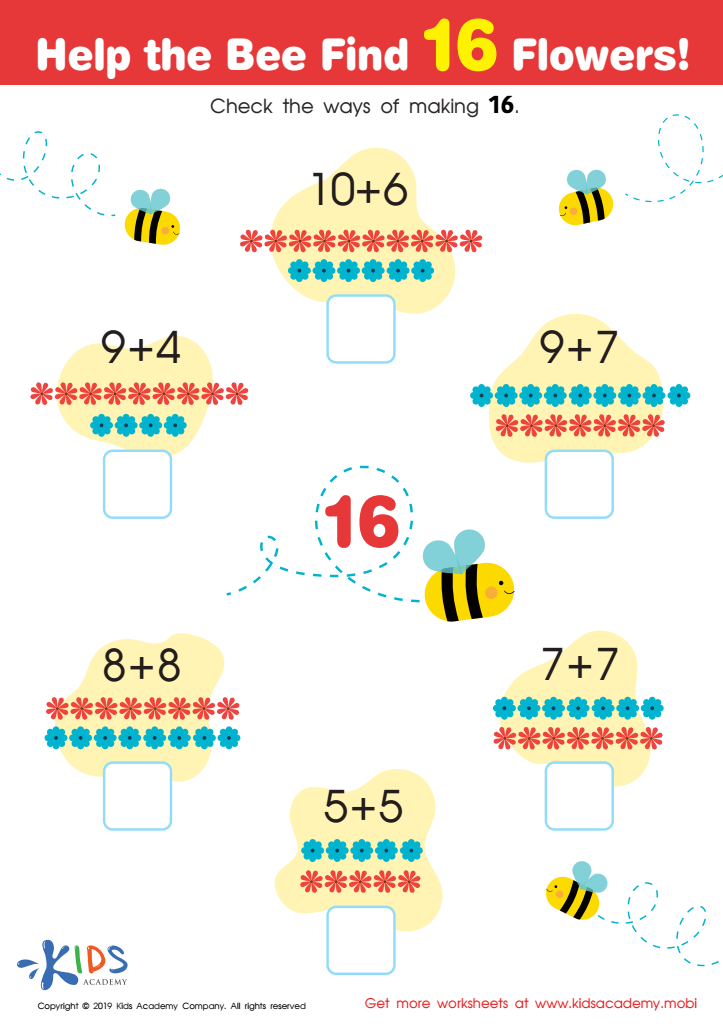
Help the Bee Find 16 Flowers Worksheet
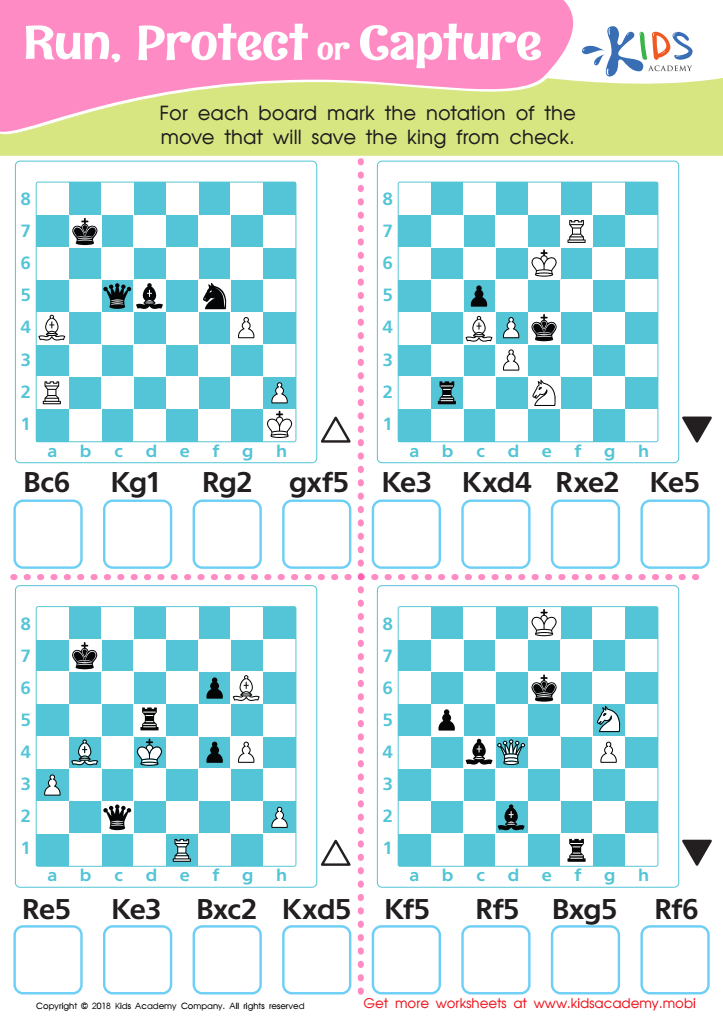
Run, Protect or Capture Worksheet
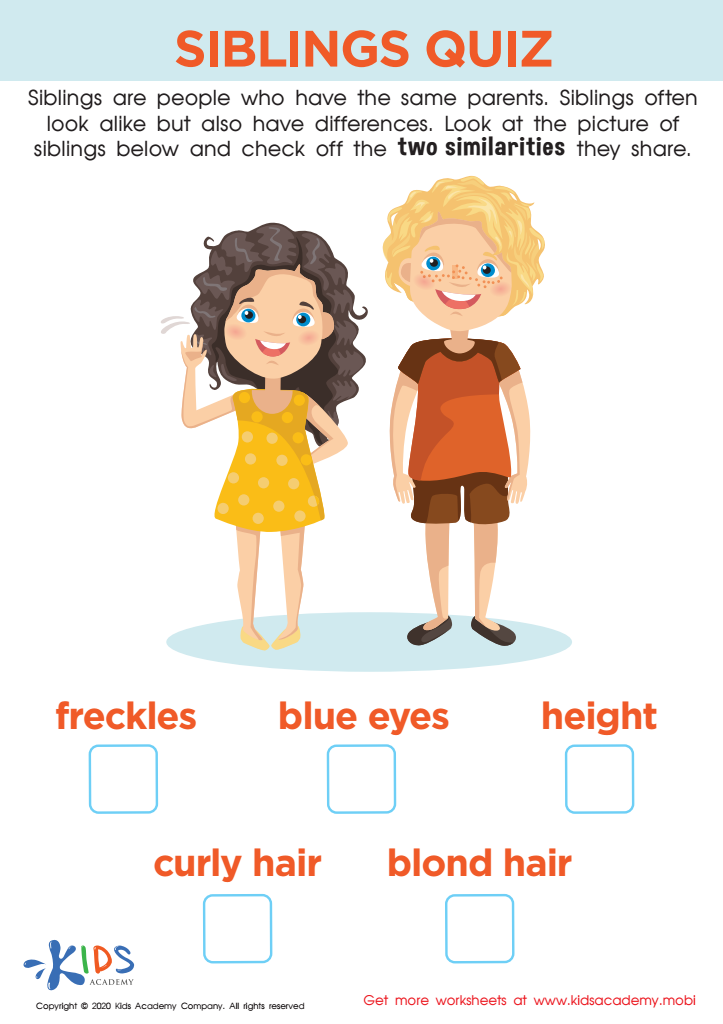
Siblings Quiz Worksheet
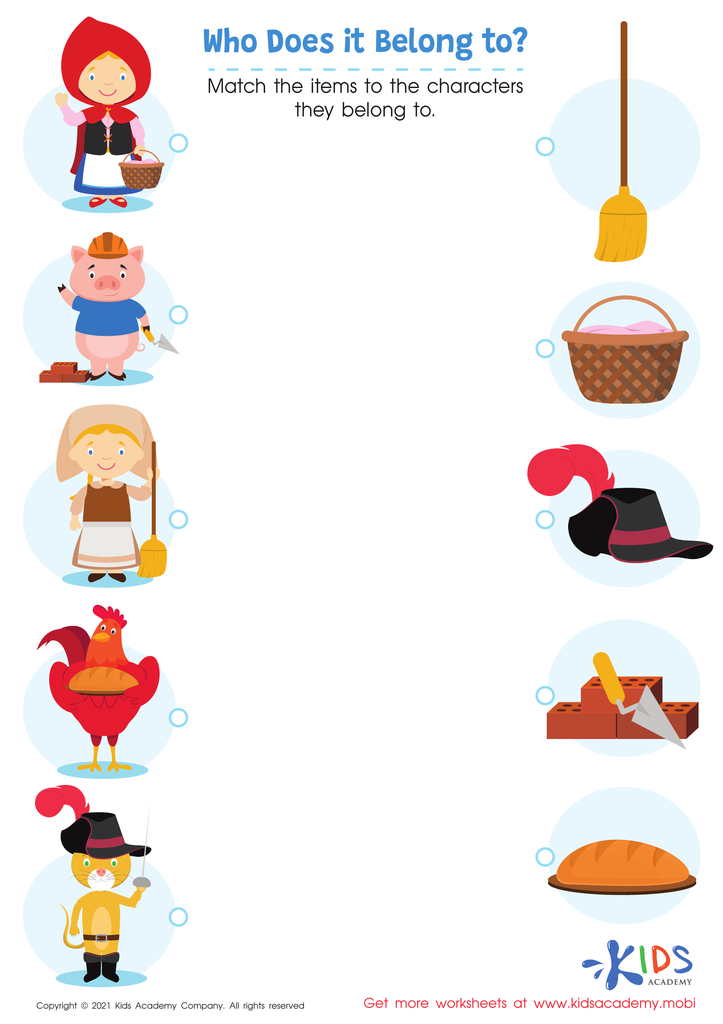
Who Does It Belong To? Worksheet
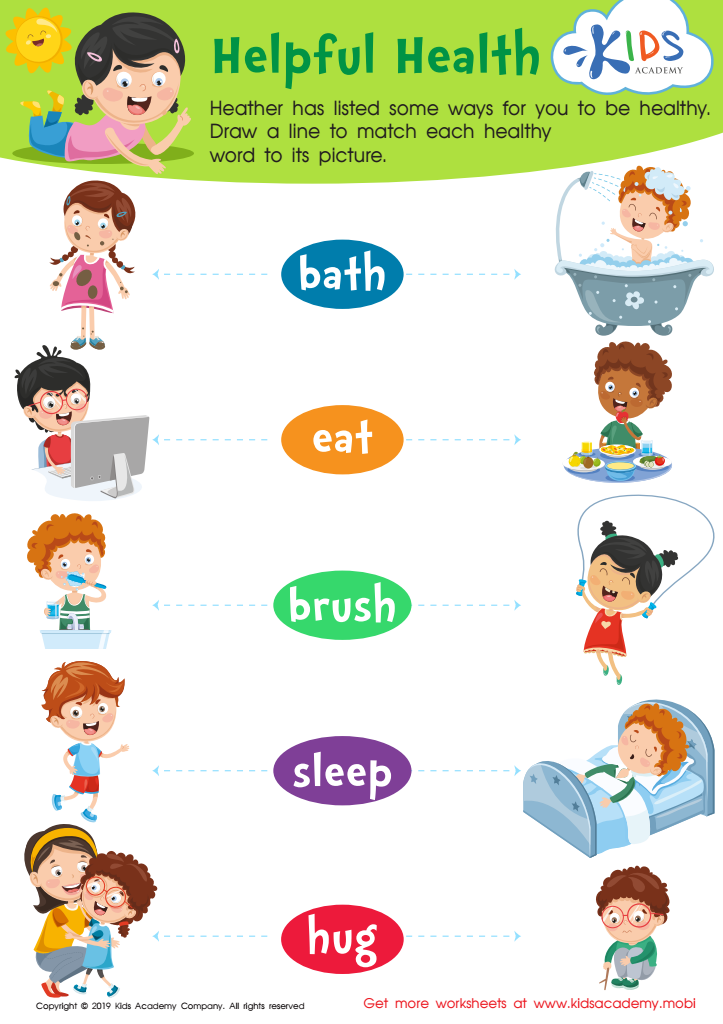
Helpful Health Worksheet
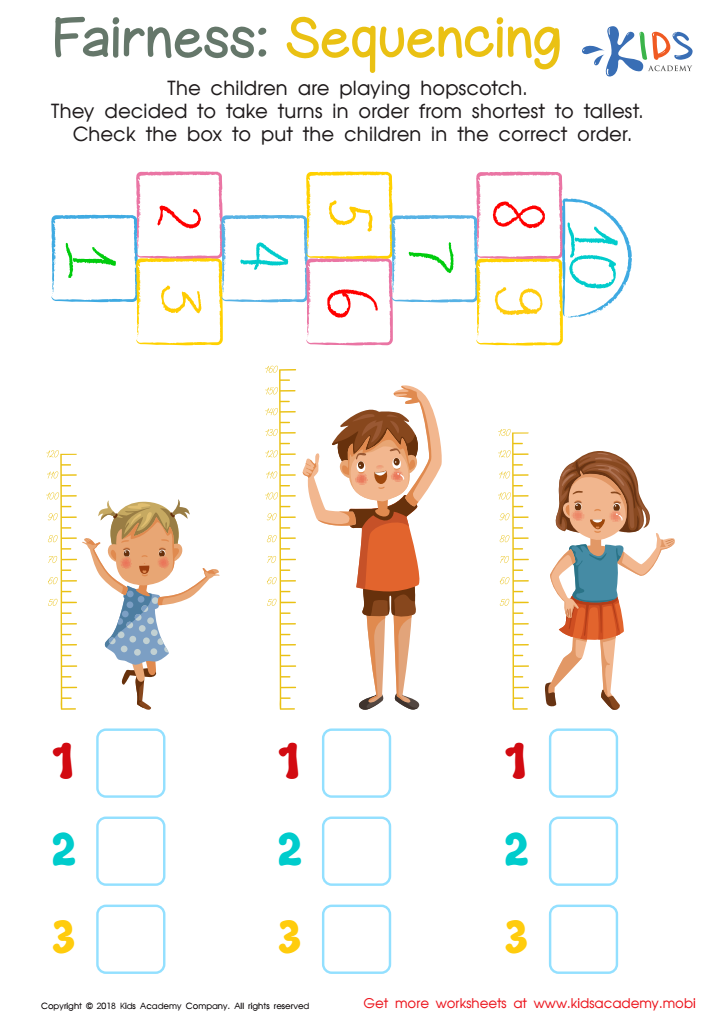
Fairness: Sequencing Worksheet
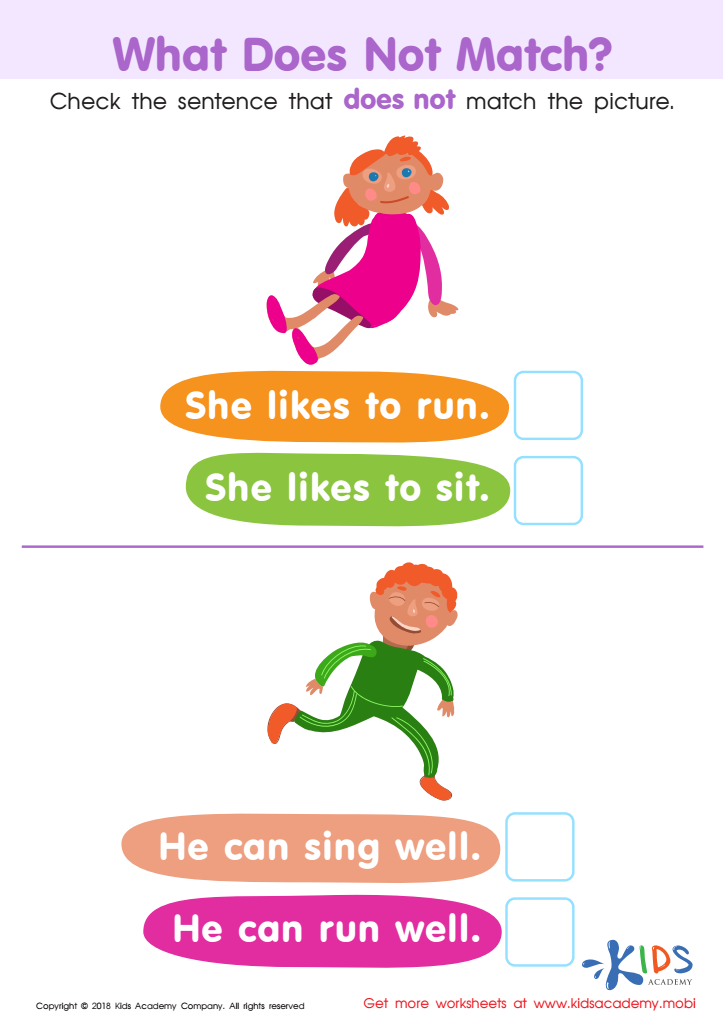
What Does Not Match? Worksheet






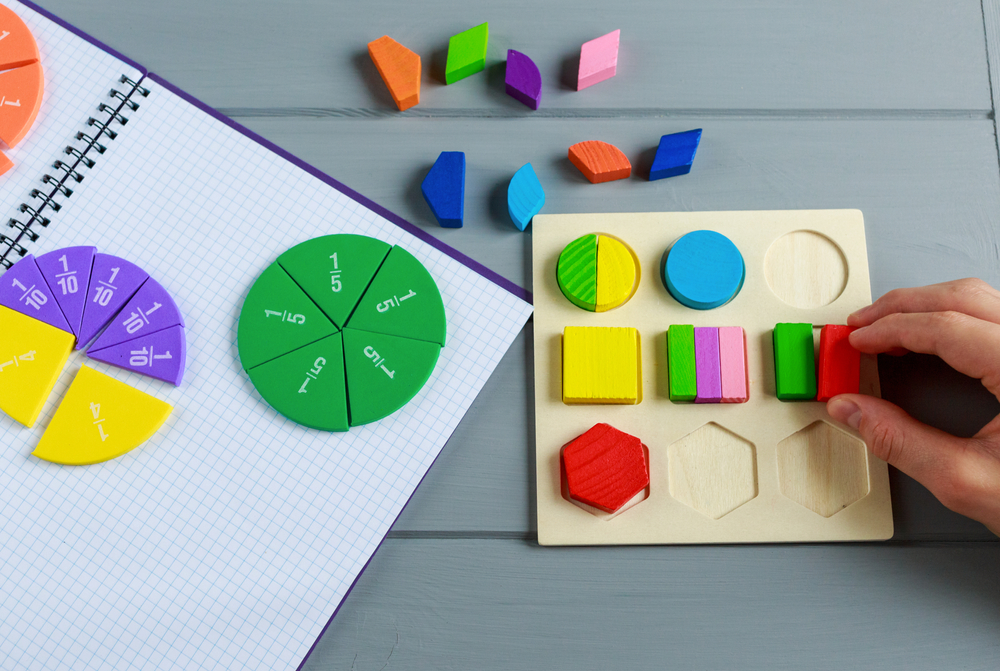

Fostering logical reasoning skills in children aged 5-6 is crucial for their overall cognitive development and future academic success. At this age, children's brains are highly adaptable and ready to form foundational skills that will support complex thinking in later years. Logical reasoning involves the ability to observe, identify patterns, make connections, and solve problems systematically.
For parents and teachers, encouraging these skills helps children understand the world more systematically. For instance, sorting objects by color, shape, or size strengthens categorization skills, while simple puzzles reinforce the idea of sequences and cause-and-effect relationships. These activities, integral to early education, promote critical thinking that transcends academic learning and spills over into everyday decision-making.
Moreover, strong logical reasoning abilities are associated with better performance in core subjects like mathematics and science, where structured problem-solving is key. For reading and comprehension, understanding the narrative flow and predicting outcomes are forms of logical thinking.
Promoting logical reasoning also builds confidence. When children recognize patterns and solve problems independently, it boosts their self-esteem and creates a positive feedback loop for continuous learning. Overall, investing time in developing these skills early sets a solid groundwork for more advanced intellectual pursuits, making it essential for parents and teachers to focus on logical reasoning during the crucial developmental stage of ages 5-6.








