
Money identification Worksheets for Ages 5-6
3 filtered results
Difficulty Level
Grade
Age
-
From - To
Subject
Activity
Standards
Explore our engaging Money Identification Worksheets designed for children aged 5-6! These fun and interactive resources help young learners recognize and understand different coins and bills. Each worksheet offers colorful illustrations and age-appropriate activities that captivate little ones while building essential financial literacy skills. Kids will practice identifying, sorting, and comparing various denominations through playful exercises. Perfect for teachers and parents alike, these worksheets support early math education in an enjoyable way. Foster your child's confidence with money as they learn to identify currency, laying a strong foundation for future financial understanding. Start their money journey today with our delightful worksheets!
Favorites
With answer key
Interactive
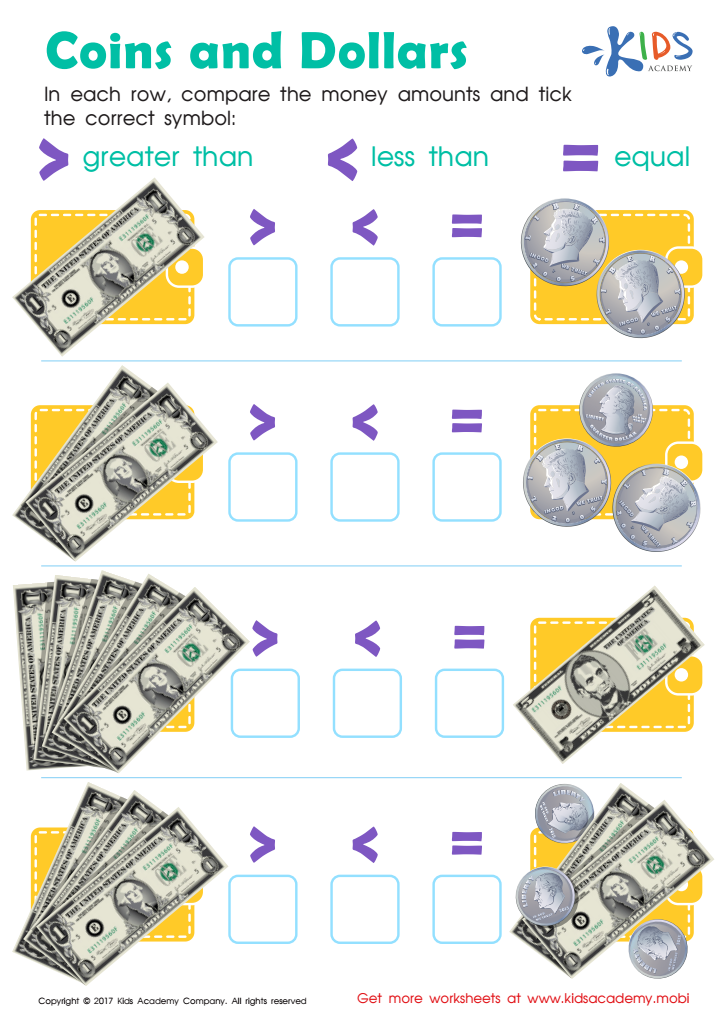
Money: Coins Dollars Printable
Motivate your kid to learn and practise essential math skills, like 'greater than' and 'less than', by introducing the importance of money! The money worksheet "Coins and Dollars" will give them a hands-on experience of counting coins and dollars, making math symbols more memorable.
 Assign to My Students
Money: Coins Dollars Printable
Worksheet
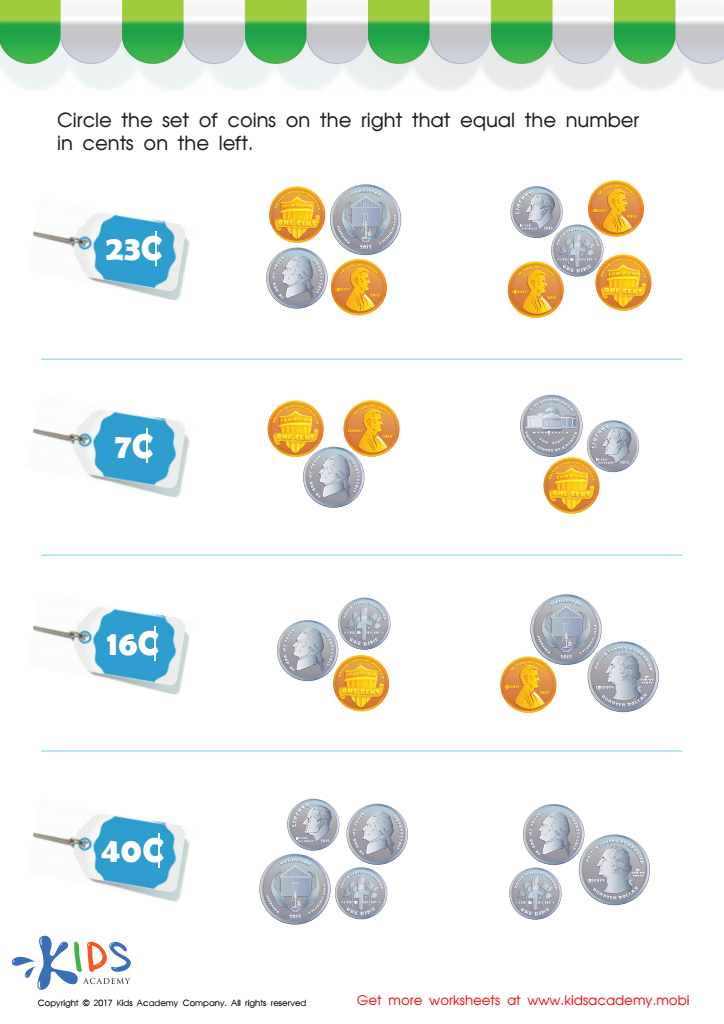
Picking the Coins You Need Money Worksheet
Let's learn to count money with Parents and Kids Academy! Investigate a real shop together: buy a globe, pencils, books, and a school bag using coins. Then, circle the coins you'll need. Visit our website for more free and fun money games for kids!
Picking the Coins You Need Money Worksheet
Worksheet
Join Kids Academy for Free
Who is primarily going to use this learning content?



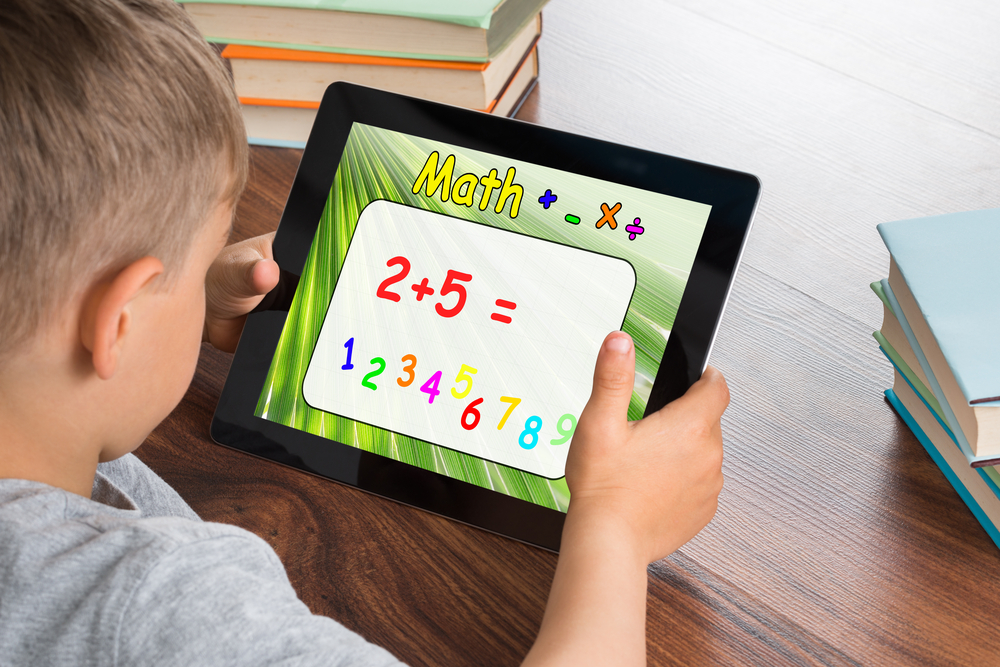



Money identification is a crucial skill for children aged 5-6, as it lays the foundation for financial literacy and responsibility later in life. At this developmental stage, children are naturally curious and eager to learn about the world around them, and understanding money is an essential part of that.
Firstly, identifying money helps children grasp the concept of values and exchanges. Recognizing different coins and bills assists them in understanding that money is a medium of exchange used for buying goods and services. This knowledge is vital as it encourages decision-making skills and teaches children the worth of various objects.
Additionally, engaging with money identification fosters cognitive skills such as counting, sorting, and comparing. These skills are pertinent not only for financial understanding but also contribute to their overall mathematical development.
For parents and teachers, teaching children about money prepares them for real-life situations. It equips children with practical skills they will use throughout their lives, such as saving, budgeting, and responsible spending. By introducing money identification early, educators and caregivers can instill values around finance, ultimately supporting children as they navigate their financial futures.








