Check out this FREE "Problem Solving" Trial Lesson for age 5-6!

Special Moves: Promotion

Favorites
With answer key
Interactive
  • 5-6
  • Problem Solving
Party Problems Worksheet

Party Problems Worksheet

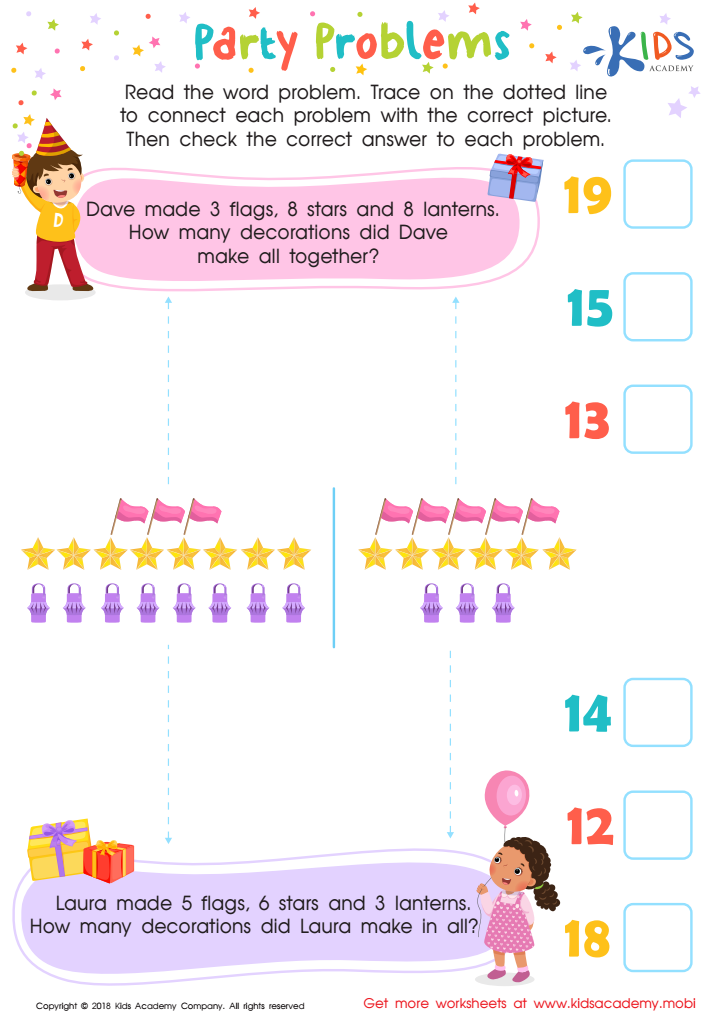
Problems at parties? No problem! With this engaging PDF worksheet, your student can connect word problems to pictures, check correct answers, and find the sum of 3 addend problems. They'll be a party-saving hero in no time!
Party Problems Worksheet
Worksheet
Addition Robot Sorter Worksheet

Addition Robot Sorter Worksheet

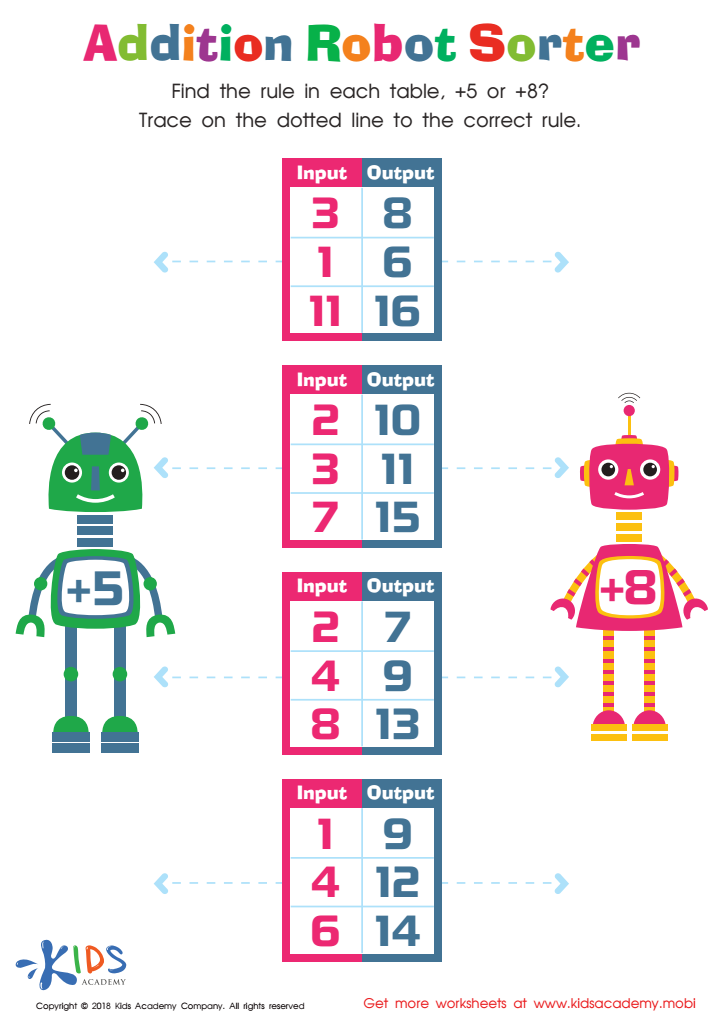
This worksheet helps your child understand addition. Have them trace the dotted lines to the correct equations: +8 and +5. It's a great way to aid their mathematical comprehension and get them comfortable with adding equations.
Addition Robot Sorter Worksheet
Worksheet
Supermarket Math Worksheet

Supermarket Math Worksheet

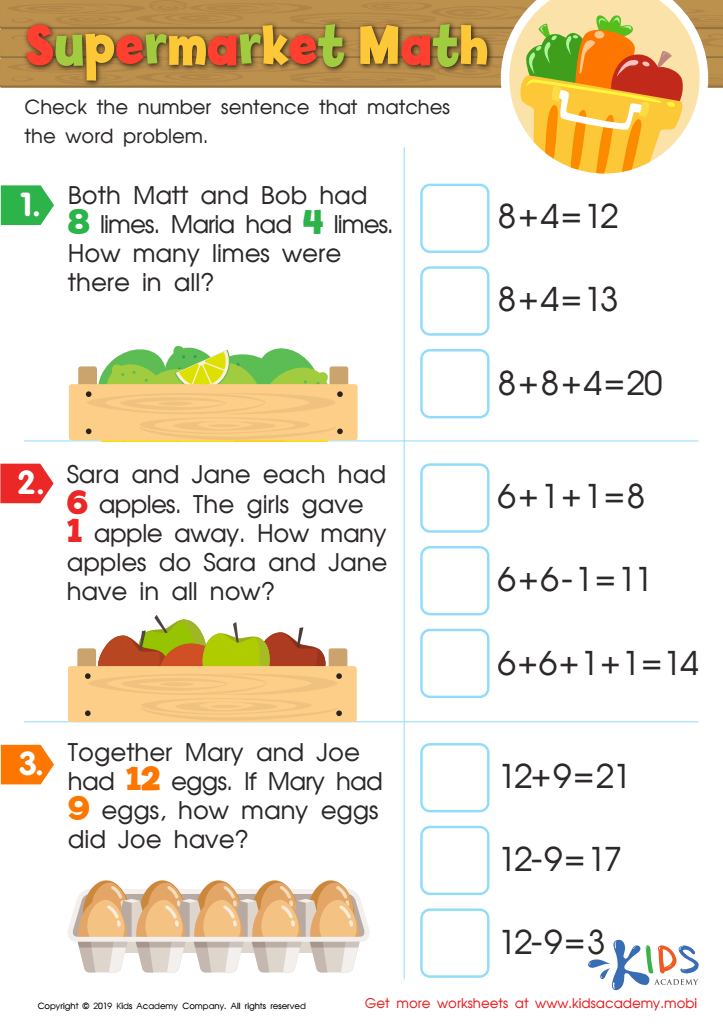
Take your kids to the supermarket and ask what they're looking forward to buying. Help them solve the three questions in the worksheet by interpreting each one into an equation, then choose the right answer.
Supermarket Math Worksheet
Worksheet
What Would Happen? Worksheet

What Would Happen? Worksheet

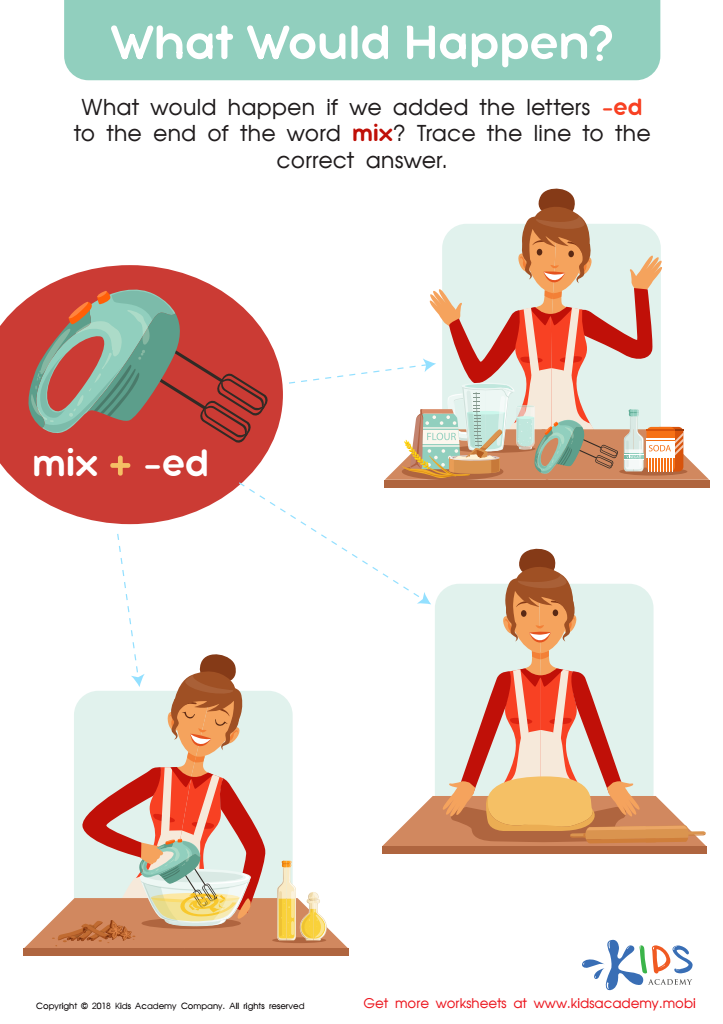
Are your kids struggling with tenses? Use this worksheet to help them. See what they know by asking them to add '-ed' to the end of 'mix'. Guide them through the tracing sheet as they look for the correct answer.
What Would Happen? Worksheet
Worksheet
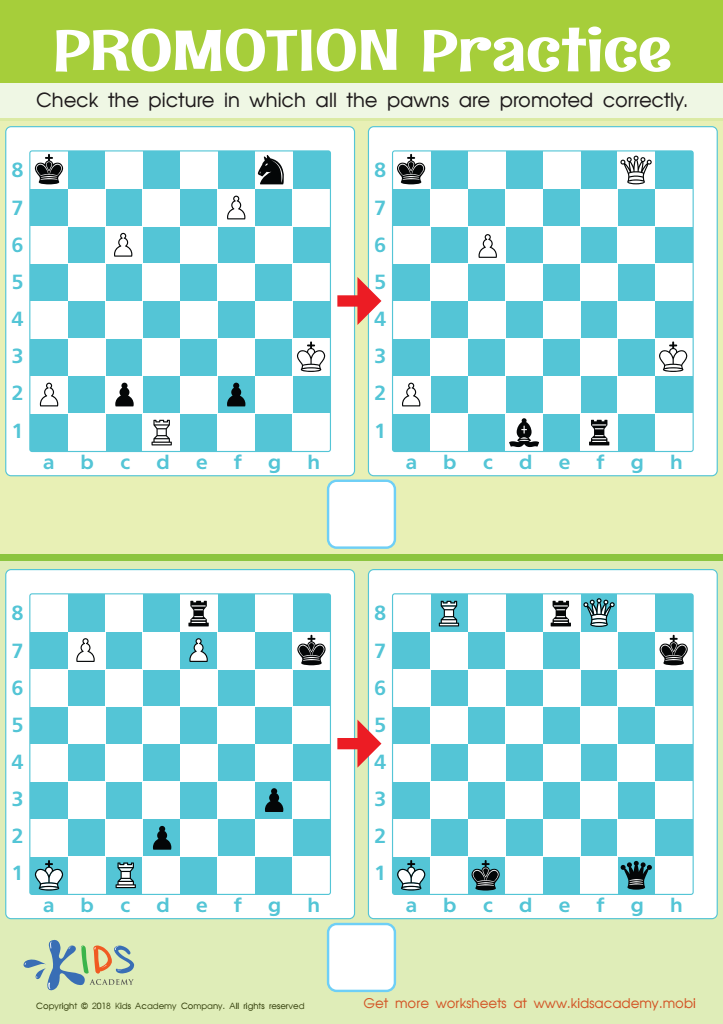
Promotion Practice Worksheet

Promotion Practice Worksheet

Test your kids' promotions skills with this worksheet! Ask them to find the pictures in which the pawns are correctly promoted. Remember, when a pawn reaches the last rank it may be promoted to a queen, bishop, knight or rook. In addition, a pawn can be promoted when it captures a chess piece on the last rank.
Promotion Practice Worksheet
Worksheet
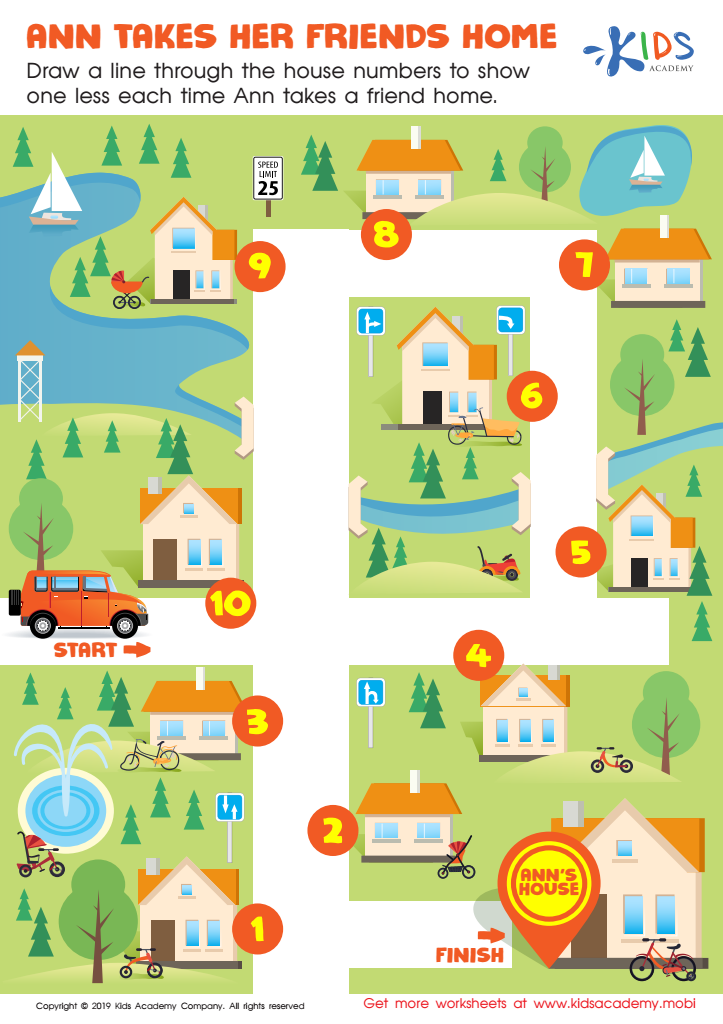
Ann Takes her Friends Home Worksheet
Ann Takes her Friends Home Worksheet
Get your kids to tell you what they enjoy doing with their friends in each other's homes. Then, encourage them to complete the worksheet. It shows Ann taking her friends to her house. Have them draw a line through the house numbers to show Ann taking one friend home at a time.
Ann Takes her Friends Home Worksheet

Worksheet
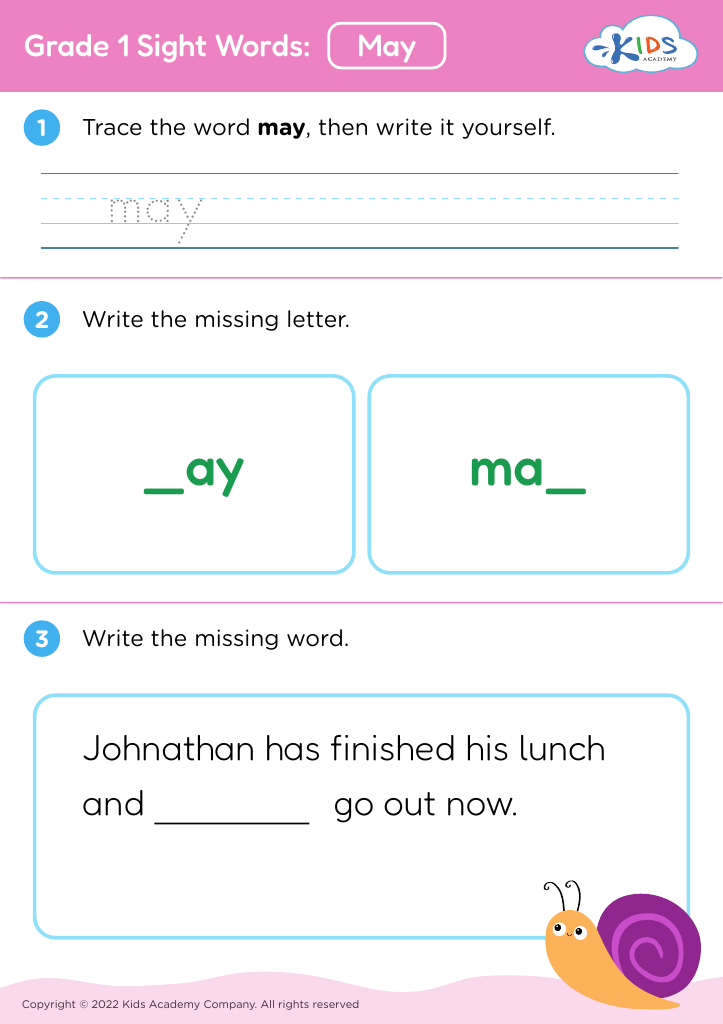
Grade 1 Sight Words: May

Grade 1 Sight Words: May

Grade 1 Sight Words: May
Worksheet
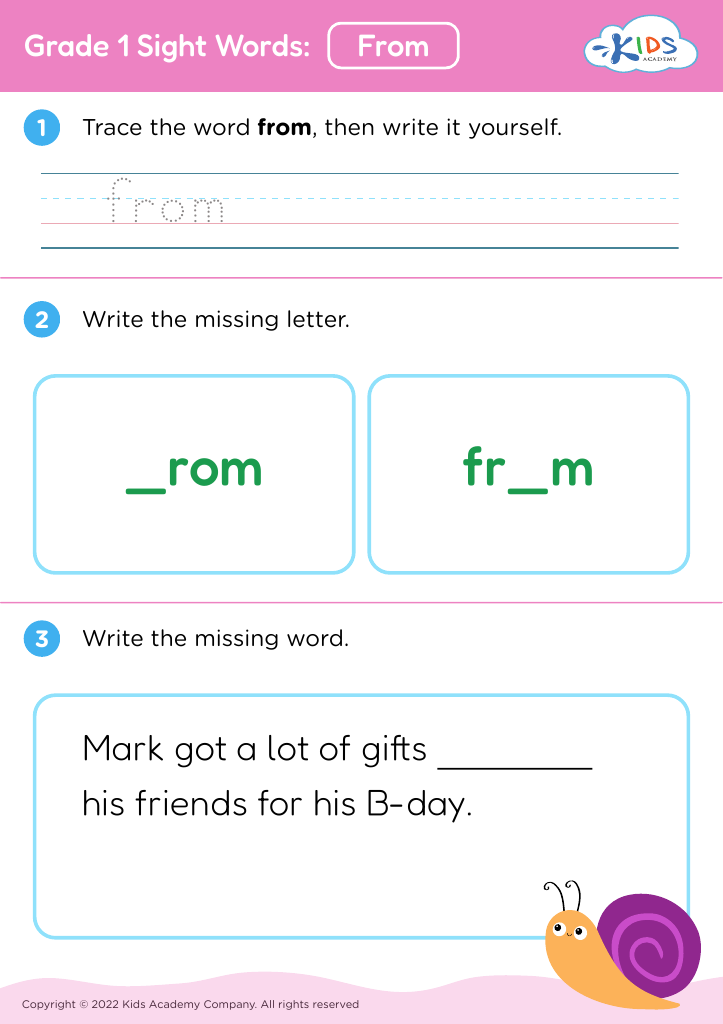
Grade 1 Sight Words: From

Grade 1 Sight Words: From

Grade 1 Sight Words: From
Worksheet
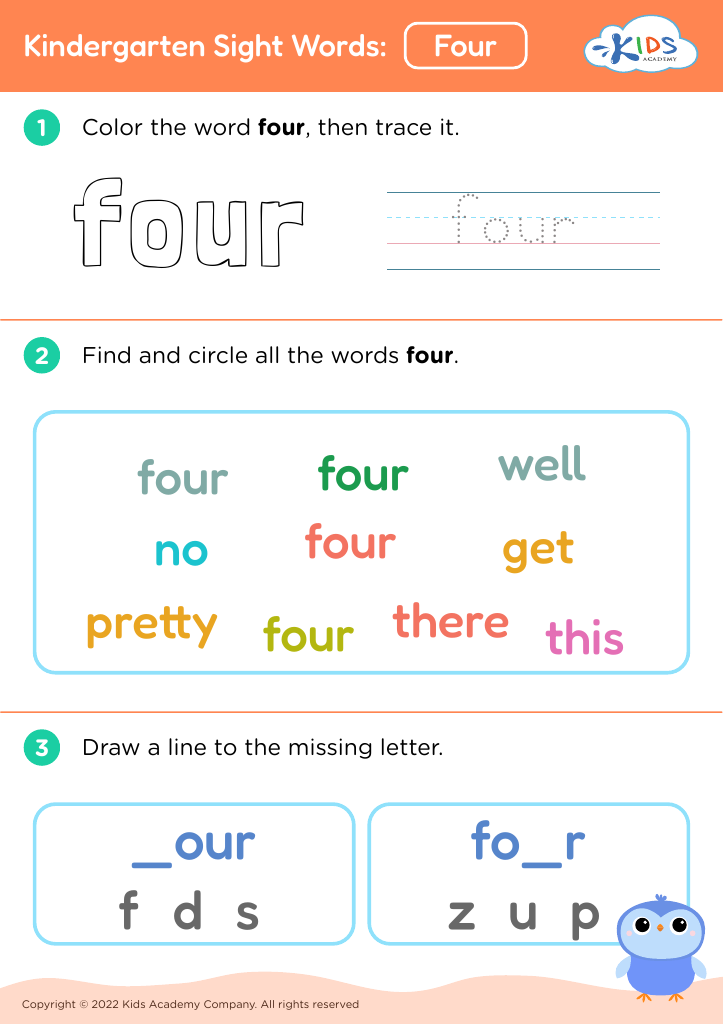
Kindergarten Sight Words: Four

Kindergarten Sight Words: Four

Kindergarten Sight Words: Four
Worksheet


Parents and teachers should prioritize problem-solving skills for children aged 5-6 because it lays a vital foundation for their cognitive and social development. At this age, children are beginning to explore their environment more independently, and developing problem-solving skills allows them to navigate challenges and obstacles creatively and effectively.

Problem-solving fosters critical thinking by encouraging children to observe, analyze, and break situations down into manageable parts. This not only enhances their intellectual abilities but also builds resilience as they learn to face and overcome difficulties rather than avoid them. Such experiences boost self-confidence, showing children that they have the capability to find solutions on their own.

Socially, problem-solving skills equip children with the tools to resolve conflicts and collaborate with peers. They learn to listen, negotiate, and consider alternative perspectives, promoting empathy and strengthening relationships. These are essential skills for lifelong success and well-being.

Moreover, early problem-solving experiences encourage a love for learning. Children become curious and engaged, often enthusiastic about the idea of finding new and innovative ways to approach a problem. By nurturing these skills early on, parents and teachers are essentially planting the seeds for adaptive, flexible thinkers who are prepared for future academic challenges and everyday life situations.