Recognize shapes Worksheets for Ages 5-6
4 filtered results
-
From - To
Looking to enhance your child's shape recognition skills? Our "Recognize Shapes Worksheets for Ages 5-6" are perfect for young learners! Designed to be engaging and educational, these worksheets help children identify and differentiate between various shapes, including circles, squares, triangles, and more. With fun activities that promote critical thinking and creativity, kids will enjoy learning through coloring, matching, and tracing. These worksheets not only support cognitive development but also prepare them for future math concepts. Ideal for use at home or in the classroom, these resources will make learning about shapes enjoyable and effective! Download now and spark your child's imagination!
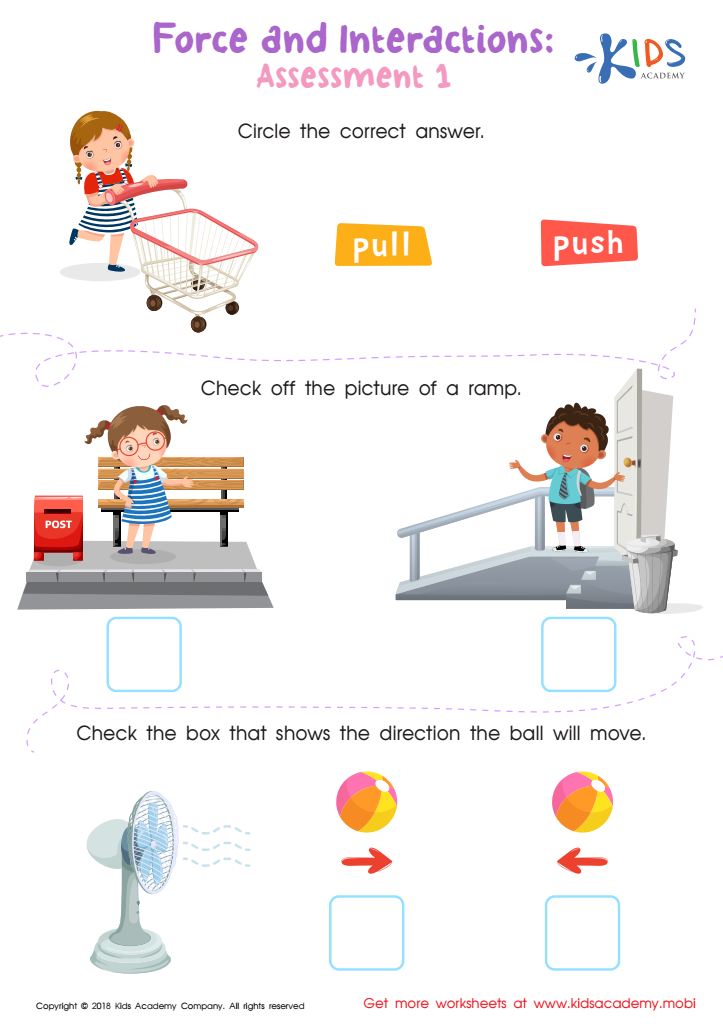
Force and Interactions: Assessment 1 Worksheet
 Assign to My Students
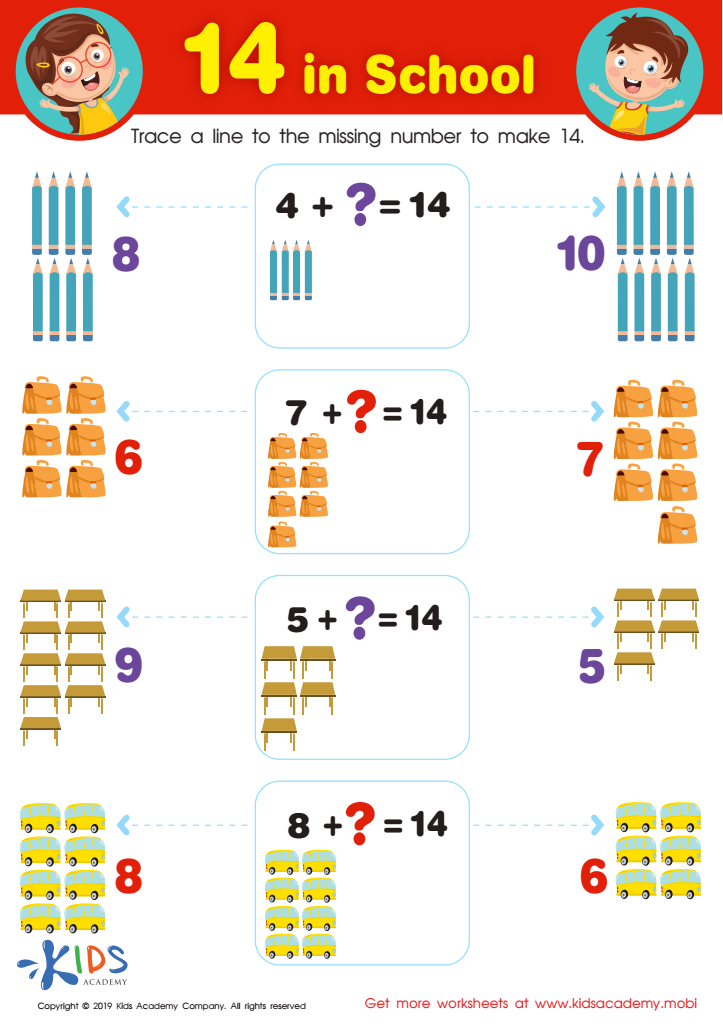
14 in School Worksheet
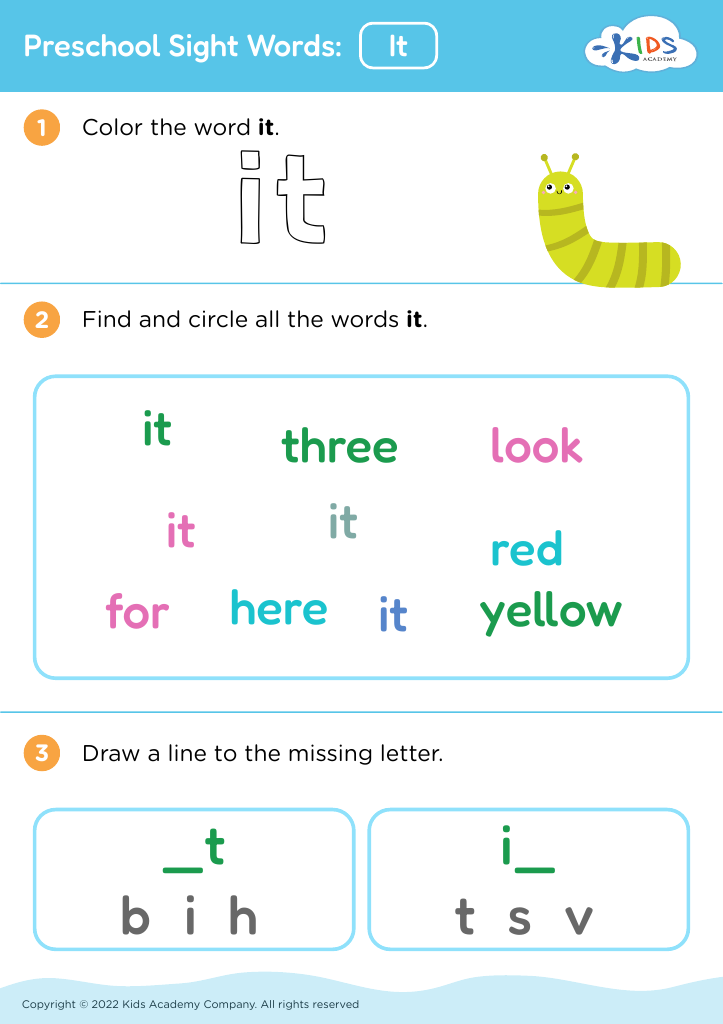
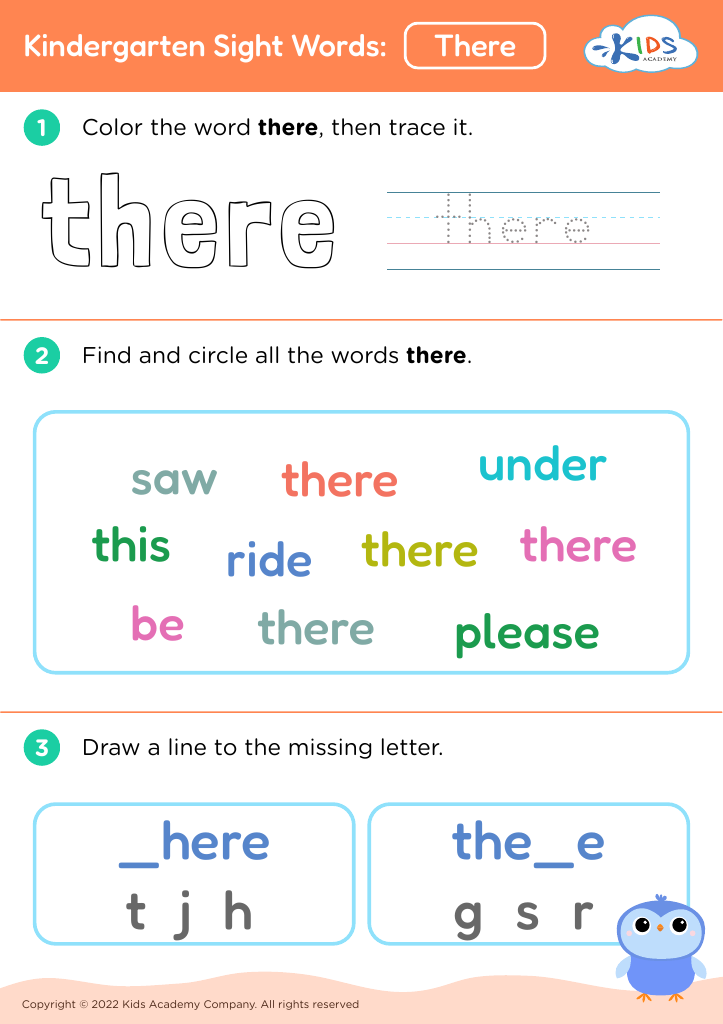







Recognizing shapes is a fundamental skill for children aged 5-6, serving as a building block for various areas of learning and development. Parents and teachers should prioritize this skill because it lays the groundwork for critical cognitive abilities, including spatial awareness and problem-solving. When children learn to identify and differentiate shapes like circles, squares, and triangles, they enhance their ability to understand the world around them.
Moreover, shape recognition is integral in early math education. It facilitates concepts such as measurement, geometry, and even basic addition and subtraction when combined with counting sides or corners. Beyond academics, shape recognition supports language development, as children learn to articulate their observations and descriptions of shapes, thereby broadening their vocabulary.
Additionally, engaging in shape-related activities fosters creativity and fine motor skills. Activities such as drawing, building, or sorting shapes can enhance dexterity and imaginative thinking.
By emphasizing shape recognition, parents and teachers can instill a holistic foundational skillset that will support children's future educational journeys, enhance their cognitive growth, and promote effective communication and social interaction. Investing in this early learning experience paves the way for lifelong learning and critical thinking abilities.








