Understanding multiplication Worksheets for Ages 5-6
7 filtered results
-
From - To
Welcome to our "Understanding Multiplication Worksheets" page for ages 5-6! Here, young learners will embark on an exciting journey to grasp the fundamental concepts of multiplication. Our engaging worksheets introduce multiplication through visual aids, interactive activities, and age-appropriate exercises, making math fun and accessible. Children will explore various strategies, like grouping and repeated addition, to develop their understanding and confidence in this essential skill. Our resources are designed to align with educational standards, ensuring a comprehensive learning experience. Equip your child with the tools they need for success in math with our thoughtfully crafted worksheets that promote creativity and critical thinking.
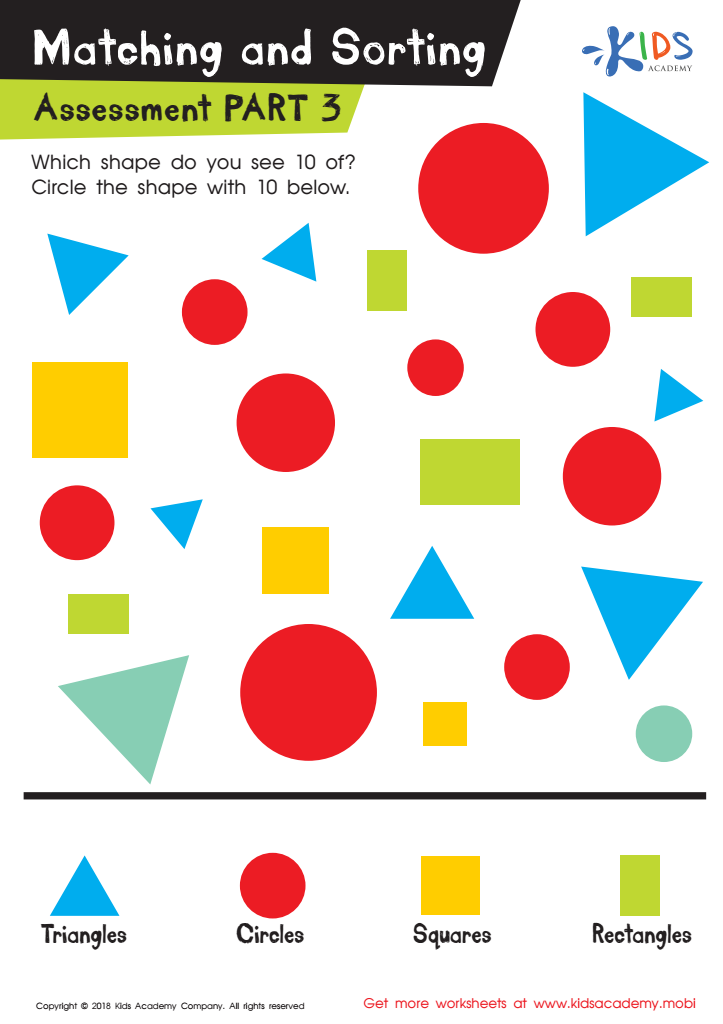
Matching and Sorting for Kindergarten: Assessment 3 Worksheet
 Assign to My Students
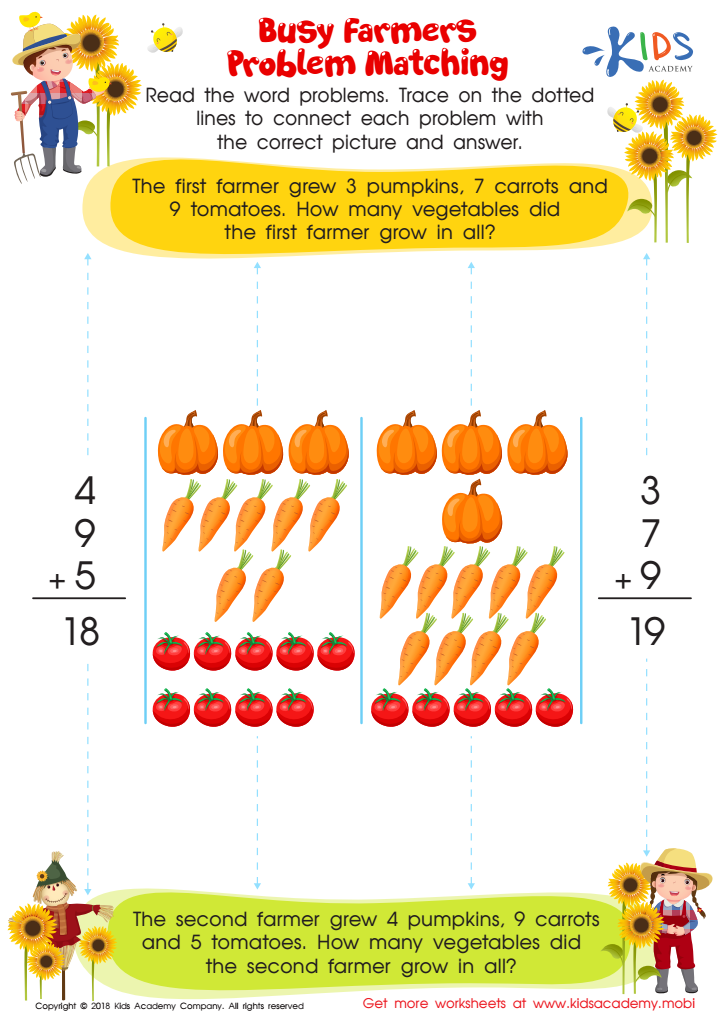
Busy Farmers: Problem Matching Worksheet
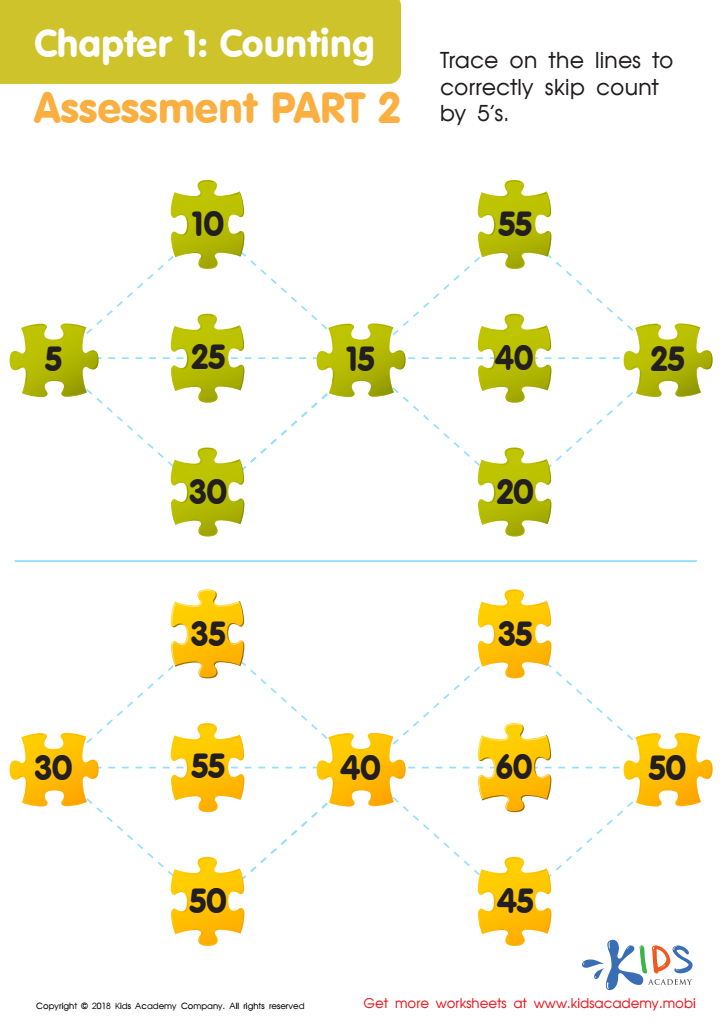
Counting: Assessment 2 Worksheet
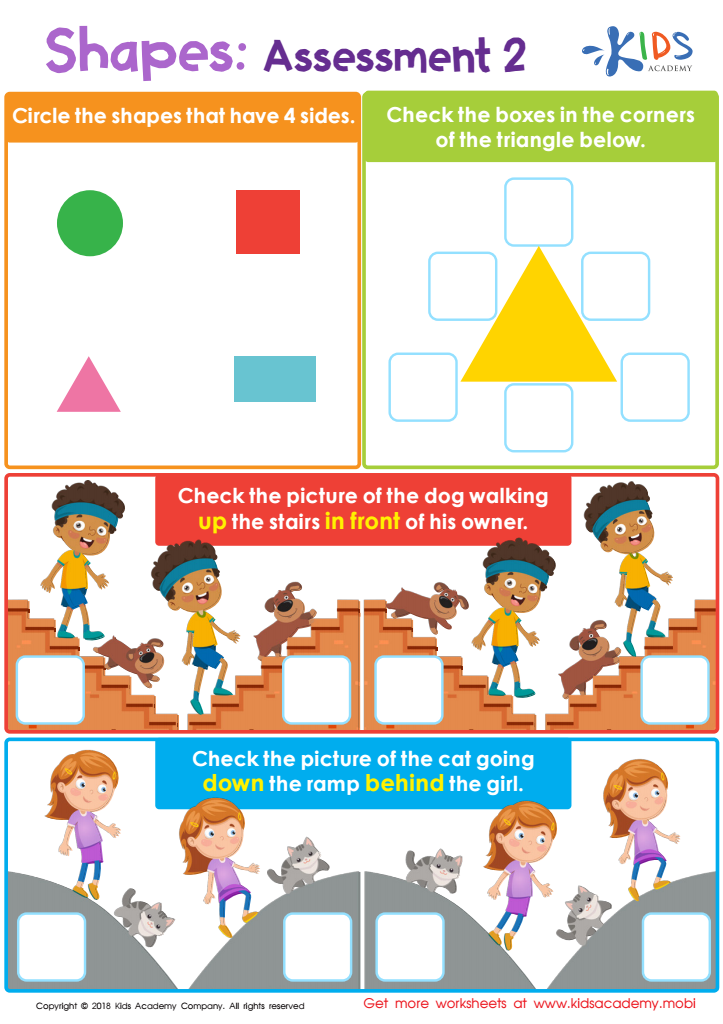
Shapes: Assessment 2 Worksheet
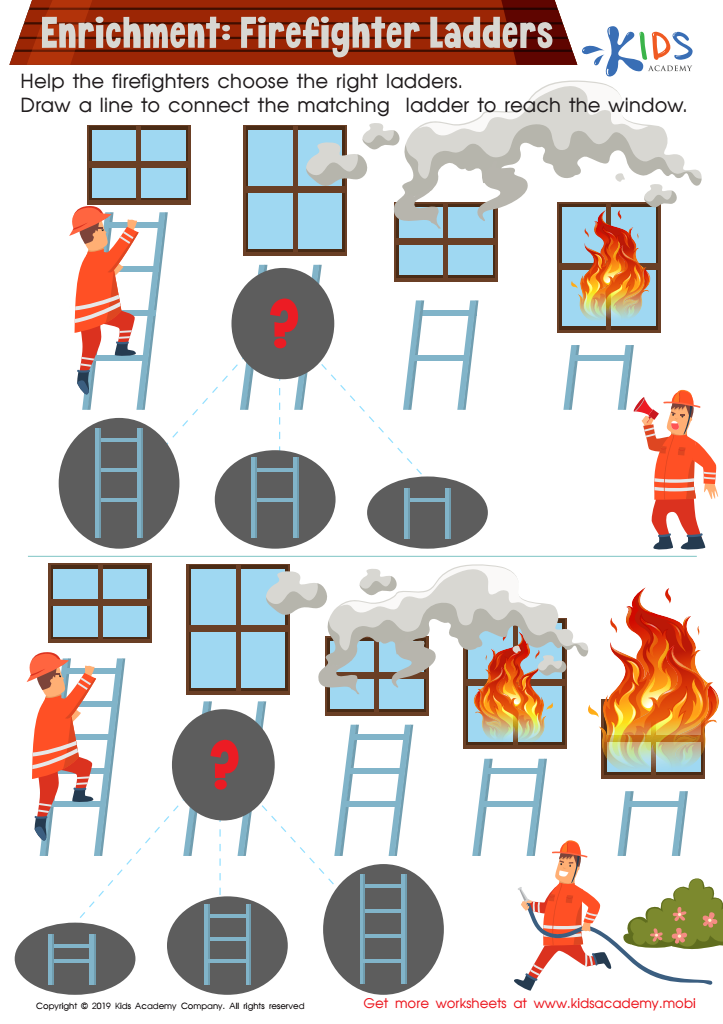
Enrichment: Firefighter Ladders Worksheet
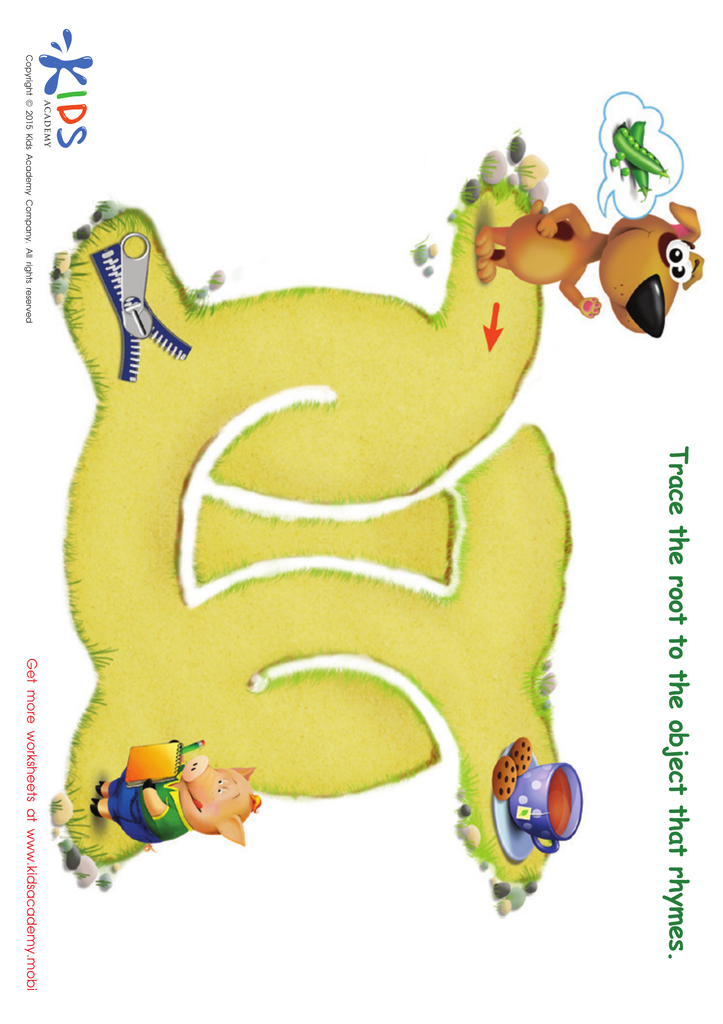
Pea Rhyming Words Worksheet
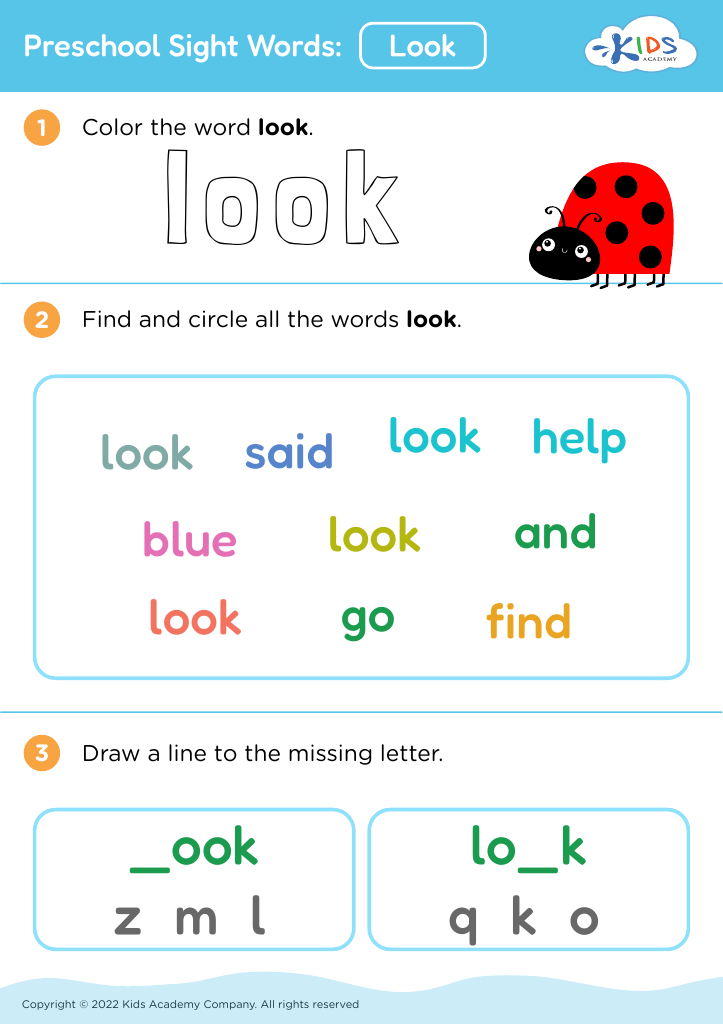







Understanding multiplication at an early age, particularly for children aged 5-6, is vital for several reasons. Firstly, it lays a strong foundation for future mathematical concepts. Multiplication is not just a standalone skill; it connects to addition, division, and more complex arithmetic. When children grasp the concept of multiplication early, they are better prepared for these interconnected ideas in later grades.
Secondly, early multiplication skills contribute to cognitive development. Engaging with multiplication helps enhance problem-solving abilities, critical thinking, and memory retention. It encourages the development of number sense, which is crucial for navigating daily life, such as shopping, cooking, or budgeting.
Moreover, establishing a positive attitude towards mathematics early on can lead children to be more confident in their abilities. When kids see their progress in multiplication, they're more likely to engage with math happily and readily.
Lastly, understanding multiplication at this stage fosters collaboration and communication skills in a classroom environment. Children often engage in group activities, which promote teamwork and sharing different strategies. By prioritizing the comprehension of multiplication, parents and teachers can contribute significantly not only to academic success but also to the holistic development of children in their formative years.








