Understanding number sequence Worksheets for Ages 5-6
3 filtered results
-
From - To
Discover our engaging "Understanding Number Sequence Worksheets" designed for children ages 5-6. These worksheets provide a fun and interactive way to help young learners grasp the concept of number sequences. With vibrant illustrations and age-appropriate activities, kids will enjoy connecting numbers in order, filling in the blanks, and solving various sequencing challenges. Each worksheet fosters essential math skills and boosts confidence as children develop their understanding of numerical patterns. Perfect for home or classroom use, these resources support early education while making learning exciting and enjoyable. Visit our website to explore our collection and enhance your child's math journey today!
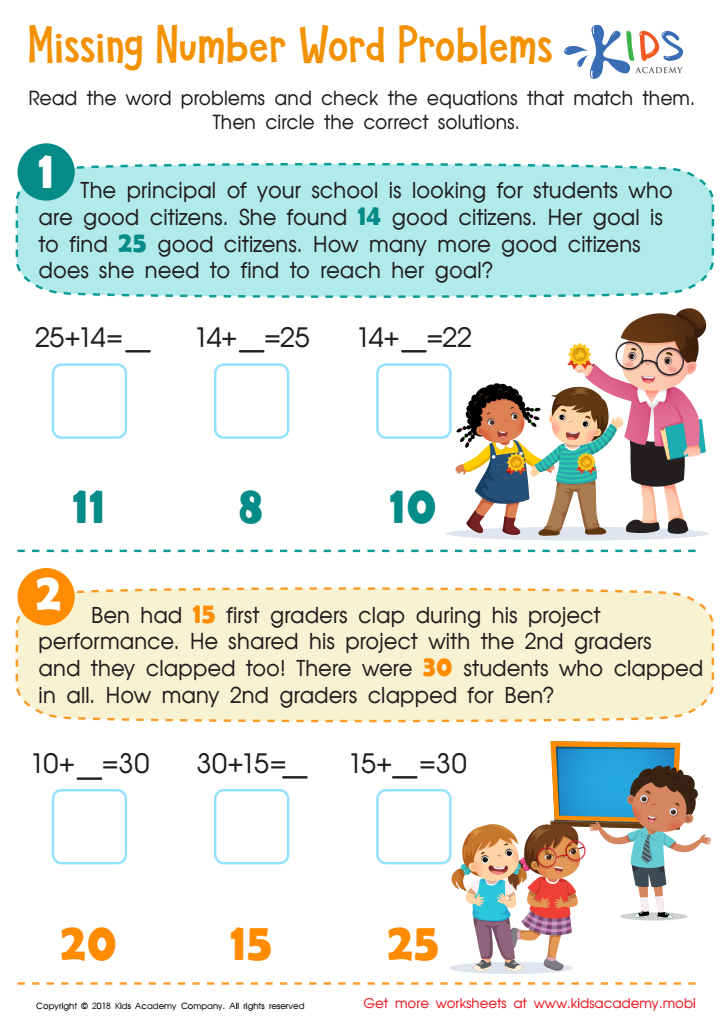
Missing Number Word Problems Worksheet
 Assign to My Students
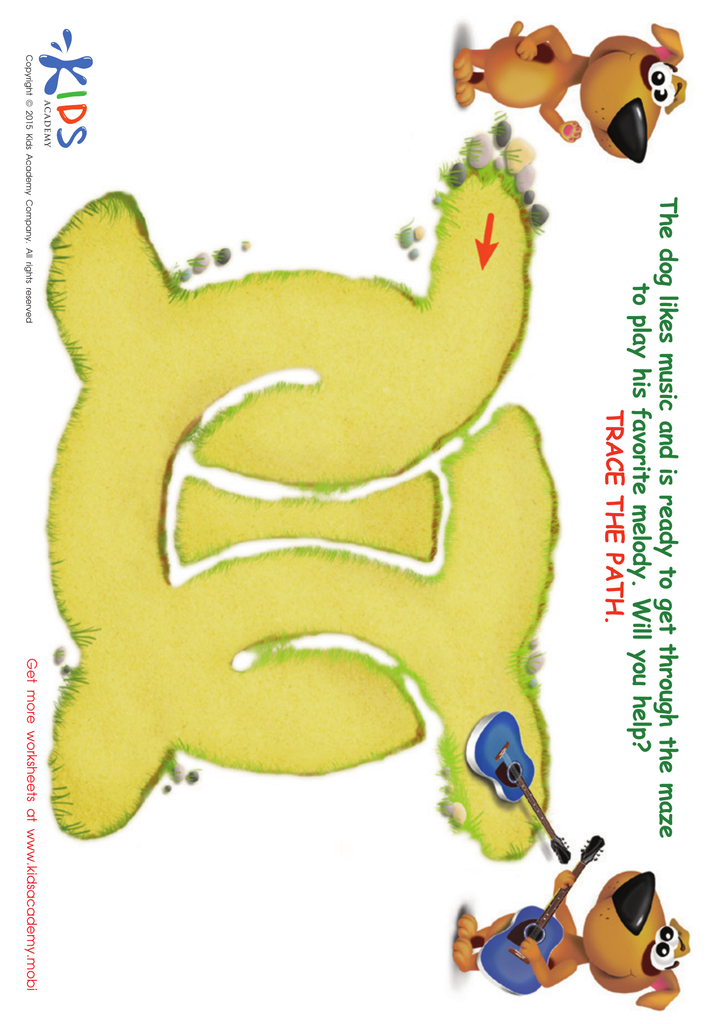
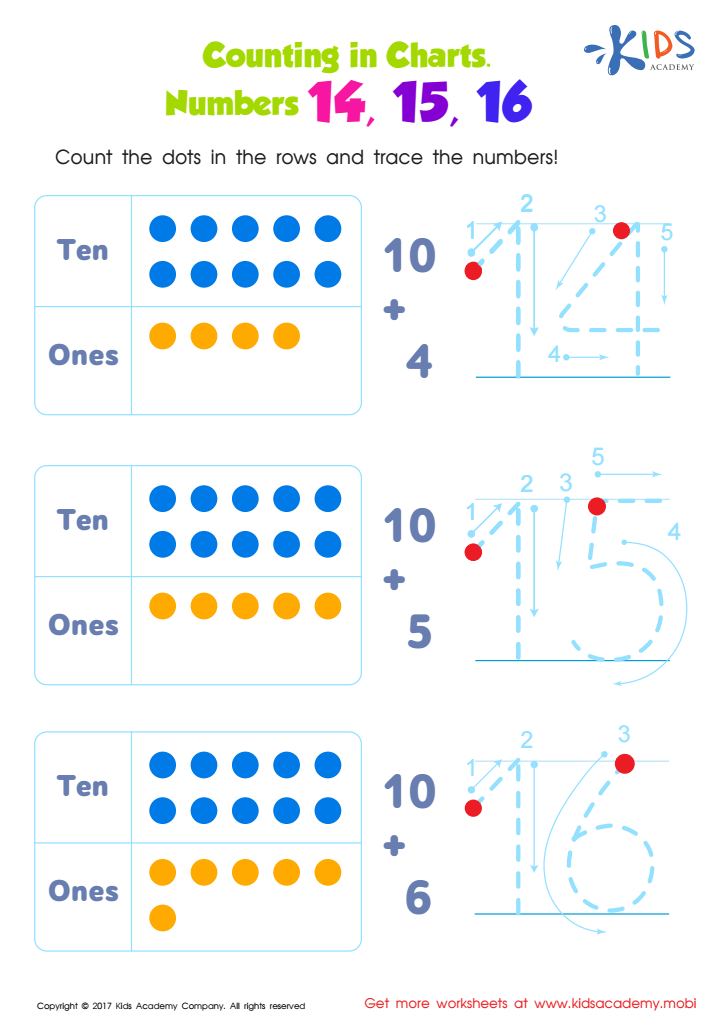
Number Tracing Worksheet








Understanding number sequences is crucial for children aged 5-6, as it lays the foundation for their mathematical development. At this stage, children are transitioning from recognizing numbers to comprehending how they relate to one another in patterns and sequences. This skill enhances their ability to perform basic arithmetic operations, like addition and subtraction, as it promotes an understanding of counting, ordinal numbers, and magnitude.
Parents and teachers should recognize the importance of number sequences for several reasons. Firstly, it reinforces cognitive development by fostering critical thinking and problem-solving skills. Children learn to predict what comes next in a sequence, improving their logical reasoning abilities. Secondly, familiarity with sequences aids in grasping more complex concepts later, such as skip counting, which is essential for understanding multiplication.
Furthermore, number sequences can be integrated into everyday activities, making learning engaging and practical. For example, parents can use counting games during grocery shopping, while teachers can incorporate sequences into classroom activities. Ultimately, supporting children in mastering number sequences prepares them for future educational endeavors and instills confidence, leading to a positive attitude towards math as they progress in their learning journey.








