Understanding numerical values Worksheets for Ages 5-6
4 filtered results
-
From - To
Discover the joy of learning with our “Understanding Numerical Values Worksheets” designed specifically for children aged 5-6. These engaging worksheets help young learners grasp the concept of numerical values through fun activities and vibrant illustrations. Each worksheet focuses on essential skills, encouraging kids to compare numbers, count objects, and recognize values in an interactive way. Perfect for both classroom settings and home practice, these resources foster critical thinking and enhance foundational math skills. Equip your child with the confidence to explore the world of numbers with our thoughtfully crafted materials, designed to make learning enjoyable and effective!
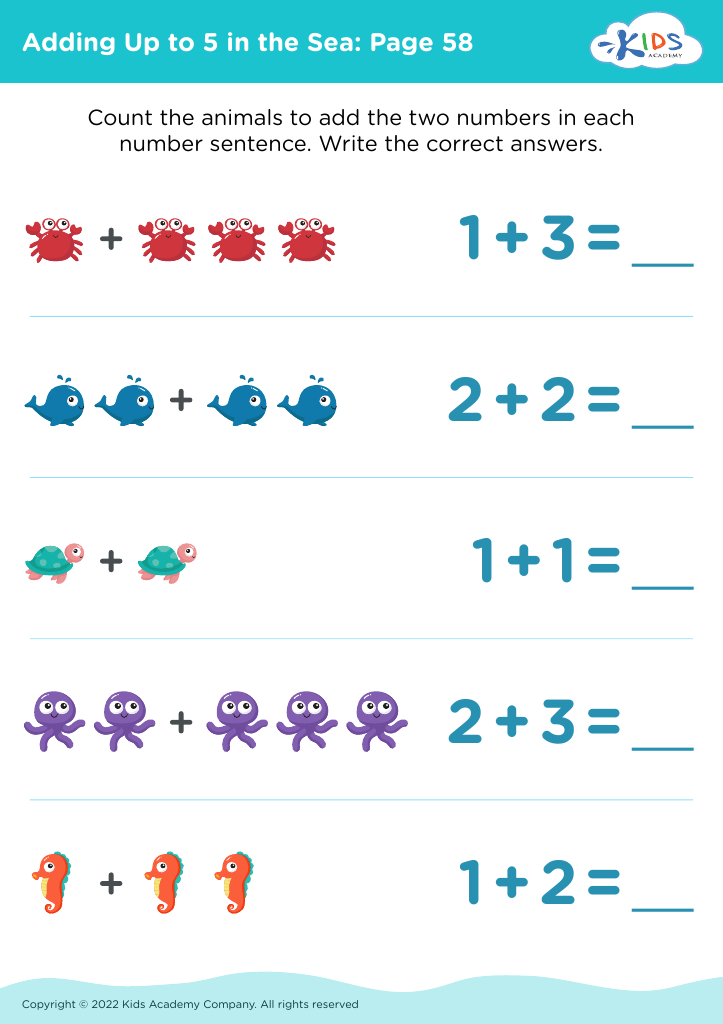
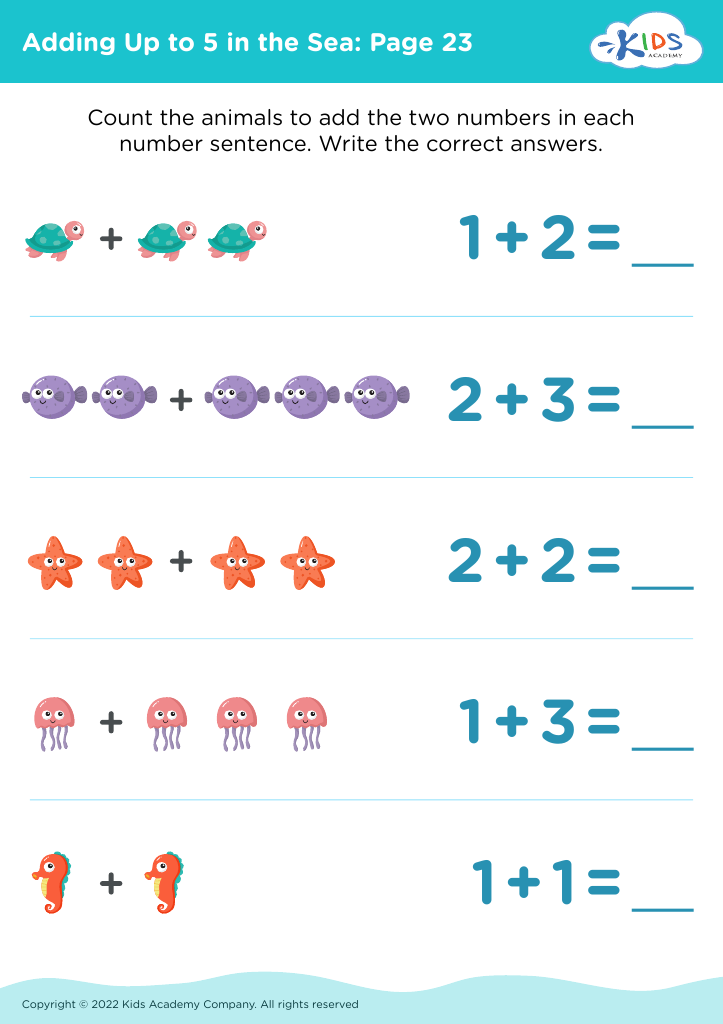
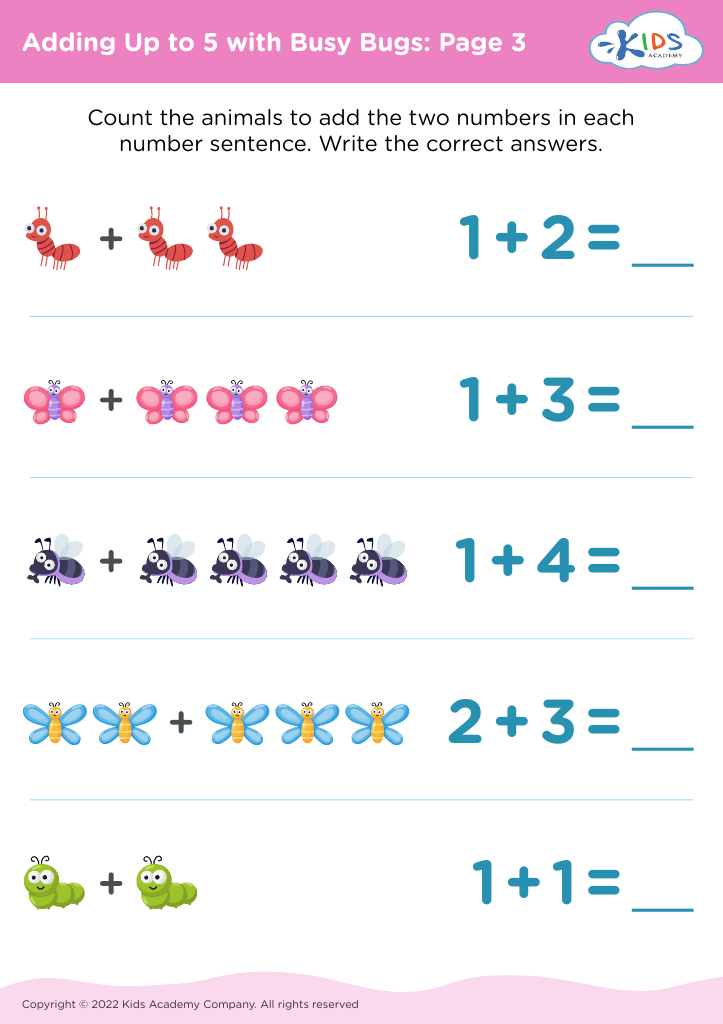
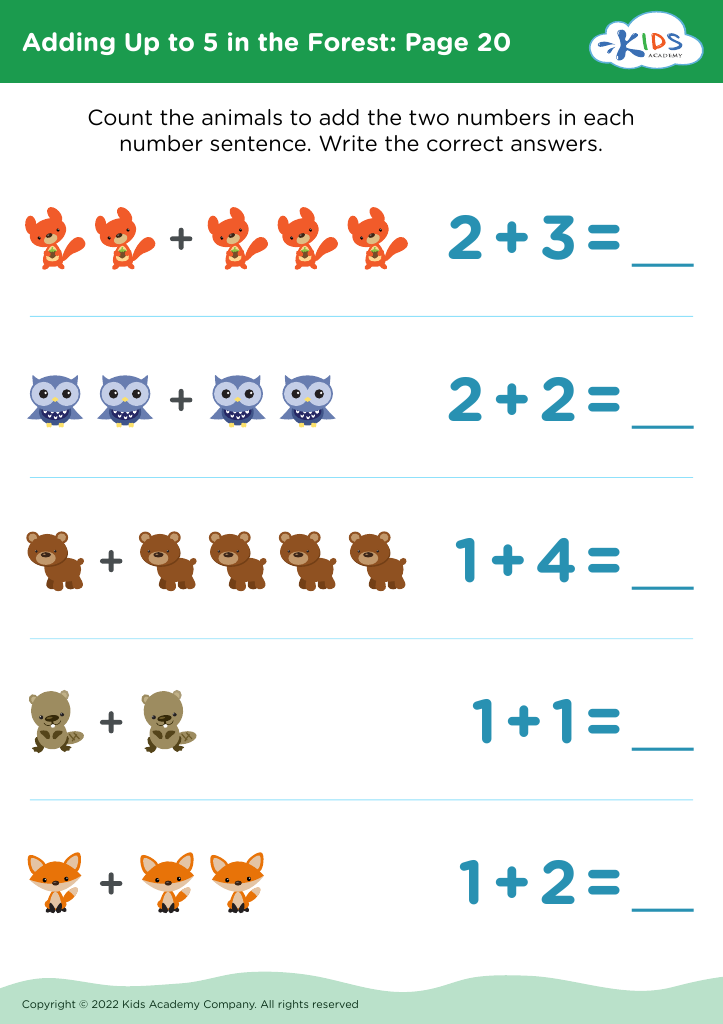







Understanding numerical values is crucial for children aged 5-6, as this foundation sets the tone for their future mathematical learning and overall cognitive development. At this stage, children are forming concepts about quantity, size, and order, which are essential for everyday tasks such as counting, measuring, and basic problem-solving. When parents and teachers support children in grasping numerical values, they promote critical thinking skills, helping kids to classify, compare, and quantify their world.
Furthermore, early mathematical understanding enhances children's confidence and enjoyment in learning. When children can recognize numbers and understand their meanings, they feel empowered and less intimidated by math later on. Engaging activities such as counting games, number use in storytelling, and hands-on experiences build their interest and instill a sense of achievement.
Additionally, nurturing this knowledge fosters stronger school readiness and lays the groundwork for academic success in areas such as literacy and science, which are increasingly linked to math skills. Therefore, by prioritizing the understanding of numerical values, parents and teachers create an environment where children can thrive, develop a love for learning, and achieve their full potential in an increasingly quantitative world.








