
Understanding patterns Worksheets for Ages 5-6
17 filtered results
Difficulty Level
Grade
Age
-
From - To
Subject
Activity
Standards
Discover engaging "Understanding Patterns" worksheets designed specifically for children aged 5-6 at Kids Academy. These educational worksheets help young learners recognize and predict various patterns using colorful and fun exercises. By completing these activities, children will enhance their critical thinking and problem-solving skills. Each worksheet offers a unique opportunity to explore repeating, alternating, and growing patterns. Perfect for classroom or at-home practice, these worksheets foster foundational math skills and cognitive development. Give your child a head start in math with Kids Academy's expertly crafted, age-appropriate pattern recognition resources!
Favorites
With answer key
Interactive
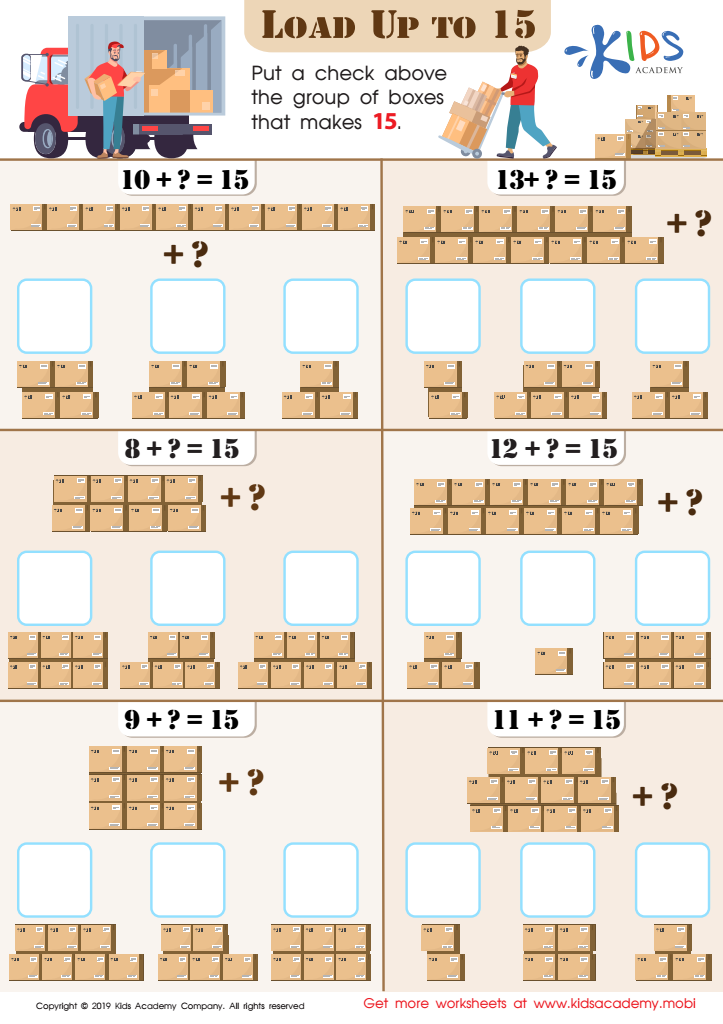
Load up to 15 Worksheet
Your students can practice addition and counting skills with this worksheet. Each equation has 6 boxes to count. Check the group that equals 15 to complete the exercise. Help your kindergartners if they need it.
Load up to 15 Worksheet
Worksheet
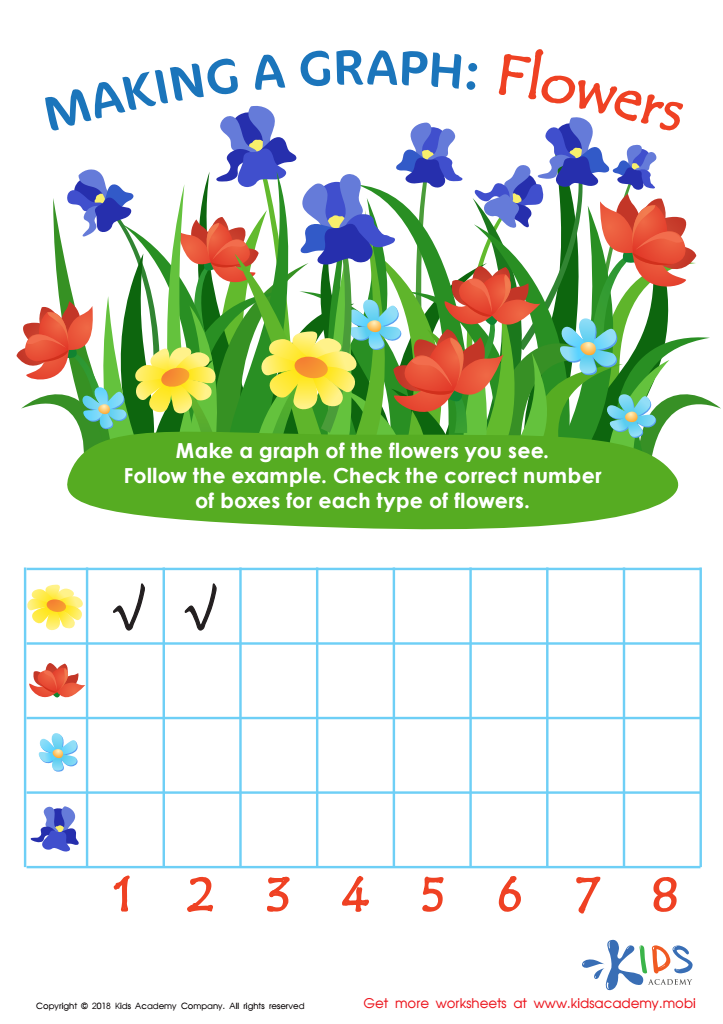
Making a Graph: Flowers Worksheet
Kids will love this engaging PDF graph. They'll count flowers and use checkmarks to represent the number on the graph, tangibly seeing the differences in an organized way they contributed to. All while developing their number representation and concrete number sense skills without even realizing it!
Making a Graph: Flowers Worksheet
Worksheet
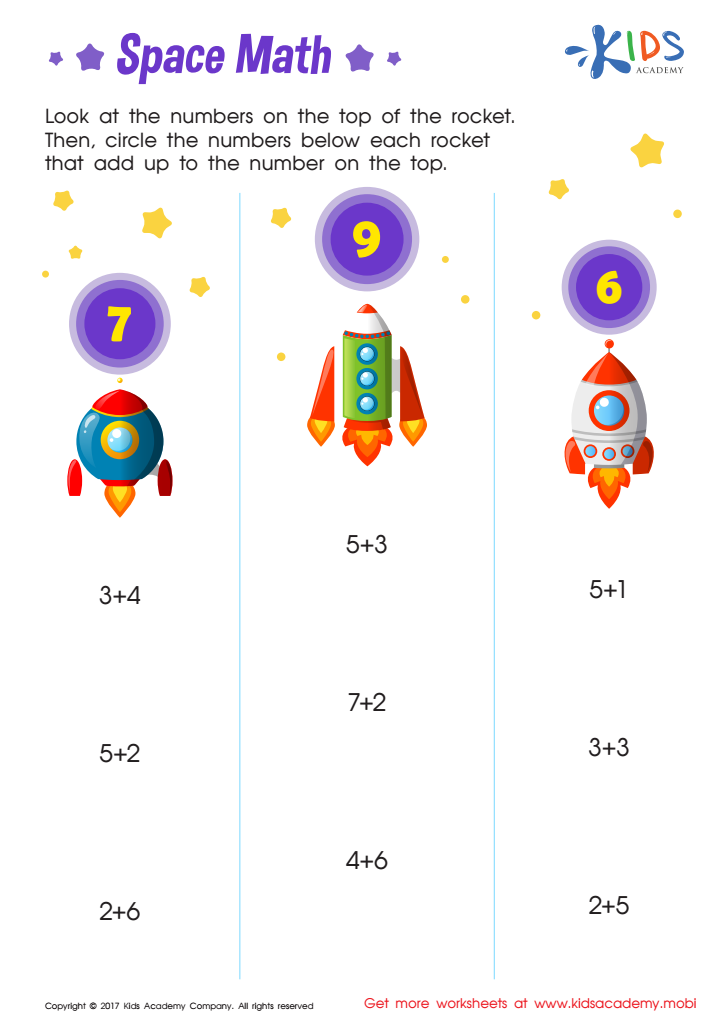
Addition: Space Math Worksheet
Fun and engaging space-themed practice with vivid pictures and matching numbers will make learning more meaningful. Take their math skills out of this galaxy today with Kids Academy!
Addition: Space Math Worksheet
Worksheet
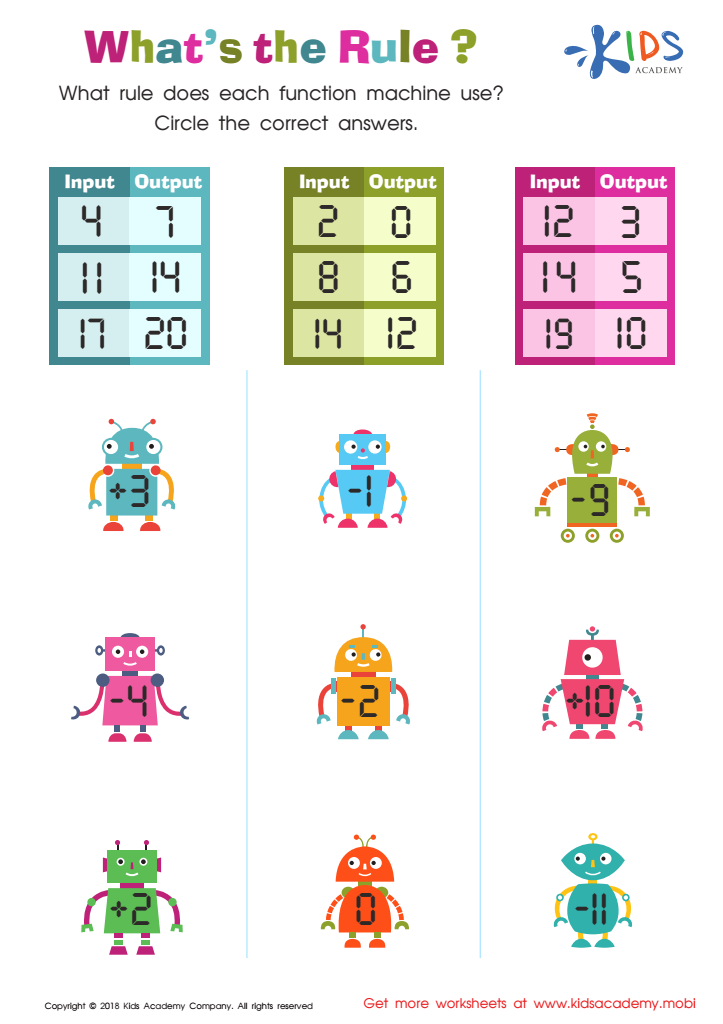
What's the Rule Worksheet
Robots are here to help your child find the relationship between each set of numbers! Adorably illustrated worksheets use vivid pictures that each contain a rule. Look at each function machine and find the pattern or relationship between the input and output. Then, complete the sheet by circling the correct answer!
What's the Rule Worksheet
Worksheet
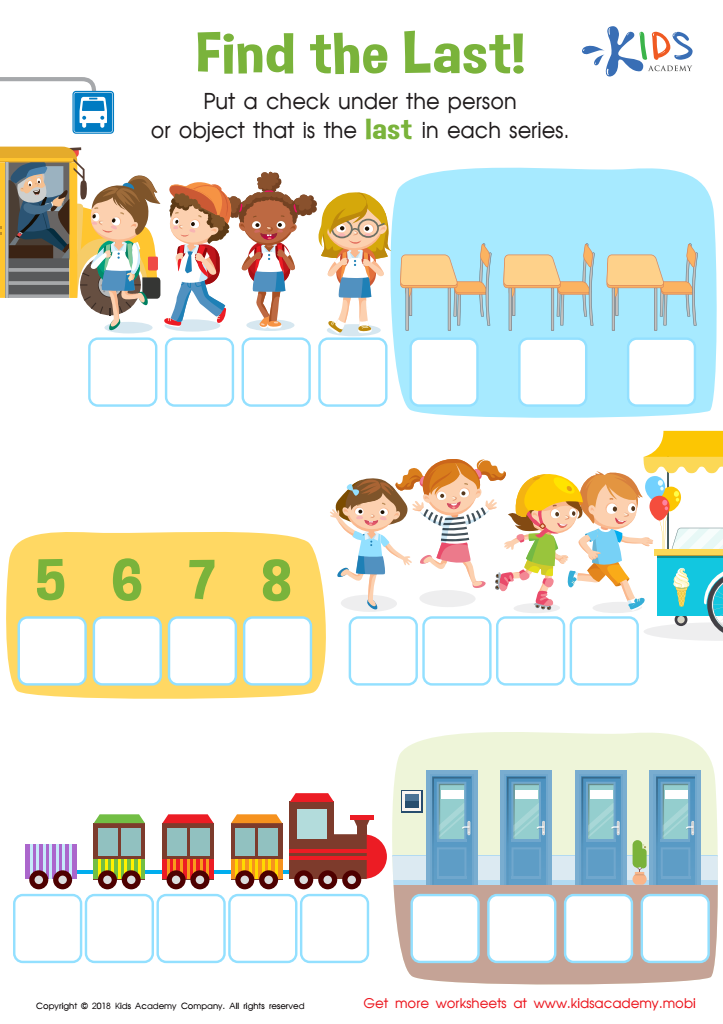
Find the Last! Worksheet
Teach young students about sequence words with this free worksheet. Have them look at sets of people or objects and choose the one that is last. Engage them further by having them describe or act out their day, and what happens last? Enjoy this printout and have fun!
Find the Last! Worksheet
Worksheet
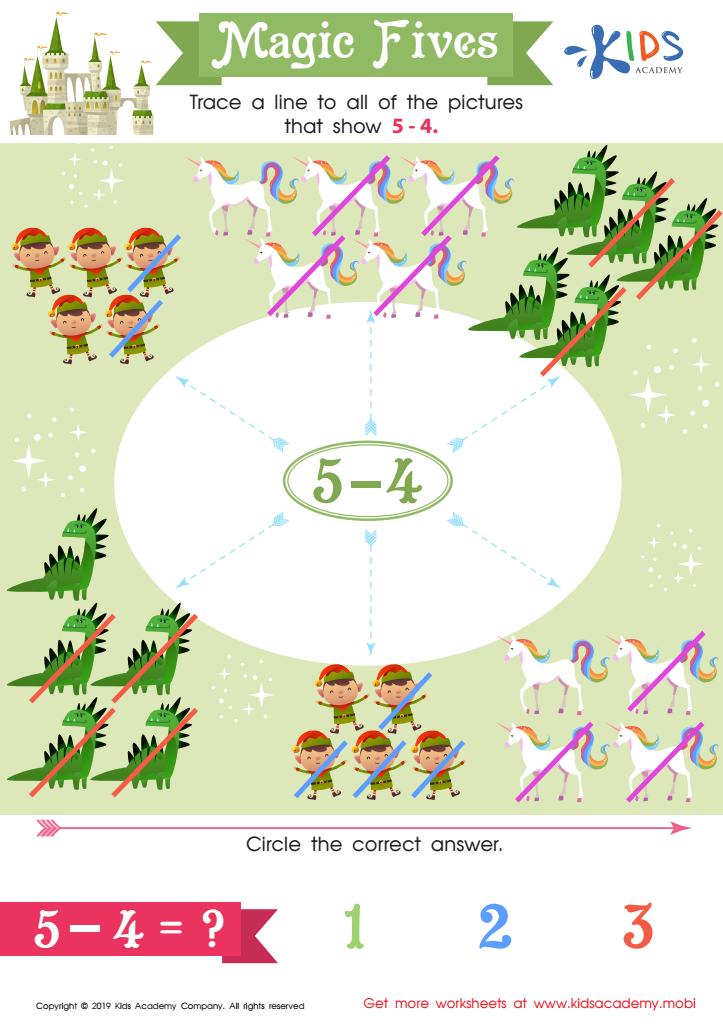
Magic Fives Worksheet
Help your students identify the objects & people in the worksheet. Point to the equation 5 -4 in the center, then get them to count the items and trace a line connecting those that add up to 5 - 4.
Magic Fives Worksheet
Worksheet
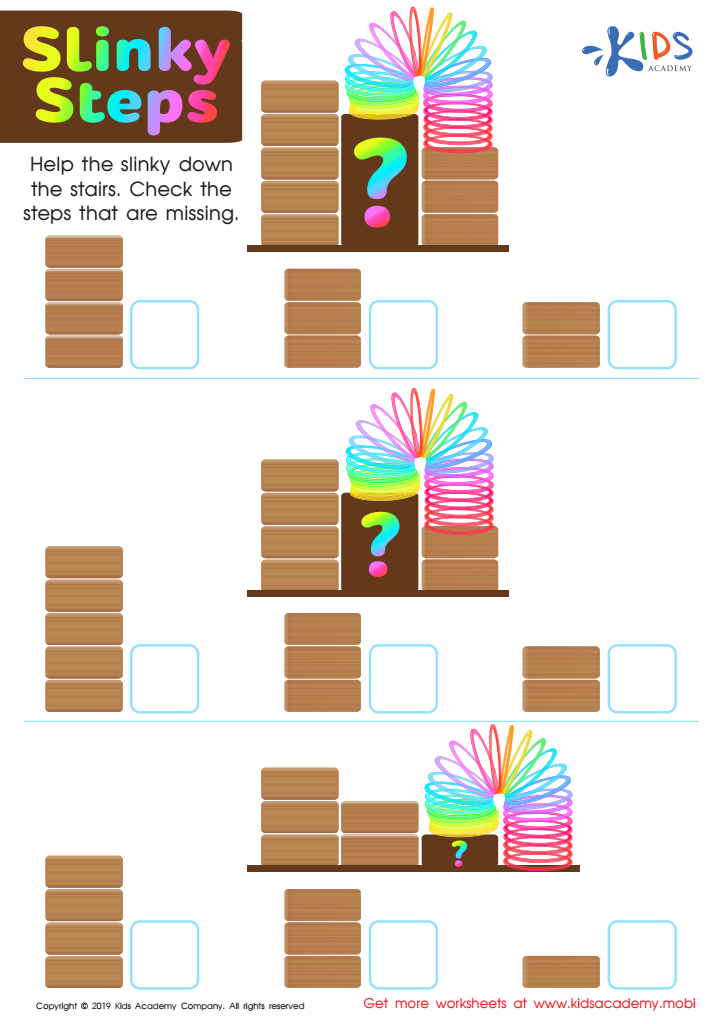
Slinky Steps Worksheet
Help your kids improve their counting and math skills with this fun worksheet! Challenge them to help the slinky make its way down the stairs by selecting and checking the missing steps. Your assistance is key - get the printout and let them practice. It's the best way to becoming better in maths!
Slinky Steps Worksheet
Worksheet
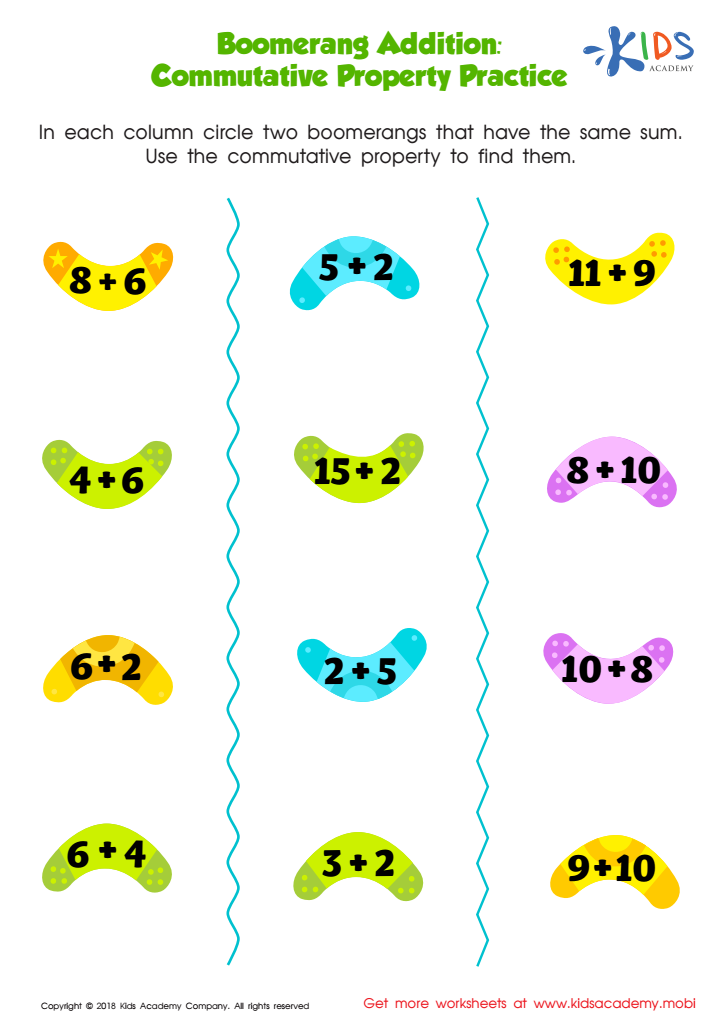
Boomerang Addition Worksheet
Kids know that when a boomerang is thrown, it reverses its path back. The same goes for addition: numbers can be rearranged and the sum will remain the same. Use this worksheet to find matching pairs of colorful boomerangs and equations. Look through each column and use the commutative property to find the pairs with the same sum.
Boomerang Addition Worksheet
Worksheet
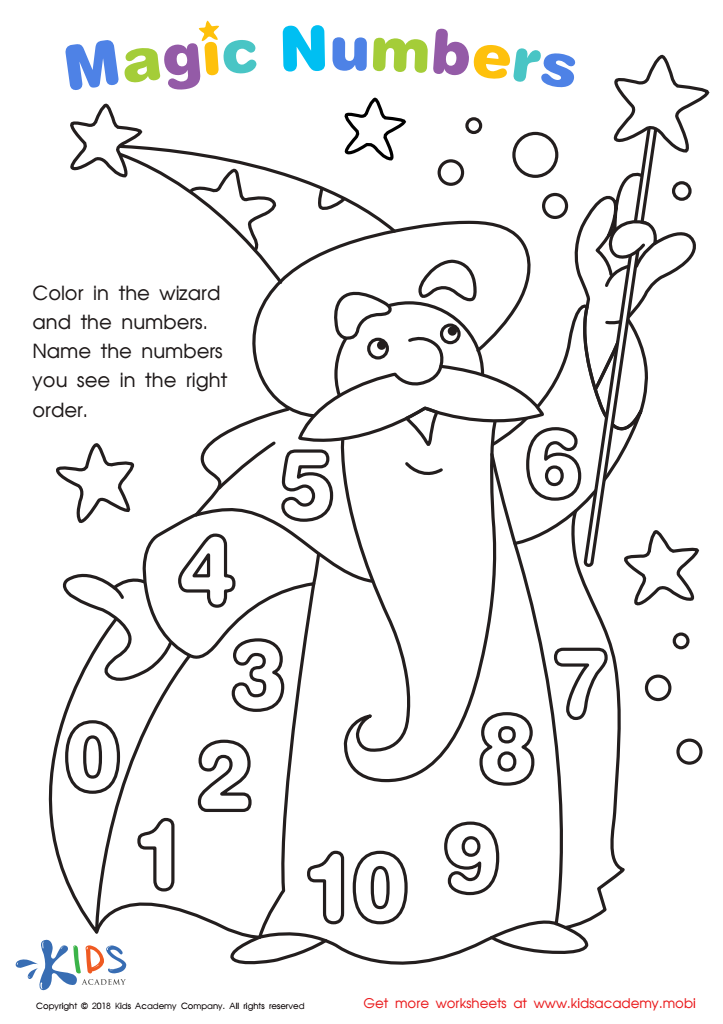
Magic Numbers Worksheet
Does your child have an interest in magic? Here's something they'll love - a coloring sheet featuring a wizard! Ask them to name the numbers from smallest to highest, then let them pick colors to color in the wizard and the numbers. It's sure to excite them!
Download (PDF)
 Assign to My Students
Assign to My Students
Magic Numbers Worksheet
Worksheet
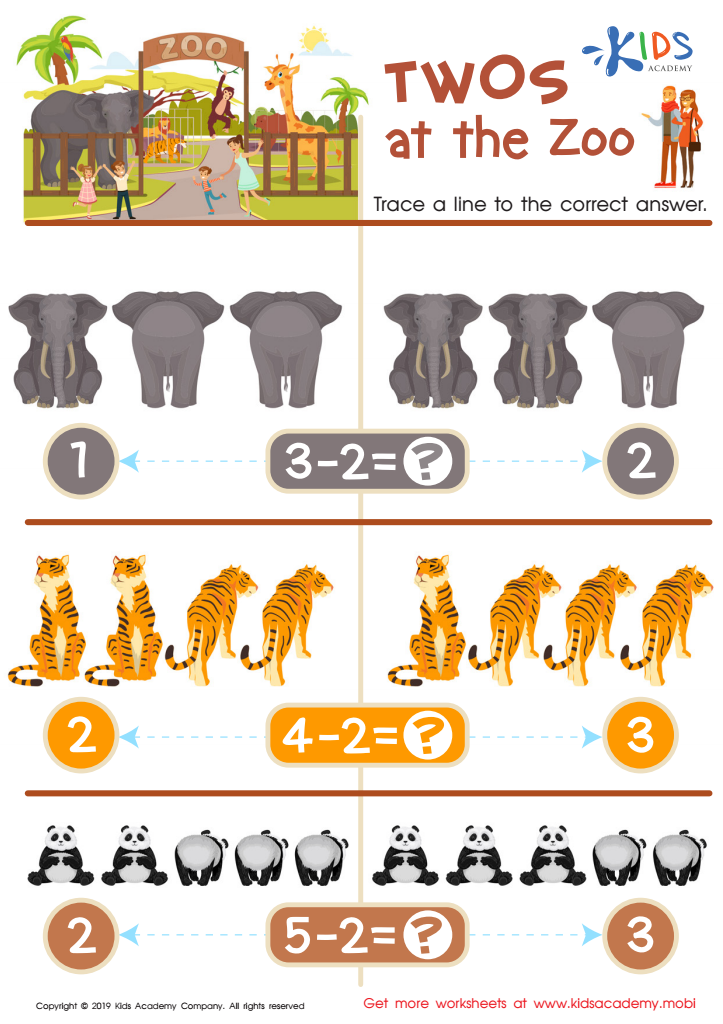
Twos at the Zoo Worksheet
At the zoo, your kids can have fun with animals. Ask them to name their favorite ones and identify them in the printout. Count animals in each group together, then help your kids solve the equations and trace a line to the answer. It's an enjoyable way to combine learning and exploration!
Twos at the Zoo Worksheet
Worksheet
Join Kids Academy for Free
Who is primarily going to use this learning content?




.jpg)



Understanding patterns is crucial for children ages 5-6 because it lays the foundation for essential cognitive and academic skills. At this age, recognizing and creating patterns helps improve critical thinking and problem-solving abilities. These are the building blocks for more advanced mathematical concepts like addition, subtraction, and multiplication.
When children identify patterns, they develop the ability to predict what comes next, fostering logical thinking. This skill is not only fundamental in math but also in daily activities, language development, and science. For example, recognizing word patterns can help with reading fluency and spelling, while understanding natural patterns fosters scientific inquiry.
Engaging with patterns also enhances children's memory and attention to detail. This is because they must notice similarities, differences, and sequences, which trains their brain to organize and process information more efficiently.
Furthermore, pattern activities can be hands-on and fun, making learning enjoyable and keeping young learners engaged. For instance, using colored blocks, beads, or drawing sequences combines learning with playful activities, promoting both academic and social skills.
Overall, focusing on patterns helps children build a strong conceptual foundation, fostering a love for learning and preparing them for more complex subjects in future schooling.








