Hand-eye Coordination Logic and Early Math Worksheets for Ages 5-6
3 filtered results
-
From - To
Discover fun and engaging hand-eye coordination logic and early math worksheets tailored for children aged 5-6! Our collection helps preschoolers enhance their fine motor skills while developing foundational math concepts. Each worksheet is designed to captivate young learners with playful activities, such as sorting, matching, and counting, that promote both critical thinking and coordination. Complete with vibrant illustrations, these resources make learning enjoyable, ensuring children stay engaged while mastering essential skills. Perfect for homeschooling or supplemental practice, these worksheets build confidence and readiness for future math challenges. Explore our vibrant assortment today and support your child’s educational journey!
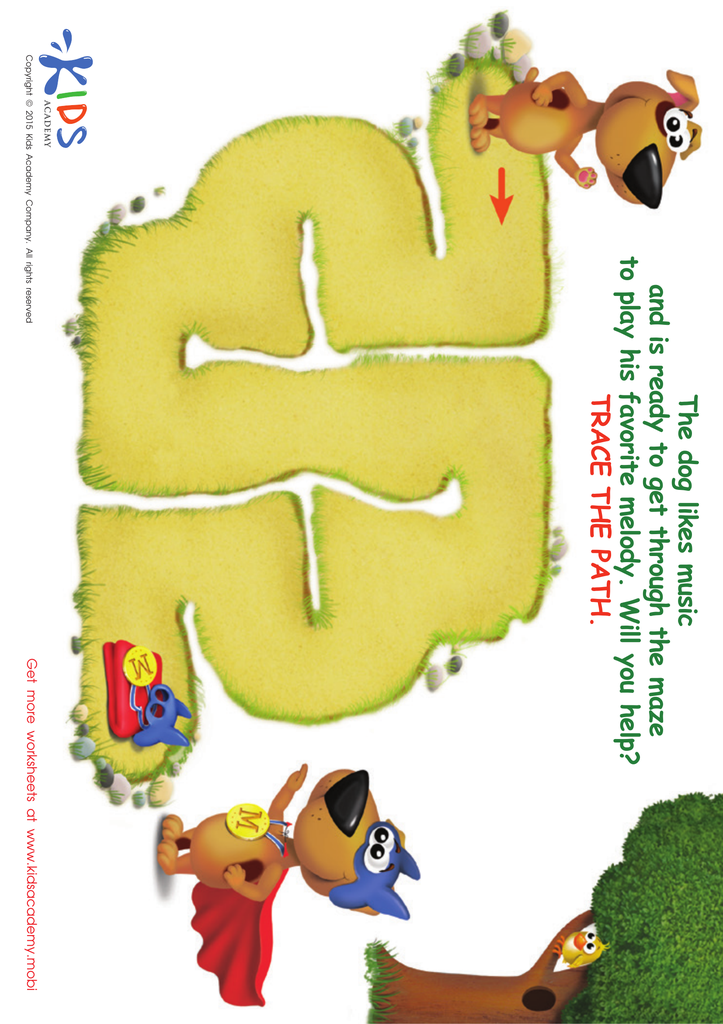
Superman Maze Worksheet
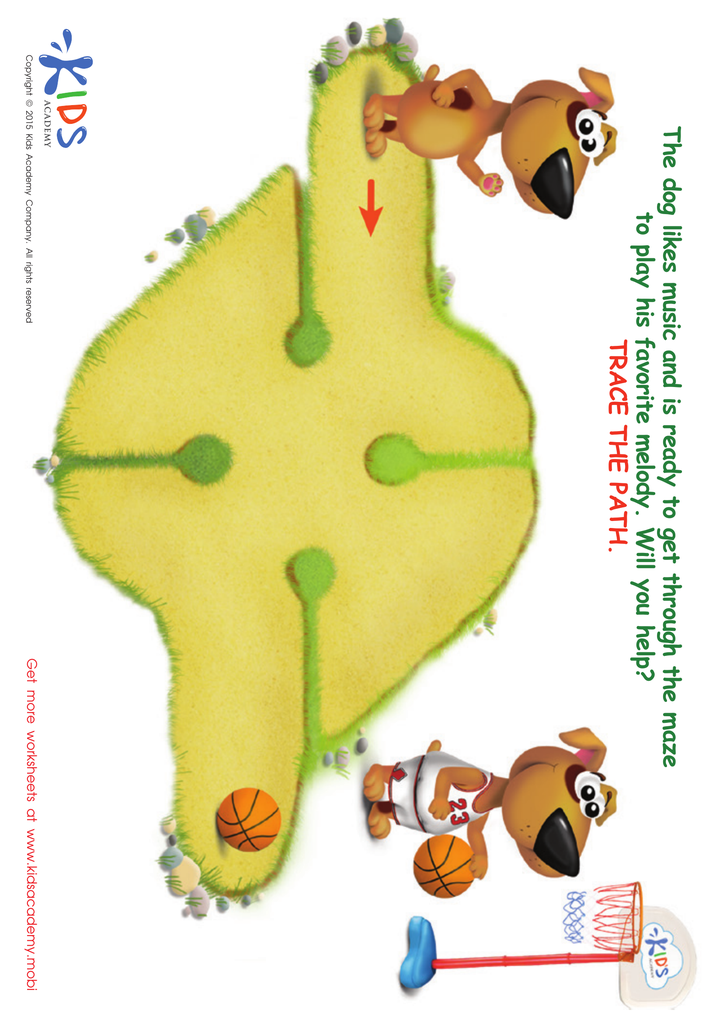
Basketball Player Maze Worksheet

Tennis Player Maze Worksheet








Hand-eye coordination and early math skills are integral components of a child's development, particularly for those aged 5-6 years. Parents and teachers should prioritize these areas for several reasons. First, hand-eye coordination is essential for various daily tasks, from writing and drawing to engaging in sports. It forms the basis for fine motor skills, which children need as they advance in their education.
Early math skills, such as counting, recognizing patterns, and understanding basic shapes, lay the groundwork for future mathematical understanding. Children begin developing critical thinking skills when they engage in activities that combine these two areas, allowing them to solve problems creatively and effectively.
Moreover, activities that enhance hand-eye coordination can support math learning, as many require counting, measuring, or spatial awareness. Encouraging play that integrates both skills helps children build confidence and fosters a love for learning, making them more willing to tackle complex subjects later.
By emphasizing hand-eye coordination and early math, parents and teachers cultivate an engaging learning environment that nurtures holistic development, critical thinking, and problem-solving skills, setting a strong foundation for future academic success. In summary, these abilities promote dexterity in both practical and cognitive tasks, essential for lifelong learning.