Shape Recognition 2D Shapes Worksheets for Ages 5-6 - Page 2
32 filtered results
-
From - To
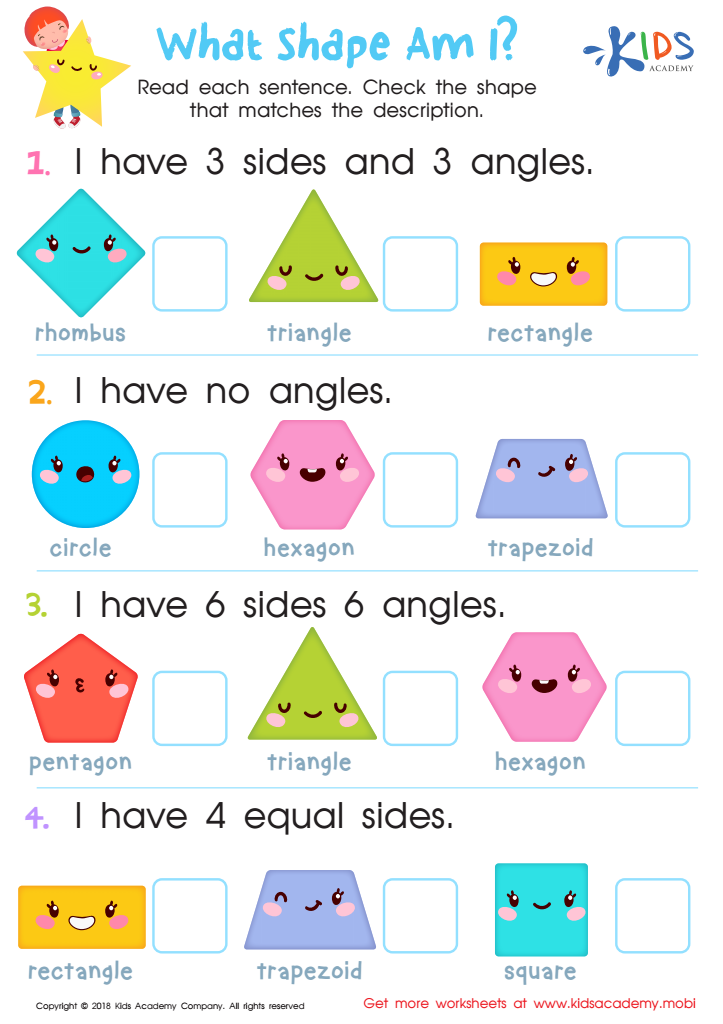
What Shape Am I? Worksheet
 Assign to My Students











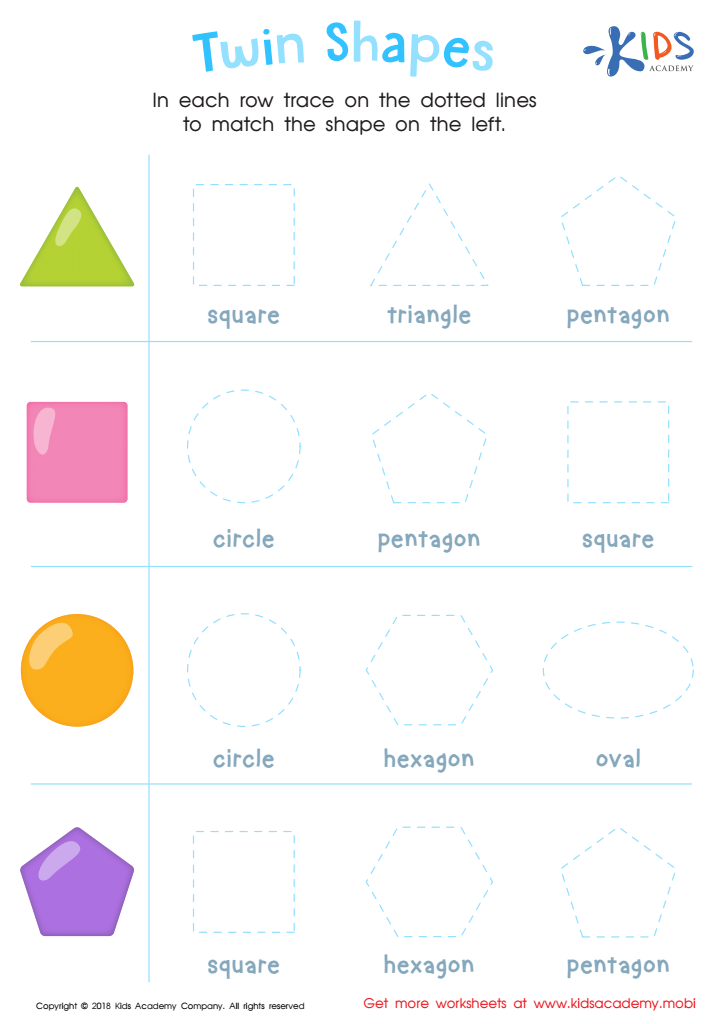
Twin Shapes Dot-to-Dot Worksheet
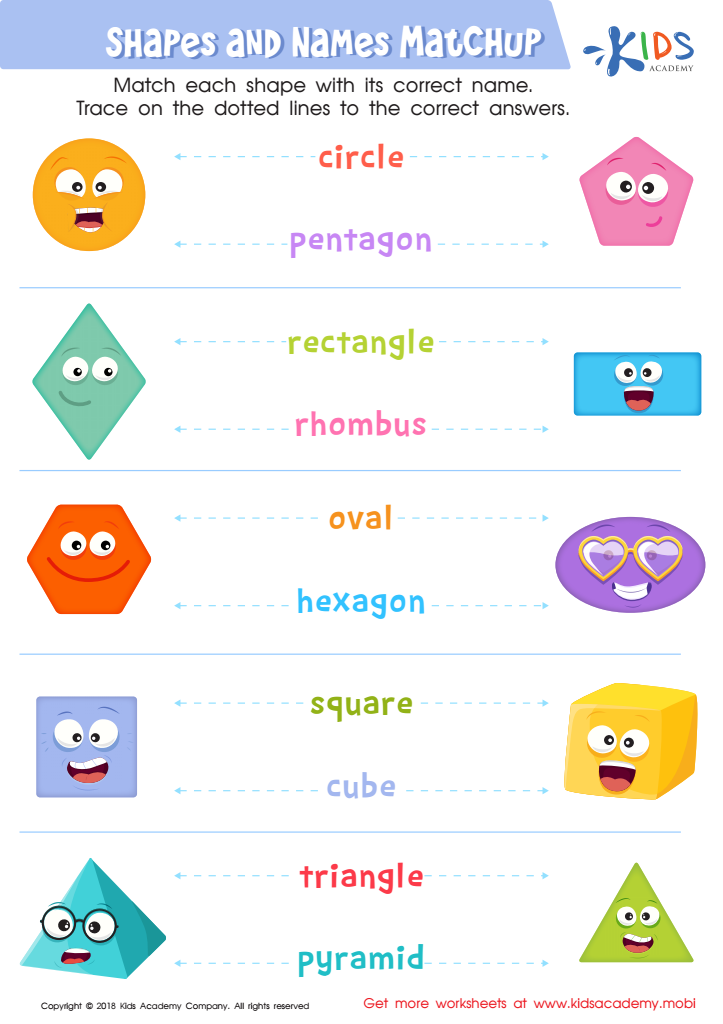
Shapes and Names Matchup Worksheet
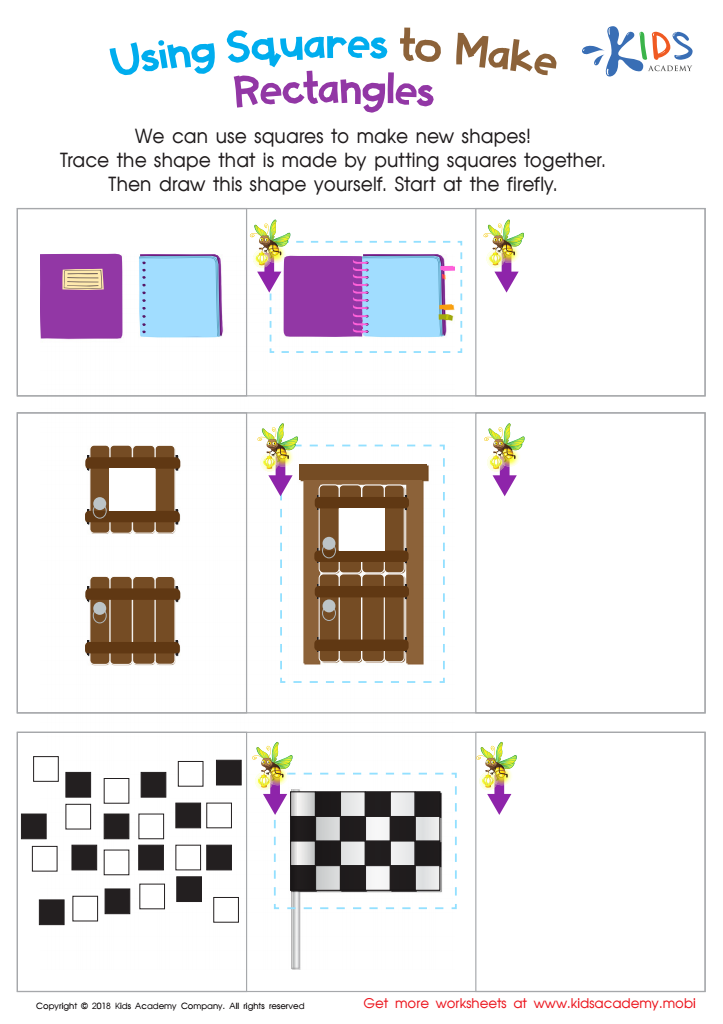
Using Squares to Make Rectangles Worksheet
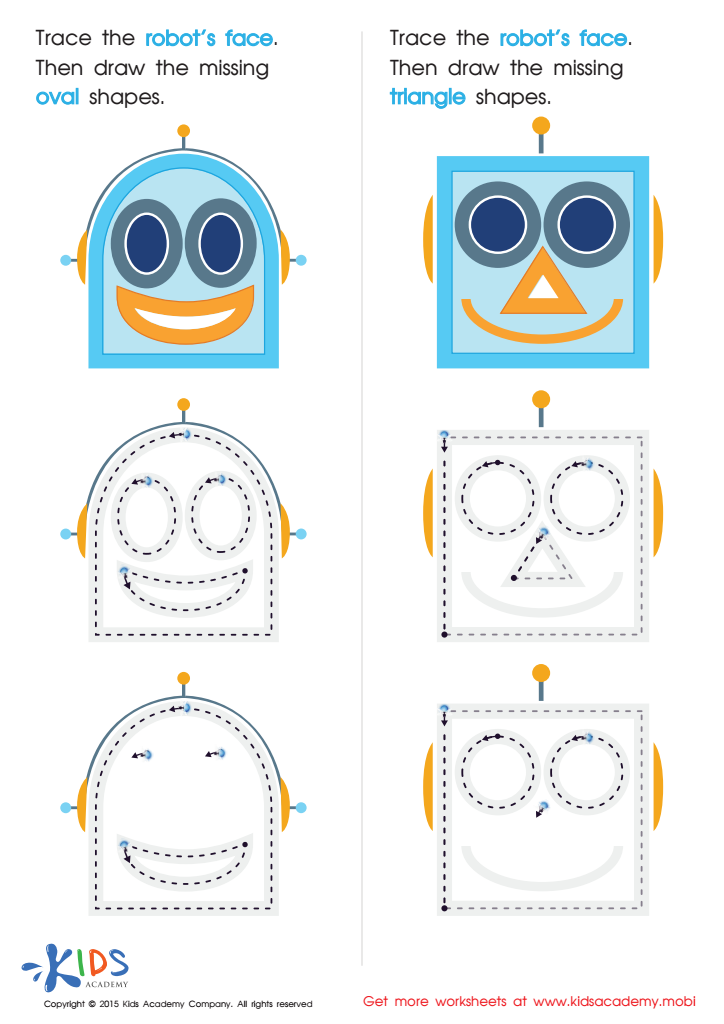
Drawing Ovals And Triangles with Fun Printable
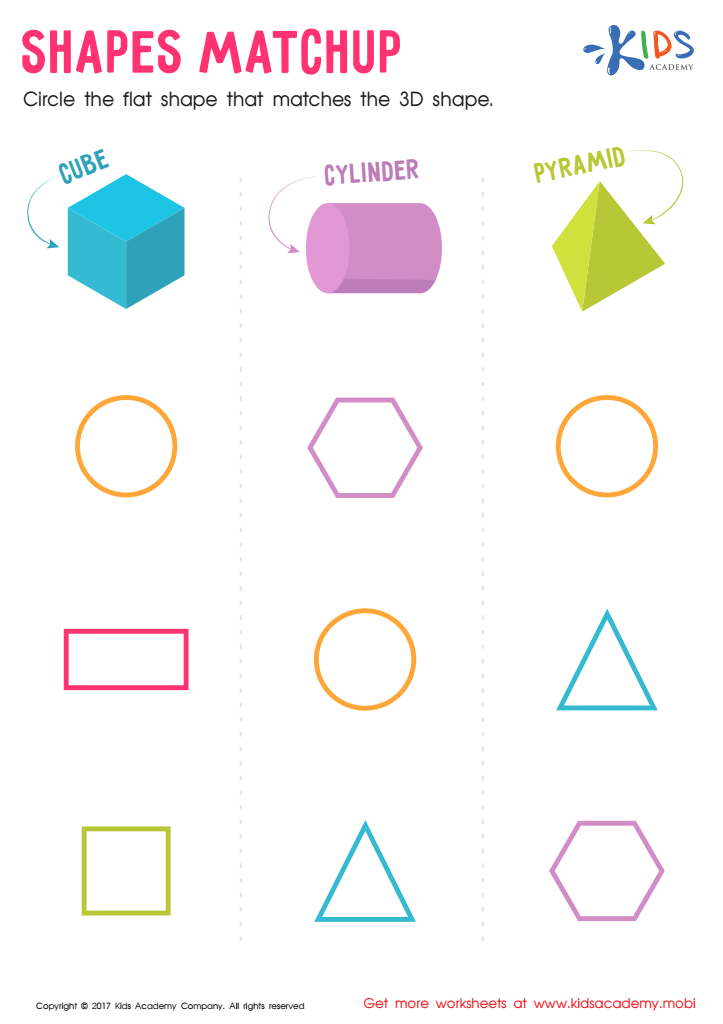
Shapes Matchup Worksheet
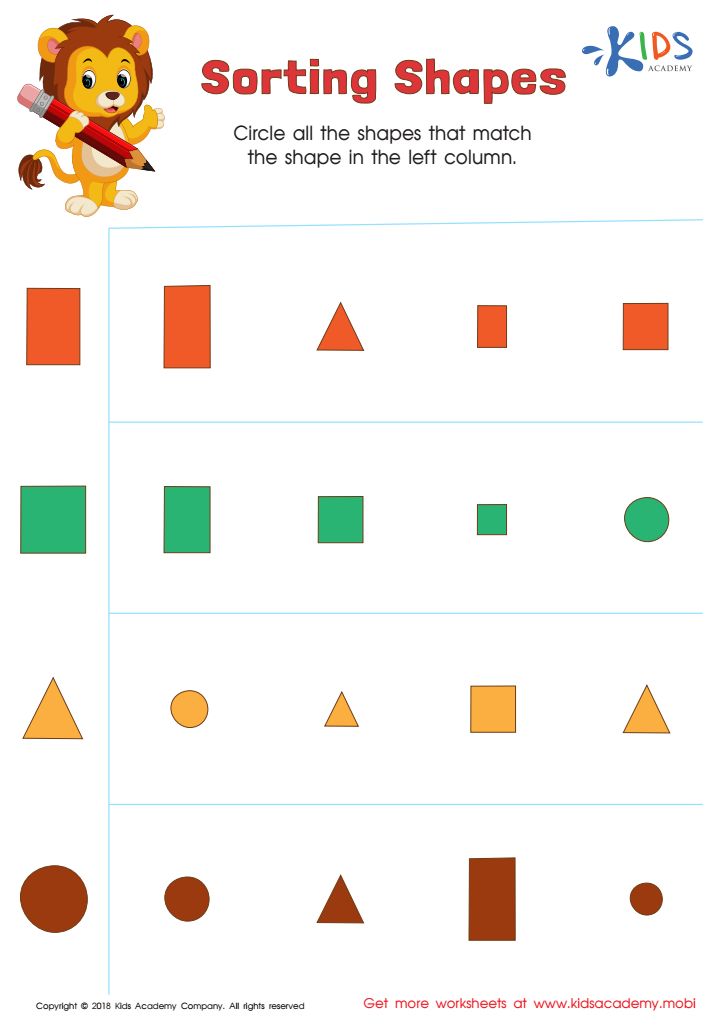
Sorting Shapes - Part 2 Worksheet
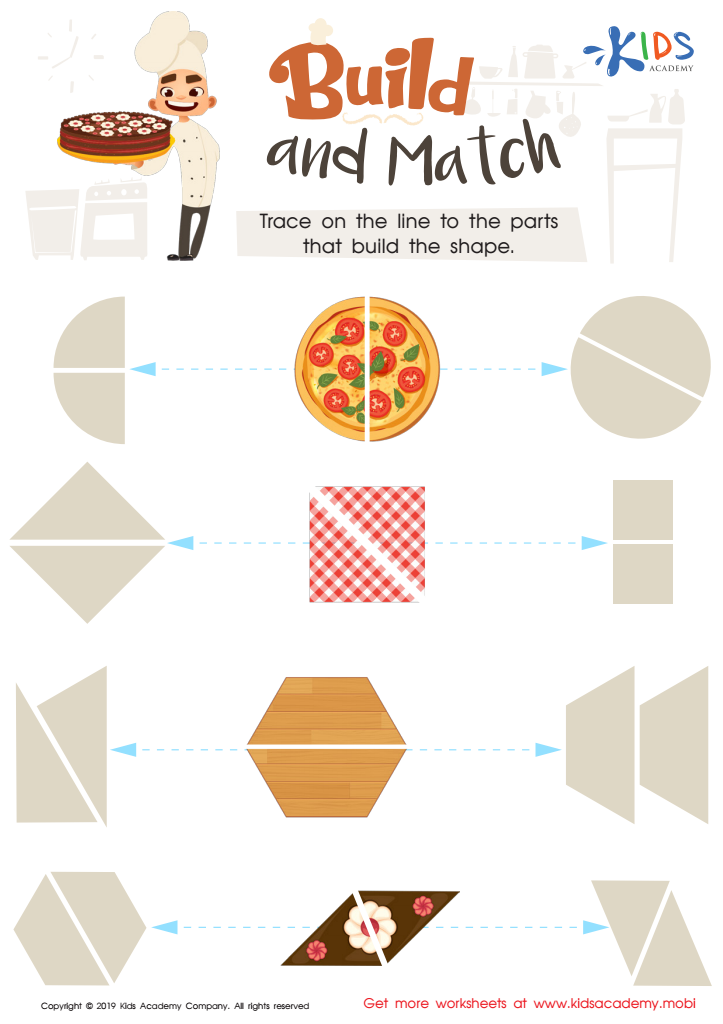
Build and Match Worksheet








Shape recognition of 2D shapes is crucial for children aged 5-6 as it lays the foundation for numerous essential cognitive and motor skills. During these early years, learning to identify and differentiate shapes—such as circles, squares, triangles, and rectangles—supports a child's understanding of geometry and spatial awareness. Recognizing shapes aids in developing perceptual reasoning by helping kids observe and interpret the world around them. It teaches them to notice patterns, an ability crucial for both academic success and everyday problem-solving.
Moreover, shape recognition is a key stepping-stone for early math skills. When children manipulate and sort various shapes, they grasp concepts such as numbers, counting, and even basic operations like addition and subtraction through recognition of patterns and symmetry. These activities also promote fine motor skills as children draw, trace, and color shapes.
Incorporating shape recognition into the curriculum at this developmental stage sparks curiosity and fosters a love for learning. Activities involving shapes are often engaging, creative, and hands-on, which can enhance both concentration and memory. Such foundational skills will not only aid in subject-specific learning but will also build confidence and set a positive precedent for future academic endeavors. Parents and teachers who prioritize shape recognition equip children with the tools they need for holistic development.