Understanding numeracy Addition & Subtraction Worksheets for Ages 5-6
4 filtered results
-
From - To
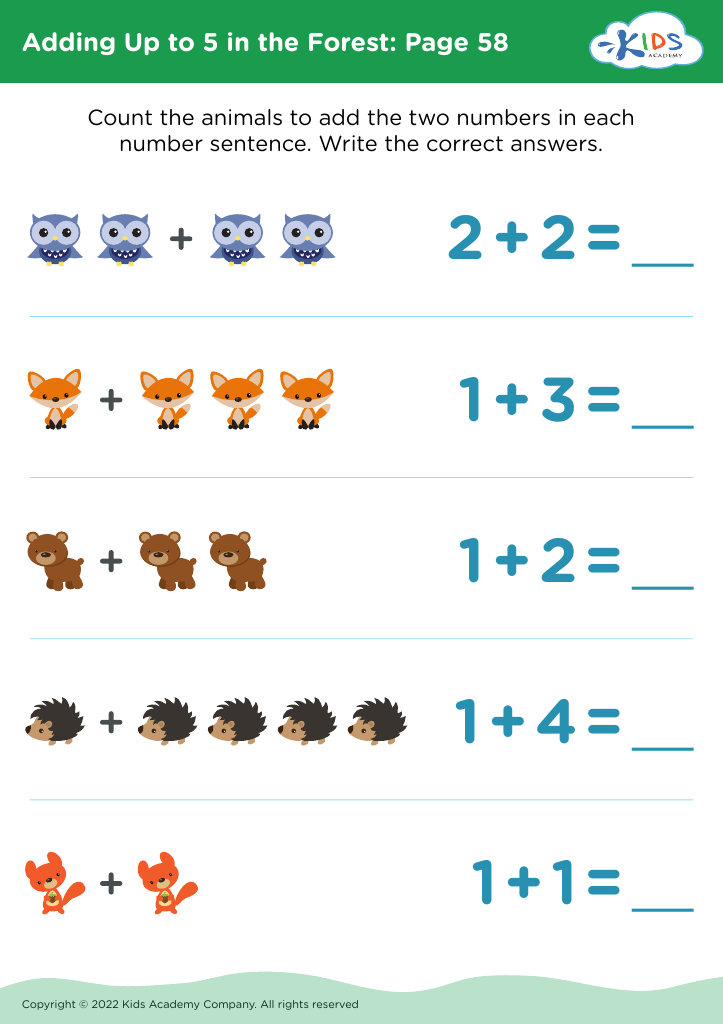
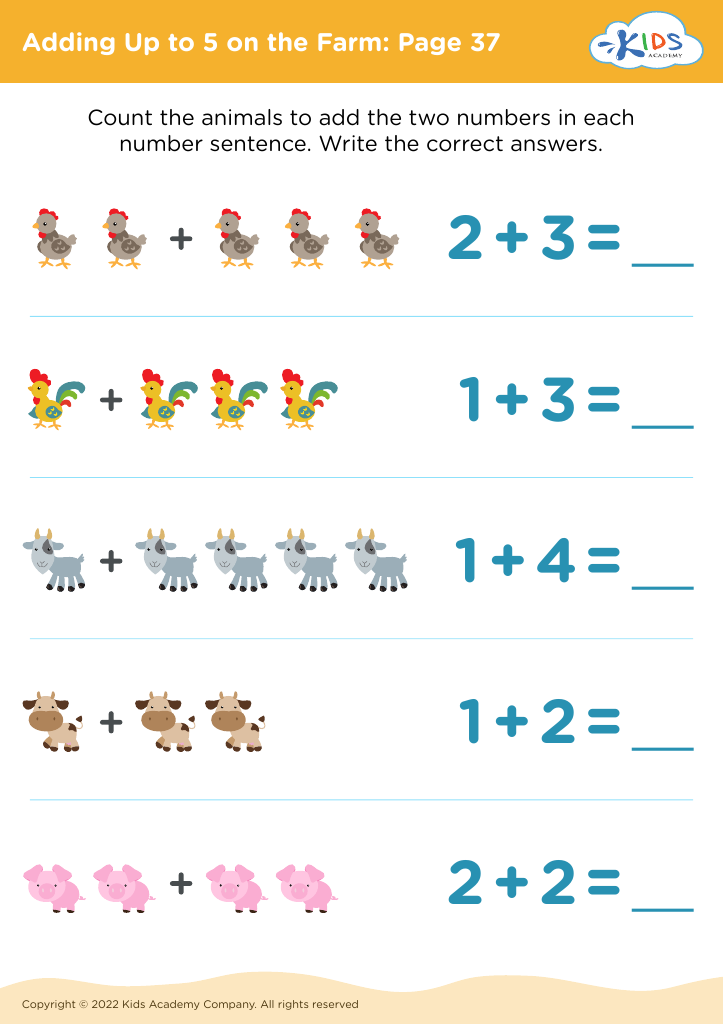
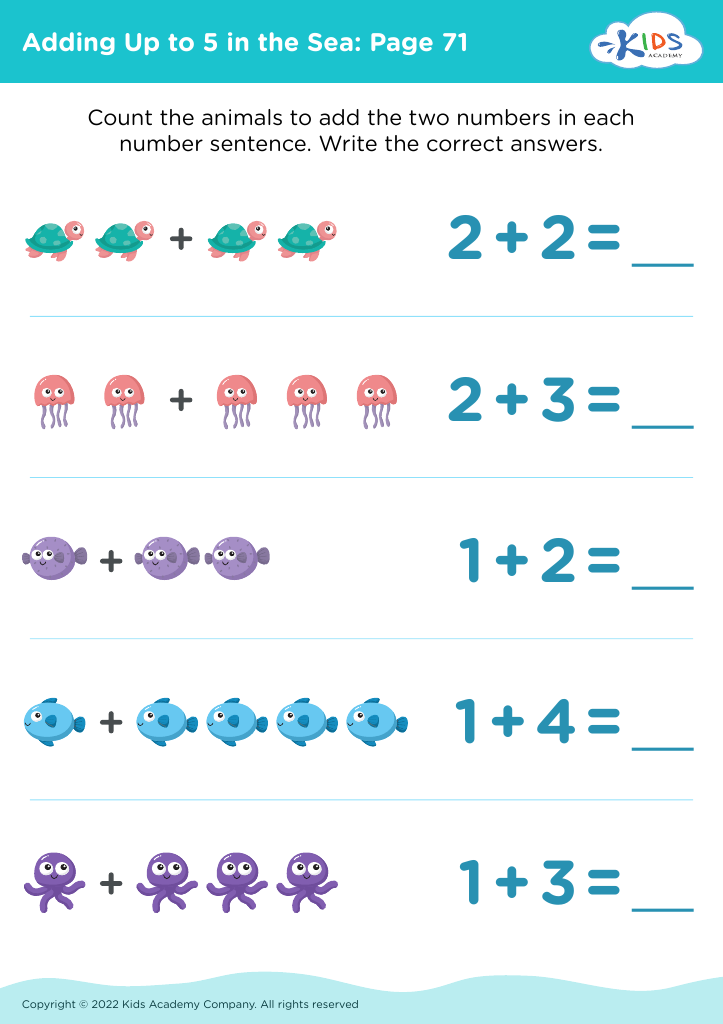
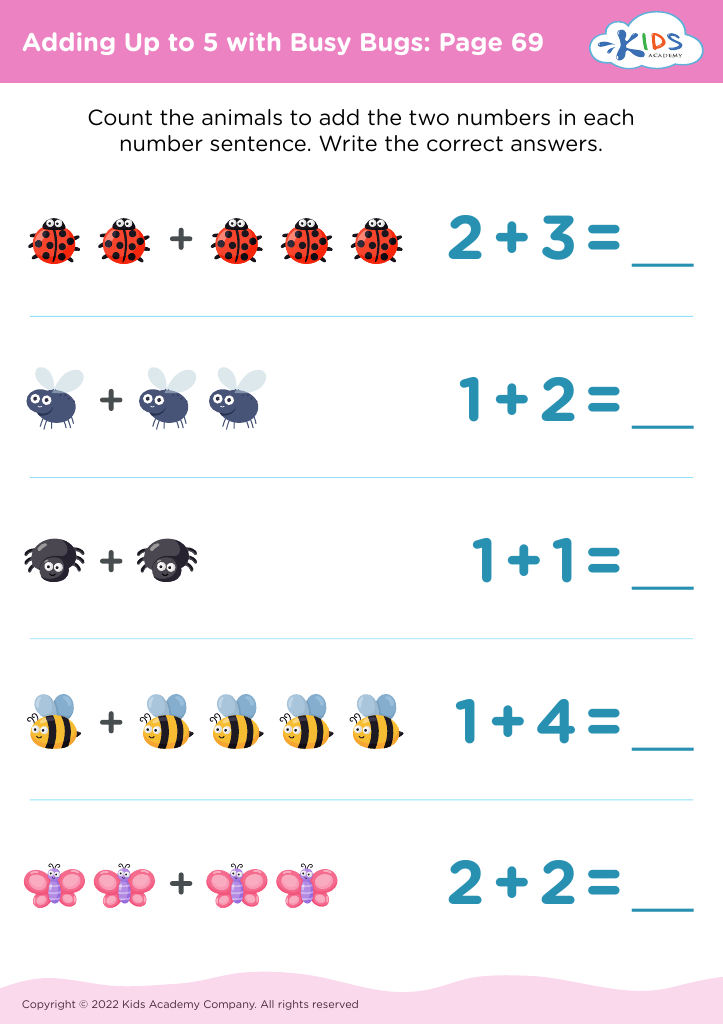
Introducing "Understanding Numeracy: Addition & Subtraction Worksheets for Ages 5-6" from Kids Academy! These expertly crafted, fun, and engaging worksheets are perfect for helping young learners build a strong foundation in basic math skills. Designed specifically for children ages 5-6, each worksheet focuses on enhancing their understanding of addition and subtraction through interactive activities. With bright visuals and age-appropriate challenges, kids will enjoy learning while practicing their numeracy skills. Equip your child with the tools they need for math success and boost their confidence with our dynamic worksheets. Explore the potential of early math mastery today!








Understanding numeracy, including addition and subtraction, is crucial for children aged 5-6 because it lays a strong foundation for their overall mathematical development. At this early stage, young learners are developing cognitive skills that enable them to understand and manipulate numbers, which are essential for solving everyday problems and future academic success.
For parents and teachers, fostering a solid grasp of numeracy in these formative years helps children build confidence in their abilities and promotes a positive attitude towards learning math. When children successfully perform basic addition and subtraction, they experience a sense of accomplishment that motivates them to tackle more complex mathematical concepts.
Moreover, early numeracy skills are interconnected with other areas of development. By engaging in addition and subtraction, children enhance their problem-solving abilities, logical thinking, and decision-making processes. These activities also support fine motor skills through the use of manipulatives, such as counting blocks or beads, and improve their capacity for concentration and memory retention.
A strong understanding of numeracy contributes to academic achievements beyond just math class. It cultivates a child's ability to grasp rules, patterns, and structures, all of which are beneficial in subjects like science, reading, and even arts. Therefore, parents and teachers who prioritize numeracy give children the tools they need for a lifetime of academic and personal success.








