
Visual perception Addition & Subtraction Worksheets for Ages 5-6
14 filtered results
Difficulty Level
Grade
Age
-
From - To
Subject
Activity
Standards
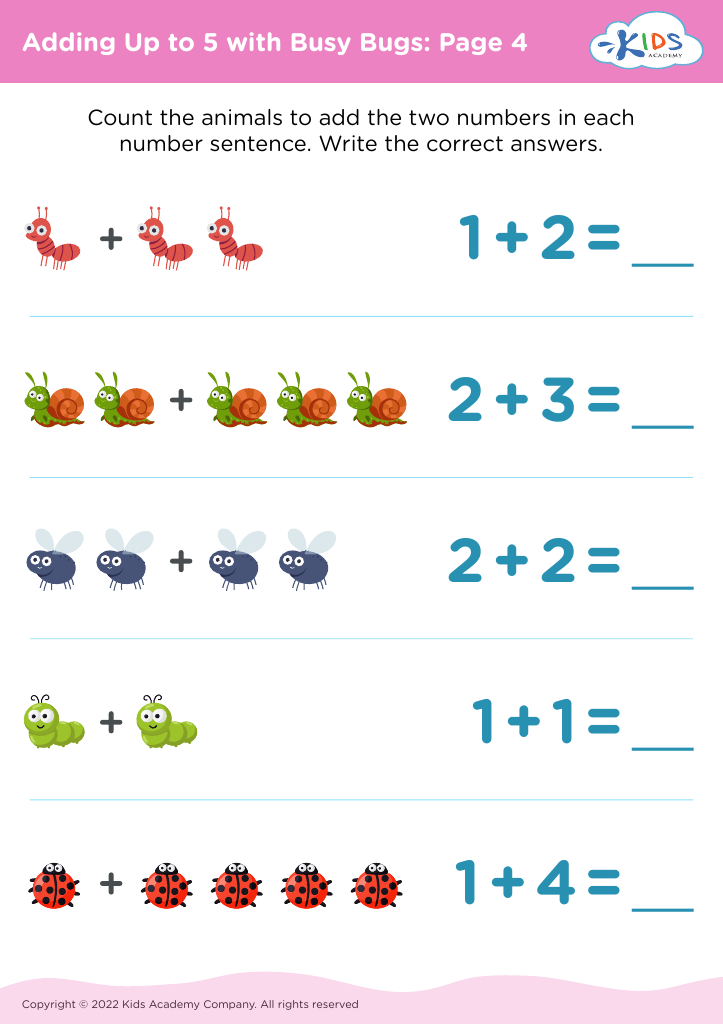
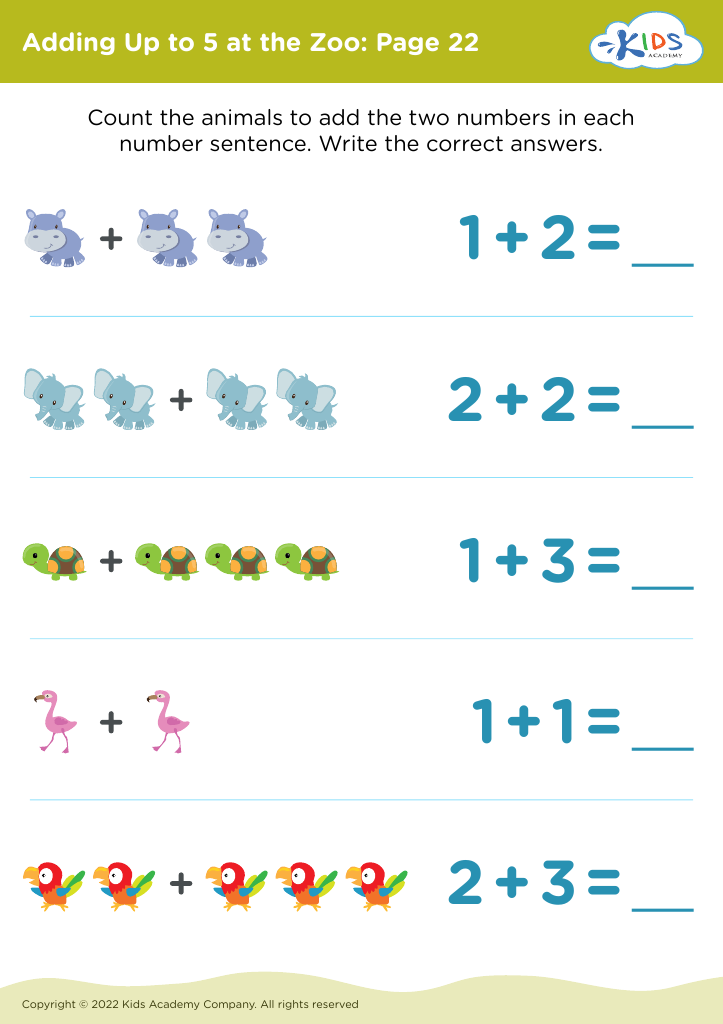
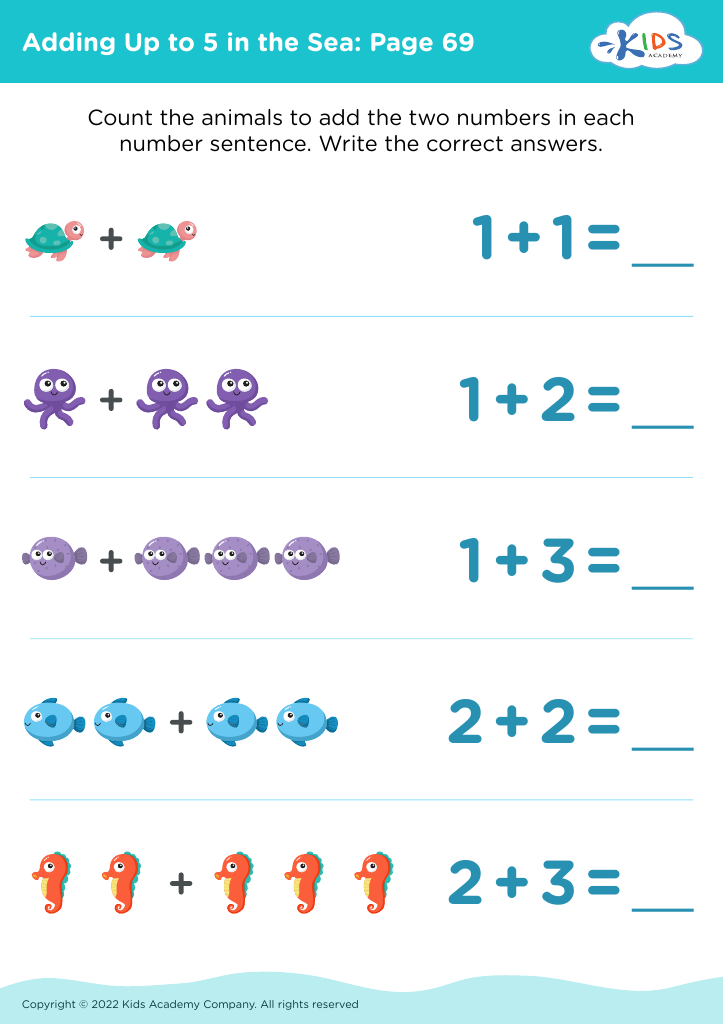
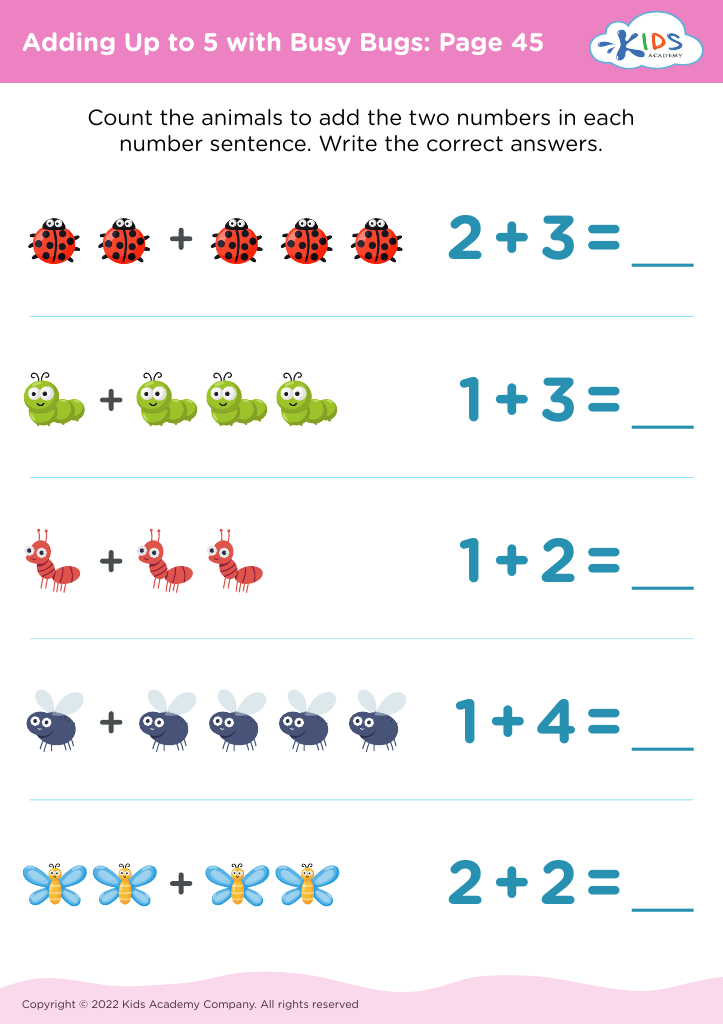
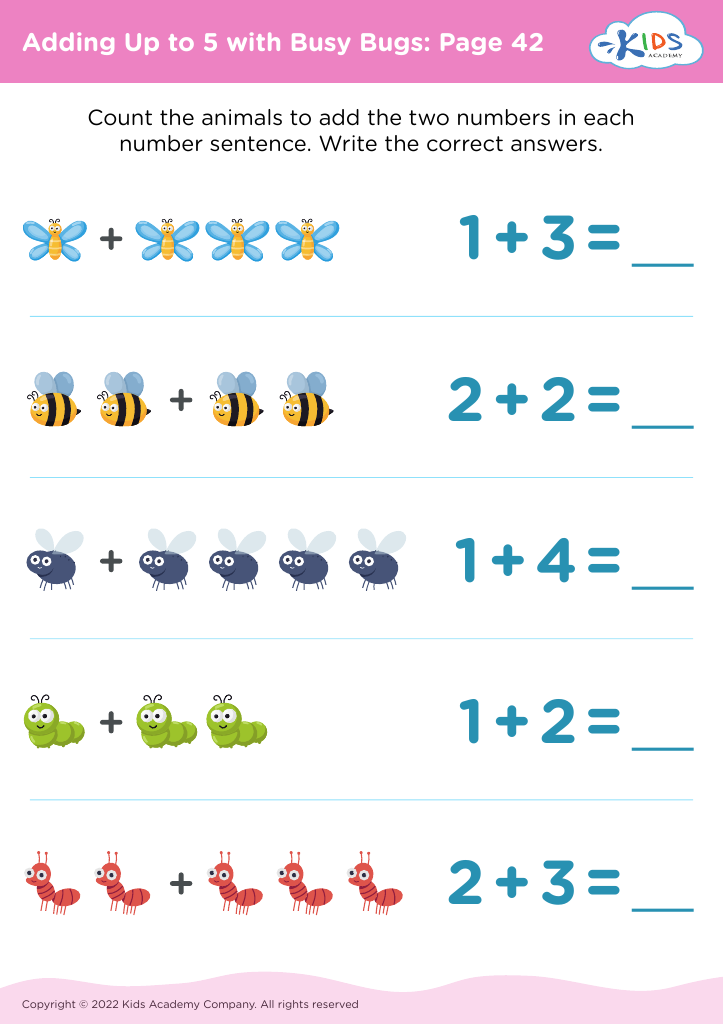
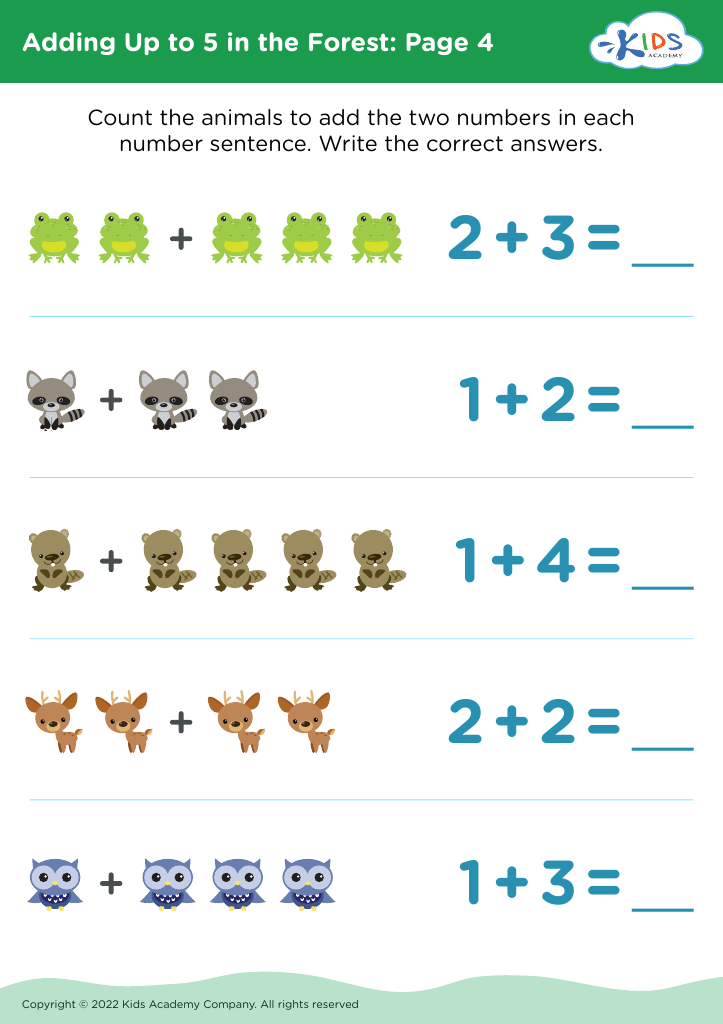
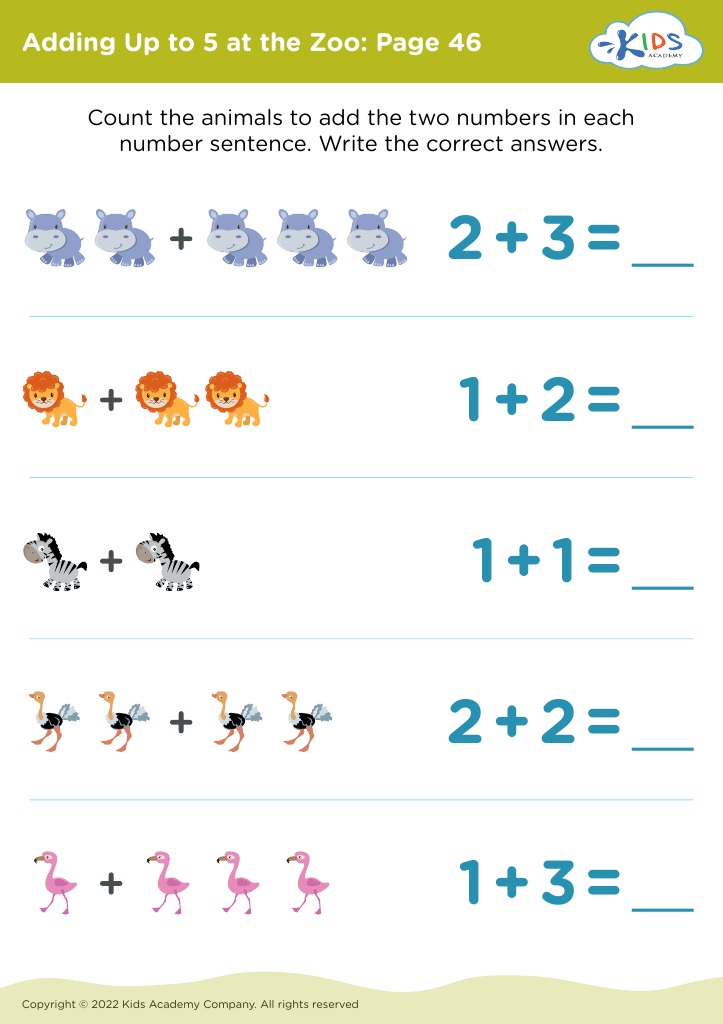
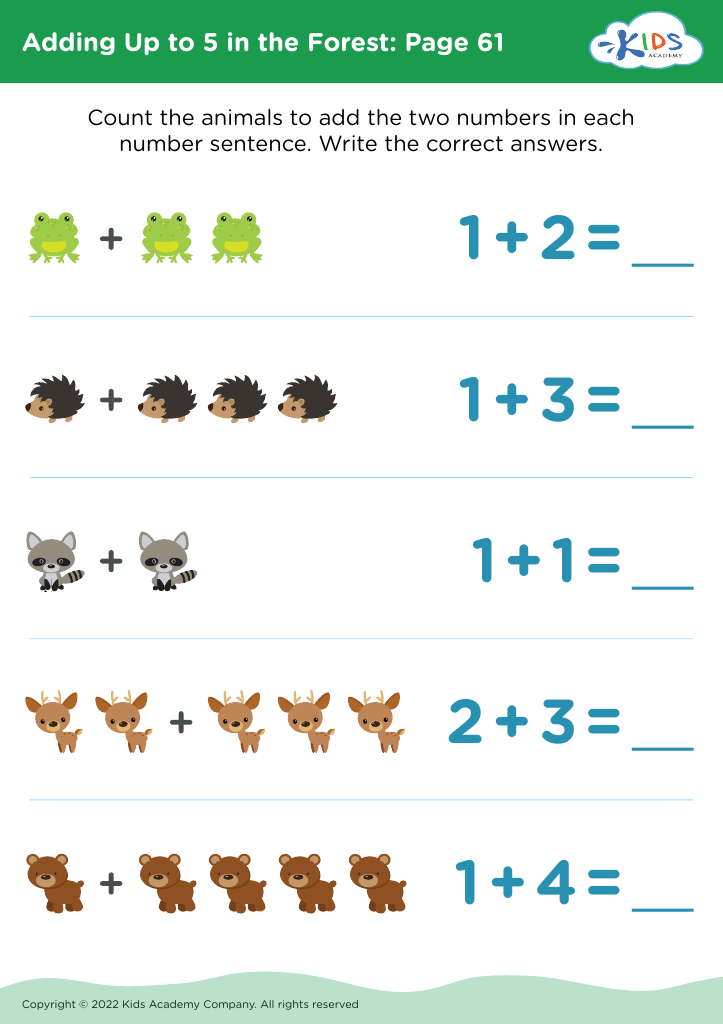
Discover our engaging Visual Perception Addition & Subtraction Worksheets for children ages 5-6. These educational resources are specifically crafted to develop your child's math skills while enhancing their visual perception. Through a series of fun and interactive activities, including vibrant illustrations and diverse exercises, young learners can effortlessly practice basic addition and subtraction. Designed by educational experts, these worksheets aim to build a solid foundation in math, boost cognitive development, and increase confidence in problem-solving. Perfect for classroom and home use, these printable worksheets make learning math an enjoyable adventure for your child!
Favorites
With answer key
Interactive
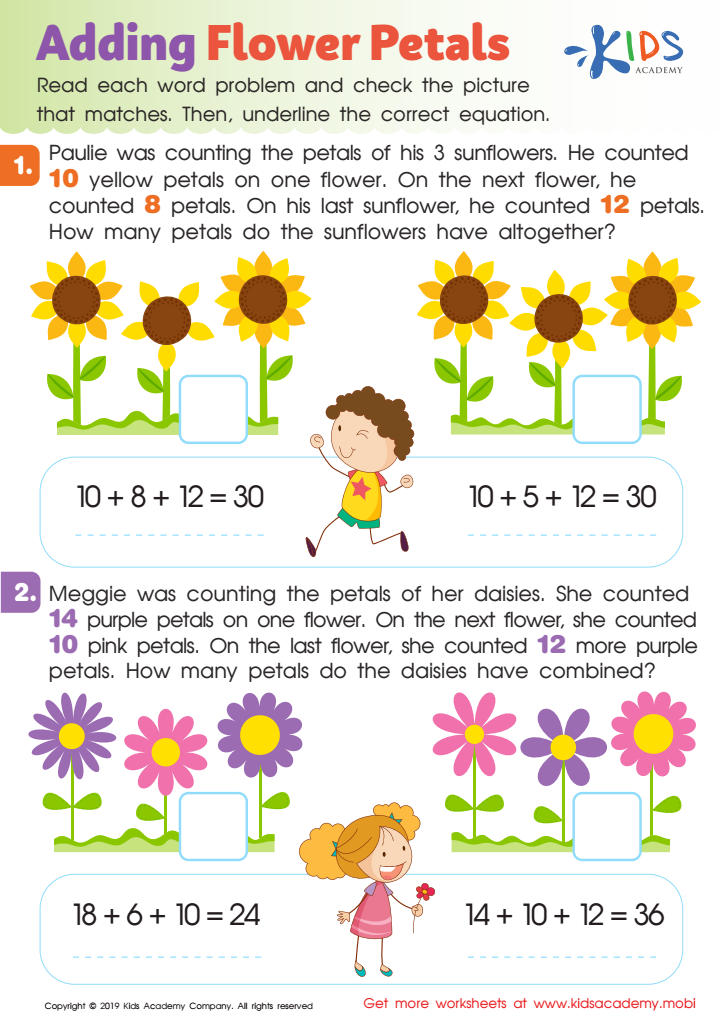
Adding Flower Petals Worksheet
This free worksheet helps little mathematicians learn to understand word problems. They'll read each one and match it to the corresponding picture. Important info is highlighted, teaching kids to look for key info when solving problems. Then they'll underline the correct number equation that matches the picture. A great way to practice problem-solving skills!
 Assign to My Students
Adding Flower Petals Worksheet
Worksheet
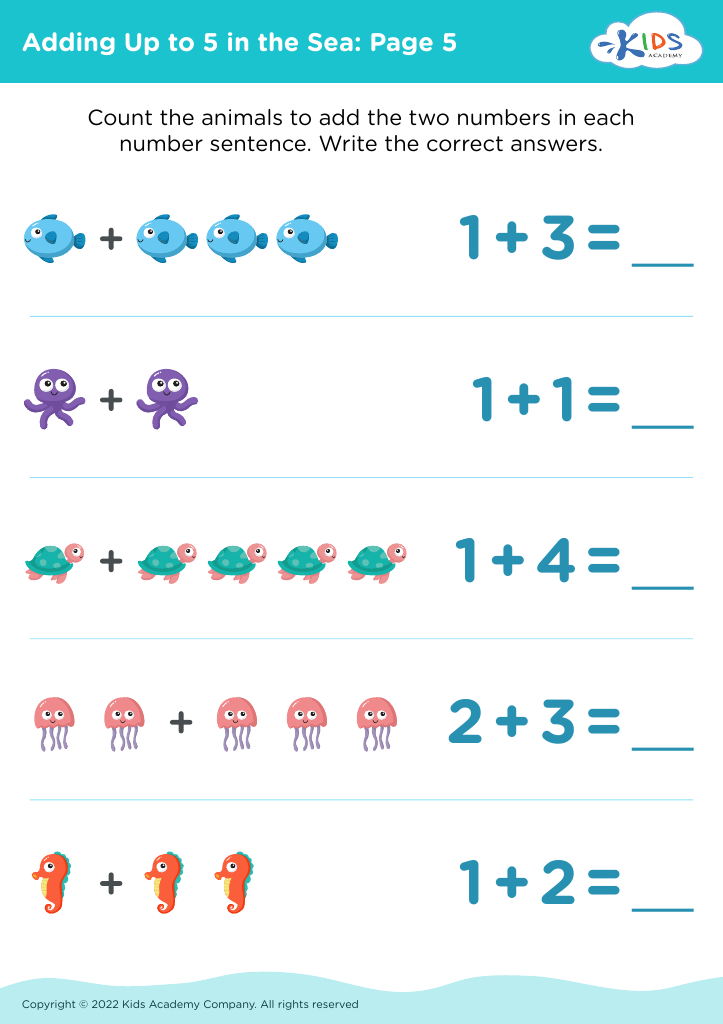
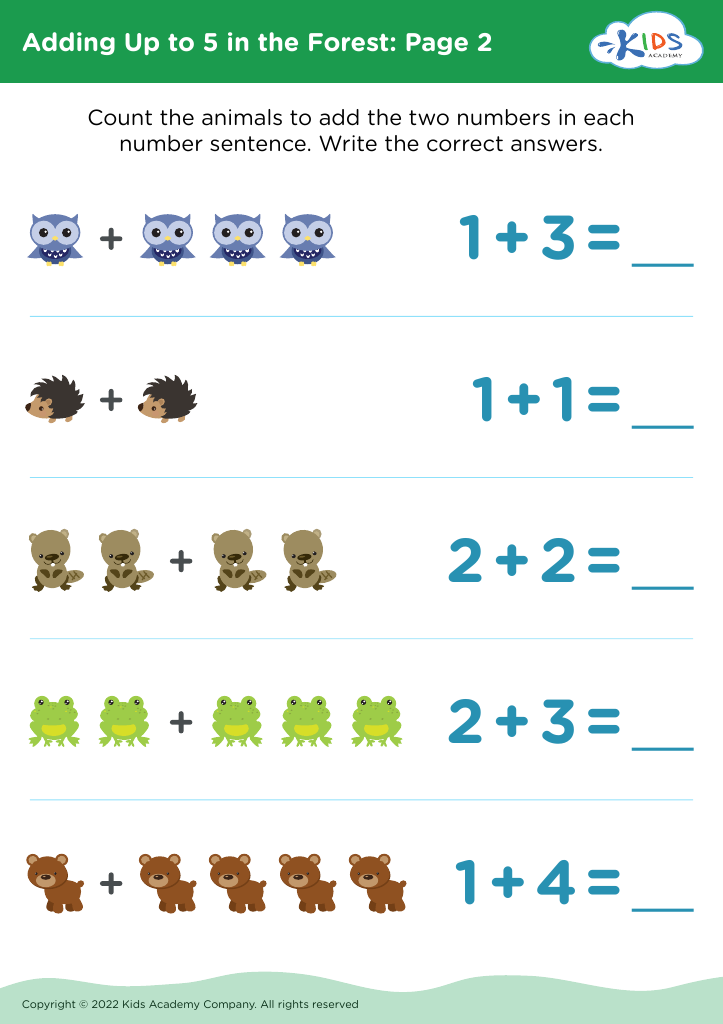
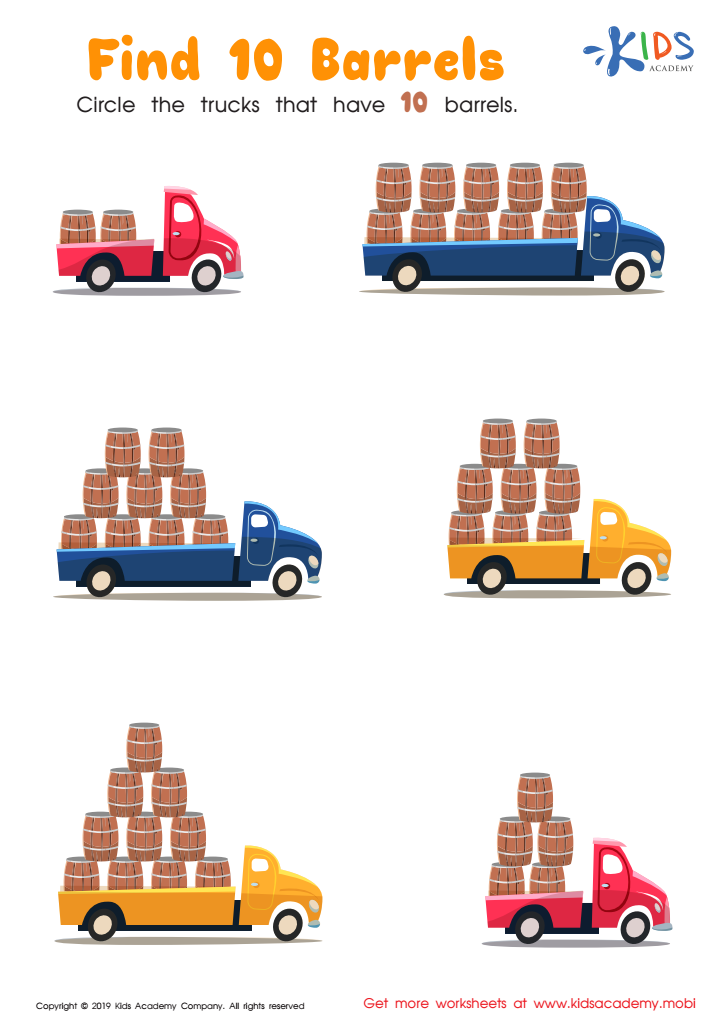
Find 10 Barrels Worksheet
Help your kids learn to count with 1, 2 and 3, then progress to tens and hundreds. Supplied with educational materials and colorful worksheets, they'll be counting as high as they can. Together, count the barrels on the trucks in the printout and encourage them to circle the ones with 10 barrels.
Find 10 Barrels Worksheet
Worksheet
Join Kids Academy for Free
Who is primarily going to use this learning content?








Visual perception in addition and subtraction for ages 5-6 is crucial for their cognitive and academic development. At this age, children are in the early stages of understanding numerical concepts and visual learning significantly aids this process. When parents and teachers emphasize visual strategies, such as using counting objects, visual aids, or number lines, they help children grasp the basic principles of addition and subtraction.
Visual perception methods enable young learners to see the relationships between numbers, making abstract concepts more concrete. For instance, when a child uses counters or blocks to physically add or remove items, they develop a tangible understanding of mathematical operations. This foundation fosters better problem-solving skills and reduces math anxiety in later years.
Moreover, working on visual perception in math encourages fine motor skills and the ability to process and organize visual information. It builds a stronger mental framework for future math learning, aiding in tasks like recognizing patterns and understanding spatial relationships.
By focusing on these methods, parents and teachers can help children build a strong mathematical foundation, set the stage for academic success, and foster a positive attitude towards math that can last a lifetime. Early interventions are essential because they shape how children perceive and approach learning challenges as they grow.








