Improving concentration Addition Worksheets for Ages 5-6
14 filtered results
-
From - To
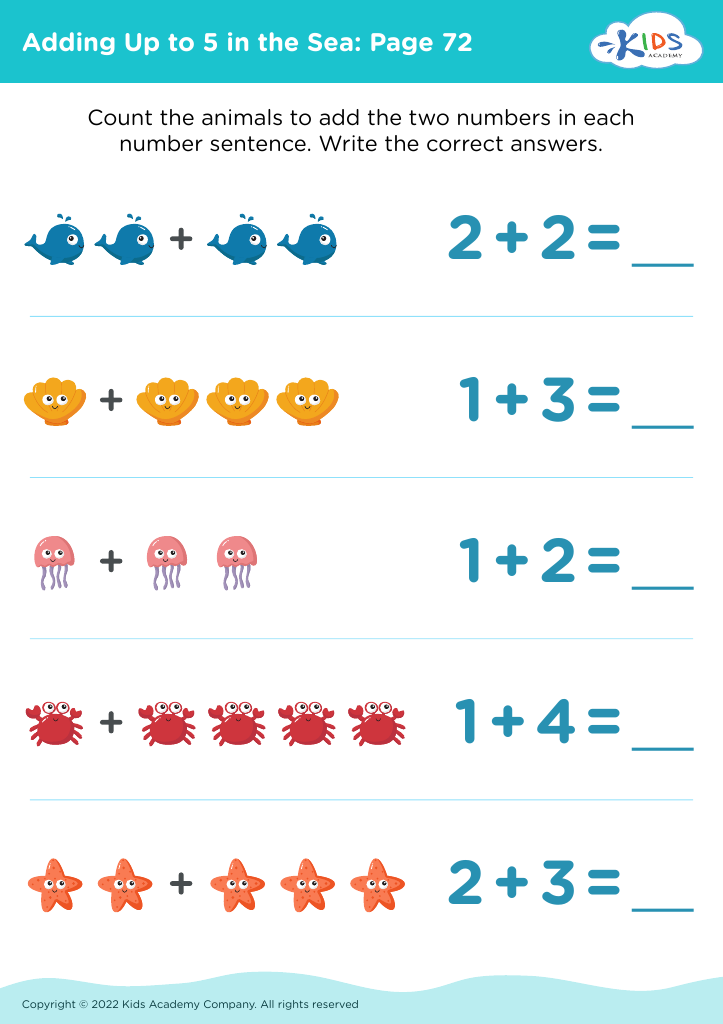
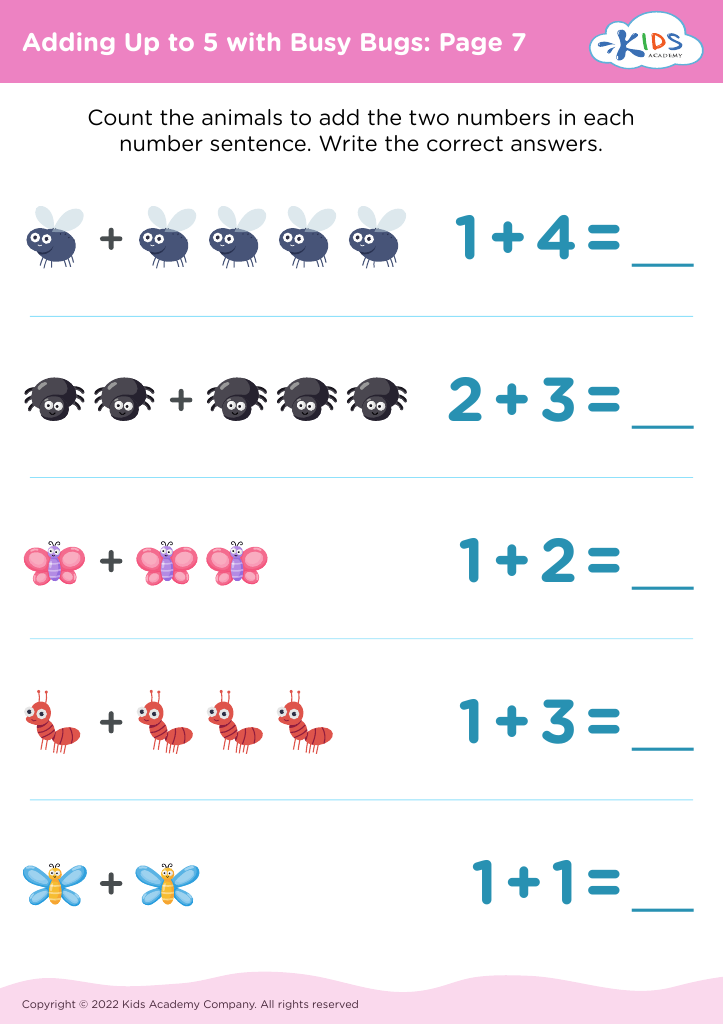
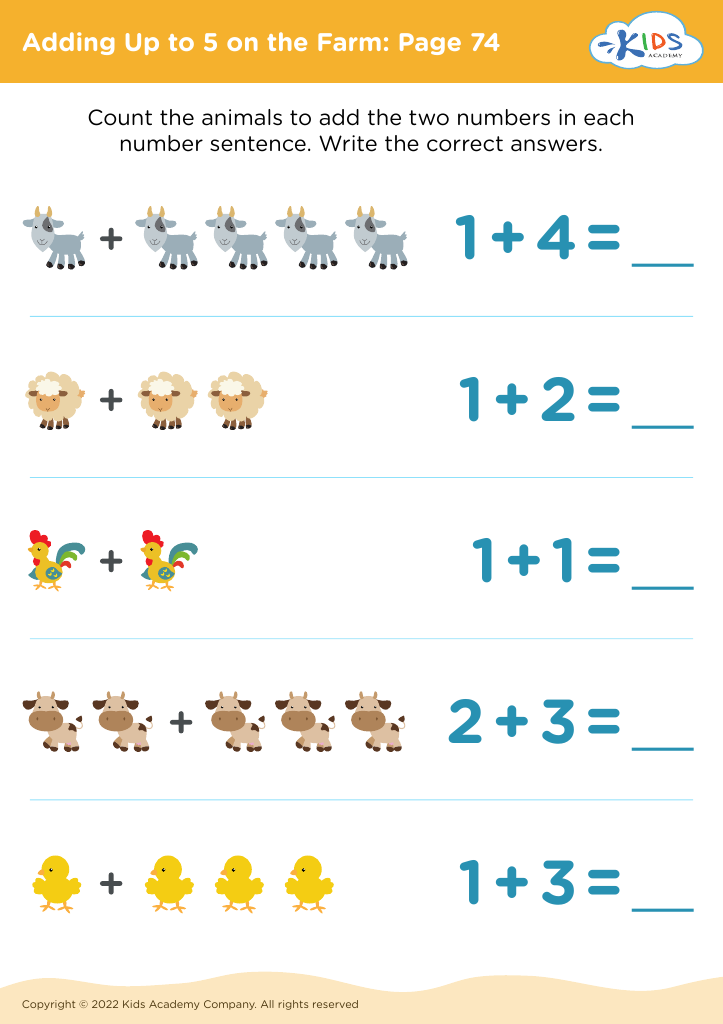
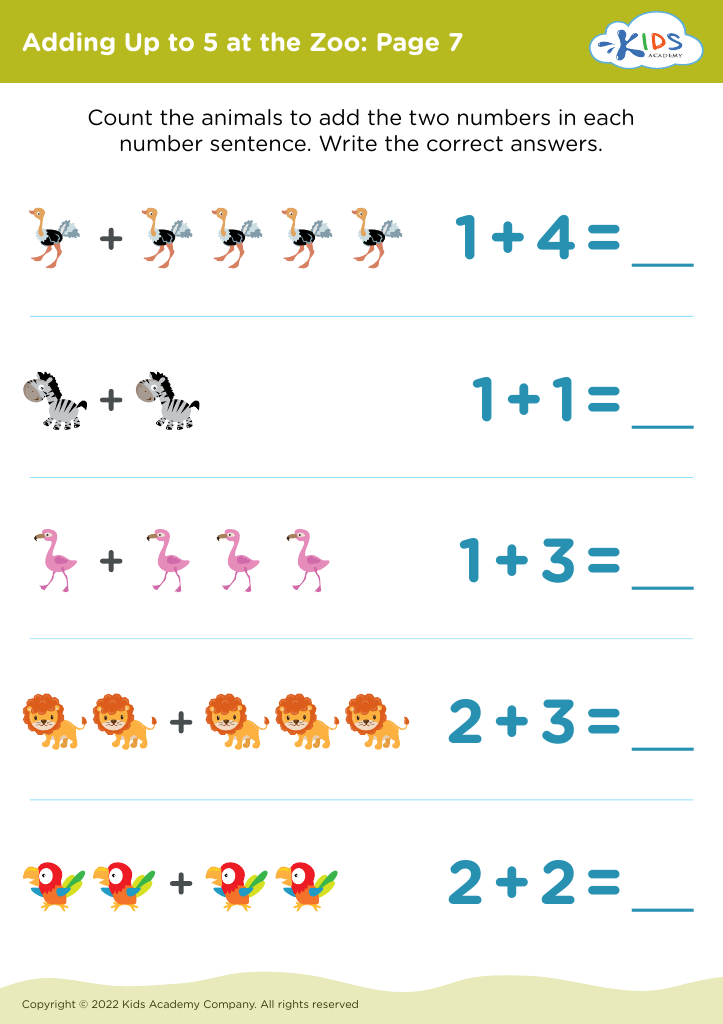
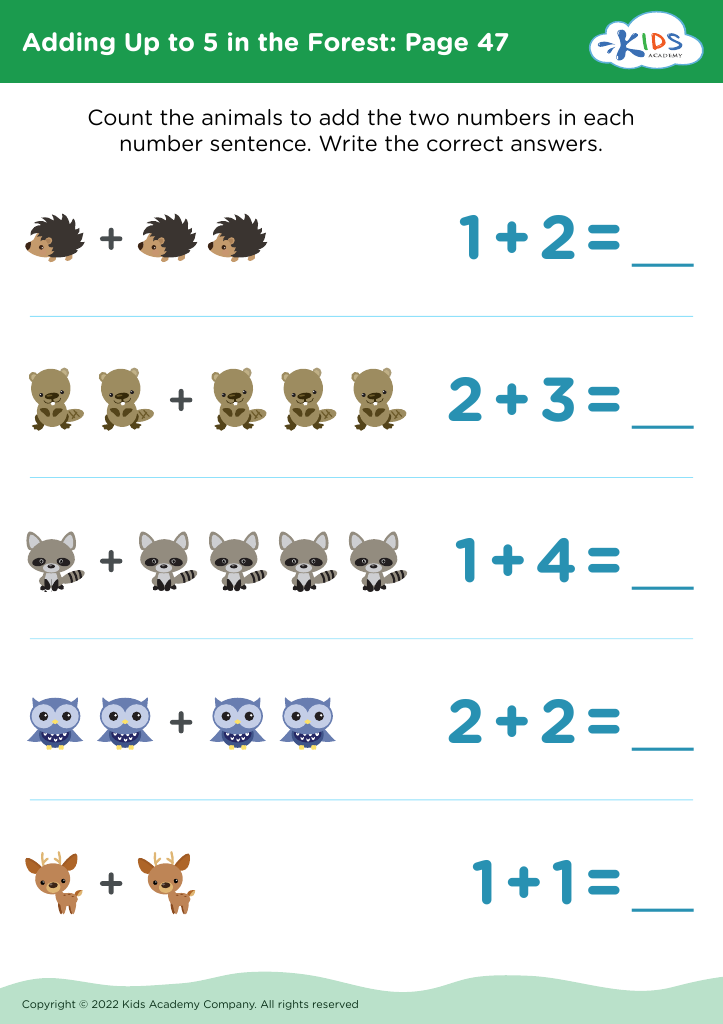
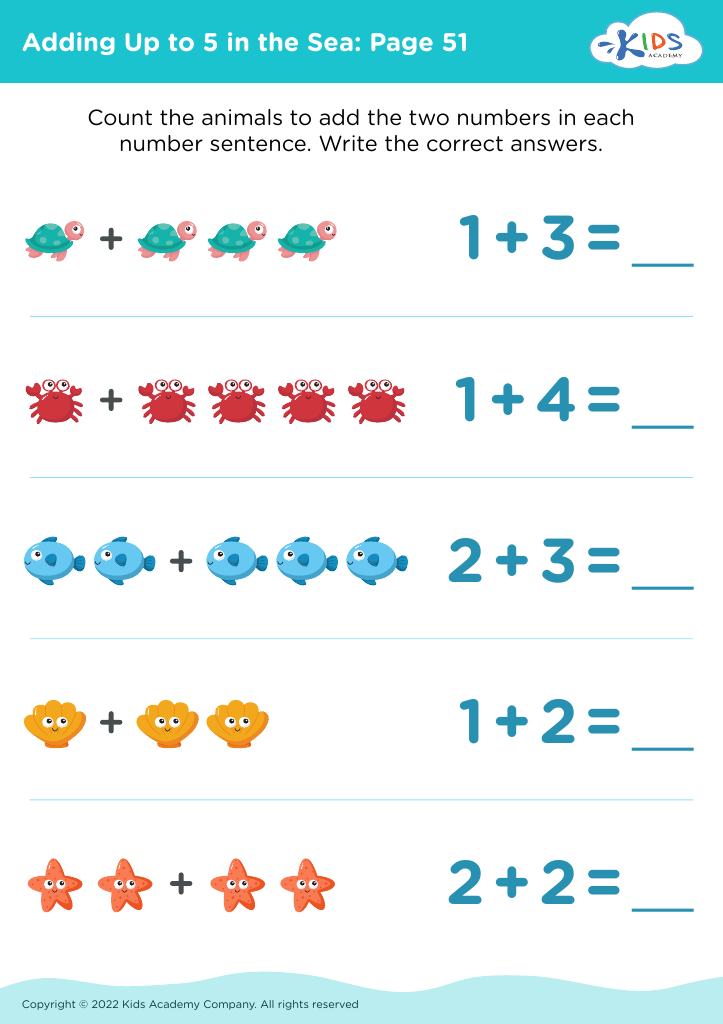
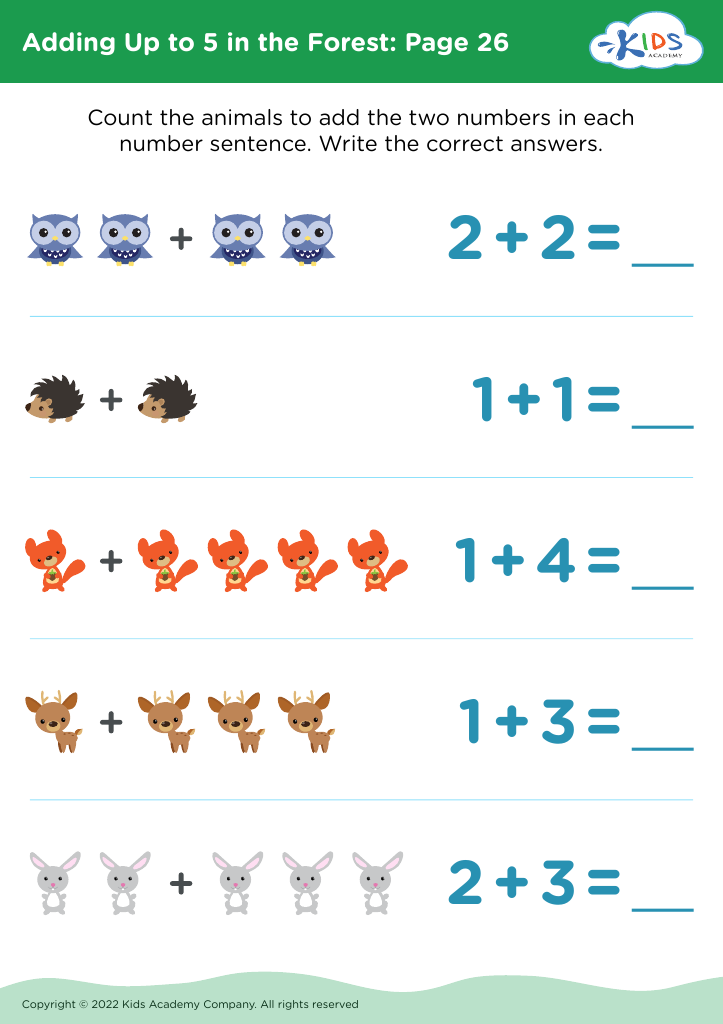
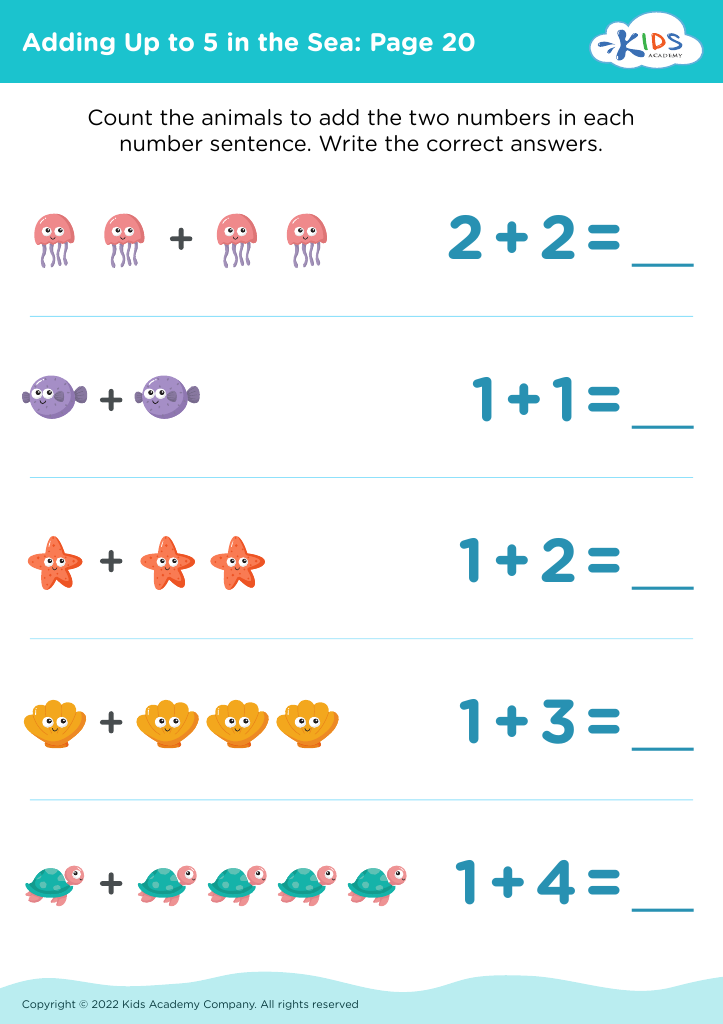
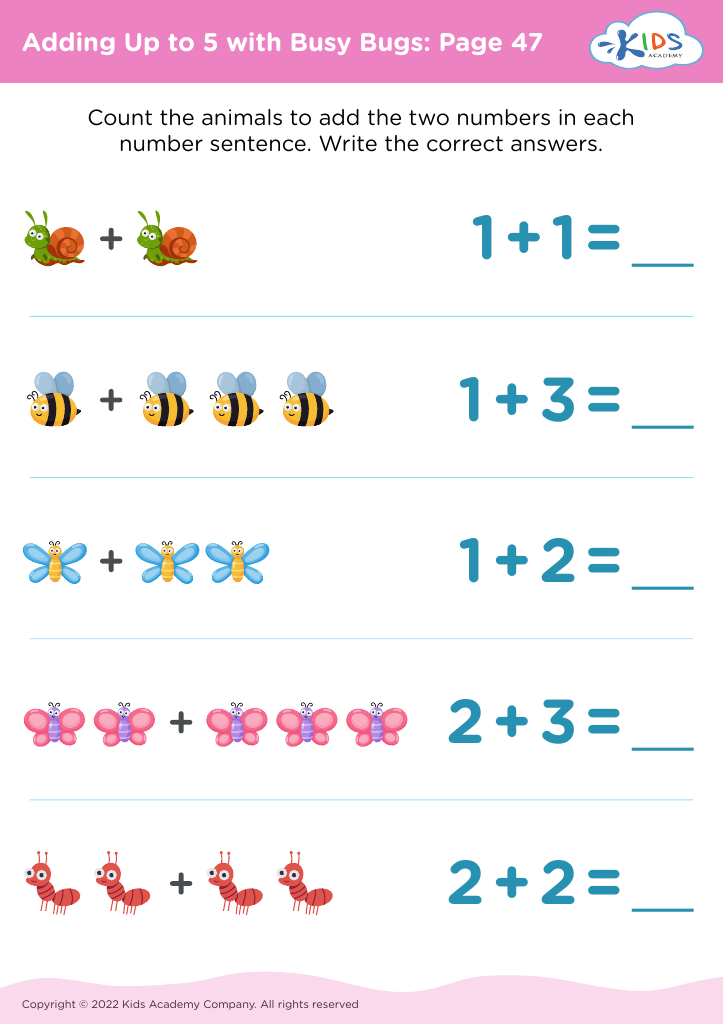
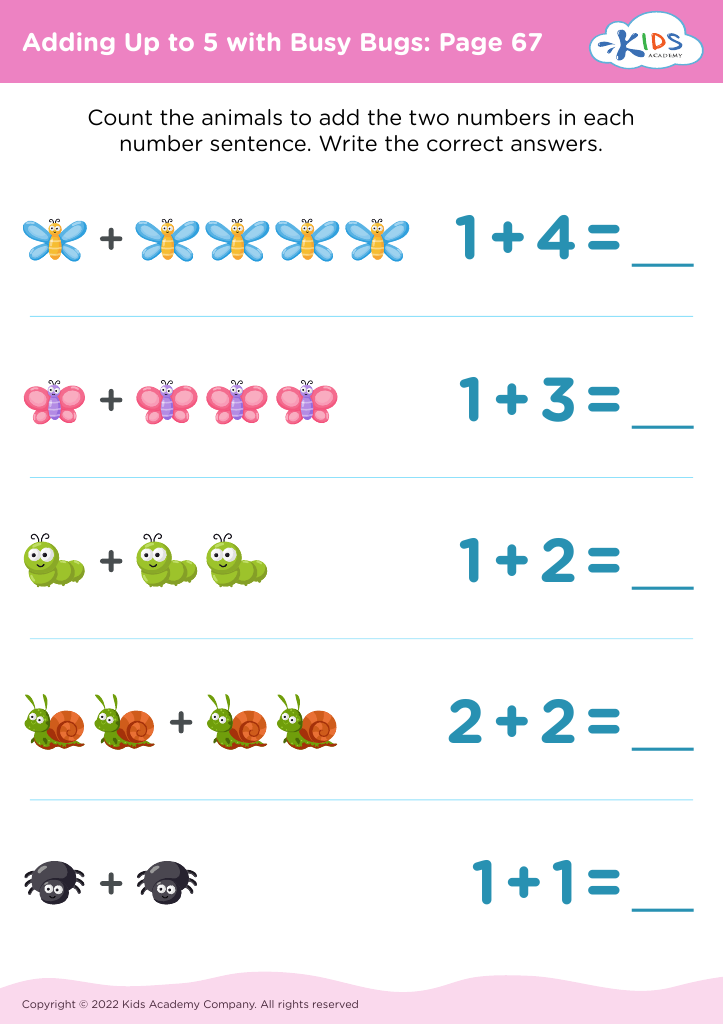
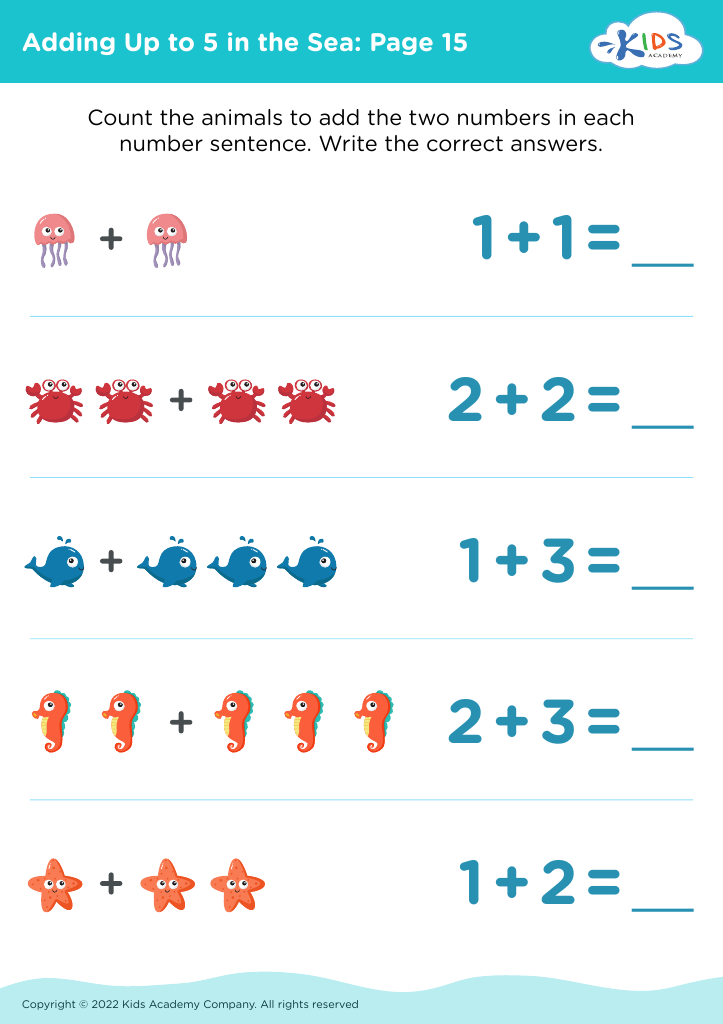
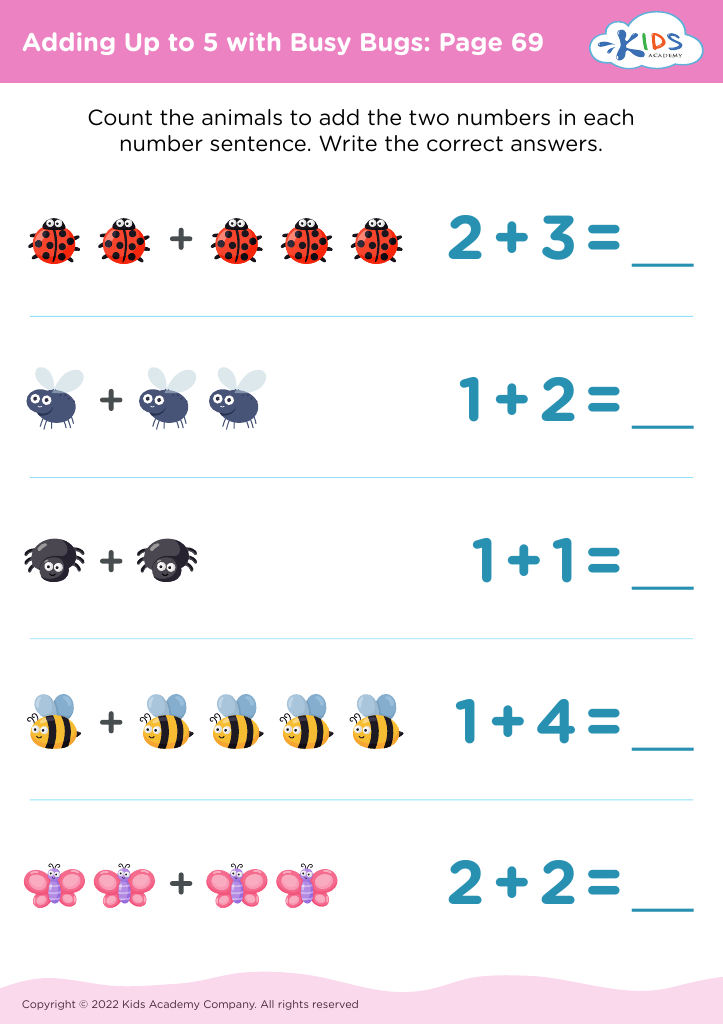
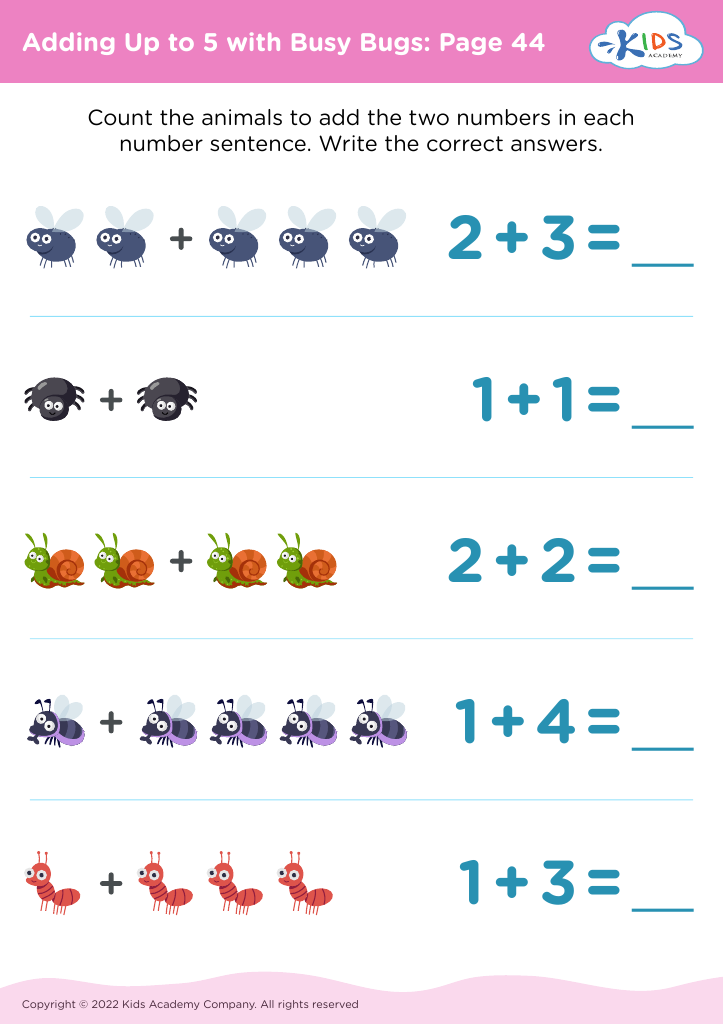
Boost your child’s focus and math skills with our "Improving Concentration Addition Worksheets" designed specifically for ages 5-6. These engaging and colorful worksheets are crafted to enhance your child’s ability to concentrate while mastering basic addition concepts. Each activity encourages attention to detail and problem-solving as they tackle fun and interactive exercises. Perfect for homeschooling or supplemental practice, our worksheets provide a structured yet lively approach to learning math. Foster your little one's confidence and focus in a playful way. Begin their journey towards becoming math-savvy and attentive learners today with our meticulously designed addition worksheets!
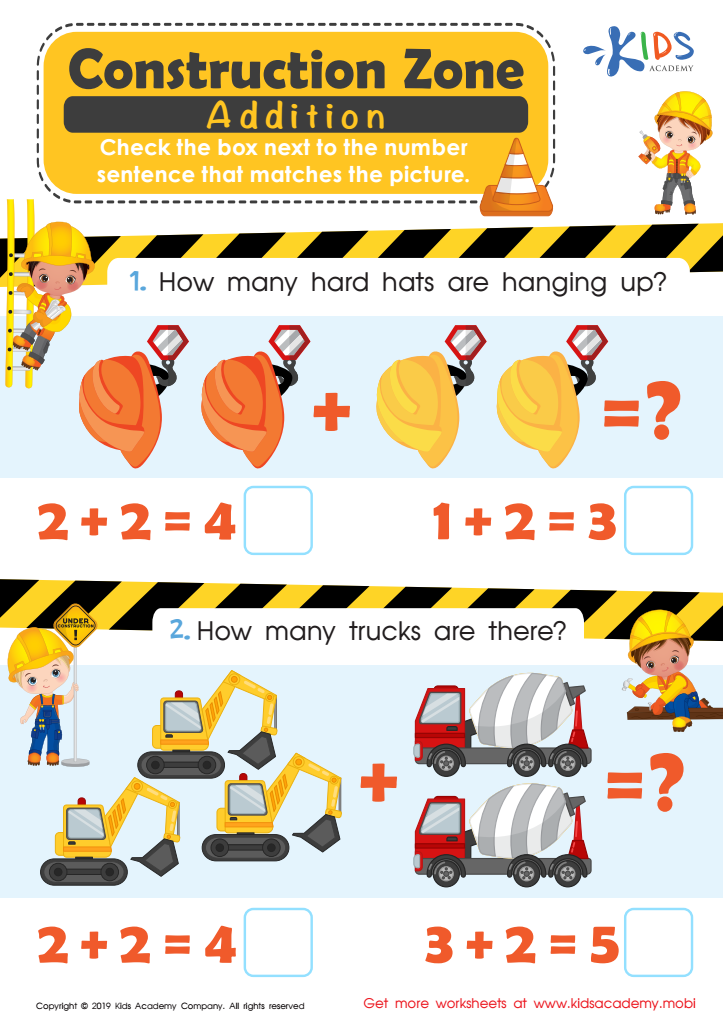
Construction Zone Addition Worksheet
 Assign to My Students








Improving concentration through activities like Addition for children aged 5-6 is vital for various reasons. At this developmental stage, children are not just learning numbers but also building essential cognitive skills that underpin future academic success. Concentration helps them focus on tasks, follow instructions, and remember information, which are crucial abilities for learning everything from math to literacy.
Teachers and parents should care about enhancing concentration because it lays the groundwork for effective learning experiences. When children can concentrate, they engage more fully with educational content, leading to better understanding and retention of basic mathematical concepts, such as addition. This foundational knowledge is pertinent for progressing to more complex mathematical operations in later grades.
Moreover, concentration also plays a key role in social development. As children collaborate on addition-related activities, they learn to participate in group discussions, share ideas, and take turns, which fosters teamwork and communication skills.
Additionally, fostering concentration through engaging activities can reduce behavioral issues and enhance classroom or home environment dynamics. Overall, cultivating concentration in young learners is essential for their academic journey and broader personal development, ensuring they develop effective learning habits early on.








