Reading comprehension Addition Worksheets for Ages 5-6
7 filtered results
-
From - To
Boost your child's learning journey with our engaging Reading Comprehension Addition Worksheets for ages 5-6! Designed to combine essential math and literacy skills, these worksheets provide a fun and interactive way for young learners to practice addition while enhancing their reading comprehension. Each worksheet presents simple addition problems embedded within short, age-appropriate stories or sentences, promoting better understanding through context. Perfect for both classroom and home use, our worksheets are tailored to support early learners, making learning enjoyable and effective. Give your child the tools to succeed with our expertly crafted, educational resources!
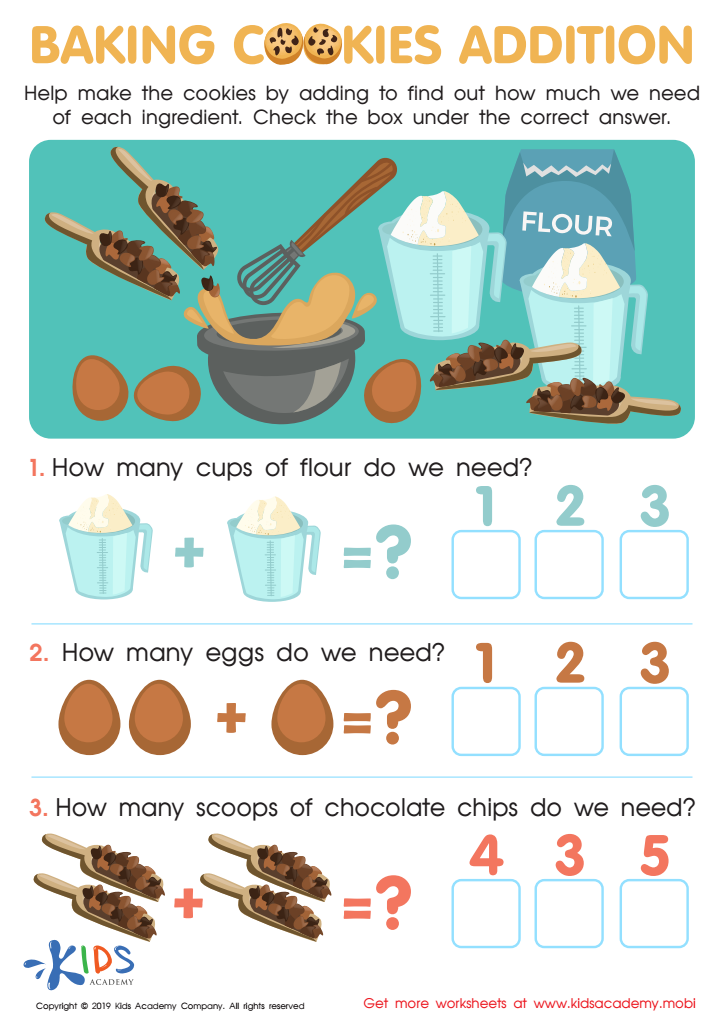
Baking Cookies Addition Worksheet
 Assign to My Students
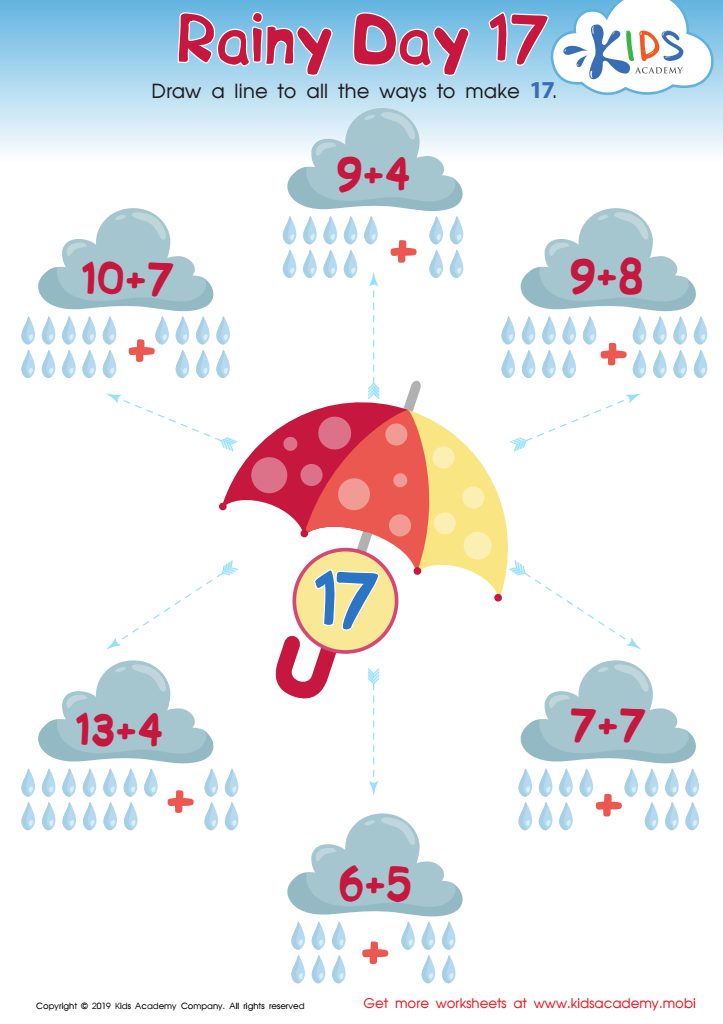
Rainy Day 17 Worksheet
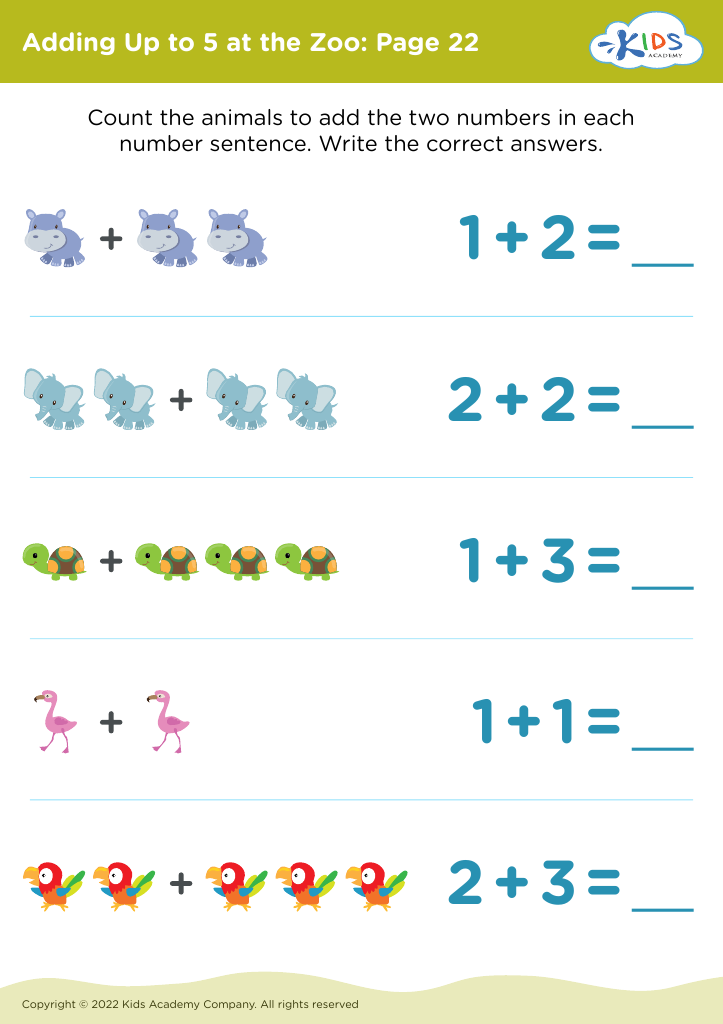
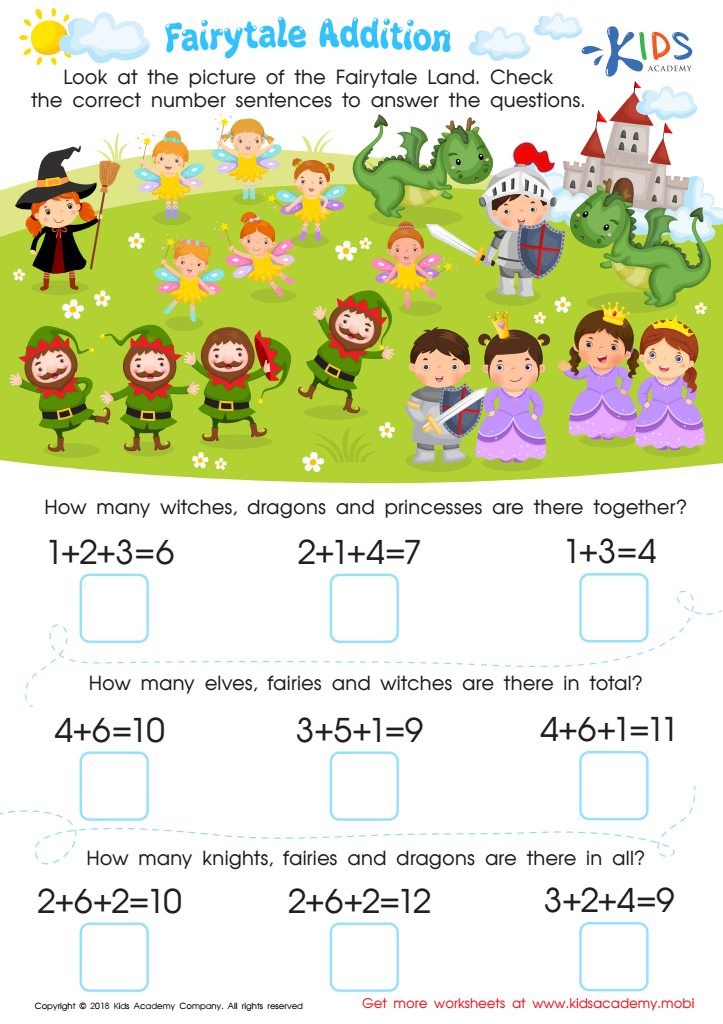
Fairytale Addition Worksheet
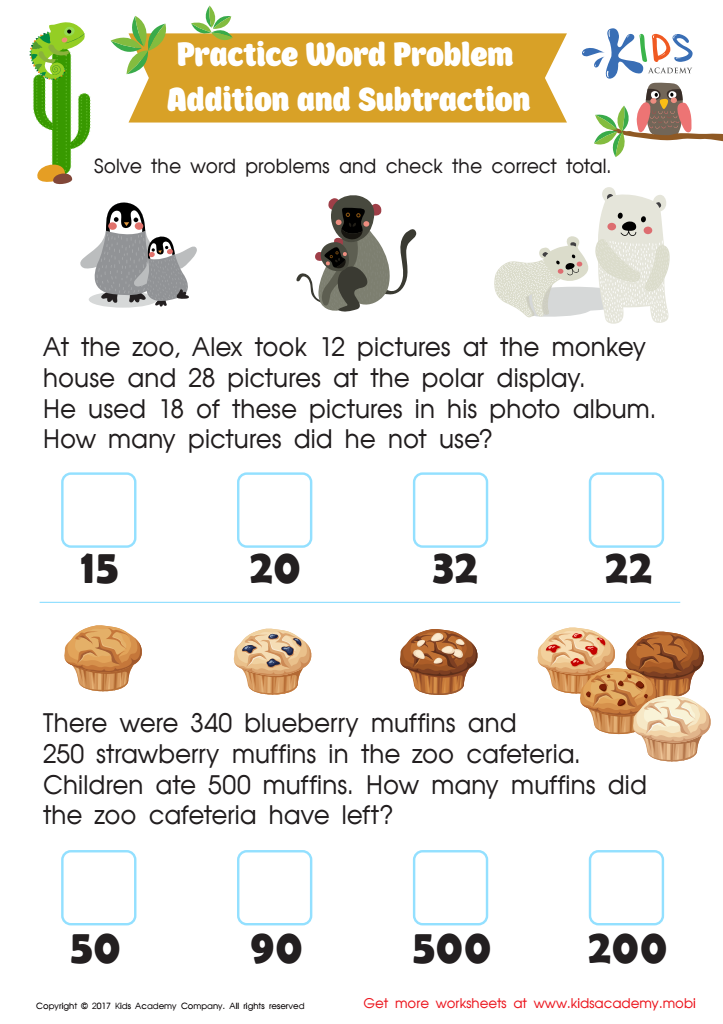
Addition and Subtraction: Word Problems Worksheet
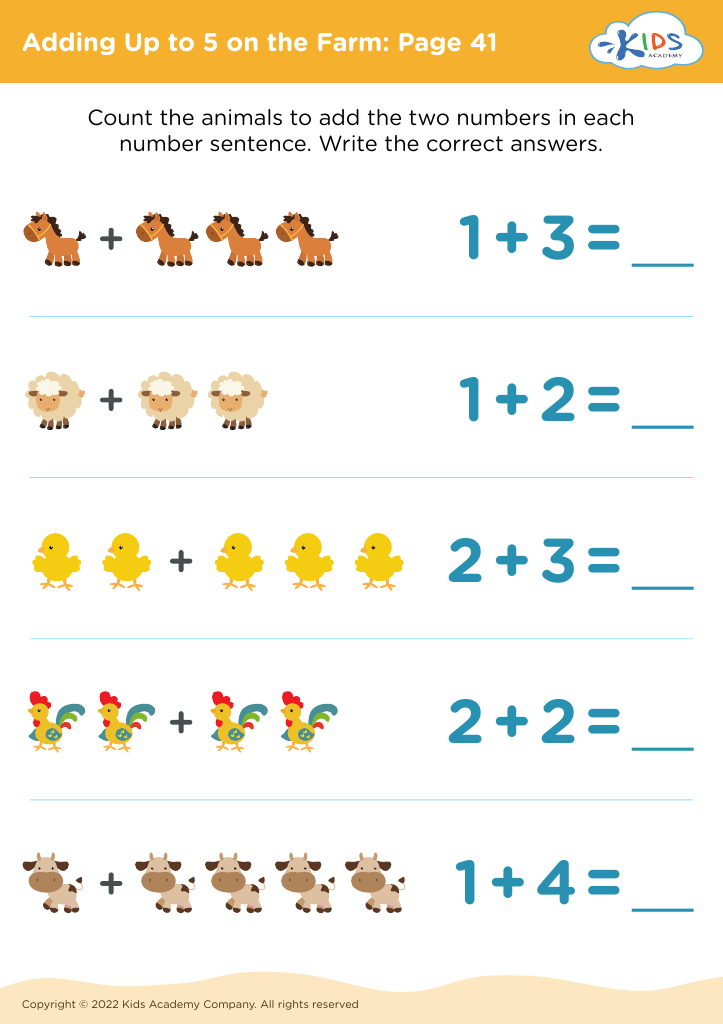
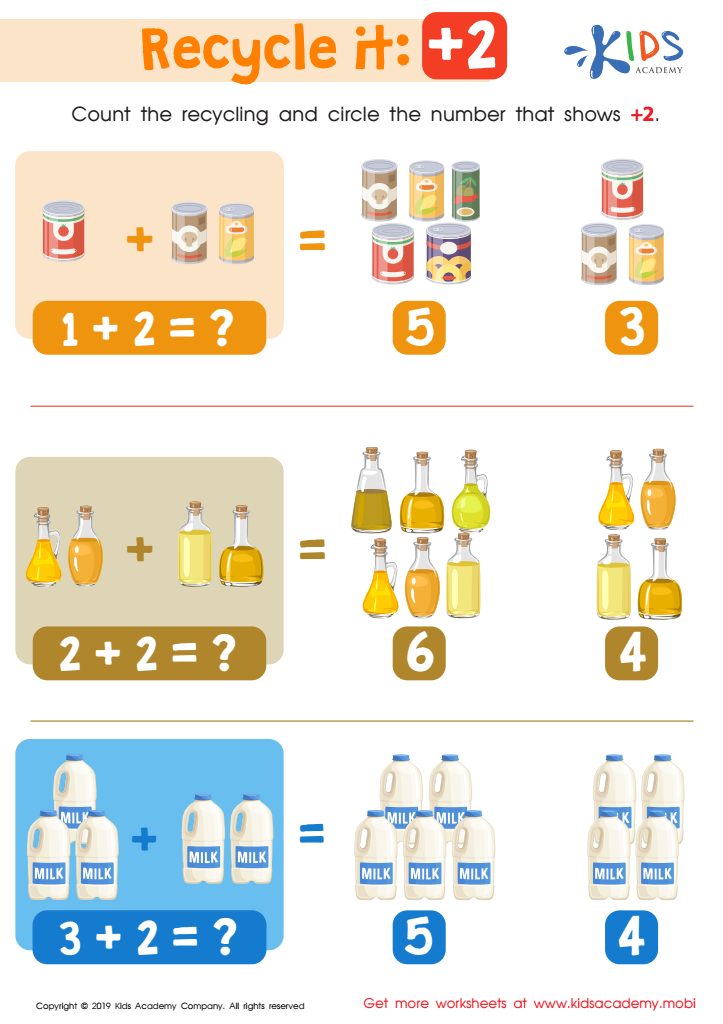
Recycle It: +2 Worksheet








Reading comprehension is a crucial skill that serves as the foundation for all future learning. For children aged 5-6, also known as early readers, it plays a vital role in their cognitive development. This is the age when kids transition from recognizing letters and sounds to understanding and making sense of short sentences and stories. Parents and teachers should prioritize reading comprehension for several reasons.
First, strong reading comprehension skills enable children to better grasp new concepts across all subjects, from math and science to social studies and art. This foundational skill enhances their ability to follow instructions and solve problems—critical competencies for academic success.
Second, reading comprehension stimulates imagination and emotional intelligence. When children understand what they read, they can empathize with characters and situations, broadening their emotional awareness and social skills.
Third, it encourages a love of reading. Children who comprehend what they read are more likely to find joy in books, leading to a lifelong habit that fuels continuous learning.
Lastly, early competency in reading comprehension is linked to higher self-esteem. Children confident in their reading skills are more likely to participate in class, contributing to their overall confidence and well-being.
In summary, investing in reading comprehension activities for young children sets the stage for enduring educational success and personal development.








